What Cruise Ship Workers Actually Make — The Salary Breakdown, the Tipping Math, and What They Think of You
We may earn money or products from the companies mentioned in this post. This means if you click on the link and purchase the item, I will receive a small commission at no extra cost to you ... you're just helping re-supply our family's travel fund.
The cruise industry is built on a labor model that would not survive contact with American employment law. The ships are registered in the Bahamas, Malta, or Panama — not because those are great places to run a shipping company, but because doing so places them outside U.S. labor jurisdiction while still serving almost entirely American ports and passengers.
What that means practically: no minimum wage requirements, no overtime limits, no union protections for most crew, and contract terms that include provisions like “may be terminated without cause at any time” and “worker is responsible for their own return airfare home if dismissed.”
None of this means cruise ship employment is exploitative by global standards — for workers from the Philippines, Indonesia, India, and Caribbean nations where most crew are recruited, these jobs often pay multiples of what’s available at home. But it’s a system worth understanding if you’re the person these workers are serving.
The Contract Structure That Makes Cruise Employment Different
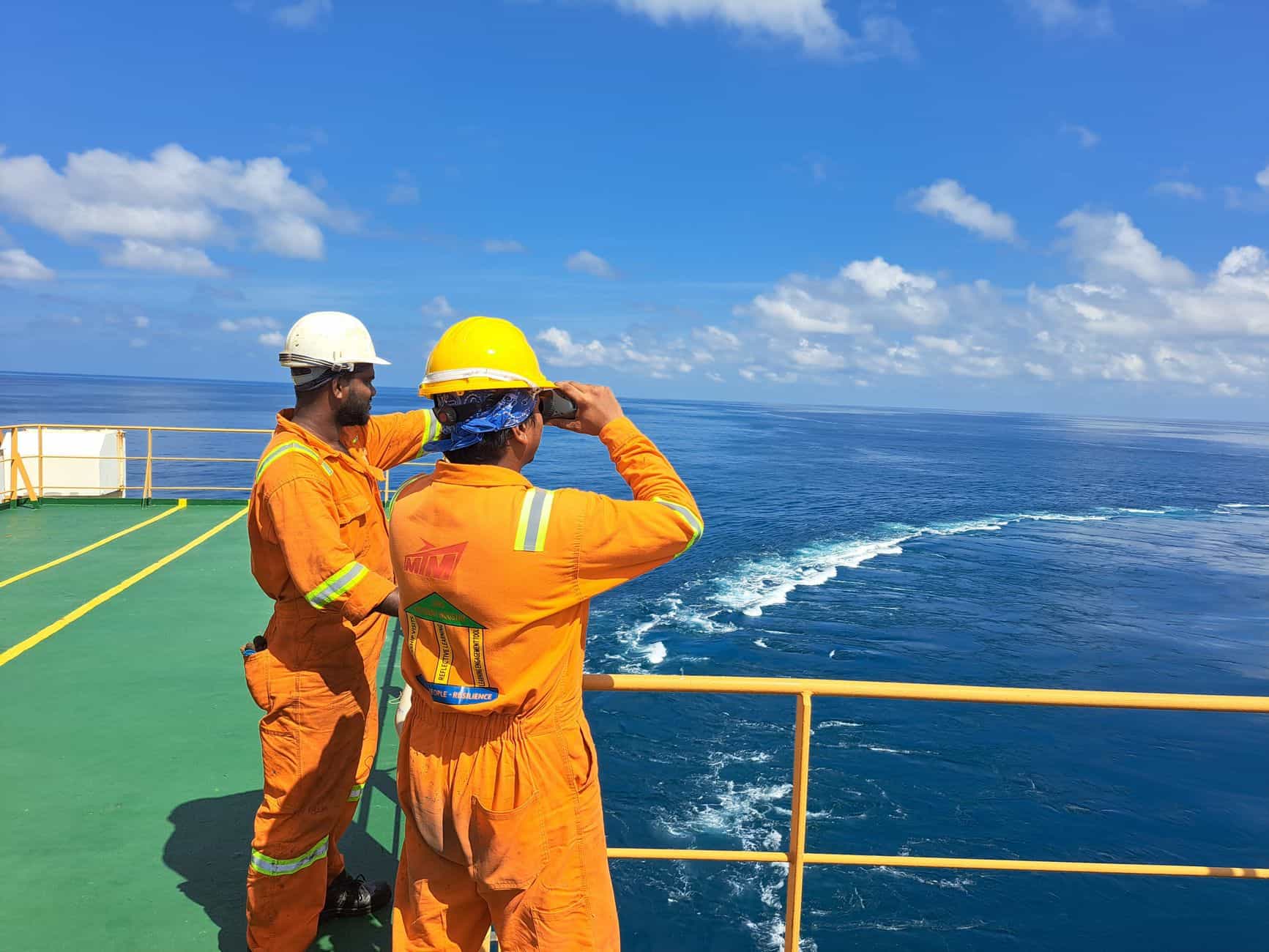
Cruise ship crew work on fixed-term contracts, typically 6–10 months depending on the position, followed by a mandatory leave period of 1–3 months (unpaid) before they can re-contract. There is no year-round employment. There are no benefits between contracts. There is no paid leave during the contract period.
During those 6–10 months, the crew member:
- Works 7 days a week, typically 10–14 hours per day
- Lives in a small shared cabin (lower ranks share with one or two others)
- Eats in a crew mess that is notably different from passenger dining
- Has extremely limited internet access (though this has improved in recent years)
- Cannot easily leave the ship except in port
Contracts are enforced by the Maritime Labour Convention (MLC 2006), an international treaty that sets minimum standards for accommodation, food, medical care, and hours. Cruise lines generally comply with MLC. But MLC minimums are not high by American standards.
What Different Roles Actually Earn
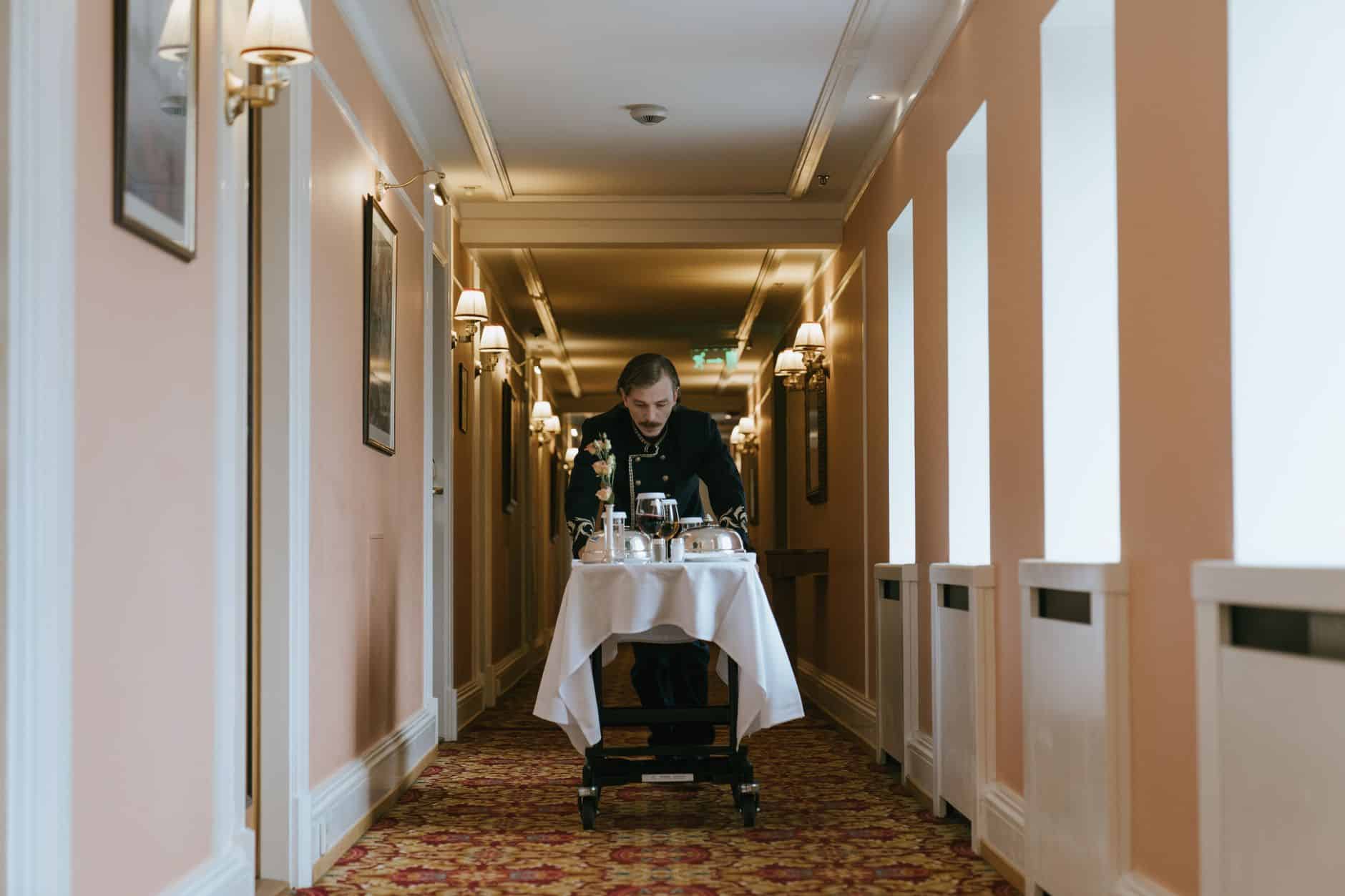
Salaries vary enormously by position, line, and nationality. These are representative ranges based on multiple crew disclosures and maritime industry reporting:
- Cabin steward (room attendant): $500–$1,200/month base salary. The majority of real compensation comes from the automatic gratuity pool. Total take-home with tips: $1,800–$3,500/month.
- Dining room waiter: $400–$900/month base. Very tip-dependent. Strong waiters on busy ships can clear $3,000–$4,500/month with gratuities.
- Bartender: $800–$1,500/month base plus tips. Bar staff are among the better-compensated non-officer crew because drink purchases generate tips outside the pooled gratuity.
- Assistant waiter (busser): $350–$700/month base. Heavily dependent on gratuity pool allocation.
- Entertainment staff: $1,200–$2,500/month. No tips, but also less pressure and more public-facing, desirable work.
- Junior officer (navigation, engineering): $2,500–$5,000/month.
- Hotel Director / Chief Purser: $7,000–$12,000/month.
- Ship’s Captain: $10,000–$20,000+/month depending on line and ship size.
The cost of living during a contract is near-zero (room and board are provided), which means the entire paycheck is essentially savings. A cabin steward making $2,500/month for 9 months banks $22,500 — which, in the Philippines, represents multiple years of local equivalent income.
The Tipping Math: Where the Money Actually Goes

Most major cruise lines charge an automatic daily gratuity — typically $16–$20 per passenger per day on mainstream lines, $18–$25 on premium lines. On a 7-day cruise for two, that’s $224–$350 added to your bill before any additional tipping.
How that money is distributed varies by line and is largely opaque:
- Cabin stewards and dining staff are the primary recipients of the general gratuity pool.
- Some lines include behind-the-scenes staff (laundry, galley kitchen workers) in the pool. Others do not.
- Bar staff on most lines are excluded from the general pool and earn tips separately through drink purchases.
- When passengers remove or reduce the automatic gratuity (which most lines allow you to do at guest services), the money is clawed back from crew paychecks — meaning the passenger effectively took money from a cabin steward’s month-end total.
Removing the automatic gratuity is the thing crew members are most unanimously unhappy about. It’s done most often by passengers who then tip in cash — which sounds fine but creates significant paperwork and accounting problems for the crew member, who in some cases is required to declare and pool cash tips anyway.
If you want to tip extra for exceptional service: cash handed directly to the individual, on the last night of the cruise, is the most meaningful form.
The Working Conditions That Never Make the Brochure
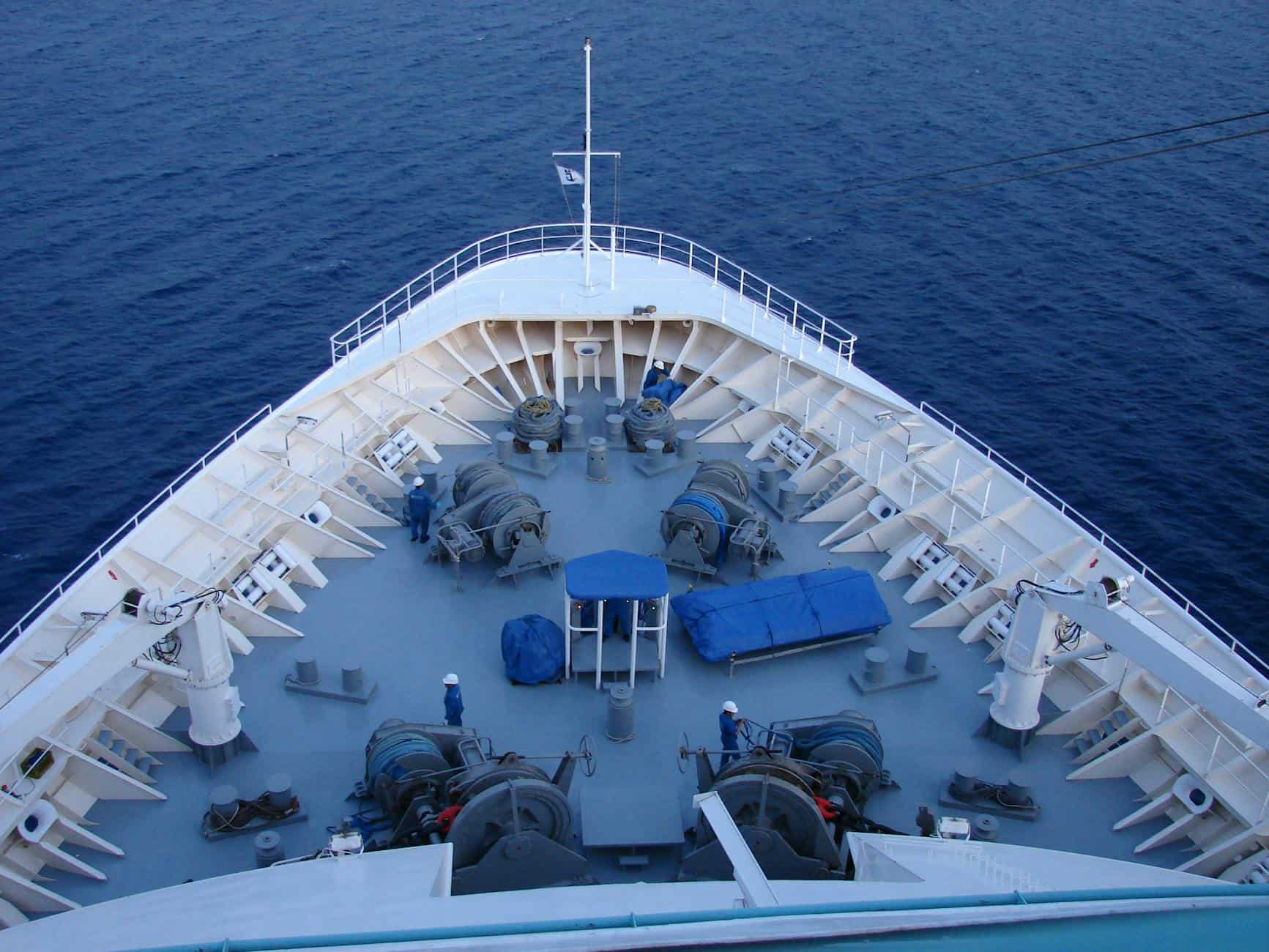
The physical reality of ship life for non-officer crew:
- Interior cabins below the waterline, typically measuring 80–120 square feet for two people. No natural light. No porthole.
- A shared bathroom in a room that may also be next to the engine room, laundry, or crew corridor — locations chosen for their distance from passenger areas, not for livability.
- The workday on turnaround day (the day passengers embark and disembark, typically Saturday or Sunday) runs 16–18 hours. This is standard, not exceptional.
- Medical care is available on board, but serious conditions may require docking or medevac. Some crew report delaying reporting medical issues to avoid being “put off the ship” and losing their contract.
Recent improvements: Wi-Fi has become meaningfully available for crew on most major lines, which has transformed quality of life significantly. Video calls home during a 9-month contract are now a daily possibility rather than a port-day luxury.
What Crew Members Actually Think of Passengers
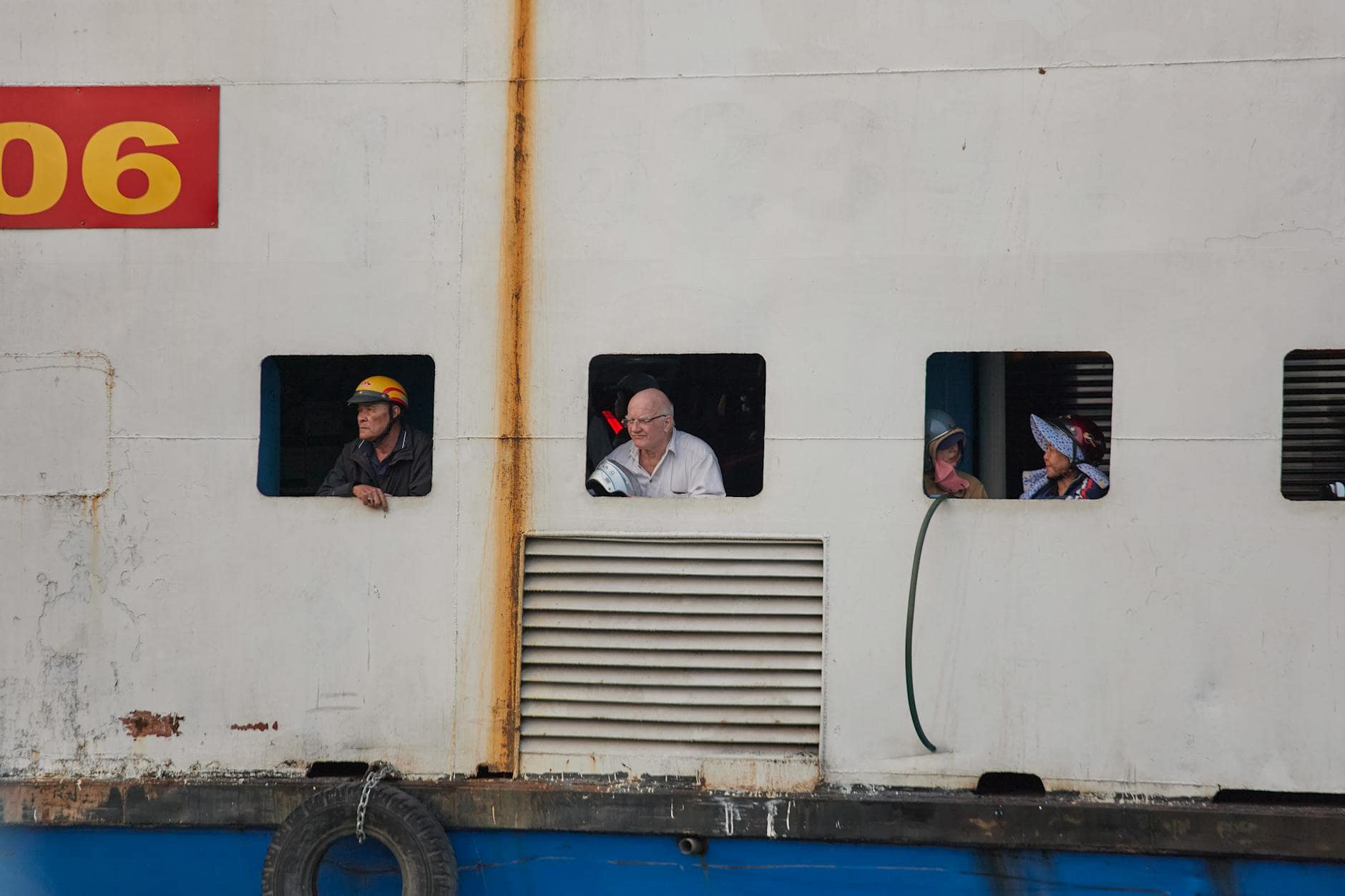
This is the part people want to know, so here it is directly from multiple crew accounts posted publicly on Reddit and crew forums:
- The cabin steward “does not notice” your mess the way you think they do. They’ve cleaned thousands of cabins. Your level of disorder is not shocking. But they do notice when people leave tip money out for them vs. remove the auto-grat and give nothing.
- Passengers who treat crew as invisible are the most commented-upon negative. Making eye contact, using names (they’re on the badge), saying please and thank you: crew members notice this intensely because many passengers don’t do it.
- The complaints about food and service that passengers make to other passengers but never to staff are frustrating. Crew cannot fix what they don’t hear about. Guest services forms go to management and can be acted on.
- Formal nights and specialty dining are preferred by crew because passengers are better behaved and the tips are better.
- The passengers most disliked: those who remove gratuities, those who are rude to any crew member, and those who treat the ship like the rules don’t apply to them (ignoring embarkation times, cutting lines, treating muster drills as optional).
The Nationalities, the Hierarchies, and the Ship Culture
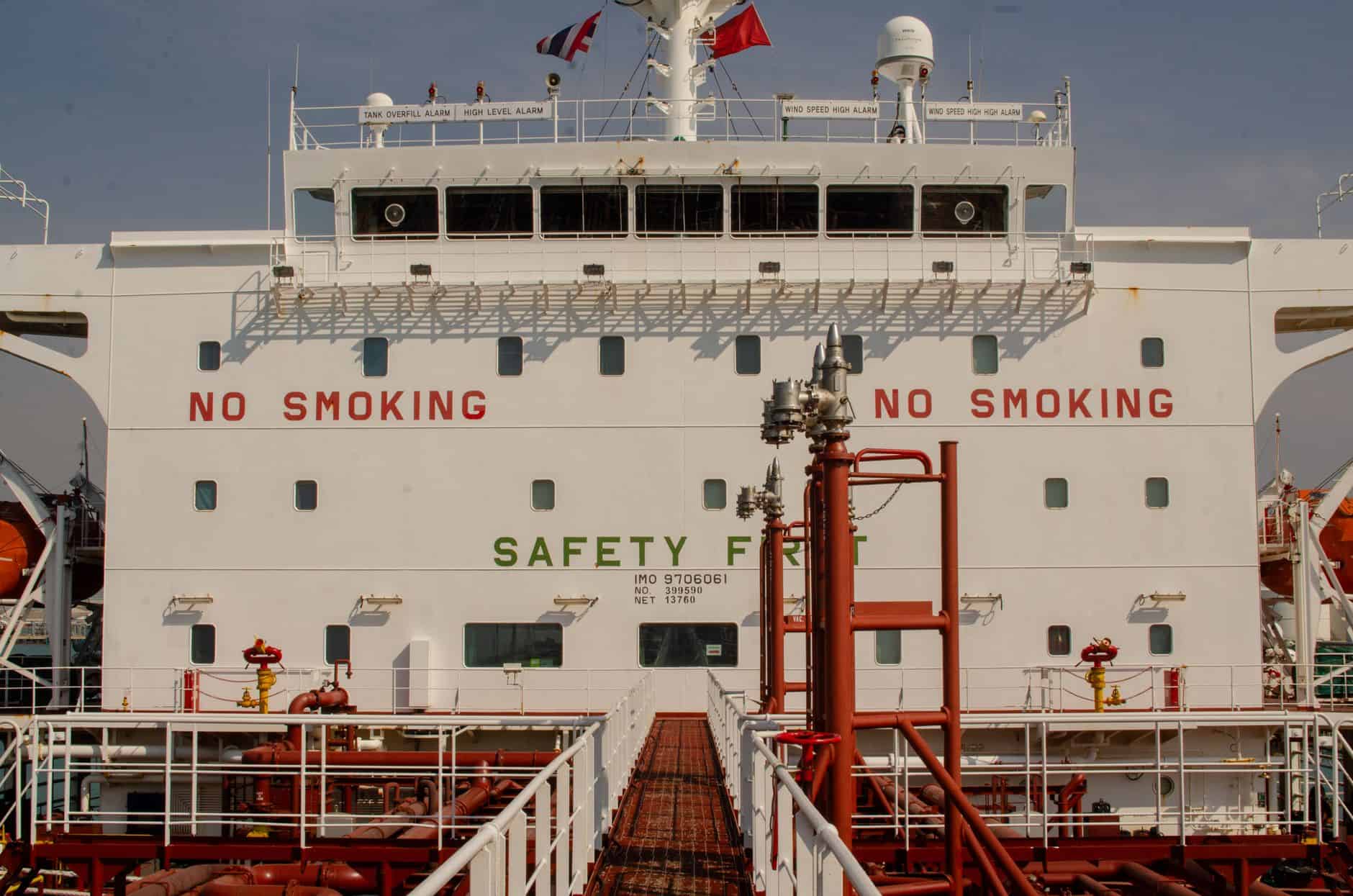
Cruise ship crews are among the most genuinely international workplaces on earth — a large ship might have crew from 40–70 different countries. But the distribution is not random.
- Deck and engine officers: traditionally European, particularly British, Norwegian, Italian, and Greek.
- Hotel and restaurant management: European and North American, with growing representation from India and the Philippines at senior hotel roles.
- Cabin stewards and food service: predominantly Filipino and Indonesian on most mainstream lines. On some lines, heavily Caribbean or Eastern European.
- Entertainment staff: largely American, British, and Australian.
- Spa staff: heavily recruited from Thailand, Eastern Europe, and South Africa.
This stratification is real, historically rooted in colonial maritime employment patterns, and is one of the more discussed topics in crew communities. Senior crew positions have become more diverse over the past decade but the pattern at the lower-compensation positions remains consistent.
The ship culture that results from this mix is described by crew as genuinely tight-knit and internationally warm — people who choose this work tend to be adventurous and adaptable — but also hierarchical and exhausting in ways that passengers floating on their top-deck sun loungers never see.