These American Cities Keep Blowing People Away on a Long Weekend — and Nobody Is Talking About Them
We may earn money or products from the companies mentioned in this post. This means if you click on the link and purchase the item, I will receive a small commission at no extra cost to you ... you're just helping re-supply our family's travel fund.
There’s a tier of American city that travel media has been overworking for the past decade. You know the ones. Nashville. Portland. Asheville. Sedona. Santa Fe. These are good cities — genuinely good — but they are no longer undiscovered. Nashville’s Bachelor party economy has priced out the locals who made it interesting. Asheville in July looks like a theme park version of itself.
The cities worth talking about right now are different. They’re the ones where people arrive expecting to be underwhelmed and leave stunned. Where the food scene is real but not Instagram-optimized. Where hotels haven’t caught up with demand yet so you can still get a beautiful room for $150. Where you walk around the first morning thinking: “Why doesn’t anyone know about this?”
Here are the ones consistently drawing that reaction.
Bentonville, Arkansas: The Art World’s Best-Kept Secret
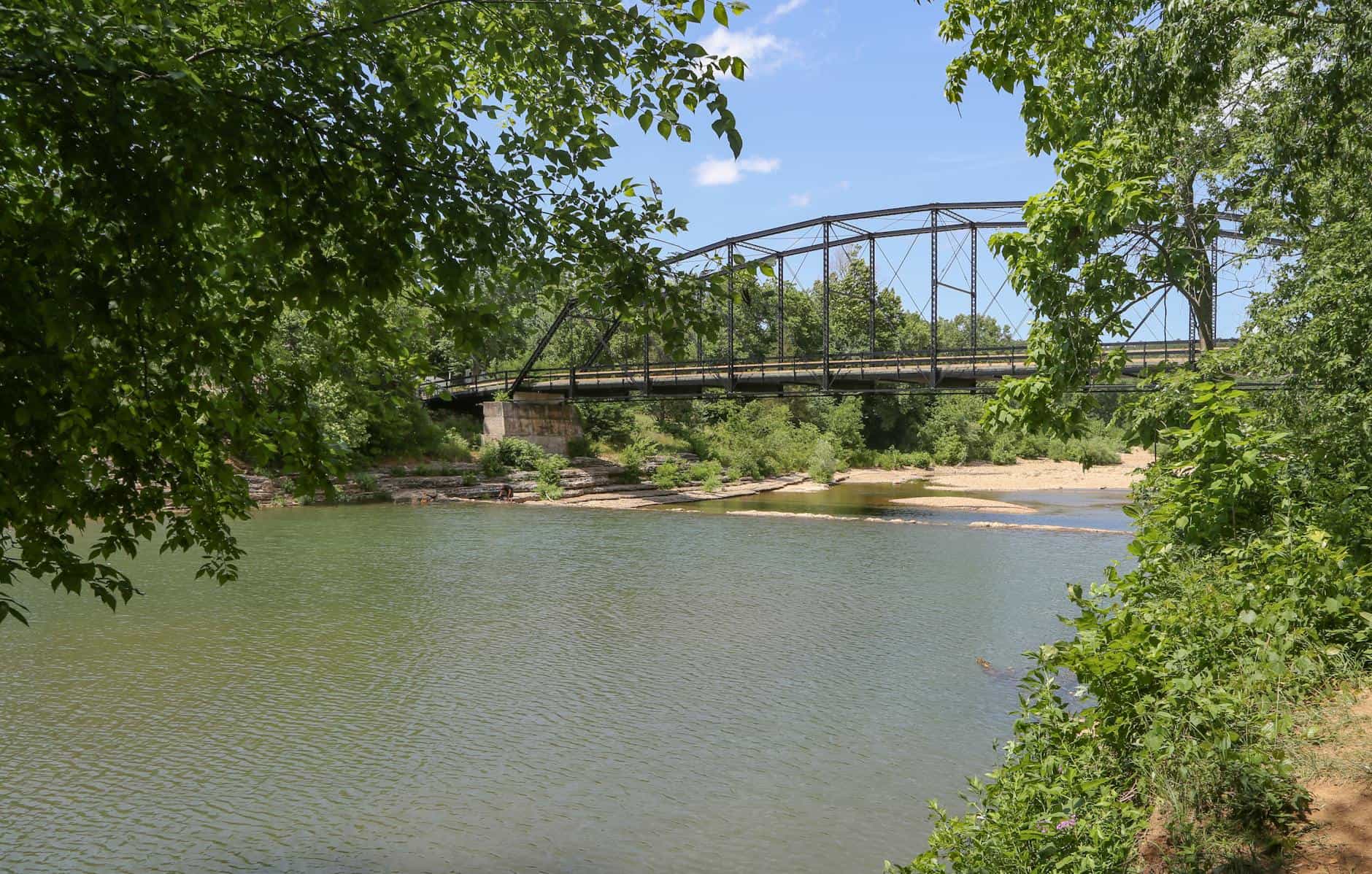
Yes, this is where Walmart is headquartered. That fact is both why nobody thinks to visit and why it’s extraordinary that they should.
Walmart money built Crystal Bridges Museum of American Art — a world-class institution in the Ozark hills that has an Andy Warhol, a Norman Rockwell, a Georgia O’Keeffe, and a Moshe Safdie building sitting in 120 acres of Arkansas forest. Admission is free. Let that land for a moment: a free world-class art museum in a small Arkansas city.
Beyond Crystal Bridges:
- The Momentary, a contemporary arts space that hosts performances, exhibitions, and has a genuinely excellent rooftop bar.
- A mountain biking trail network — the Oz Trails — that serious cyclists are traveling specifically to ride. Over 100 miles of purpose-built singletrack.
- A downtown food scene that has quietly become legitimately good: Preacher’s Son (in a converted church), Tusk & Trotter, Undercroft (craft wine and small plates).
- Hotel prices that are still, remarkably, reasonable.
A long weekend in Bentonville costs roughly 60% of what the same quality trip to Asheville would. The surprise quotient is significantly higher.
Savannah’s Shadow: Brunswick, Georgia and the Golden Isles
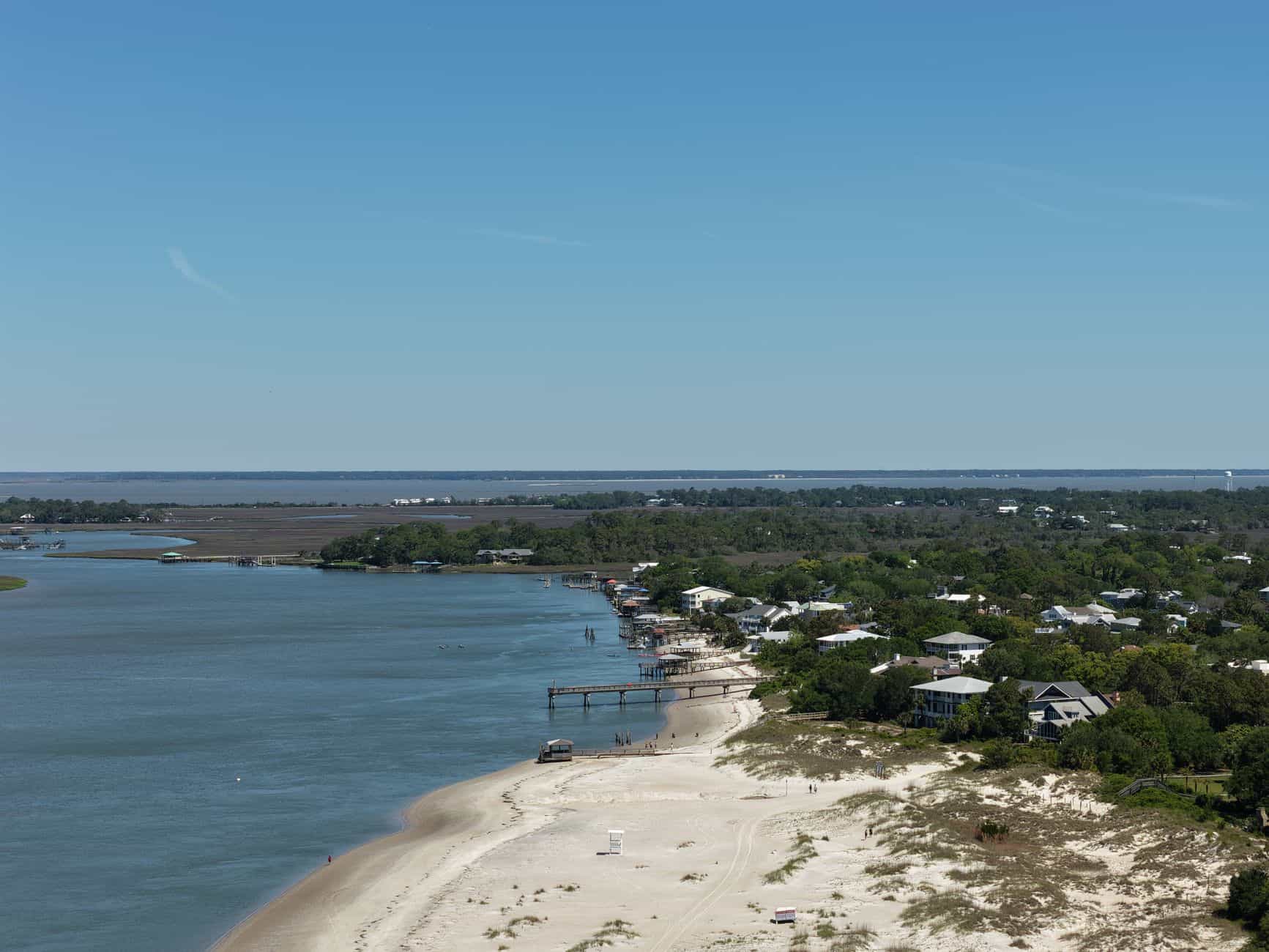
Everyone goes to Savannah — and Savannah is magnificent — but the Golden Isles an hour south keep showing up on lists and consistently punching above their recognition weight.
Sea Island, Jekyll Island, St. Simons Island, and Little St. Simons Island form a cluster of barrier islands with dramatically different personalities:
- Jekyll Island: A former Gilded Age playground for Rockefellers and Vanderbilts, now mostly state-owned and remarkably accessible. The “Millionaires’ Village” — the cluster of historic cottages where America’s wealthiest families once summered — is strange and beautiful and undervisited.
- St. Simons Island: Walkable, beach access, genuinely good food (Halyards, the Silo for breakfast), and a vibe that Hilton Head had fifteen years ago before it became resort-corporate.
- Little St. Simons Island: Accessible only by ferry, maximum 32 guests at a time, all-inclusive, completely undeveloped. One of the most extraordinary places in the American South.
Brunswick proper, on the mainland, has a Victorian downtown that’s being incrementally restored and hosts some of the best local seafood you’ll eat at prices that feel comically low.
Spokane, Washington: The City That Gets Overlooked for Its Neighbor
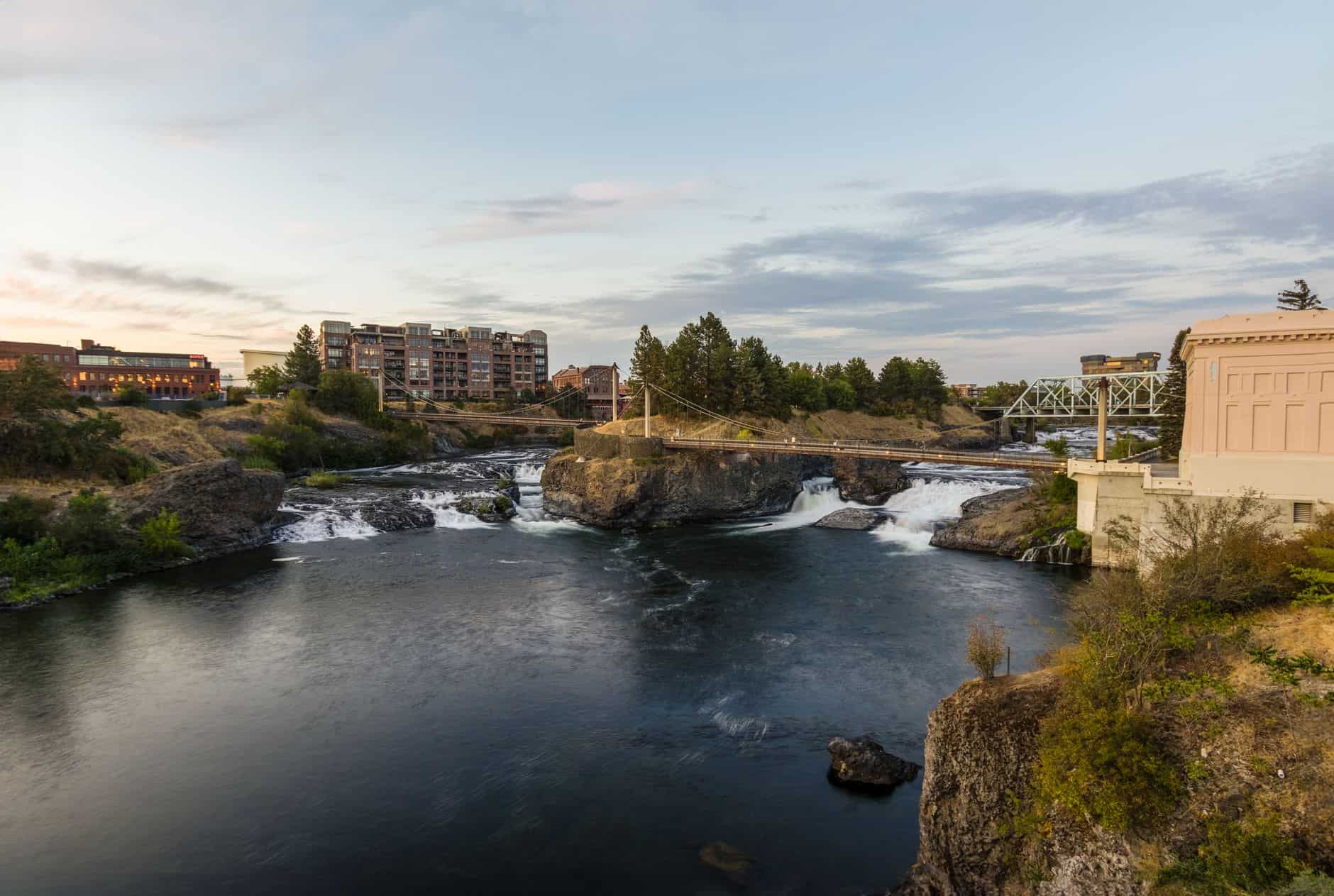
Everyone flies into Seattle. Almost nobody thinks about Spokane. That’s changing slowly — and the window where it still feels like a find is closing.
Spokane sits in eastern Washington, four hours from Seattle by car, in a setting that’s genuinely dramatic: the Spokane River runs through the middle of downtown, dropping 100 feet in a waterfall visible from the city center. Riverfront Park, built for the 1974 World’s Fair, wraps around the falls and has been significantly renovated.
The food scene has become legitimately surprising:
- Hogwash (the best cocktail bar in the city, and one of the better ones in the Pacific Northwest)
- Wild Sage (farm-to-table that holds its own against Seattle competition)
- A growing craft brewing scene clustered in the Perry District neighborhood
Cheap flights from most western hubs. Hotel rooms for $120–$180 that would be $300 in Seattle. The Palouse — the rolling, surreal wheat-field landscape to the south — is genuinely one of the most photogenic places in America. You will not believe you’re still in Washington.
Marfa, Texas: Surreal, Desolate, and Completely Worth It
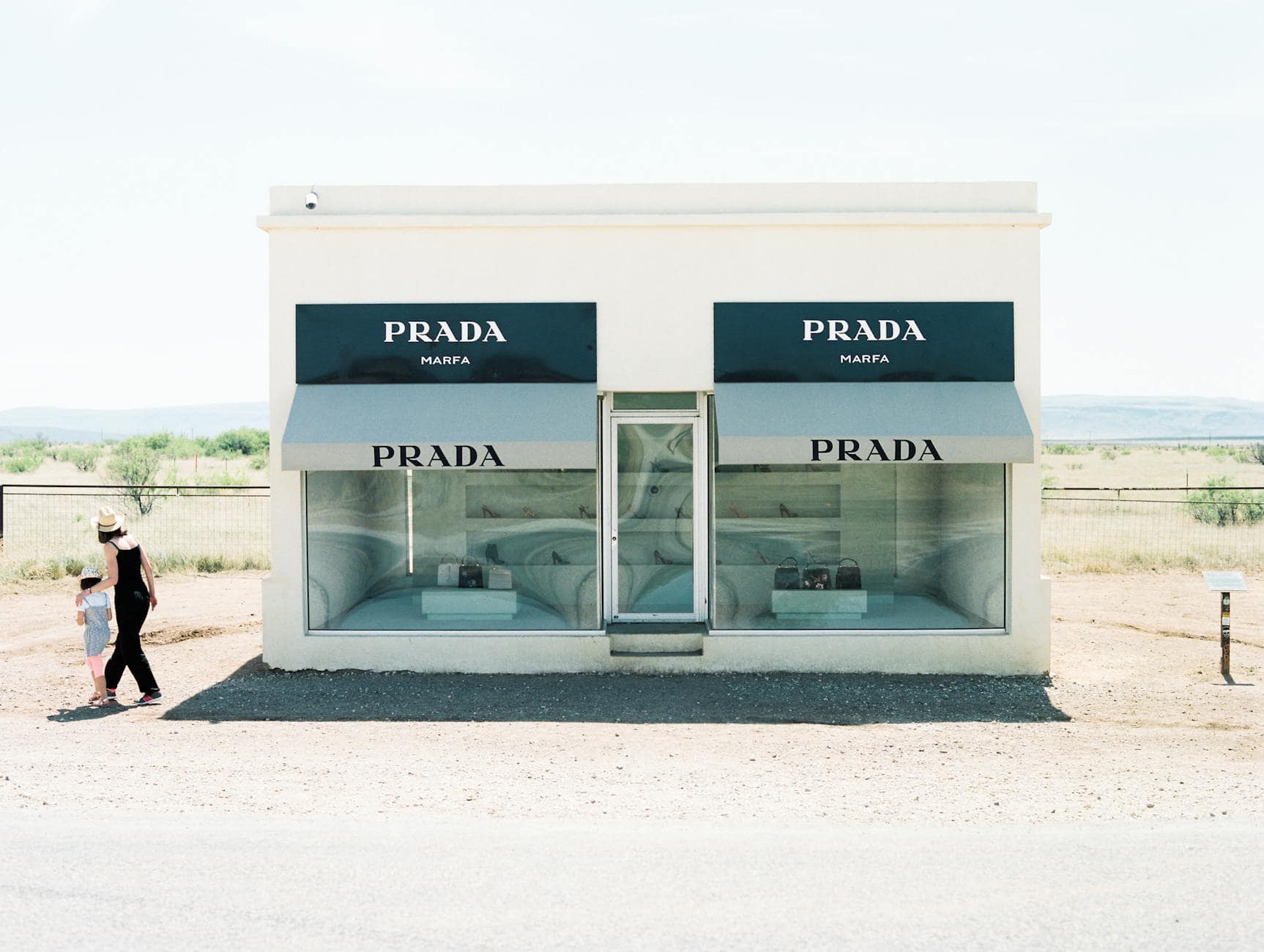
Marfa is already on art world radar, but most general travelers still haven’t processed the idea of flying to Midland, Texas and driving two and a half hours into the desert to find a small town that hosts Donald Judd’s permanent art installations, a handful of world-class restaurants, and some of the darkest skies in North America.
It sounds made up. It is real.
- Chinati Foundation: Judd’s 340-acre permanent installation, including 100 aluminum boxes in two former military warehouses and concrete sculptures scattered across the desert. One of the truly significant contemporary art sites in the world.
- The Marfa Lights: Mysterious lights visible from the highway east of town at night. No one has fully explained them. You can stand in a designated viewing area and watch them. It’s eerie.
- Food: Cochineal (reservation required, exceptional), the Marfa Table, and the Food Shark truck for weekday falafel.
Marfa rewards visitors who stay more than a single night. Stay two nights. Drive out to Prada Marfa (the roadside art installation). Sit in the silence.
Traverse City, Michigan: The One That Wine Country Forgot to Hype
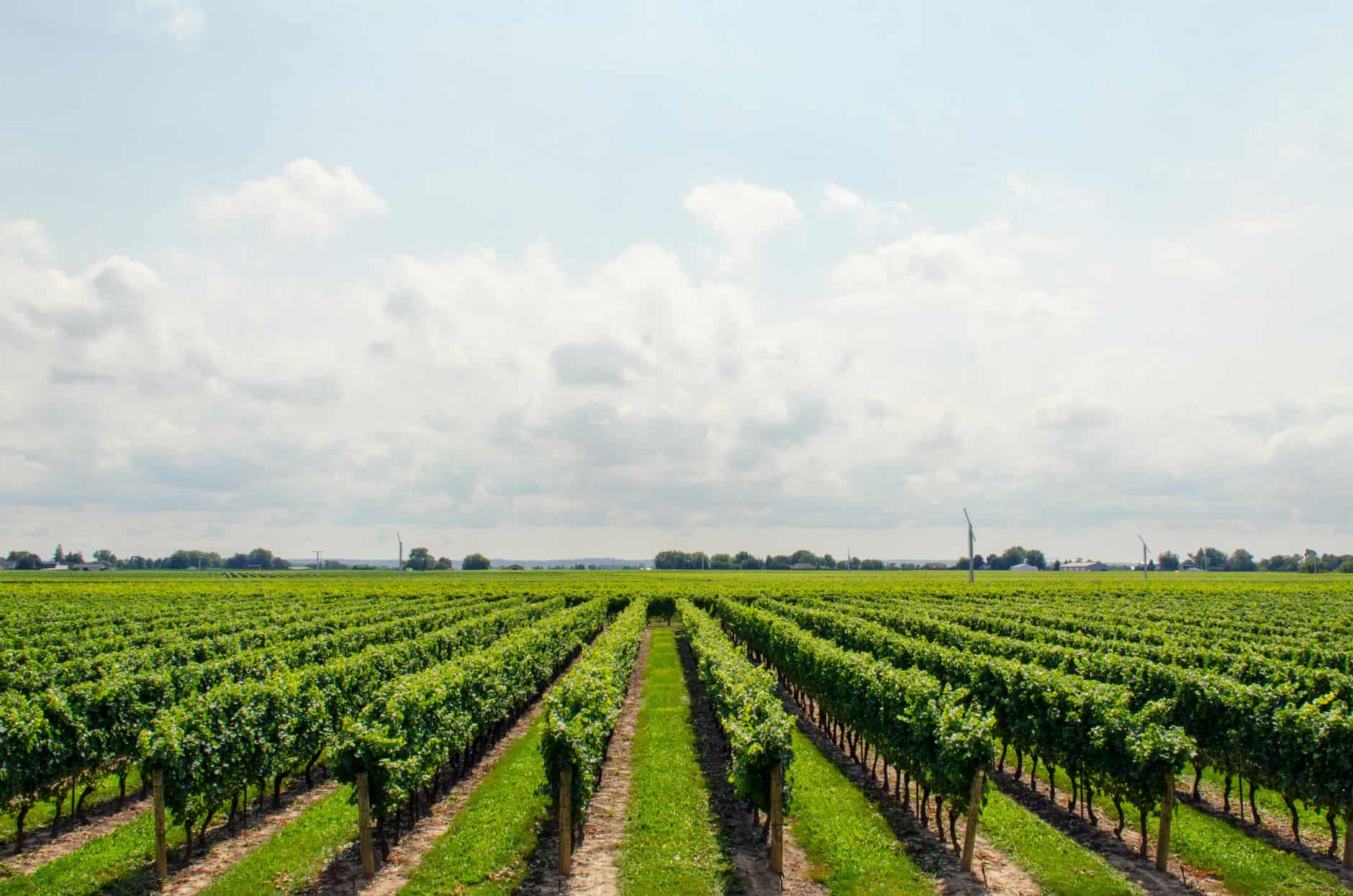
The Leelanau Peninsula and the Old Mission Peninsula, both extending into Lake Michigan from Traverse City, have a collective fifty-plus wineries producing wine from Riesling, Pinot Noir, and Gewürztraminer grapes that do exceptionally well in the cold continental climate.
This is serious wine country. It’s not Napa in scale, but the quality-to-price ratio is outstanding — you’re drinking wines that would be $40–$60 in California for $20–$30 at the cellar door.
Beyond wine:
- Sleeping Bear Dunes National Lakeshore: Among the most spectacular natural landscapes in the Midwest. Dunes up to 450 feet high dropping directly into Lake Michigan. Consistently voted one of the most beautiful places in America.
- The Cherry Festival in July: The entire region grows tart cherries, and July is the moment when everything smells of them.
- A compact, walkable downtown with genuinely good restaurants (Trattoria Stella in a former state hospital building, Horizon Books for a long afternoon).
Summer weekends fill up — book early. A fall visit, when the colors in the vineyards and the forests are at peak, might be the best-kept seasonal secret in the Midwest.
Omaha, Nebraska: The Food City That Doesn’t Know It’s a Food City
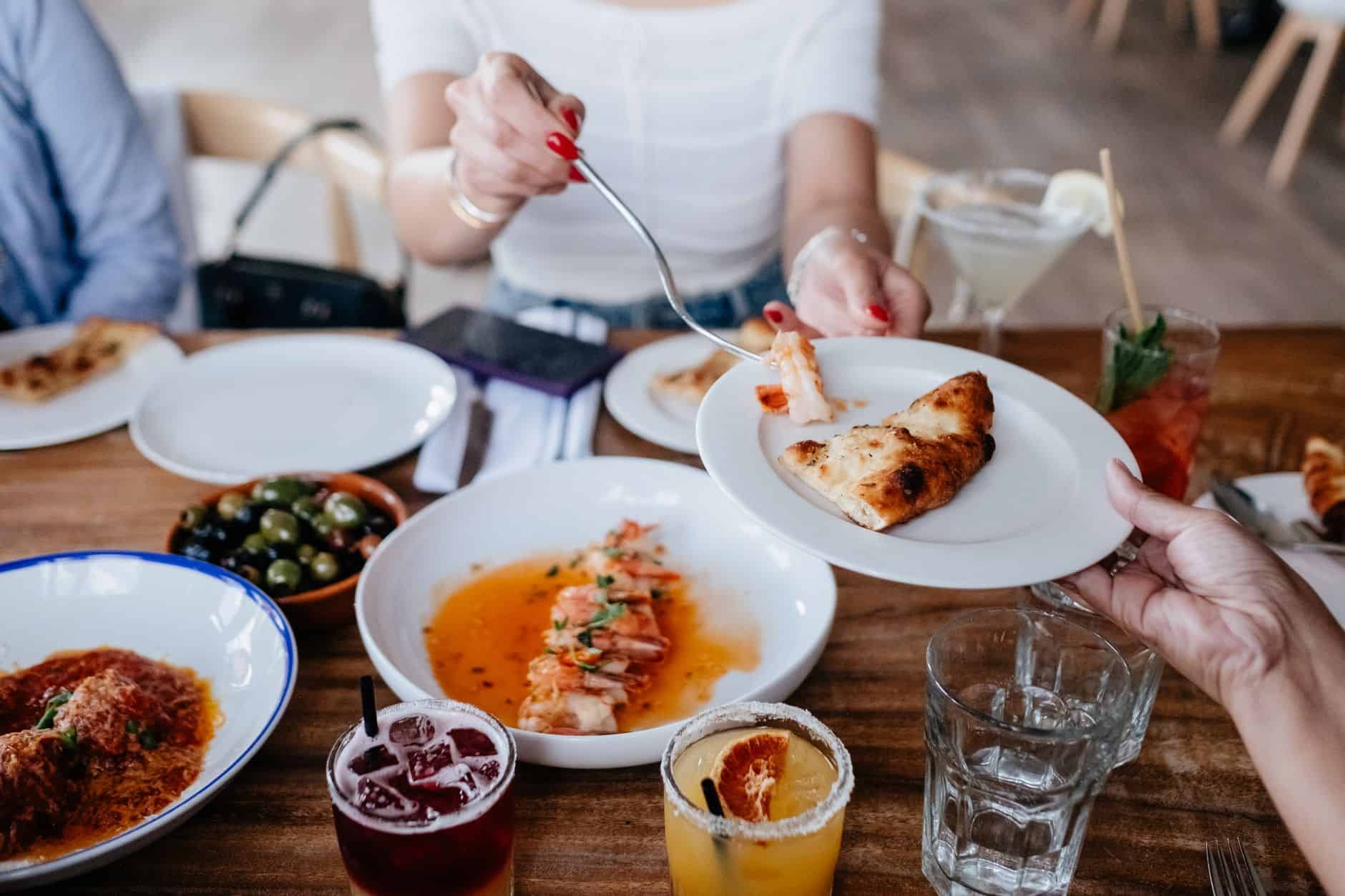
Omaha punches so far above its weight on food that it’s almost a prank. The stockyards history means the beef is serious — this is legitimately one of the best places in America to eat a steak. But that’s table stakes. What’s happening now is broader:
- The Old Market neighborhood has a concentration of independent restaurants that rivals neighborhoods in cities five times the size.
- Omaha has a significant Sudanese and Somali immigrant community that has produced a cluster of East African restaurants unlike almost anything else in the Midwest.
- Saddle Creek Records is based here. The music scene is real.
- A Warren Buffett angle — Berkshire Hathaway is headquartered here, which means serious business culture, which translates into good expense-account restaurants that non-expense-account visitors benefit from.
Hotel prices in Omaha remain laughably reasonable. A weekend here costs a fraction of Chicago for a comparable quality of experience. Most people drive through on I-80 without stopping. Stop.
Lowell, Massachusetts: American History Without the Tourist Crush
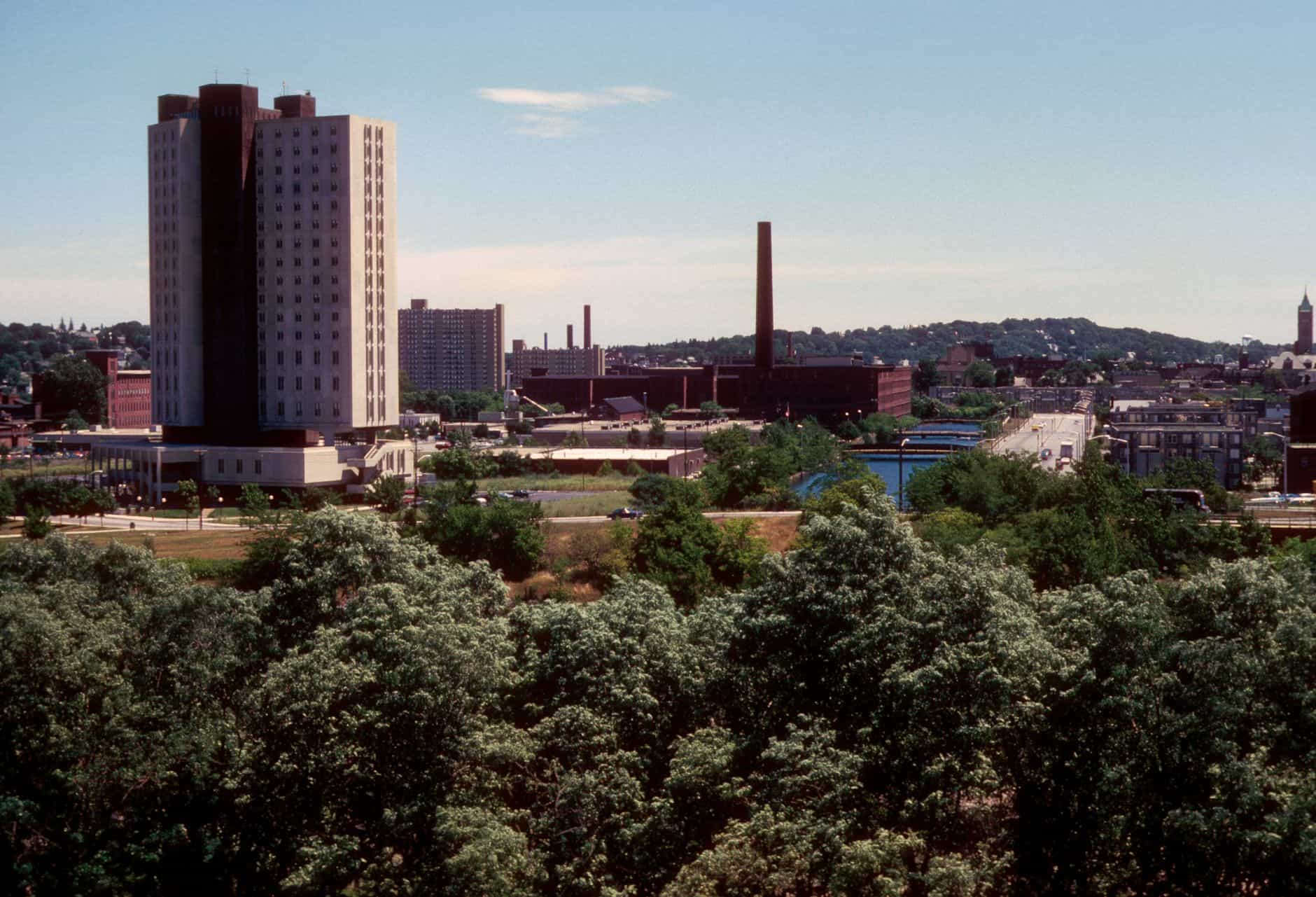
Lowell was the first planned industrial city in America — built in the 1820s specifically to house the textile mills that would define the industrial revolution in the U.S. The canals, the mill buildings, the boarding houses are all still there and largely intact. The National Historical Park that covers much of the old mill district is one of the most under-visited National Parks in the country.
What Lowell has that Salem (an hour south) does not: actual history without the Halloween T-shirt shops.
- The Boott Cotton Mills Museum is genuinely extraordinary — they have operating looms running so you can understand the noise and scale and physicality of industrial mill work.
- The Kerouac connection (Jack Kerouac was born here) draws literary travelers who find a city largely unchanged from his descriptions.
- An enormous Cambodian-American community has produced a restaurant scene along Chelmsford Street that is worth the trip on its own.
Lowell is 30 minutes from Boston by commuter rail. It makes a perfect day trip or a one-night extension. It will absolutely surprise you.