What Children Actually Remember from Family Vacations — and Why Parents Almost Always Get It Wrong
We may earn money or products from the companies mentioned in this post. This means if you click on the link and purchase the item, I will receive a small commission at no extra cost to you ... you're just helping re-supply our family's travel fund.
This article contains affiliate links. We may earn a commission if you book through our links, at no extra cost to you.
Every summer, parents book trips they can barely afford, convinced that the experience will forge something lasting in their children. The Disney parade. The first glimpse of the Grand Canyon. A gondola ride in Venice. These are the moments parents photograph, frame, and reference for decades — “Remember when we took you to Paris? You were seven.”
The child, now an adult, nods politely. They have almost no memory of Paris. What they remember is the hotel elevator that made a sound like a dying animal, and the specific brand of orange juice they had every morning at the buffet.
The Memory Science Parents Never Read Before Booking
Childhood memory is not a camera. It is a highly selective, emotionally indexed system that encodes based on novelty, emotional intensity, and sensory context — not cost, effort, or parental intention.
Developmental psychologists have studied autobiographical memory in children for decades, and the consistent finding is that children under eight encode episodic memories incompletely and often inaccurately. The brain’s hippocampus — the structure responsible for consolidating long-term episodic memory — is still developing well into adolescence. What feels to a parent like a watershed moment often doesn’t register in a child’s memory architecture the same way.
The phenomenon has a name: childhood amnesia. Most adults have almost no clear memories before age three and only fragmentary ones between three and seven. Yet parents regularly spend thousands on trips for toddlers based on the belief that the child will “remember this forever.”
They won’t. The research is unambiguous on that point.
Why the ‘Peak Experience’ Almost Never Sticks
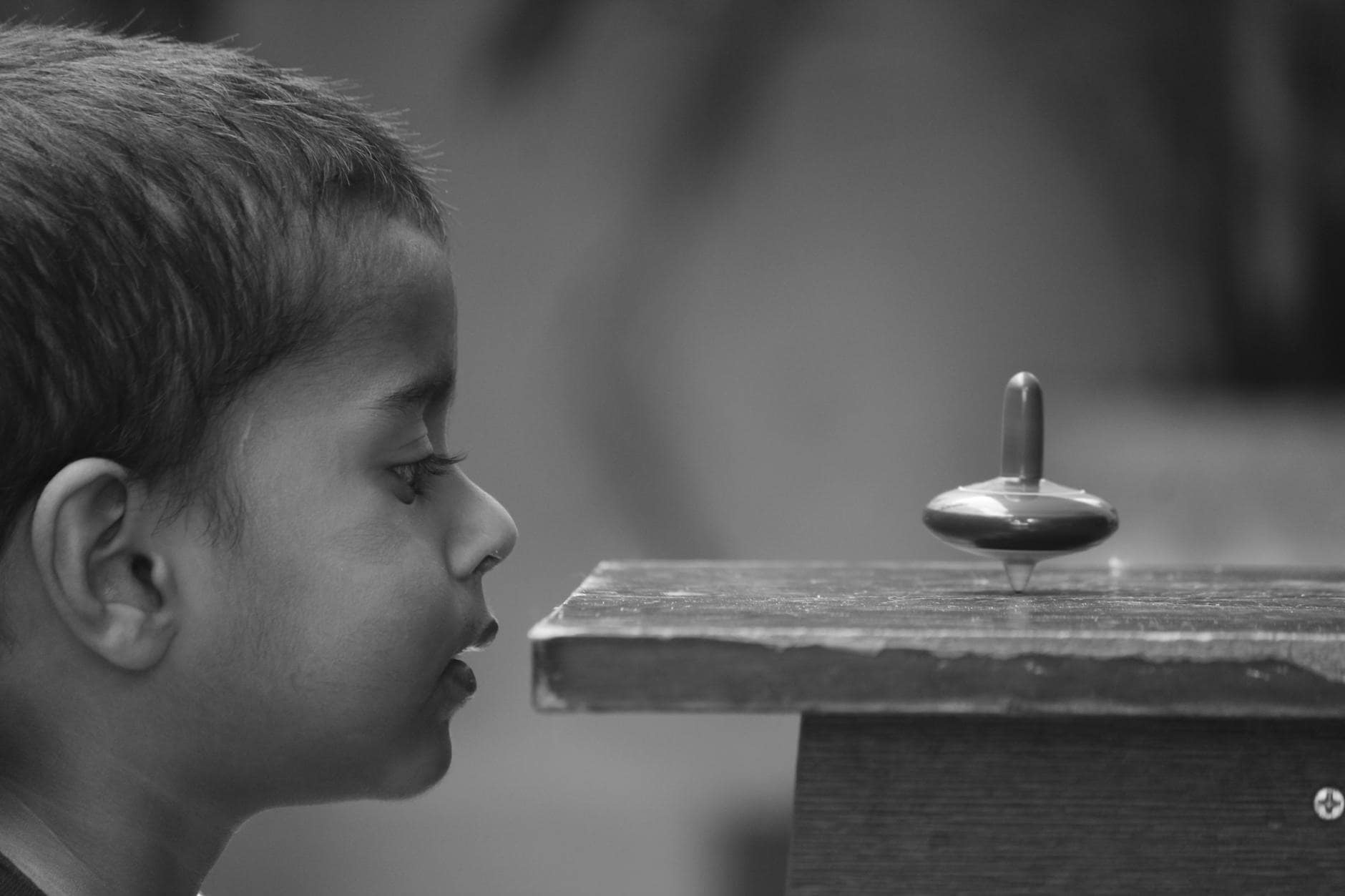
Nobel laureate Daniel Kahneman’s work on the “peak-end rule” helps explain this. His research found that people (children included) remember experiences not as an average of how they felt throughout, but based primarily on the emotional peak and how the experience ended.
This means a theme park day that included two hours of waiting in a sun-soaked line, a moment of genuine wonder at the parade, and then a meltdown over ice cream in the parking lot is likely to be remembered primarily through the lens of that final meltdown.
Parents optimize for the peak. Children encode the end. And often the most powerful emotional peaks for children are not the engineered ones — they are accidental, unplanned, and cheap.
Researchers at Emory University studying family narratives found that children who were regularly invited to co-tell stories about shared experiences had stronger, more accurate memories of those experiences than children whose parents simply retold the story to them. The act of a child narrating their own version of what happened — even imperfectly — is what consolidates the memory.
What Actually Gets Encoded: Sensory Details and Emotional Safety
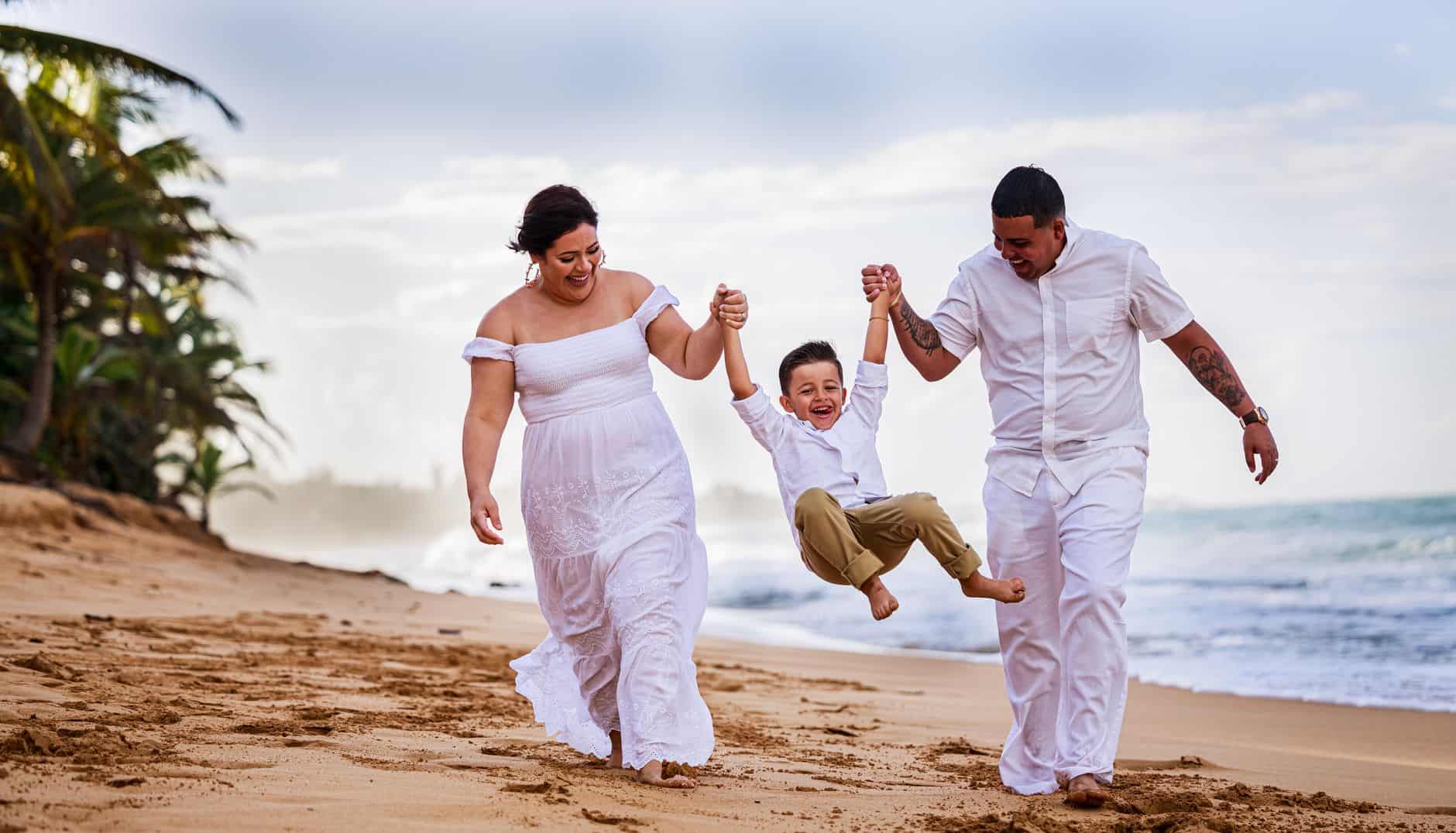
Ask a group of adults what they remember from childhood family vacations and the answers cluster around a specific category: sensory detail attached to emotional safety.
The smell of sunscreen at a particular beach. The feeling of a specific sleeping bag. A late-night drive where the radio played something unfamiliar. A meal eaten somewhere unexpected — a roadside stand, a stranger’s kitchen, a diner at midnight. The texture of sand between toes. A parent laughing in a way children rarely heard at home.
What these memories share is not grandeur. They share the quality of sensory specificity combined with parental relaxation. Children are acutely attuned to adult stress. When parents are anxious, rushing, managing logistics, or arguing about directions, children encode the emotional texture of that stress far more reliably than they encode the landmark being photographed.
Conversely, when parents are genuinely relaxed — the kind of relaxed that only happens on certain trips, in certain moments — children encode that quality of attention as deeply positive. Some adults describe specific memories of a parent being “fully present” in a way that was unusual, and those memories are often the most durable of the entire vacation.
The Vacation Fights Nobody Talks About
Every family travel article describes tips for keeping kids entertained on long flights. Almost none of them discuss what happens to children’s memories when the vacation includes conflict between parents.
Research on family systems and stress is consistent: children encode parental conflict with unusual clarity and emotional weight. A vacation fight between parents — over money, logistics, directions, or the general pressure-cooker of travel — can become one of a child’s most vivid vacation memories, sometimes the only clear one.
Several adults interviewed for travel research projects have described their “most memorable” family vacation as a trip that, on paper, should have been wonderful. A beach house. A national park. A cruise. What they actually remembered was a specific argument, a specific silence at the dinner table, a specific moment where one parent left the room.
This is not an indictment of parents. Travel is stressful. The point is that children’s memory systems are calibrated for emotional salience, not itinerary quality. A calm, low-budget camping trip where parents were relaxed and present may produce more durable, positive memories than an expensive international trip marred by adult stress.
What Teens Remember Versus What Young Kids Remember
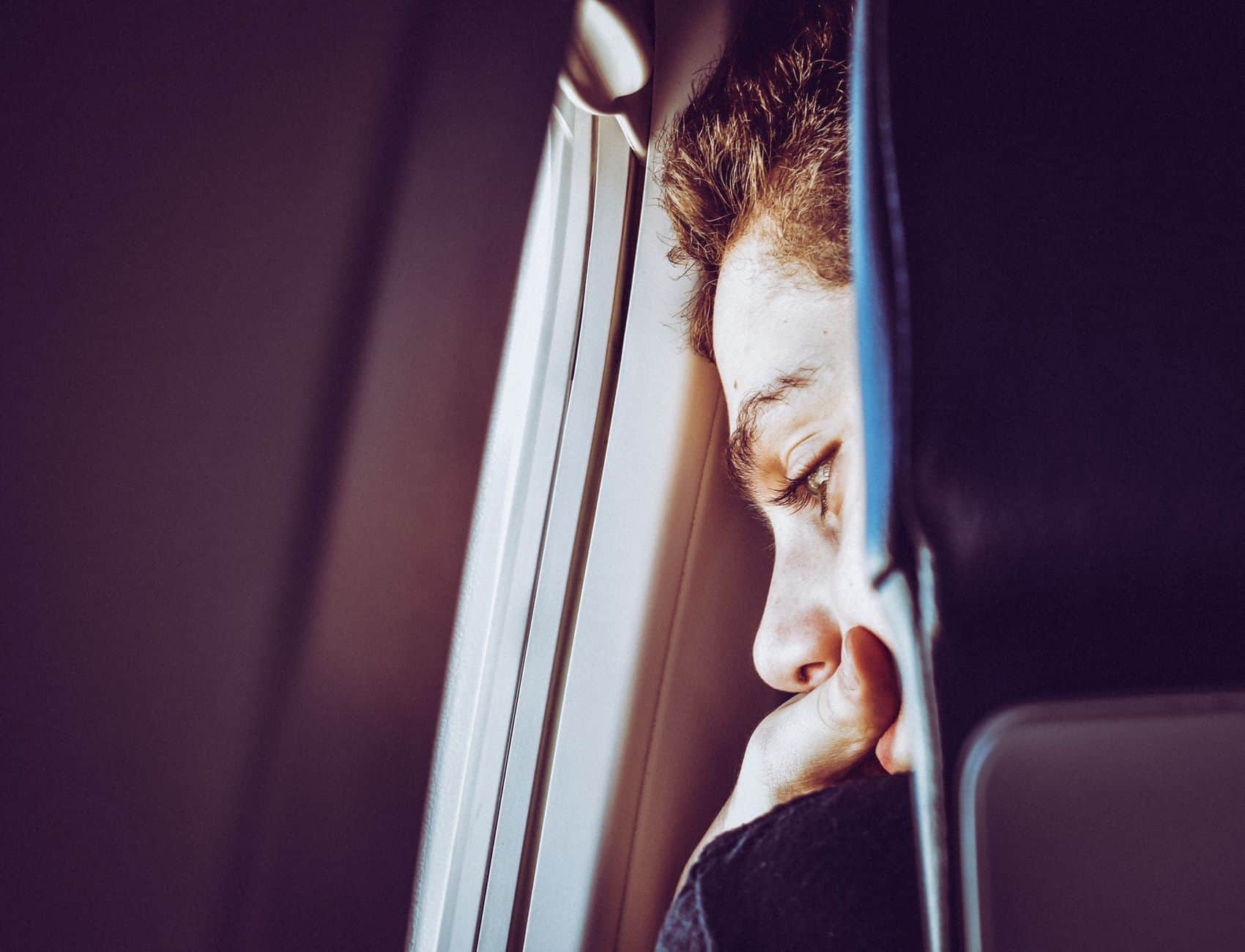
The calculus shifts significantly once children reach adolescence. By around age ten or eleven, the hippocampus has matured enough that episodic memory encoding functions more like an adult’s. Teenagers form detailed, reliable memories of travel experiences — but what they encode reflects their developmental priorities, which are social and identity-oriented.
For teenagers, the most memorable travel moments tend to involve independence. Being allowed to navigate a foreign city alone. Eating something the parents wouldn’t try. Meeting other young people. Seeing something that expanded their sense of what the world contained.
Teens remember being trusted. They remember moments of genuine autonomy. They remember conversations with parents that happened outside of the normal home dynamic — the kind that only seem to occur when people are slightly displaced, slightly uncomfortable, slightly away from their routines.
Parents who took teenagers to culturally rich destinations and then shepherded them through every museum and meal often find, years later, that their children remember almost nothing specific. Parents who gave teenagers an afternoon to wander alone in a foreign city often hear about that afternoon for decades.
The Cheap Moments That Outlast the Expensive Ones

The pattern that emerges from childhood memory research, adult retrospective interviews, and family narrative studies is consistent and slightly humbling for anyone who has stretched a budget to engineer a perfect trip:
The cheap moments outlast the expensive ones, almost every time.
A gas station in the middle of nowhere where the family bought terrible coffee and stood in the parking lot watching an unexpected sunset. A rainy afternoon when the museum was too crowded and the family ended up in a bookshop for two hours. A hotel pool at ten o’clock at night. A wrong turn that led somewhere interesting.
These moments share several characteristics: they were unplanned, they required parental flexibility and good humor, they were sensory and specific, and they occurred outside the logistical machinery of the trip. Nobody was checking a list. Nobody was optimizing.
One researcher who studied family vacation memory described it this way: children don’t remember the trip, they remember the moments when the trip stopped being a trip and became just life somewhere else.
How to Travel With Kids When You Know This

None of this means expensive or ambitious family travel is a waste. International travel exposes children to difference, to other languages, to the physical fact that the world is large and varied. That exposure has real developmental value even when it doesn’t encode as clear episodic memory.
But the research does suggest several practical adjustments:
- Build unstructured time into every trip. Not every hour needs to be optimized for experience delivery. Wandering is memory-generating in ways that scheduled activities often aren’t.
- Let children narrate. Ask them at dinner what they noticed, what surprised them, what they’d want to do again. The act of storytelling consolidates memory.
- Manage your own stress visibly. Modeling genuine enjoyment — not performed enthusiasm, but actual relaxed pleasure — is one of the most powerful things a parent can do for a child’s vacation memory.
- Pay attention to sensory specifics. The meal, the smell, the particular light. These are the anchors that memory attaches to.
- For children under six, scale your budget expectations accordingly. The trip is for you as much as for them. There’s nothing wrong with that.
What Parents Wish They Had Done Differently

In dozens of anecdotal accounts from parents reflecting on family travel, a few regrets surface repeatedly.
Many wish they had taken more low-key trips instead of concentrating the budget into single expensive ones. A series of regional road trips, they found, produced more collective memory and family narrative than one international blowout.
Some wish they had spent less time documenting and more time participating. The parent who spends thirty minutes photographing a moment is not in the moment — and children notice that absence.
Others wish they had asked their children, in the moment and afterward, what they were actually experiencing — rather than assuming the programmed peak was landing as intended.
Travel with children is not primarily about the destination. It turns out it never was. The research just confirms what some parents figured out the hard way: the most lasting thing you can give a child on a trip is your relaxed, undivided, unhurried attention. That’s the thing that gets remembered. The Eiffel Tower is a bonus.