The American Cities Locals Are Actually Leaving — and What Nonstop Tourism Has Done to Them
We may earn money or products from the companies mentioned in this post. This means if you click on the link and purchase the item, I will receive a small commission at no extra cost to you ... you're just helping re-supply our family's travel fund.
This article contains affiliate links. We may earn a commission if you book through our links, at no extra cost to you.
There is a version of tourism that benefits a city. Visitors spend money at local restaurants, fill hotel rooms, fund museums. The city absorbs the traffic and the infrastructure strain, deposits some revenue, and the visitors go home. The city remains itself.
Then there is another version. The version where the visitors never fully leave — because a critical mass of them decided to become short-term rental landlords, and another critical mass decided to move in permanently after falling in love with the place, and another critical mass drives through every weekend in party buses. This version changes the city. And when it changes enough, the people who made the city what it was start doing math on whether it’s still worth staying.
The Tipping Point Nobody Announces
The tipping point from “tourism enriches the city” to “tourism is replacing the city” doesn’t come with a press release. It arrives gradually, then all at once — a phrase that applies to more urban transformations than almost any other.
The signal is rarely the tourists themselves. It’s the infrastructure that builds up around them. A second tourist gift shop opens on a street that used to have a hardware store. Then a third. The hardware store doesn’t come back. The lunch counter that served working people at eleven in the morning shifts its hours and its menu to catch the brunch crowd. The neighborhood bar that played local music on weeknights starts booking cover bands because the bachelorette groups tip better.
At some point, a long-term resident goes to run errands and realizes there is nowhere within walking distance to run errands anymore. Every storefront is aimed at someone who arrived yesterday and leaves Sunday.
That’s the tipping point. It doesn’t make the news. The resident just starts looking at Zillow in a different city.
Nashville: The Honky-Tonk City Without Locals
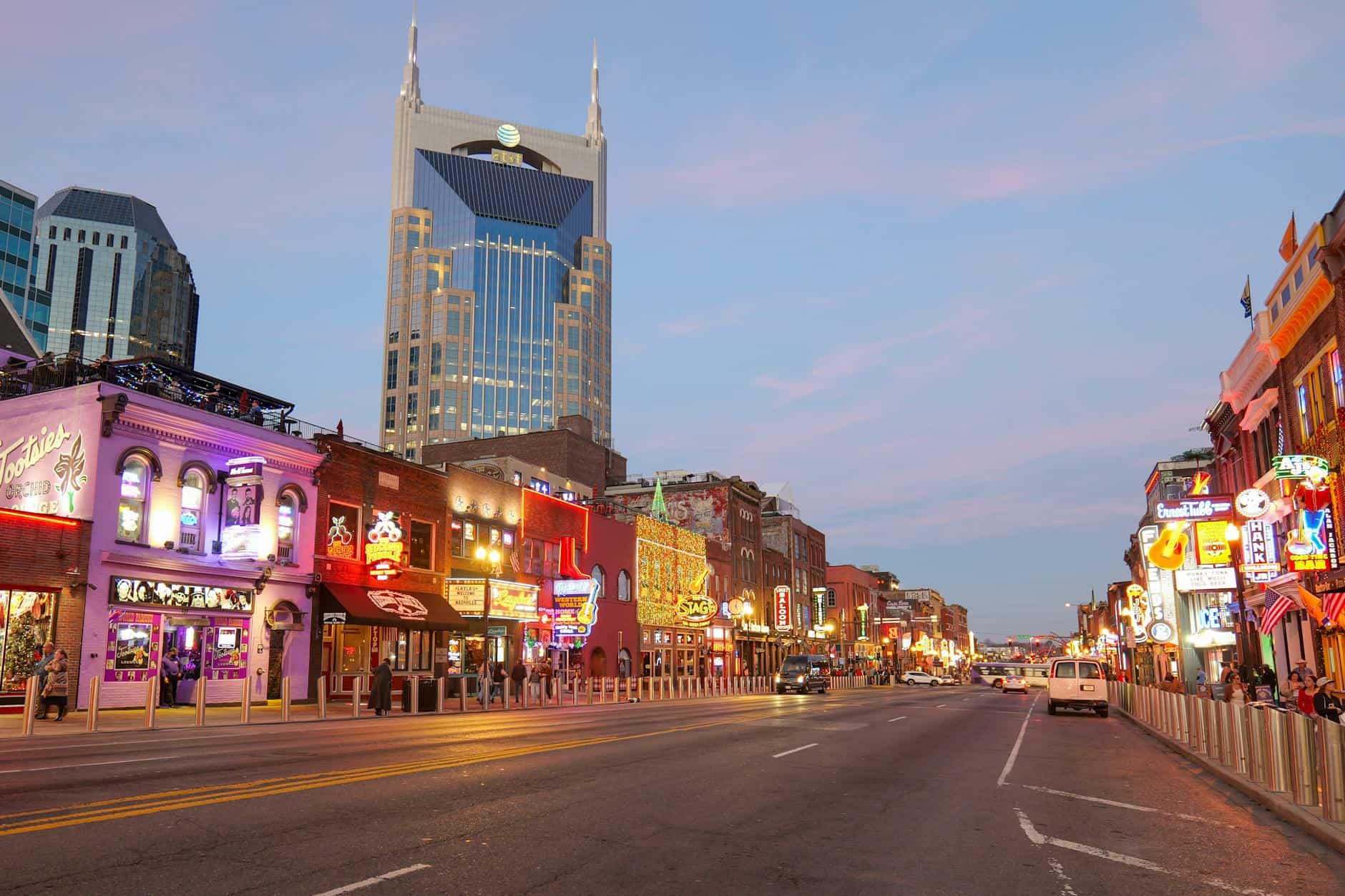
Nashville is the most discussed example, and for good reason. In roughly a decade, the city went from an underrated mid-sized Southern city with a genuine music culture to one of the most visited cities in the United States — and the transformation is legible at street level in a way that’s hard to miss.
The famous stretch of Lower Broadway is now almost entirely designed for visitors. The bars are enormous, multi-story operations that book loud cover bands and charge for the right to stand near a stage. The drinks are expensive. The crowd, on any given weekend, is largely composed of groups wearing custom T-shirts for events that have nothing to do with Nashville.
Long-term Nashville residents — people who grew up going to the smaller, older honky-tonks on that same street — have largely stopped going to Lower Broadway. Not because they were priced out (cover charges and drink prices have risen, but not catastrophically), but because the social ecosystem that made the bars enjoyable has been replaced. The regulars don’t go. When the regulars don’t go, the culture that attracted visitors in the first place stops being produced.
The neighborhood ripple effects are broader. East Nashville, Germantown, and 12 South — all once known as genuinely local neighborhoods — have undergone versions of the same transformation at different speeds. Longtime residents describe a city that is performing its former self for an audience that never knew the original.
Savannah’s Ghost Town Problem
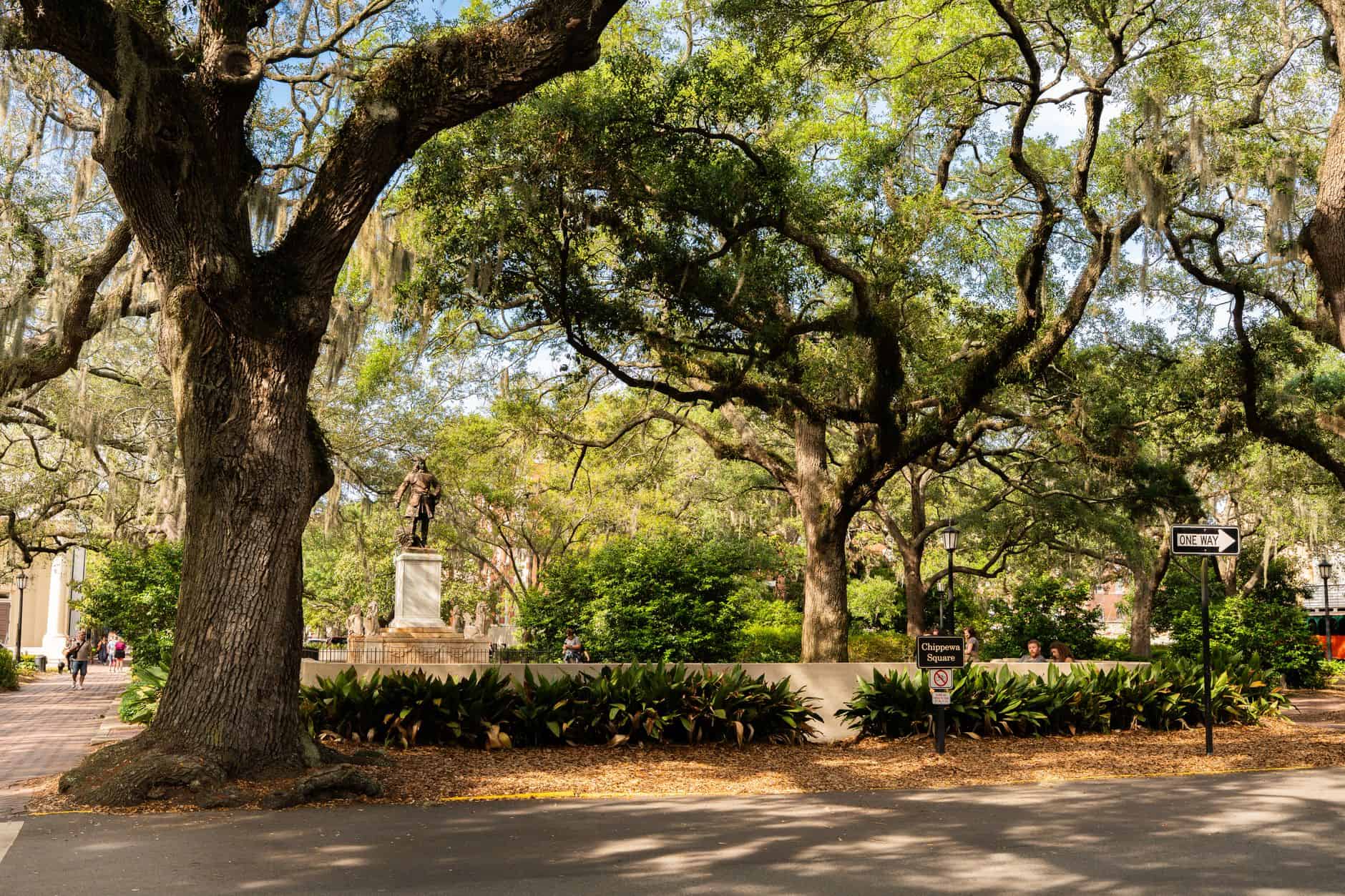
Savannah, Georgia presents a different version of the same dynamic. The city’s historic district — the famous squares, the antebellum architecture, the Spanish moss and cobblestone — has become one of the most photographed urban environments in the American South. Tourism has exploded.
What’s happened to the residential fabric of that historic district is a more complicated story. Short-term rentals have converted a significant percentage of housing stock in the most desirable neighborhoods. The squares that were once surrounded by occupied homes are now largely surrounded by Airbnbs and vacation rentals — lovely to look at, empty most mornings.
Savannah locals who live adjacent to the tourist corridor describe a neighborhood that functions like a stage set: visually intact, architecturally preserved, and almost entirely depopulated of the permanent residents who give a neighborhood its daily life. The corner store that served residents has been replaced by a ghost tour company. The lunch spot that opened at seven for the working breakfast crowd has been replaced by a cocktail bar that opens at noon.
Savannah is far from abandoned — it has a large permanent population in its non-historic neighborhoods. But the physical heart of the city that visitors come to see has been hollowed of daily residential life in a way that residents find increasingly alienating.
What Austin Lost When It Won
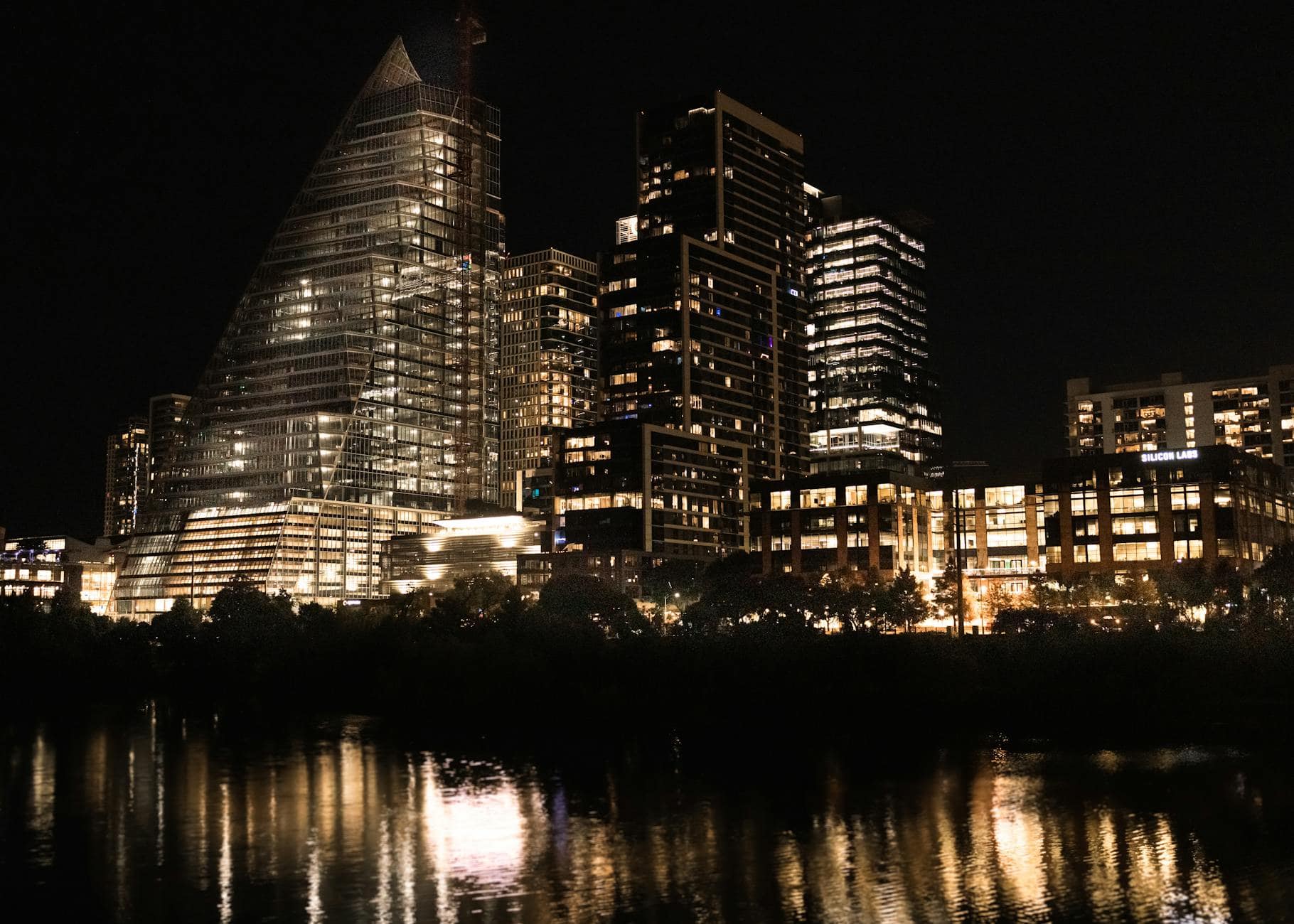
Austin’s transformation is well-documented because it happened quickly and loudly. The city marketed itself aggressively as a counterculture tech hub, which attracted both an industry and an aesthetic. Then both the industry and the aesthetic became the dominant identity of a city that had previously been defined by its resistance to dominant identities.
The music scene that made Austin famous is still technically present. South by Southwest still happens. The venues still exist. But the musicians who made the Austin scene are increasingly priced out of living in Austin. The bartenders, sound engineers, record store workers, and venue staff who constitute the ecosystem around music culture are commuting in from thirty miles away or leaving altogether.
What remains is the tourism product built around a culture that is increasingly absent. Visitors come to experience the Austin they read about — funky, weird, music-soaked, counterintuitive. What they find is a city with extremely good food, significant traffic, rapidly rising prices, and a service economy staffed largely by people who can no longer afford to live where they work.
The bumper sticker that says “Keep Austin Weird” now appears most often in souvenir shops.
The Bachelorette Economy and What It Costs

The bachelorette party has become its own economic sector, and certain cities have become its capitals: Nashville, Scottsdale, Charleston, New Orleans, Savannah. These cities now host thousands of bachelorette weekends every year, generating significant hospitality revenue and equally significant local resentment.
The economics are revealing. Bachelorette groups — typically ten to fifteen women for a weekend — spend heavily on alcohol, accommodations, and experiences, and comparatively little on the things that support local economies long-term: independent restaurants, local retailers, cultural institutions. The spending concentrates in a narrow band of venues optimized specifically for the format.
More importantly, the presence of a dominant bachelorette economy reshapes the character of public space in ways that many residents find hostile to normal city life. Weekends in certain Nashville neighborhoods are effectively controlled by large, loud, coordinated groups. The streets become a kind of open-air venue for an event that has nothing to do with the city.
Residents in affected neighborhoods describe adjusting their schedules to avoid downtown on weekends entirely. They describe feeling like guests in their own city. Some describe that feeling as the one that finally moved them toward the exit.
How Housing Becomes Unaffordable When Visitors Pay More Than Residents
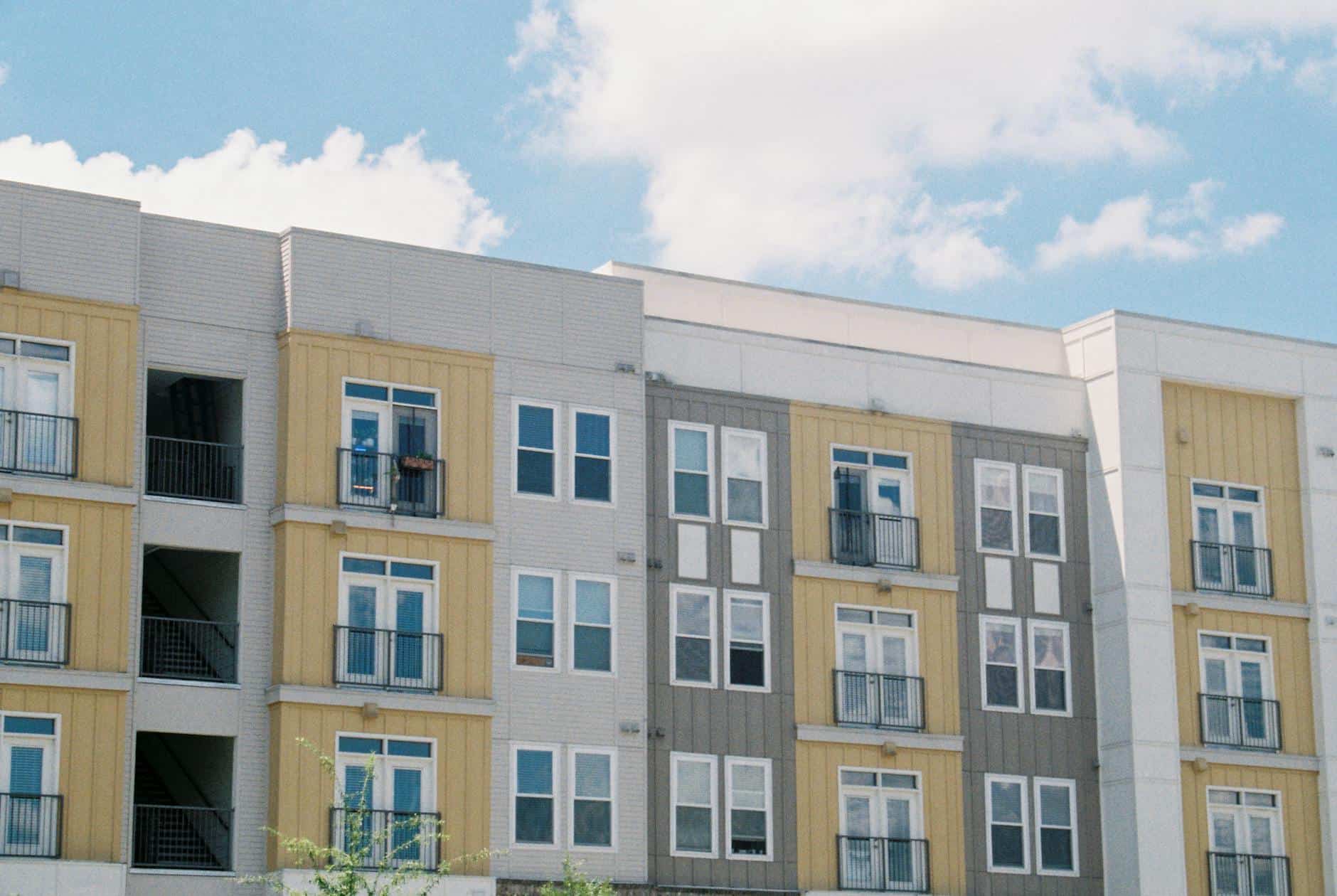
The mechanism by which tourism drives out residents is not primarily cultural — it’s financial. Short-term rental platforms allow property owners to earn significantly more from a unit rented nightly to visitors than from a unit rented monthly to a resident. In highly visited markets, this math can be overwhelming.
The effect on housing supply is direct. Units that could house long-term residents are converted to short-term rentals. Supply tightens. Prices rise. Workers in the tourism economy — the people who staff the hotels and restaurants that visitors use — can no longer afford to live near where they work.
This creates a city that is simultaneously dependent on its service workforce and structurally organized to expel that workforce. Cities in this condition are not sustainable. The people required to produce the experience that visitors pay for cannot live in the place they’re producing it.
Several American cities are at or past this inflection point. The housing economics make the residential math unworkable for large categories of residents — teachers, healthcare workers, restaurant staff, musicians, artists — who have historically defined the character of the places that tourism is now selling.
The Businesses That Leave When Locals Leave
The business ecology of a city that has crossed the tourism tipping point shifts in ways that are easy to observe and hard to reverse. Local-serving businesses — hardware stores, dry cleaners, neighborhood groceries, lunch counters, community banks — require a critical mass of permanent residents to survive. When the residential density of a neighborhood falls below that threshold, these businesses close.
They are replaced by businesses calibrated for visitors: souvenir shops, tour operators, Instagram-optimized restaurants, cocktail bars with themes. These businesses are profitable under the new conditions. They are also, almost by definition, not interesting to the people who live there.
The resulting commercial environment is one that long-term residents find alienating and visitors find delightful — for about two visits. On the third visit, the novelty has worn off enough that the thinness of the commercial culture becomes apparent. There is nothing to discover because everything is aimed at the act of arriving.
What Gets Left Behind
Not everyone leaves. Cities in this condition retain populations — often populations that were there before the transformation, that own property and therefore have a financial stake in staying, and that have developed complex strategies for living alongside but not within the tourist infrastructure.
They shop in different neighborhoods. They eat at restaurants that haven’t been discovered yet. They go out at times the tourists don’t go out. They have an intimate knowledge of the backstage of their own city — the streets that don’t appear in any travel article, the bars that don’t have Instagram presences, the parks that are too quiet to be worth photographing.
This is not a comfortable life. It’s a city relationship defined largely by avoidance. But it is the relationship that many long-term residents of Nashville, Savannah, Austin, and similar cities now describe — a love for what the city was, a grief for what it is becoming, and a daily navigation of the distance between the two.