Americans Who Got Seriously Ill Abroad: What the Medical Evacuation Process Actually Looks Like
We may earn money or products from the companies mentioned in this post. This means if you click on the link and purchase the item, I will receive a small commission at no extra cost to you ... you're just helping re-supply our family's travel fund.
This article contains affiliate links. If you book travel through our links, we may earn a commission at no extra cost to you.
For most international travelers, medical emergency planning consists of packing a first aid kit and knowing the word for “hospital” in the local language. The category of emergency that requires a medical evacuation — a coordinated air transport from a foreign country to a facility capable of adequate care — is something that most travelers have never thought about concretely until it’s happening to someone they know.
Approximately 50,000 Americans require medical evacuation from abroad each year, according to the International Association of Medical Assistance to Travellers. The process is complicated, expensive, and full of decision points that are difficult to navigate from a hospital bed in a country where you don’t speak the language.
The First Few Hours: Local Emergency Care and What It Actually Looks Like

The first medical contact for a seriously ill or injured traveler is almost always a local hospital or clinic. In developed destinations — Western Europe, Japan, Australia, Canada — local emergency care quality is generally high and the question of evacuation may not arise for routine serious conditions.
In destinations where local hospital infrastructure is limited — rural areas of developing countries, remote resort enclaves, popular backpacker destinations where tourist volume exceeds medical infrastructure — the first hospital visit is often where a family member or travel companion confronts the question of whether local care is adequate.
American travelers who have been through medical emergencies abroad describe a consistent pattern in the first hours: the local hospital addresses immediate life-threatening conditions competently, but follow-on care — surgery, ICU monitoring, specialist consultation — may be limited. A traveler who sustains a severe head injury in a remote part of Indonesia may receive adequate immediate stabilization at a local facility but be told that neurosurgical capability requires transport to Bali or Jakarta.
When the Local Hospital Is Not Enough: The Evacuation Decision
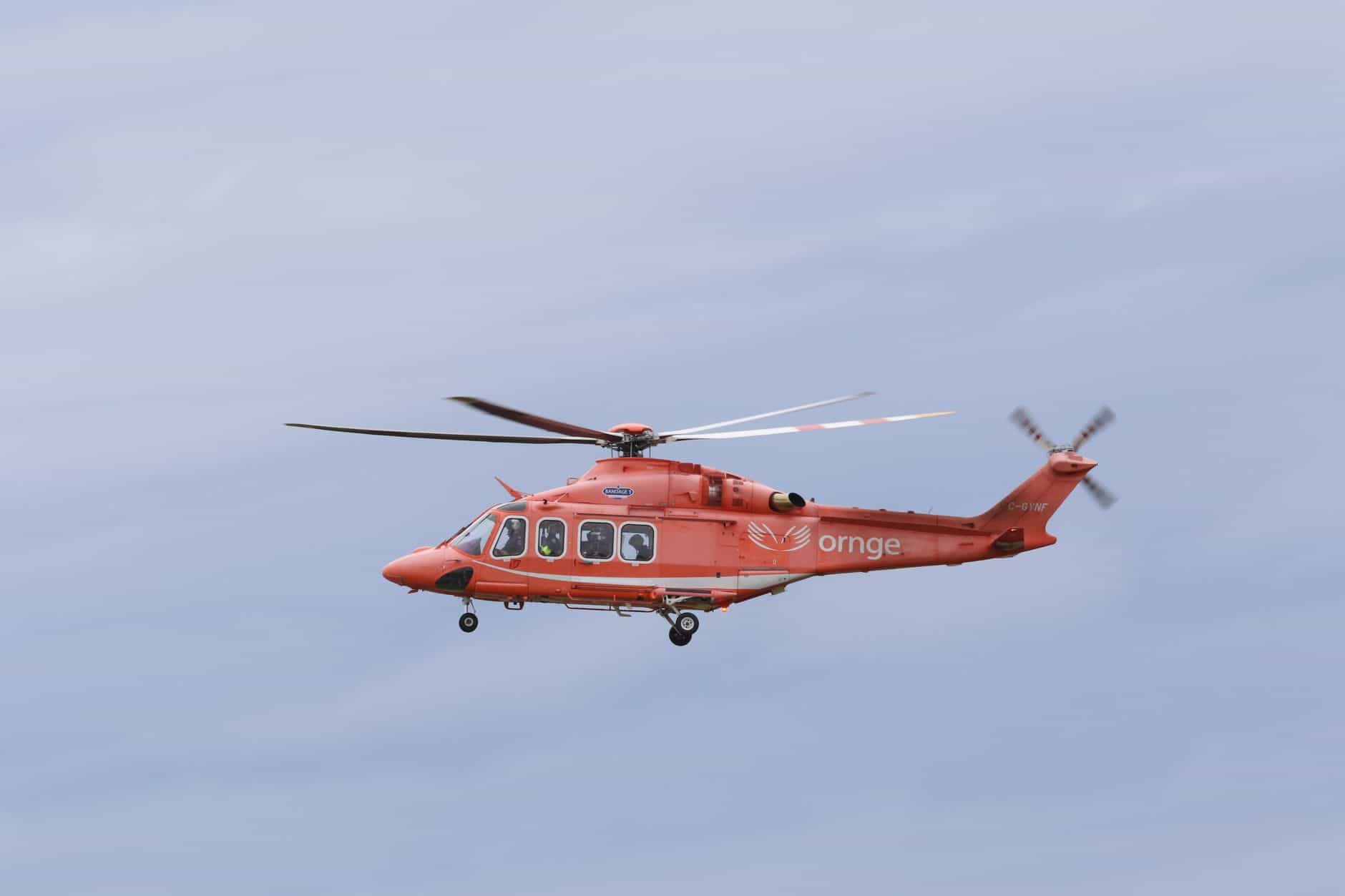
The evacuation decision is made by a combination of the treating local physician, the patient or family, the insurance company’s medical director, and the air ambulance company’s dispatchers. These parties do not always agree, and the coordination happens in real time while the patient’s condition evolves.
Medical evacuation companies maintain 24-hour operations centers staffed by physicians and logistics coordinators. When a member calls with an emergency, the operations center contacts the treating facility, reviews the medical record, and makes a recommendation on whether evacuation is medically indicated.
Insurance companies’ medical authorization desks run in parallel. The insurer’s medical director must authorize the evacuation before the air ambulance is dispatched in most cases — a delay of hours that family members in crisis situations describe as among the most stressful elements of the entire experience. Companies including MedJet Assist and Global Rescue operate on a membership model specifically because it eliminates the authorization delay — members are transported without case-by-case approval.
What Air Ambulance Companies Actually Do and What They Cost
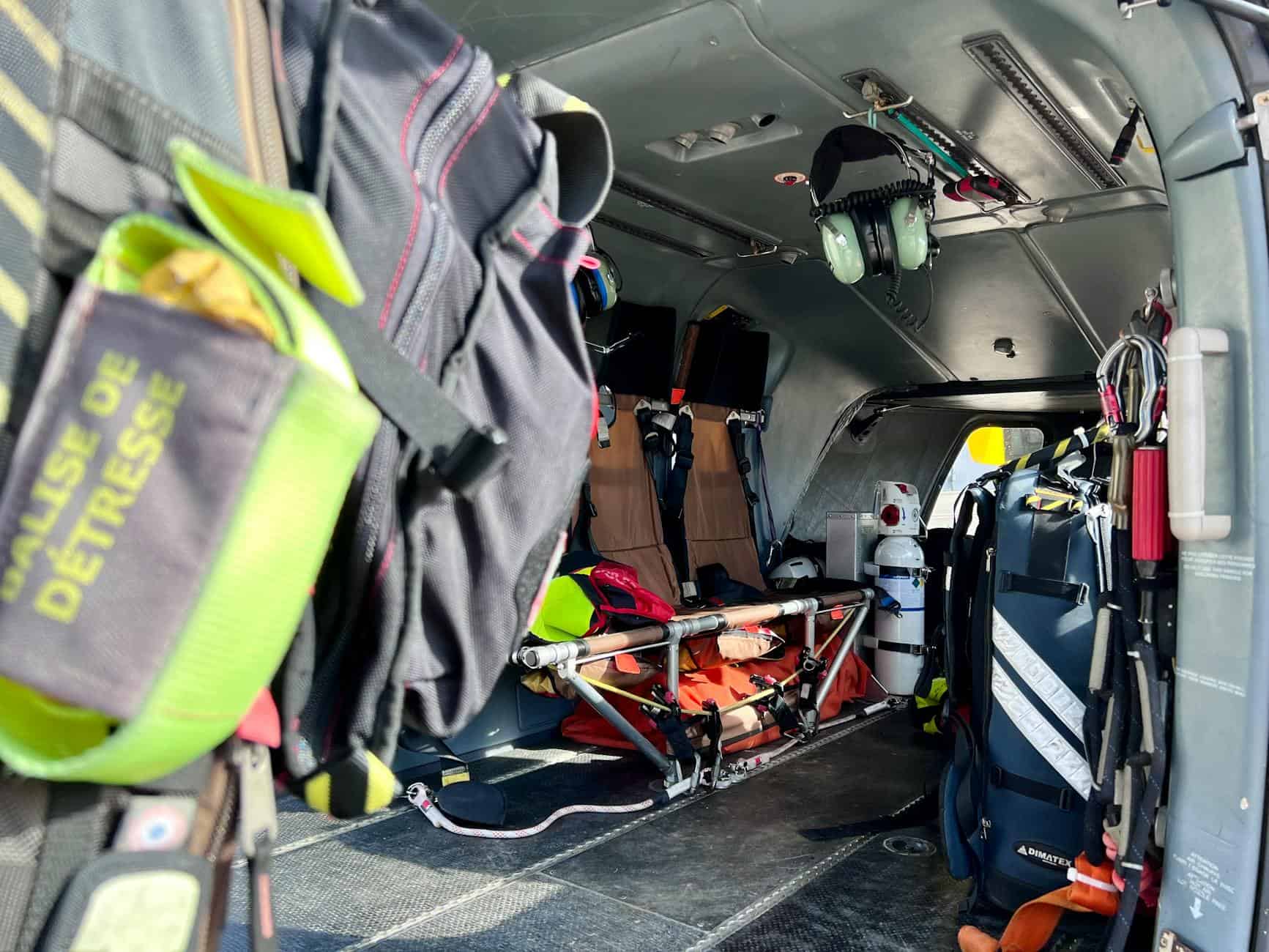
Air ambulances are specialized aircraft — typically turboprop planes or jets — configured as flying ICUs with oxygen systems, ventilators, cardiac monitoring, and medications. They are staffed with flight nurses or paramedics and often a flight physician for critical cases.
The cost of an international medical evacuation by air ambulance ranges from approximately $50,000 for a short-haul evacuation within the same region to $250,000 or more for a transcontinental flight from Southeast Asia or South America to the United States. The hourly flight cost, aircraft configuration, medical staff, fuel, and landing fees all contribute.
For evacuations from remote locations requiring a ground ambulance to reach an airport, helicopter transfer, and then fixed-wing transport, the logistics chain can involve three to five separate operators and coordination across multiple countries’ aviation authorities. Patients have described lying in foreign hospitals for 24–72 hours while their insurance company and an air ambulance operator coordinated airspace permissions for the return flight.
Travel Insurance vs. Medical Evacuation Insurance: The Crucial Difference

Most travel insurance policies include emergency medical evacuation coverage — but the coverage terms create gaps that are not obvious until you need to file a claim. Standard travel insurance evacuation coverage typically requires that the evacuation be “medically necessary” as determined by the insurance company’s medical director, and it typically covers transport to the “nearest adequate facility” rather than transport to the United States.
The nearest-adequate-facility clause is the source of more disputes than any other element of medical evacuation coverage. A traveler injured in Thailand who wants to be transported home to New York for recovery near family will often find that their standard travel insurance considers a Bangkok hospital an adequate facility — and therefore will not authorize the $180,000 intercontinental flight.
Dedicated medical evacuation memberships from companies like MedJet Assist, Global Rescue, and AXA Assistance operate differently: members pay an annual fee (approximately $250–$350 per person for MedJet, $329–$499 for Global Rescue) and are guaranteed transport to a hospital of their choice in their home country, without a “nearest adequate facility” restriction. This distinction is the most important thing most travelers don’t know about medical evacuation coverage.
The U.S. Embassy’s Role — What They Will and Won’t Do

The U.S. Embassy is a common reference point for Americans in overseas emergencies, and many travelers overestimate what consular services can provide in a medical crisis. The State Department’s official guidance is clear: consular officers can provide a list of local medical providers, contact family members in the United States on a traveler’s behalf, help with emergency passport replacement, and assist with transferring funds from family — but they cannot pay for medical care, arrange medical evacuations, or intervene in treatment decisions.
The embassy’s American Citizens Services unit (ACS) can be an important coordination resource. ACS officers have experience navigating local hospital bureaucracies, can communicate with local authorities on a traveler’s behalf, and can provide referrals to local attorneys or translators if needed. Their role is liaison, not direct assistance.
For travelers who have not registered with the Smart Traveler Enrollment Program (STEP) before departure, the embassy may not know to contact them in a crisis or may have difficulty locating next-of-kin information. STEP registration is free and takes five minutes — it is the one piece of pre-trip preparation that emergency responders and consular officers most consistently recommend.
Case Studies: What Americans Who’ve Been Through It Actually Experienced

A Texas family whose teenager sustained a spinal injury in a surfing accident in Costa Rica described a 96-hour process from the accident to repatriation. The local hospital in the Pacific coast surf town stabilized the patient; the family’s standard travel insurance covered evacuation to San José but declined the flight to Houston because the San José facility was “medically adequate.” The family paid $127,000 out of pocket for the Houston evacuation and spent three years in a coverage dispute with their insurer.
A Florida retiree who had a stroke in Chiang Mai, Thailand had a Global Rescue membership and described a dramatically different experience. The membership’s operations center took over coordination within two hours of the call, and the patient was on a medical flight to Bangkok — and then a commercial medical escort flight to Miami — within 36 hours of the stroke. The total cost was covered by the membership fee and the evacuation supplement on a travel health insurance policy.
The difference between the two outcomes was not fundamentally about luck or the severity of the medical situation. It was about pre-trip preparation and the specific terms of the coverage in place.
The Specific Medical Situations Most Likely to Require Evacuation

Medical evacuation from abroad is most commonly required in specific categories: cardiac events requiring interventional cardiology or cardiac surgery, traumatic injuries requiring neurosurgery or complex orthopedic procedures, stroke requiring specialized neurological care, tropical disease complications requiring infectious disease specialists not available locally, and premature birth requiring neonatal intensive care.
Adventure travel substantially increases evacuation probability. Travelers who hike, dive, surf, ski, or engage in other high-injury-risk activities in remote or developing-world destinations are the core market for dedicated evacuation memberships. Dive-related decompression illness requiring hyperbaric treatment is a specific category where evacuation decisions must be made quickly and where chamber availability is highly geographically variable.
Cruise ship medical evacuations represent a distinct sub-category. Cruise ships have shipboard medical facilities, but they are triage-level rather than definitive care settings. Medical evacuations by helicopter from cruise ships to coastal facilities, followed by air transport to home countries, have been reported extensively in travel medicine literature. Cruise passengers who do not carry supplemental evacuation insurance are at significant financial risk.
How to Set Up Coverage Before You Leave

The recommended coverage structure for international travelers, based on guidance from travel medicine physicians and consumer insurance analysts: a comprehensive travel health insurance policy that covers emergency medical care abroad (with a minimum of $500,000 in medical coverage for any destination outside Western Europe), paired with a dedicated evacuation membership from MedJet Assist or Global Rescue if the traveler is visiting remote locations or countries with limited medical infrastructure.
For travelers with premium travel credit cards, some cards include medical evacuation coverage as a benefit. The Chase Sapphire Reserve includes emergency evacuation and transportation coverage up to $100,000. This is a supplement, not a replacement, for dedicated coverage — the terms and authorization process differ from membership-based products.
The pre-trip setup that takes the least time and provides the most clarity: purchase a travel health policy through a comparison site (InsureMyTrip or SquareMouth are the most comprehensive), add a MedJet Assist annual membership if traveling frequently or to high-risk destinations, register with STEP, and share your coverage documentation and policy numbers with a family member at home who can coordinate on your behalf if you’re incapacitated.