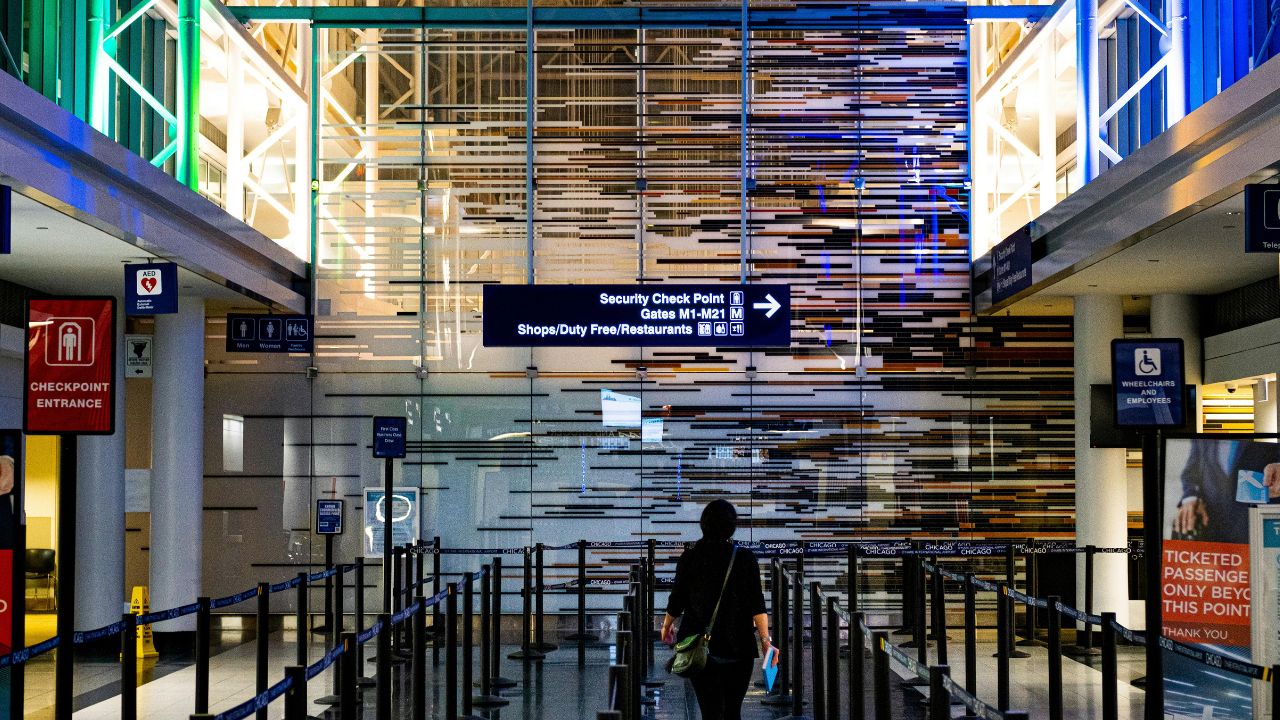
Americans Who Moved Abroad and Came Back: The Reverse Culture Shock Nobody Prepares You For
We may earn money or products from the companies mentioned in this post. This means if you click on the link and purchase the item, I will receive a small commission at no extra cost to you ... you're just helping re-supply our family's travel fund.
Every year, hundreds of Americans pack up and move abroad. The blogs, the YouTube channels, the Instagram accounts follow them to their new life in Lisbon or Medellín or Chiang Mai. They document the language learning, the bureaucratic nightmares, the food revelations, the slower pace of life. The content is compelling because it’s genuinely compelling — living abroad changes people.
What the internet documents far less is what happens when they come back.
Reverse culture shock — the disorientation of returning to your home country after significant time abroad — is documented in psychology literature, studied by international organizations that manage expat employees, and experienced by virtually every long-term expat who returns home. And it is, by nearly all accounts, harder than the original move.
The Myth of the Easy Return
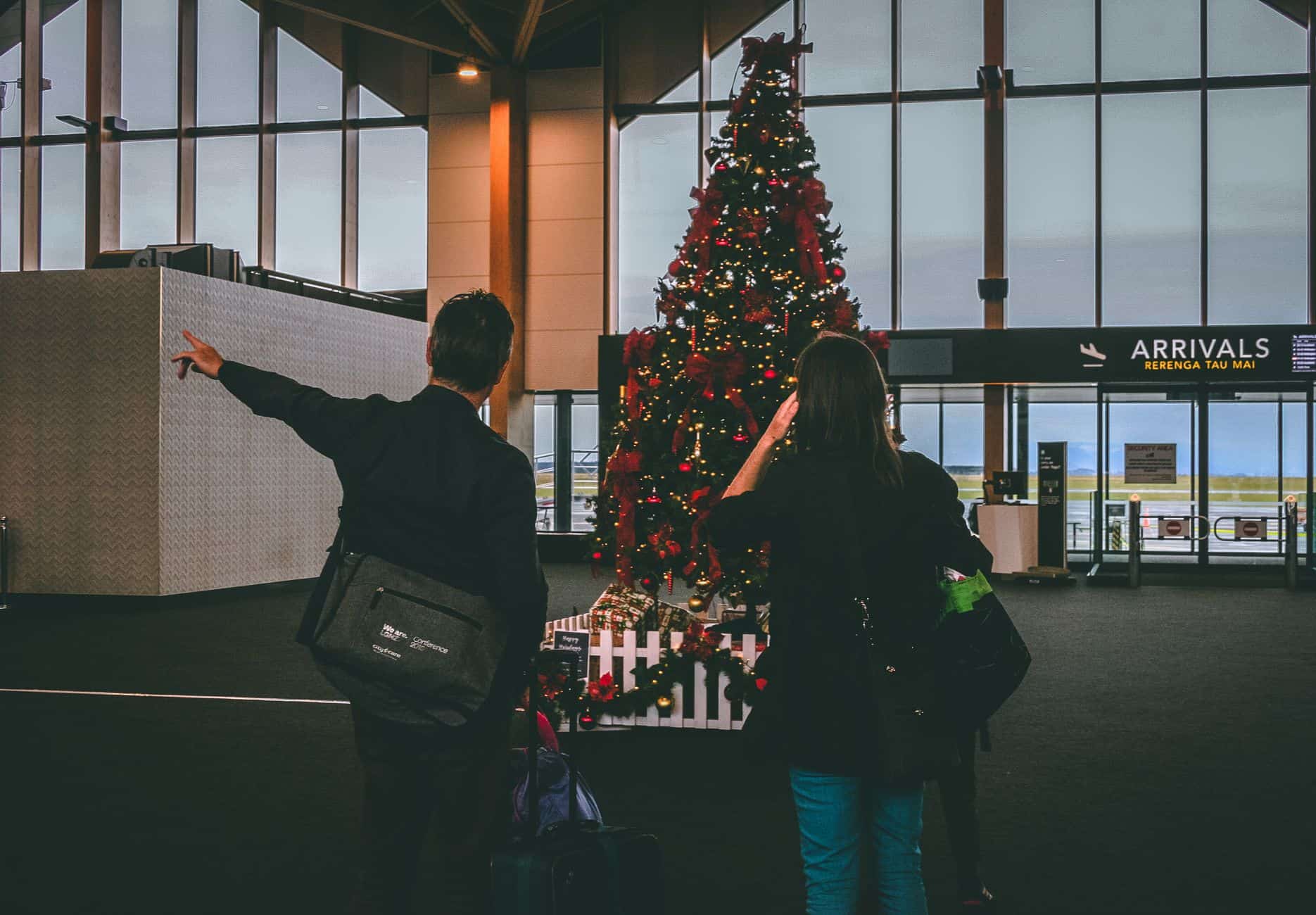
Before you go abroad, you expect it to be difficult. You expect language barriers, different customs, unfamiliar food, navigating foreign bureaucracy. You psychologically prepare for challenge.
When you come home, there’s no preparation phase. You’re supposed to already know this place. You grew up here. You speak the language. How hard could it be?
This assumption is what makes reverse culture shock so destabilizing. The difficulty is invisible — to you and to everyone around you. Your friends and family expect you to slide back in seamlessly. You expect to slide back in seamlessly. When it turns out you can’t, the gap between expectation and reality is jarring in a way that moving abroad never was.
Psychologists who work with repatriates describe a consistent pattern: returnees often experience more depression, anxiety, and identity confusion in the six months after returning home than they did in the six months after moving abroad.
What Actually Hits You First

The first few days back are usually fine — there’s novelty in return, familiarity that’s comforting, people you missed. Then the strangeness starts.
People who’ve spent time in Europe often report the same first shock: the noise. American public spaces — restaurants, stores, airports, streets — are significantly louder than most of the countries they lived in. The volume of the TV at a casual dinner, the music in a coffee shop, the baseline decibel level of a normal restaurant conversation. After two years of Italian lunches where people talked at a normal indoor voice, an American Applebee’s can feel like an assault.
Other common first-wave shocks:
- Portion sizes: After living in places where restaurant meals are sized for a human, American portions feel grotesque — and then, within a month, they start feeling normal again, which is its own kind of horror
- Car dependency: People who lived in walkable European or Latin American cities return to American suburbs and feel trapped in a way they never did before they left
- Customer service culture: The hyperenthusiastic American service industry style — “Hi guys! I’m Tyler and I’ll be taking care of you today!” — can feel performatively exhausting after years of the more reserved service culture in most other countries
- The pace of everything: American life moves fast, values productivity visibly, and doesn’t make space for the long lunches, the afternoon pauses, the slower rhythms that returnees got used to
The Healthcare Whiplash
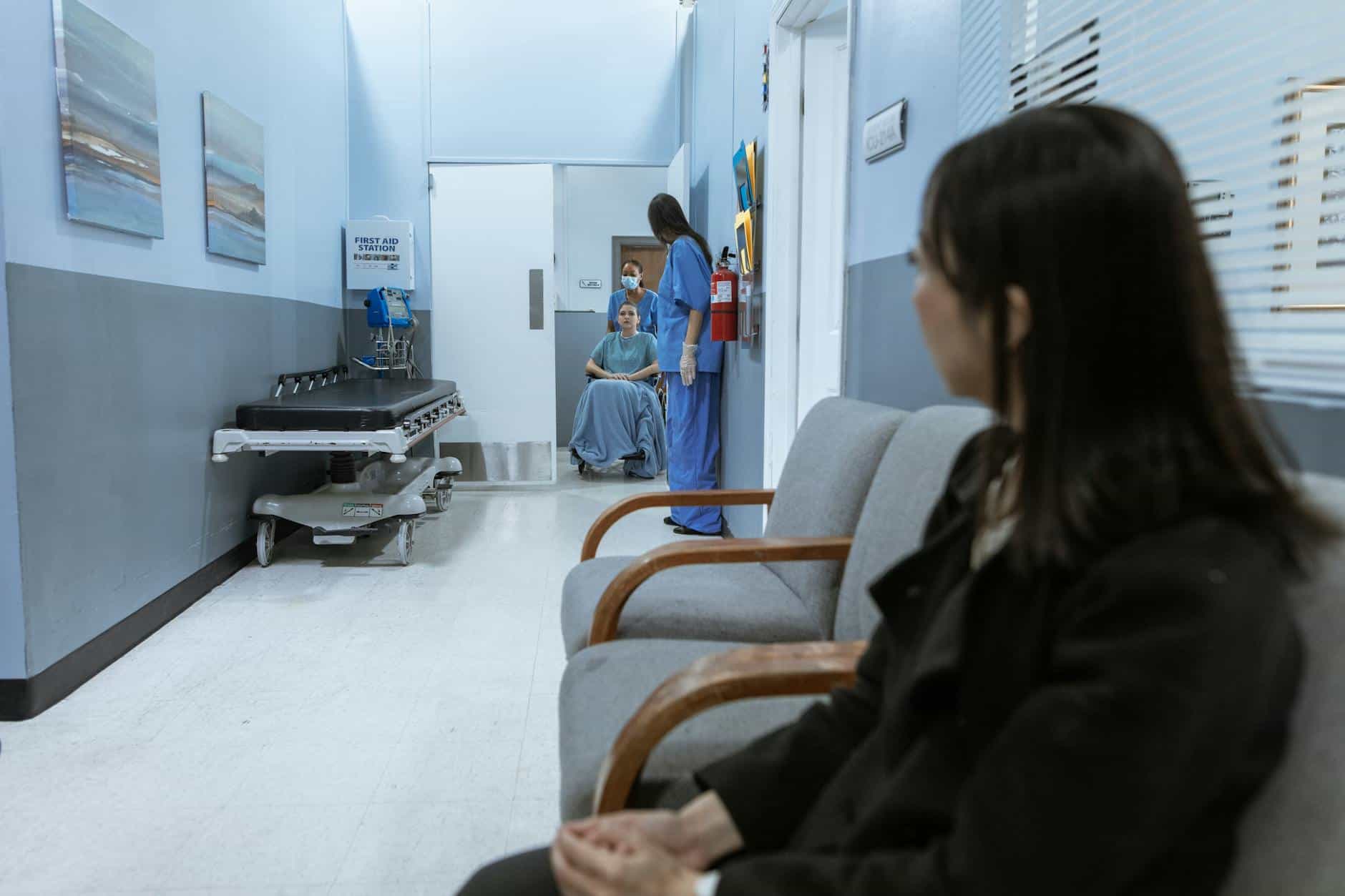
This one is specifically brutal for Americans who lived in countries with universal or heavily subsidized healthcare systems.
After years of walking into a clinic in Germany or Spain or Taiwan and paying little to nothing for high-quality care, coming back to the American healthcare system — with its insurance authorizations, its surprise bills, its network confusion, its co-pays, its deductibles — is not just financially jarring. It’s psychologically jarring.
Returnees describe spending the first year back operating with a background level of health anxiety that they didn’t have abroad — not because they’re sicker, but because getting sick now involves financial risk in a way it didn’t. People who had treated chronic conditions affordably abroad often face sticker shock that causes them to delay or forgo care.
Several returnees describe the healthcare reentry as the single largest factor in whether they stay back in America or start making plans to leave again.
Food, Portions, and the Grocery Store Problem

This sounds like a minor complaint until you live it. Returnees who spent years shopping at daily markets in France or corner tiendas in Mexico return to American supermarkets and report a specific disorientation: the scale of choice is overwhelming, the produce quality is often visibly inferior, and the ingredient lists on packaged food feel alarming after years of buying food that just… was food.
The supermarket problem compounds over time. American grocery stores are logistical marvels of supply chain optimization, but they’re not designed around the same food philosophy as markets in much of the rest of the world. The tomatoes don’t taste like tomatoes. The bread goes stale in a day because it has no preservatives, or lasts two weeks because it has too many. The olive oil is almost certainly not what the label says.
None of this is new information. But you don’t feel it until you’ve spent a few years eating differently and then come back.
The Social Eating Shift
Food is also social, and the social eating culture returnees miss most is often not the specific cuisine — it’s the extended meal. Three-hour lunches that are genuinely enjoyed. Dinners that start at 9 PM because no one rushes. The absence of “let’s grab a quick bite” as the default mode of socializing.
American meal culture — efficient, often eaten at desks, rarely the main event of a social occasion — is one of the starkest contrasts returnees notice, and one of the hardest to adapt back to.
Work Culture Reentry Is Its Own Crisis

American work culture is unlike work culture in most of the world. This is well-documented and not controversial. What’s less discussed is how physically and psychologically difficult it is to re-enter it after extended time away.
- Returnees from Western Europe frequently describe shock at the expectation to answer emails in the evenings and on weekends as a normal, accepted practice
- The limited vacation time — often two weeks, sometimes less — feels absurd after years of the standard four to six weeks common in Europe
- The absence of protected lunch time, parental leave length, and the “always-on” expectation of American professional culture hits differently after you’ve experienced the alternative
Some returnees adapt. Many don’t — and those are often the ones who end up leaving again, or who radically restructure their careers to work remotely for non-American companies or freelance in ways that preserve the work-life boundaries they got used to.
The Social Disconnection Nobody Talks About

This is the most painful part, and the part returnees are most reluctant to discuss because it feels ungrateful.
Your friends and family are happy you’re back. They love you. They missed you. And they don’t understand you anymore — not quite.
You’ve spent years having experiences that changed your reference points for everything: politics, food, time, work, healthcare, community. Your friends haven’t had those experiences. Their reference points haven’t shifted. The conversations that feel most natural to you — about how things work differently elsewhere, about what you observed, about the things you’re struggling to re-adapt to — can start to feel unwelcome, like you’re criticizing a country that the people around you love and feel loyal to.
So you edit yourself. You stop bringing up certain things. You perform a version of re-entry that’s more seamless than it actually is. And that performance is exhausting in a way that makes loneliness worse rather than better.
Returnees overwhelmingly describe connecting most easily, post-return, with other people who’ve lived abroad. The shared vocabulary of experience matters in ways that are hard to articulate until you’ve felt the alternative.
When the Return Becomes Permanent — And When People Leave Again
Some returnees adjust and stay. Often this happens when the things that pulled them back — family, career opportunities, relationships — are strong enough to anchor them through the adjustment period, which typically takes one to two years.
Many go back. The pattern is often similar: a trial return that lasts six to eighteen months, a growing sense that they’ve become structurally incompatible with American life in ways they can’t undo, and a decision to formalize what they’d been resisting — that they live somewhere else now.
For some, it’s a permanent decision. For others, it’s a slow-motion realization that they need to build a life that’s actually between two countries — seasonal movement, remote work, dual residency — rather than choosing one definitively.
The people who tend to stay successfully are those who don’t expect the adjustment to be easy, who find communities of other returnees or expats in their American city, and who find ways to preserve some of the rhythms they built abroad.
What Returnees Wish They Had Known Before Going

Almost every returnee, asked what advice they’d give their pre-departure self, says some version of the same thing: know that coming back will be harder than leaving.
More specifically:
- Give yourself a realistic adjustment timeline — at least a year before you evaluate whether you’re actually adapting or just surviving
- Don’t expect your friends and family to understand what you went through or what you’re going through now — they love you but they can’t fully access the experience
- Find other returnees or expats in your area quickly — that community is not optional, it’s what makes the difference
- Don’t perform re-entry. If you’re struggling, say you’re struggling, at least to the people who can handle hearing it
- Preserve something from the life you built abroad — a routine, a food practice, a language you keep using — so the experience doesn’t feel like it’s disappearing entirely
Living abroad changes you. That’s the whole point. But the change doesn’t pause when you land back at O’Hare. The country you came back to is not quite the country you left — not because it changed, but because you did.