National Parks That Genuinely Blow People Away — And the Iconic Ones That Consistently Disappoint
We may earn money or products from the companies mentioned in this post. This means if you click on the link and purchase the item, I will receive a small commission at no extra cost to you ... you're just helping re-supply our family's travel fund.
The National Park System contains 63 officially designated national parks — and not all of them hit the same. Some are so staggeringly beautiful in person that even visitors who’ve seen hundreds of photos are stopped cold the first time they see the real thing. Others are genuinely underwhelming for the average visitor — either because they’re overrun, because the experience requires more effort than most people bring, or because the photographs have simply set expectations that the actual experience can’t meet.
This is the honest assessment that serious park-goers give each other when nobody’s performing for the internet.
Why Some Parks Disappoint Despite the Hype

The disappointment pattern is usually caused by one of a handful of factors:
- Overcrowding: When a park’s iconic viewpoint requires a 45-minute wait to stand in front of it, the magic evaporates. This is not the park’s fault, exactly, but it’s the experience most visitors have.
- Photography vs. reality: Some landscapes are genuinely more photogenic than they are immersive. A slot canyon that photographs like a cathedral can feel like a narrow hallway when you’re shuffling through it with 40 strangers.
- Drive-through culture: Many visitors experience national parks almost entirely from their cars or from viewpoints within 100 yards of a parking lot. Parks that require hiking to access their best features consistently disappoint these visitors — because the drive-through experience is genuinely mediocre.
- Ecosystem misunderstanding: Some parks protect ecologically vital but visually understated landscapes. Great Plains grasslands, for example, are biologically incredible and visually unspectacular to the untrained eye.
Parks That Blow Every Expectation Away
Ask experienced park-goers which parks delivered more than expected, and certain names come up consistently:
North Cascades, Washington
Called “America’s Alps” by people who’ve been to both, North Cascades is staggeringly beautiful and almost unknown outside the Pacific Northwest hiking community. Rugged peaks, glaciers, impossibly blue lakes, and almost no one there. It receives fewer annual visitors than many individual overlooks at Grand Canyon. The reason: it’s genuinely remote and requires effort to access. That filter is exactly what keeps it extraordinary.
Congaree, South Carolina
Congaree protects the largest intact expanse of old-growth bottomland hardwood forest in the United States and almost nobody visits it. Massive trees, cypress knees rising from dark water, boardwalk trails that feel like walking through a primeval world. Visitors expecting something ordinary are routinely stunned. It’s also one of the few parks that can be meaningfully experienced in a single day without an overnight reservation or permit.
Great Basin, Nevada
Great Basin is the most undervisited park in the lower 48, and the people who go there treat that as privileged information they share carefully. Bristlecone pines — the oldest living organisms on Earth — exist here. The Lehman Caves are world-class. The night sky, at one of the least light-polluted points in the continental United States, is genuinely shocking if you’ve never seen a truly dark sky before. Almost no one goes.
Isle Royale, Michigan
Reachable only by seaplane or ferry, Isle Royale averages the fewest visitors of any national park. That’s either a warning or an advertisement depending on who you are. The wolf and moose population makes it one of the most important ecological research sites in North America. The backcountry camping is remote in a way that feels genuinely wild, not managed-wilderness wild.
The Parks That Show Up on Every List and Underwhelm People

This will generate disagreement, and that’s fine. These parks are beautiful. They also frequently disappoint visitors who go with maximum expectations and arrive at peak season.
Yosemite Valley
Yosemite Valley — the part most people visit — is extraordinary. It is also, at peak season, a traffic jam in a national park. The valley floor can hold 20,000 visitors on a summer weekend. El Capitan and Half Dome are as magnificent in person as advertised, but getting to a place where you can look at them without 500 other people in the frame requires timing, permits, or both. The Yosemite experience most people have is Yosemite from a congested parking lot, which is not the Yosemite the photographs promised.
The solution is not to avoid Yosemite — it’s to visit in early April, late October, or winter, and to book permits and reservations well in advance.
Arches, Utah
Delicate Arch, the iconic image on the Utah license plate, is real and genuinely striking in person. The 3-mile round trip to reach it, crowded with people at peak season, past rock formations that are impressive but not quite as spectacular as the photographs suggest, leaves some visitors feeling like they went on a moderate hike to see a famous arch. Which is exactly what they did. The bar was set so high by decades of photography that reality struggles.
Delicate Arch at sunrise, with a timed-entry permit, mostly alone: spectacular. Delicate Arch on a summer Saturday afternoon: a line of people waiting to take the same photograph.
Great Smoky Mountains
The most visited national park in America — by a wide margin — is free to enter, easily accessible from the Eastern Seaboard, and genuinely beautiful. It’s also almost always crowded. Gatlinburg and Pigeon Forge, the surrounding towns, have turned the park into an ecosystem of tourist commerce that bears no relationship to the wilderness inside. The park itself is worth visiting; the surrounding experience has become a parody of itself.
Underrated Parks That Serious Hikers Won’t Shut Up About
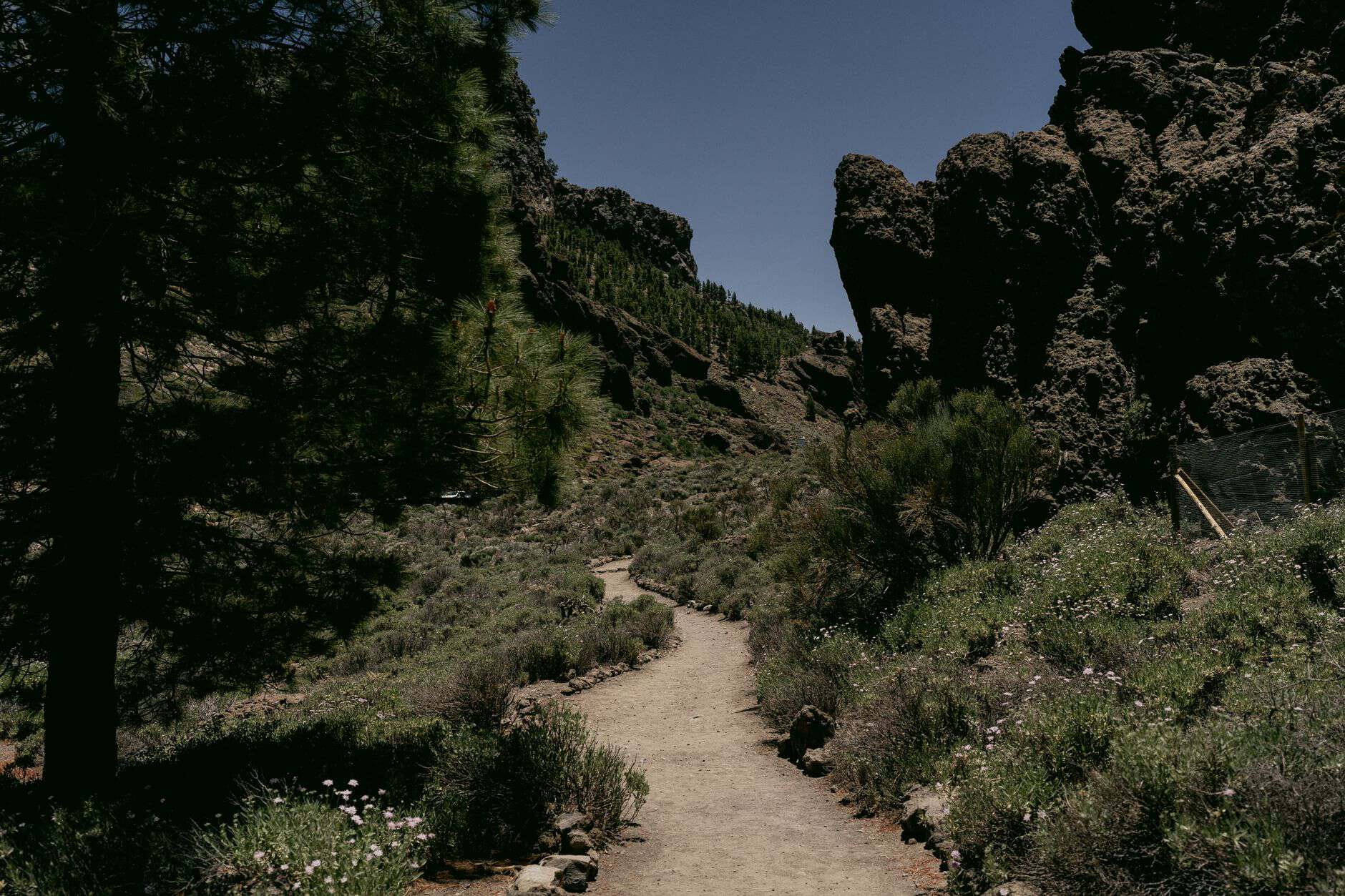
- Capitol Reef, Utah: The least visited of the Utah Mighty Five, and by most experienced hikers’ accounts, the most rewarding after Canyonlands. Ancient Fremont petroglyphs, an orchard you can pick fruit from, hikes that range from easy to genuinely difficult, and almost no one there.
- Guadalupe Mountains, Texas: The highest peak in Texas is inside a national park most Texans have never visited. The fall foliage — yes, Texas has fall foliage — is legitimately spectacular, and the park is largely empty year-round.
- Lassen Volcanic, California: An active volcanic landscape with boiling mud pots, steaming fumaroles, and hydrothermal features that rival Yellowstone for geological drama but receive a fraction of the visitors. The peak-season crowds at Yellowstone’s thermal features versus the relative quiet at Lassen is one of the starkest contrasts in the park system.
- Voyageurs, Minnesota: A park that’s essentially a system of lakes, accessible primarily by boat. Canoe camping here is among the most remote wilderness experiences in the lower 48. Almost entirely unknown outside Minnesota.
The Season Problem: Why Timing Defines the Experience
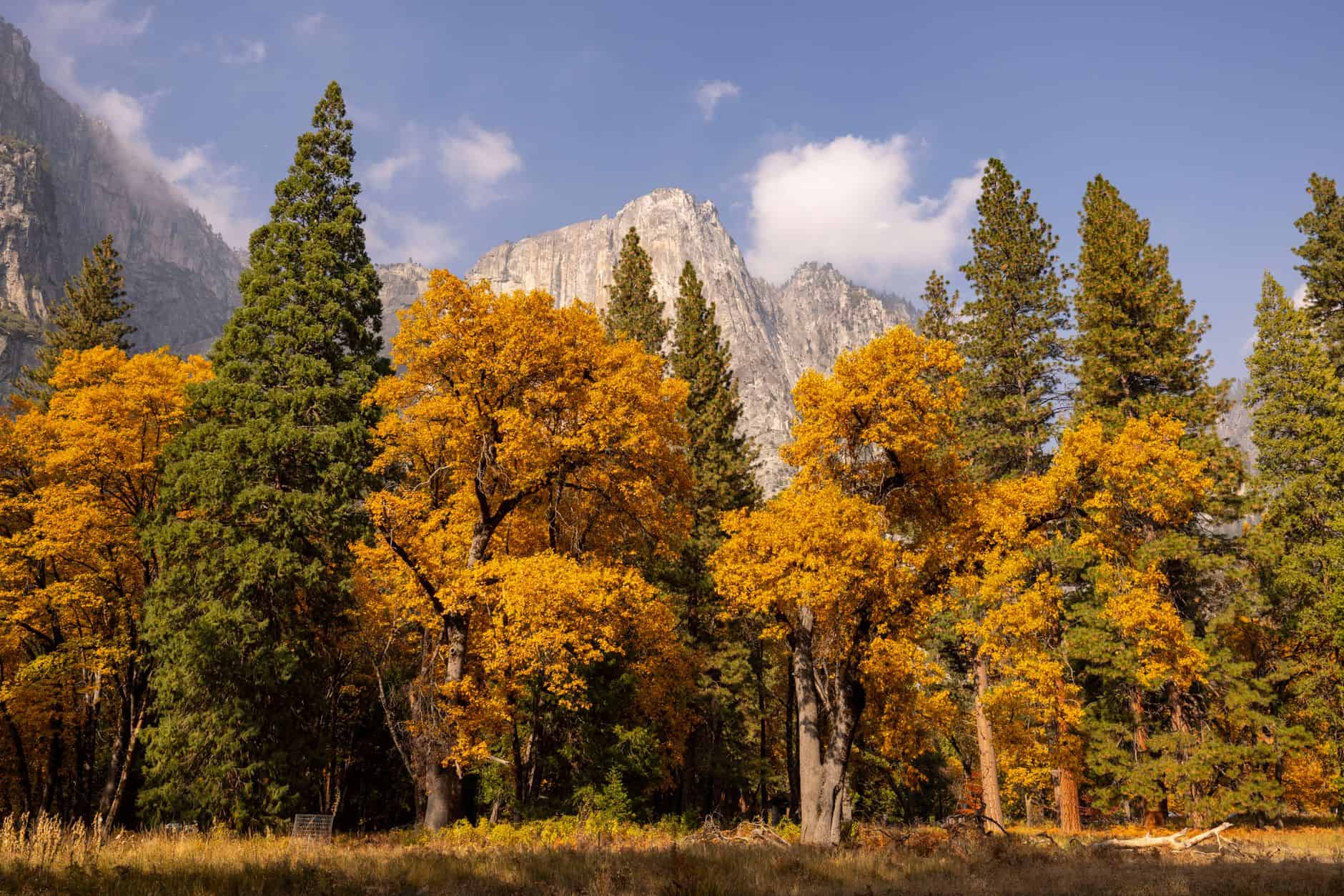
The park that disappoints you in July may be transcendent in November. Season is possibly the most important variable in national park experience, and it’s the one most visitors optimize for last, behind dates that work with their schedule and popular sentiment about when to go.
General principles:
- Shoulder season (late September through October, late March through May) is almost always better than peak summer for most parks in the lower 48
- Parks in the Southwest are often more pleasant in spring and fall than summer, when temperatures can exceed 110°F
- Pacific Northwest parks (Olympic, North Cascades, Rainier) are most reliably clear in August — their shoulder season is genuinely rainy
- Parks in the Rocky Mountain region are spectacular in September and early October — golden aspens, fewer crowds, elk rut season
What First-Timers Get Wrong About Planning
The two planning mistakes that cause the most disappointment:
- Not securing permits: Dozens of parks now require timed-entry permits for peak season access. These sell out months in advance. Showing up without a permit during peak season means driving four hours to be turned away at the entrance.
- Underestimating drive times inside parks: National parks are big. Driving from the park entrance to the campsite or trailhead can take an hour or more. Visitors who plan to “see everything” in a day frequently fail to see anything adequately.
Parks That Reward Effort and Punish Passive Visitors
Some parks have a two-tier experience: the passive experience (drive to overlook, take photo, leave) and the active experience (hike the backcountry, camp, spend multiple days). The gap between these tiers varies enormously by park.
Parks where the passive experience is mostly fine:
- Grand Canyon South Rim (the view from the rim is genuinely world-class)
- Acadia (the carriage roads and coastal drives are legitimately accessible and beautiful)
- Glacier (Going-to-the-Sun Road is one of the great scenic drives on the continent)
Parks where effort is essentially required:
- North Cascades (the road through the park is beautiful but the transcendent experiences require hiking)
- Wrangell-St. Elias, Alaska (the largest park in the system; the developed area is minimal, most of the park is accessible only by bush plane)
- Backcountry Yellowstone (the famous thermal features are accessible to everyone; the park’s actual wilderness is almost entirely empty)
The Parks Worth the Drive Even If Nobody’s Heard of Them
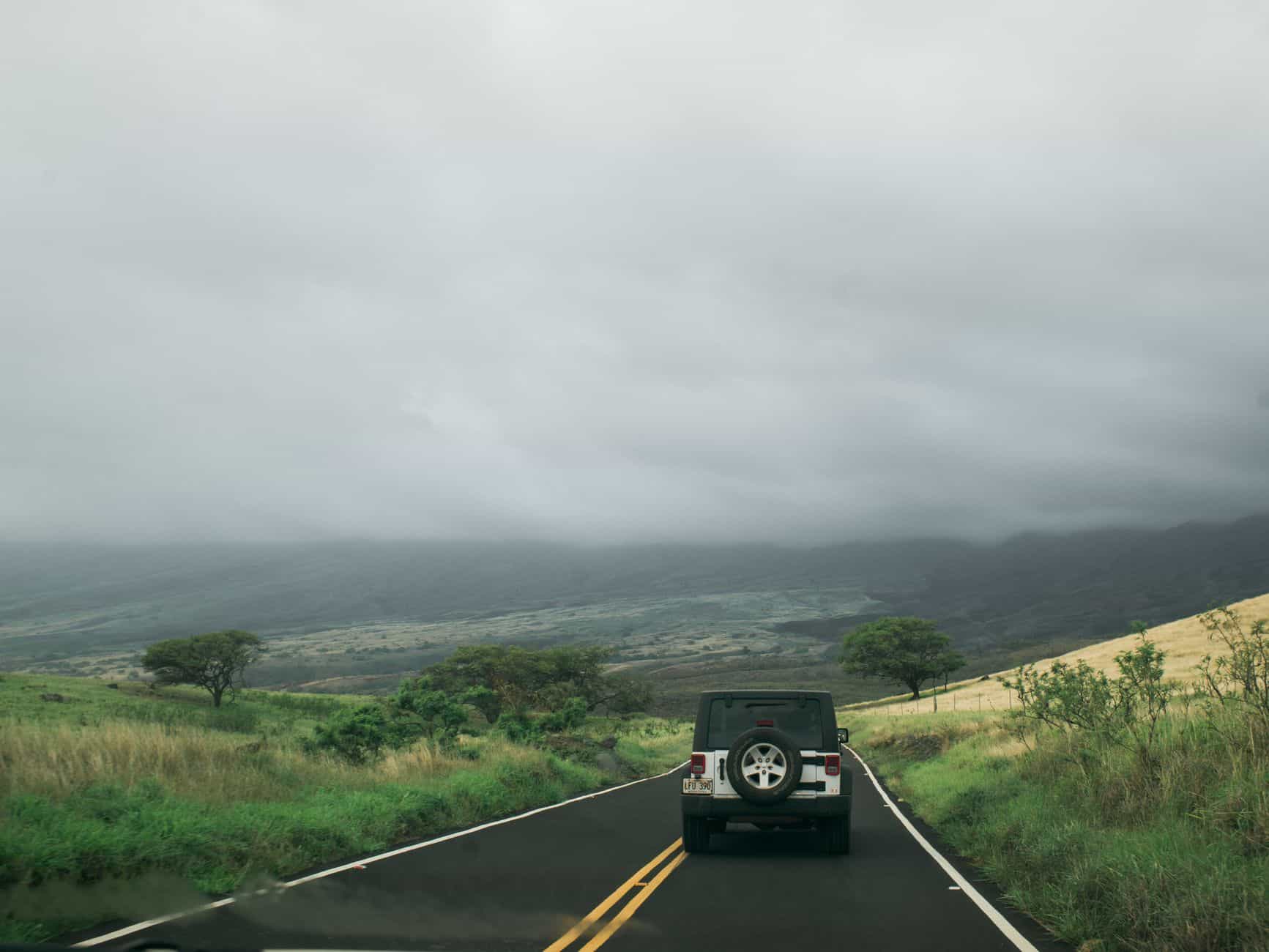
The single best recommendation for most national park visitors: find the park that’s within a day’s drive of where you live that nobody in your social circle has visited, and go there first.
The parks that generate the most enthusiastic reports are almost never the ones on the standard bucket list. They’re the ones people stumbled into because everything else was full, or drove past by accident, or added on a whim to a road trip that was taking them somewhere else.
Great Basin, Nevada. Pinnacles, California. Black Canyon of the Gunnison, Colorado. Carlsbad Caverns, New Mexico. Cuyahoga Valley, Ohio.
None of these are on anyone’s top-ten list. All of them will exceed whatever expectations you bring to them. And you won’t have to wait in line to experience them.