The Psychology of Why You Spend Way More Money on Vacation Than You Plan To — And the Only Things That Actually Stop It
We may earn money or products from the companies mentioned in this post. This means if you click on the link and purchase the item, I will receive a small commission at no extra cost to you ... you're just helping re-supply our family's travel fund.
You set a budget before you left. You thought it was realistic. You tracked your expenses for maybe the first two days. Now you’re home, the credit card statement has landed, and the number is somewhere between 40% and 200% higher than what you planned to spend.
This is not a moral failing. It’s a predictable outcome of a specific set of psychological conditions that vacations reliably create — conditions that researchers who study consumer behavior have documented carefully, and that the travel industry has spent decades learning to exploit.
Understanding why it happens is useful. Understanding what actually prevents it is more useful.
The Mental Accounting Trick That Destroys Every Budget
Behavioral economists have a name for the phenomenon: mental accounting. Your brain doesn’t experience all money as equivalent. Money allocated to one category doesn’t feel the same as money allocated to another, even when the numerical amount is identical.
When you designate money for “vacation,” your brain places it in a special account that operates by different rules than everyday money. The psychological cost of spending it — the internal resistance most people feel before any purchase — is significantly reduced. Vacation money is supposed to be spent. Spending it doesn’t trigger the same guilt or hesitation that spending the equivalent amount on a regular Tuesday would.
This is why “I’m on vacation” is such a powerful phrase. It’s not just a verbal justification — it’s an invocation of a different psychological operating mode. The brain genuinely processes the transaction differently.
The problem is that this mental accounting doesn’t have a natural limit. Once you’re in vacation mode, the loosened standards apply to everything — the extra drink at dinner, the unnecessary souvenir, the nicer hotel that’s “only a little more,” the activity you wouldn’t have paid for at home.
Why Vacation Brain Is a Neurologically Real State

The altered financial decision-making on vacation isn’t purely psychological abstraction. It’s partly physiological.
When you’re relaxed — genuinely relaxed, the way a good vacation produces — your prefrontal cortex, the brain region associated with executive function, planning, and long-term thinking, operates differently than it does under the chronic low-grade stress of normal life. Relaxation decreases the vigilance that normally applies to decisions. You’re less likely to pause, calculate, or consider alternatives. You’re more likely to act on immediate desire.
Add the neurological boost of novelty — new environments, new foods, new experiences, all of which the brain processes as rewarding — and you have a system that’s actively primed to want things and actively less capable of restraining that wanting.
Vacation Fatigue and Declining Decision Quality
Decision quality also degrades over the course of a trip. By day four or five of a vacation, most people are making purchasing decisions from a state of mild decision fatigue — they’ve been making constant small decisions about where to eat, what to do, which way to walk — and their capacity for careful financial reasoning is genuinely diminished. This is why vacation overspending tends to accelerate mid-trip rather than front-load.
The ‘Just This Once’ Cognitive Trap

The most expensive phrase in travel is “just this once.” It is almost never just once, and the brain knows this less well on vacation than it does at home.
“Just this once, I’ll get the premium experience.” “Just this once, I’ll stay at the better hotel.” “Just this once, I’ll take the private tour instead of the group one.”
Each of these decisions is made in isolation, as if it’s the only exception being made. In reality, by the time you’ve made five “just this once” decisions on a trip, you’ve built a consistent pattern of exception-making that’s costing real money — but the brain doesn’t consolidate them into a single view. They remain five separate, isolated, justified exceptions.
Behavioral economists call this “isolation effect” — the tendency to evaluate each decision independently rather than as part of a pattern. It’s why people who would never spend $200 on a single day of entertainment at home will spend $200 multiple times in a single vacation week without it feeling equivalent.
How the Tourism Industry Engineers Spending

Nothing about the vacation spending trap is accidental from the industry’s perspective.
- All-inclusive framing: “It’s already paid for” is one of the most powerful phrases in hospitality. Once the upfront payment is made, every additional consumption feels like getting something for free — which is why all-inclusive resorts frequently drive enormous secondary spend on “premium” items just outside the all-inclusive umbrella
- Local currency pricing: In tourist destinations, prices are often displayed in local currency that visitors aren’t fully calibrated to. The mental math required to convert creates a slight cognitive friction that makes prices feel smaller
- Experience framing: Tourism businesses are expert at framing purchases as experiences rather than expenses. “This is a memory, not a purchase” is a psychological override that removes normal resistance
- Scarcity and uniqueness: “Only available here” and “you won’t find this at home” are documented triggers for purchase decisions. They invoke FOMO, which is specifically powerful in people who already understand they’re leaving the place soon
Currency Confusion and the ‘It’s Only X Dollars’ Effect
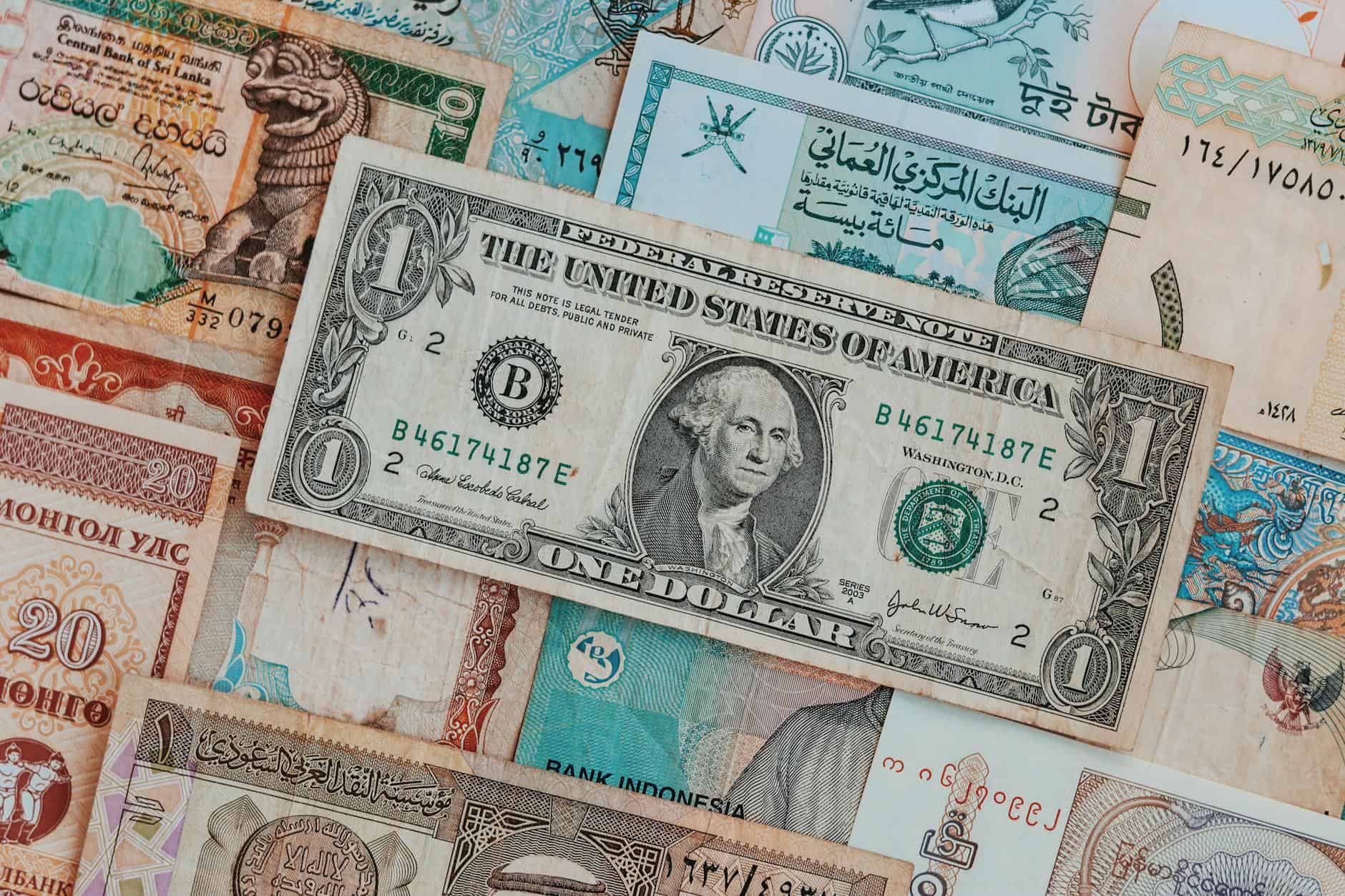
International travel adds a specific complication: foreign currency. The mental arithmetic required to convert foreign prices to dollars creates a friction that, paradoxically, leads to more spending, not less.
When conversion is approximate or cognitively taxing, the brain tends to anchor on the nominal amount — the number on the price tag — rather than the real dollar equivalent. 200 pesos, 50 euros, 800 baht: the brain registers these as less than the equivalent dollar amounts, even when the conversion is straightforward.
This is documented in consumer behavior research: people systematically spend more when prices are denominated in foreign currency, even controlling for actual price differences.
The solution isn’t to obsessively calculate every conversion — that will destroy the trip. It’s to establish a few reference points at the start of your destination visit. Know what a mid-range meal should cost in dollars, what a local taxi should run, what a souvenir should be. Anchor to those reference points rather than trying to calculate each transaction fresh.
The Social Pressure Variable Nobody Budgets For
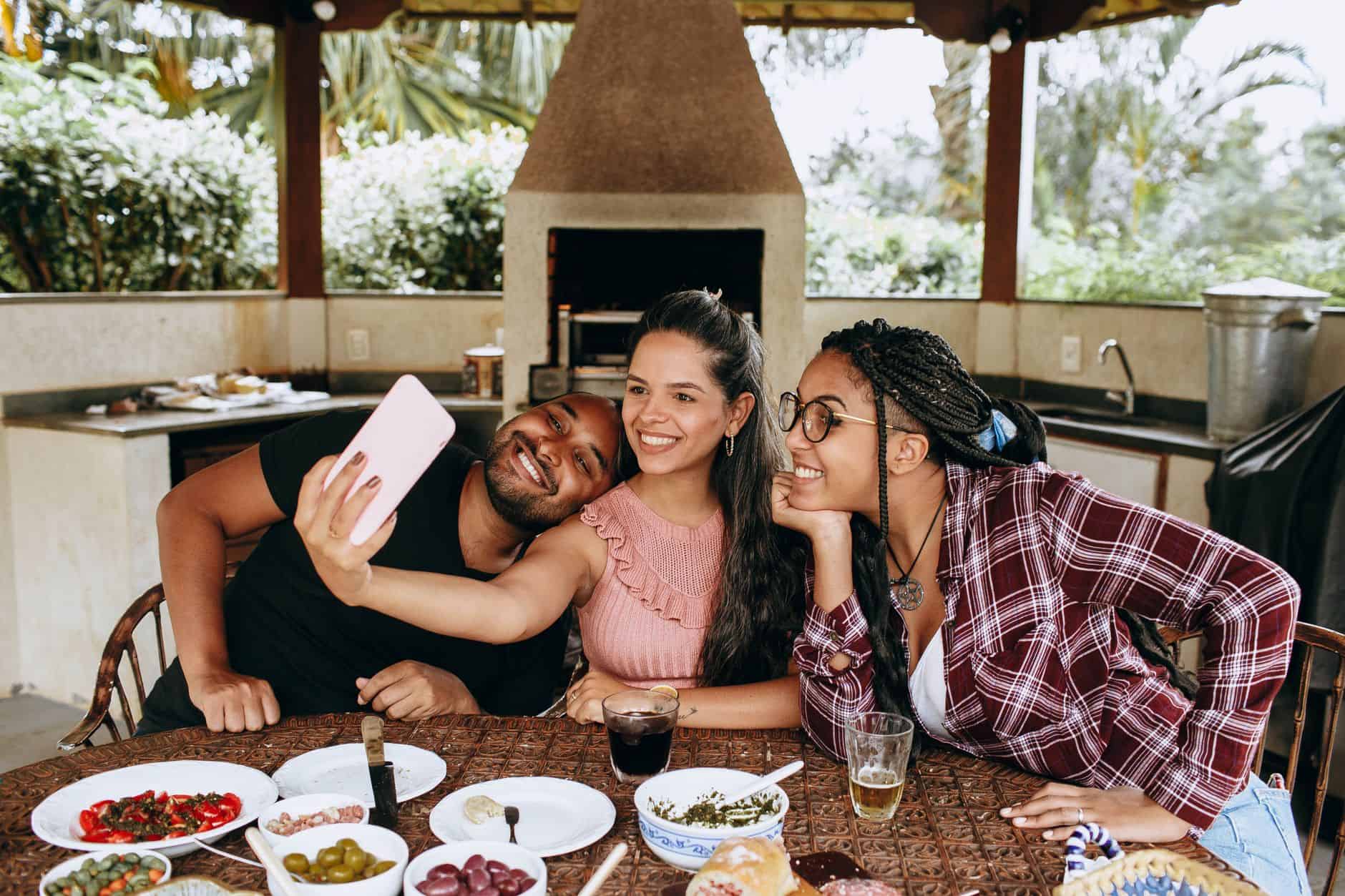
Travel with other people introduces a variable that solo-travel budgets don’t have to account for: social spending pressure.
This comes in several forms:
- The group dinner where everyone orders freely and splits the bill evenly — even if your order was half the cost of everyone else’s
- The activity one person wants to do that requires everyone to pay their share
- The reluctance to appear cheap or thrifty when a group consensus forms around a more expensive option
- Rounds at the bar, which are a particularly efficient mechanism for converting good social intentions into unexpected expense
Social comparison is a genuine driver of vacation spending. People spend more when they’re with people who spend more. This is not a character flaw; it’s a documented social conformity response. Being the person who orders water while everyone else has cocktails requires active resistance to social norm, which is a real cognitive cost.
Pre-Trip Strategies That Research Shows Actually Work
Willpower applied during a vacation does not work well for the reasons above. The strategies that actually move the needle are structural — built before you leave — because structures don’t require willpower in the moment.
- Cash envelopes by category: Withdraw cash at the start of the trip and physically divide it into envelopes: dining, activities, shopping, incidentals. When an envelope is empty, the category is closed. Physical cash creates a visceral spending cue that credit cards entirely suppress.
- Pre-book and pre-pay activities: Research and pay for major activities before you leave. This removes the in-the-moment decision about whether to splurge on something, and it locks in the spending against your pre-trip, clearer-headed budget.
- Establish a daily number: Total budget divided by days = daily spending number. Know this number before you arrive. Each day, check whether you’re over or under. This simple scorekeeping has a significant effect on cumulative spending.
- Set up spending alerts on your credit card: Most card apps allow push notifications for every transaction. Seeing the number in real time — rather than discovering it on a monthly statement — is the single cheapest and most effective friction you can add.
- The 24-hour rule for non-consumables: For any souvenir or shopping item over a threshold amount you set in advance, wait 24 hours before purchasing. Most things you didn’t buy on impulse don’t get purchased at all.
The Reframe That Changes Everything

The most durable shift for chronic vacation overspenders isn’t a tactic — it’s a framework change. The research on this is consistent: people who approach vacation spending as “allocation” rather than “budgeting” do measurably better.
The distinction: budgeting is about restriction and saying no. Allocation is about deciding in advance where your money goes, so that spending in those areas feels fully authorized and guilt-free.
Instead of “I’m trying to spend less at restaurants,” the allocation approach is: “I have $400 for dining on this trip, and I’m going to spend all of it on meals I actually care about, and not spend it on quick lunches I won’t remember.”
Allocation turns spending decisions into category comparisons — is this the best use of my dining budget? — rather than willpower battles against a vague “don’t overspend” directive.
People who use allocation consistently report both spending less and enjoying their trips more, because the money they do spend is going to things they consciously chose, not things they bought impulsively and later questioned. That combination — intentional spending that stays within budget while maximizing the things that actually matter — is what separates travelers who come home energized from travelers who come home stressed about money.
The vacation is supposed to be the good part. The credit card statement doesn’t have to cancel it out.