The National Park Reservation System Is Broken — Here’s Who It’s Screwing Over, What the Parks Service Won’t Admit, and the Workarounds That Actually Help
We may earn money or products from the companies mentioned in this post. This means if you click on the link and purchase the item, I will receive a small commission at no extra cost to you ... you're just helping re-supply our family's travel fund.
For most of American history, the deal with national parks was simple: you drive up, you pay the entrance fee, you get in. The parks belong to everyone. That’s the ethos baked into the National Park Service since 1916.
That deal is now functionally broken for the most popular parks during peak season.
At Zion, Yosemite, Glacier, Rocky Mountain, and a growing list of others, you can no longer just show up. You need a timed entry permit, a camping reservation made six months ago, or advance planning that excludes anyone without the flexibility to book their entire summer vacation in January.
This didn’t happen by accident, and it hasn’t been fixed by design. Here’s the full picture.
What Changed and When the System Started Breaking
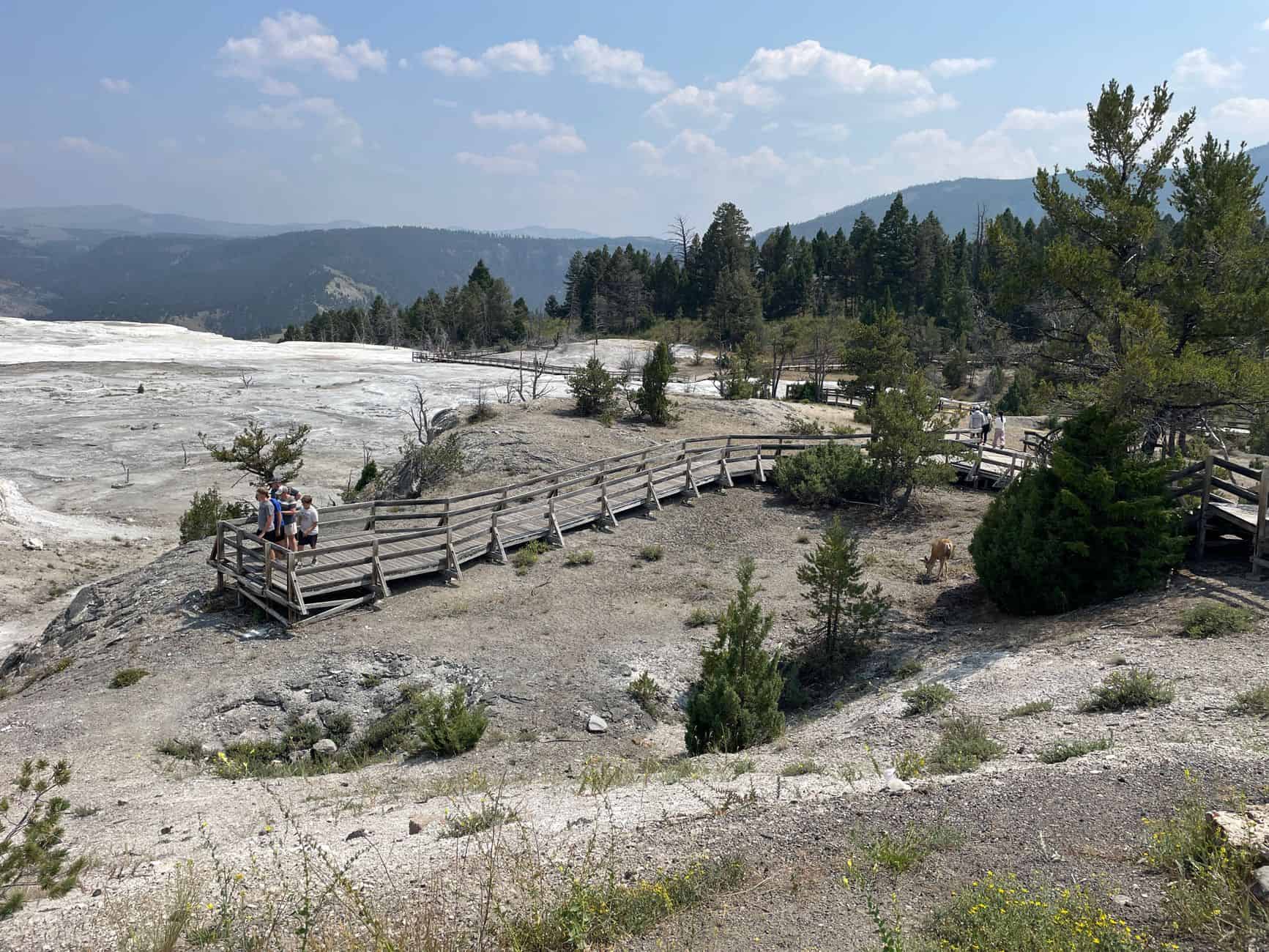
The surge started well before COVID, but the pandemic accelerated it beyond any previous trend line.
National park visitation hit 330 million visits in 2016, then climbed to 318 million in 2019 (a slight dip). In 2020, despite closures, parks in driving distance of major metros saw enormous demand from people who couldn’t fly but desperately wanted to leave home. By 2021, visitation at many parks set all-time records.
The infrastructure did not keep pace. The NPS operates under a chronic maintenance backlog — estimated at $22 billion as of 2023 — which means trails, roads, and facilities that were already strained in 2019 are now overwhelmed. The staffing situation is similarly constrained: NPS has faced budget pressures and hiring challenges for years.
The reservation system was introduced as a temporary COVID crowd management measure at several parks. It never fully went away. Once parks realized they could control visitation volume with digital permits, the tool stayed — and expanded.
Who the Reservation System Is Actually Screwing Over
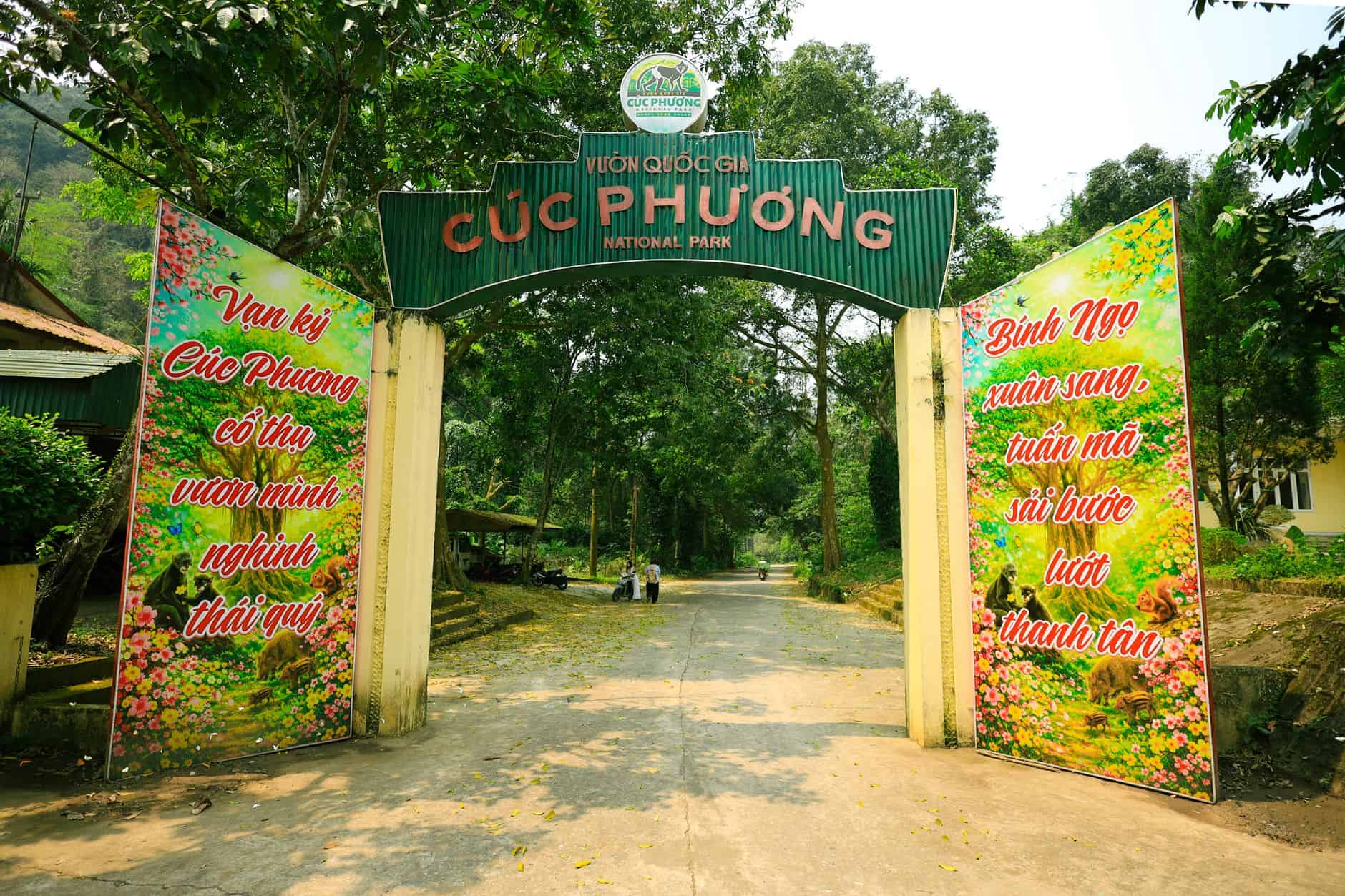
Here’s the uncomfortable truth the NPS and most travel media don’t say clearly: the current system disproportionately harms lower-income families, spontaneous travelers, and anyone without consistent internet access or the flexibility to plan months in advance.
- Working families with limited vacation days A family that gets two weeks of vacation a year can’t typically lock in specific park dates six months out. Flexible vacation planning is a privilege of higher income and remote/professional work. Families who need to coordinate around school schedules, multiple jobs, and variable income are exactly the people the reservation system shuts out.
- Spontaneous road trippers The classic American road trip — head west, see what happens — is now essentially impossible at peak parks in peak season. The culture of spontaneous national park access has been replaced by a reservation management culture that rewards those with the time and resources to engage it.
- International visitors International tourists often book trips six months to a year out, but their itineraries are flexible within a date range, not pinned to specific days. Navigating recreation.gov from overseas, in a second language, with unfamiliarity with the regional park geography is genuinely difficult.
- Locals and regional visitors People who live near parks — who might drive up on a nice Saturday morning — are now locked out of the same parks they’ve visited on a whim for decades. This particularly affects Native American communities with cultural connections to park lands.
The system, meanwhile, works well for a specific demographic: people with high flexibility, consistent internet access, organizational resources, and months of advance planning capability. That is not a representative sample of the American public that owns these lands.
The Specific Parks With the Worst Access Problems
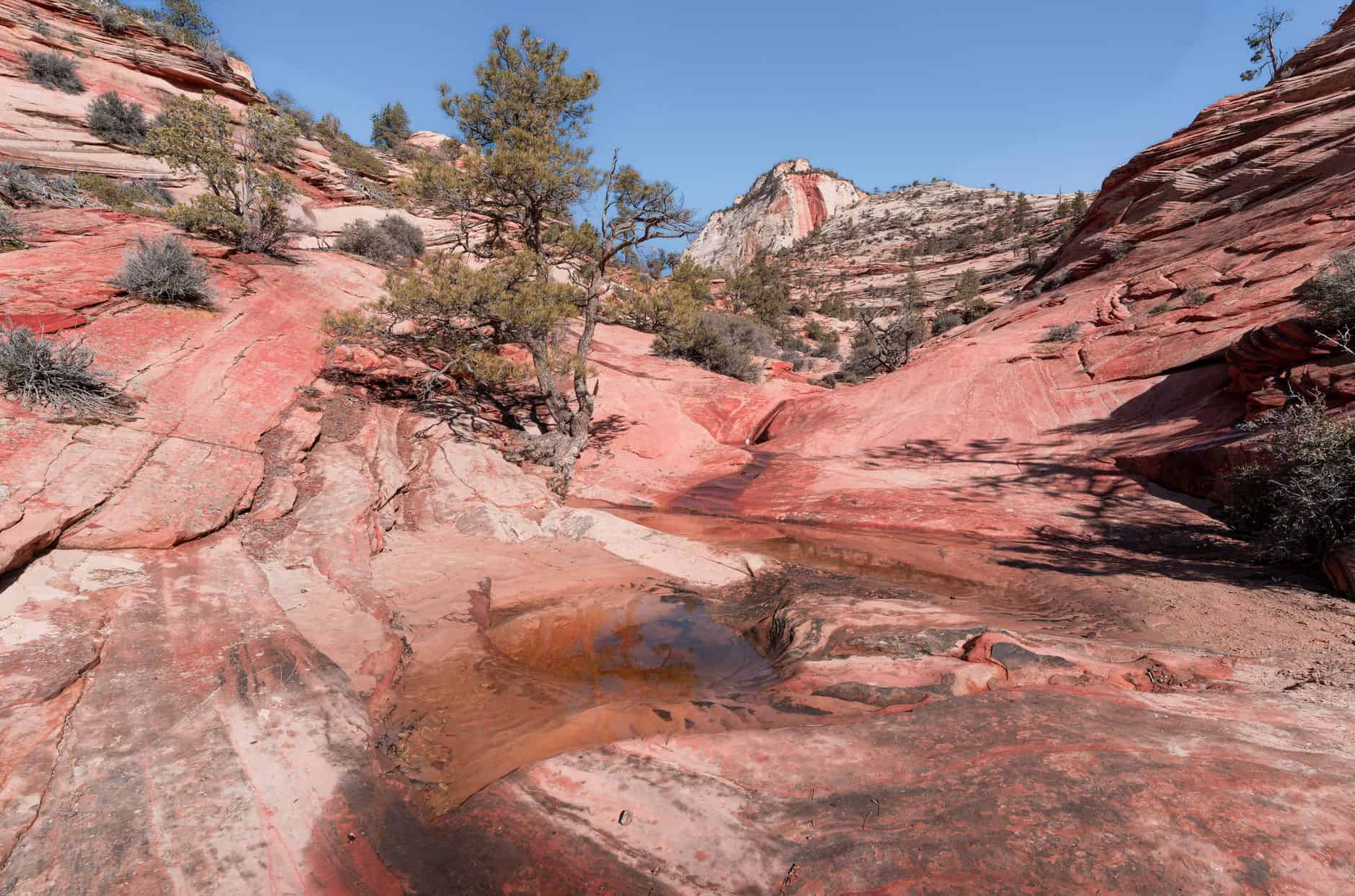
- Zion National Park — Utah The shuttle system is the only way in and out of Zion Canyon in peak season. The timed entry permit system applies May–November. Recreation.gov releases permits in advance and in morning-of batches. The morning-of permits (released at 8 AM Eastern) disappear in under a minute. People set alarms and use auto-refresh tools. This is now a real phenomenon.
- Yosemite National Park — California Day-use reservations required late May–early September. Campgrounds at Yosemite Valley are booked instantly when the 5-month advance window opens. RV spots at Yosemite Valley are essentially impossible to get without a cancellation alert service.
- Glacier National Park — Montana The Going-to-the-Sun Road vehicle reservation is one of the most competitive in the system. Vehicles over 21 feet are restricted regardless. The permit system opened at 8 AM Mountain on a single morning in spring and was effectively gone within minutes for the entire summer.
- Rocky Mountain National Park — Colorado Timed entry permits required May–October. Bear Lake corridor permits sell out especially fast. The park is within day-trip range of Denver, which means enormous demand from the Front Range’s 3+ million residents alone.
- Arches National Park — Utah Timed entry permits at peak times. Part of the Mighty 5 Utah parks cluster, all of which face significant crowding simultaneously.
The Workarounds That Actually Work
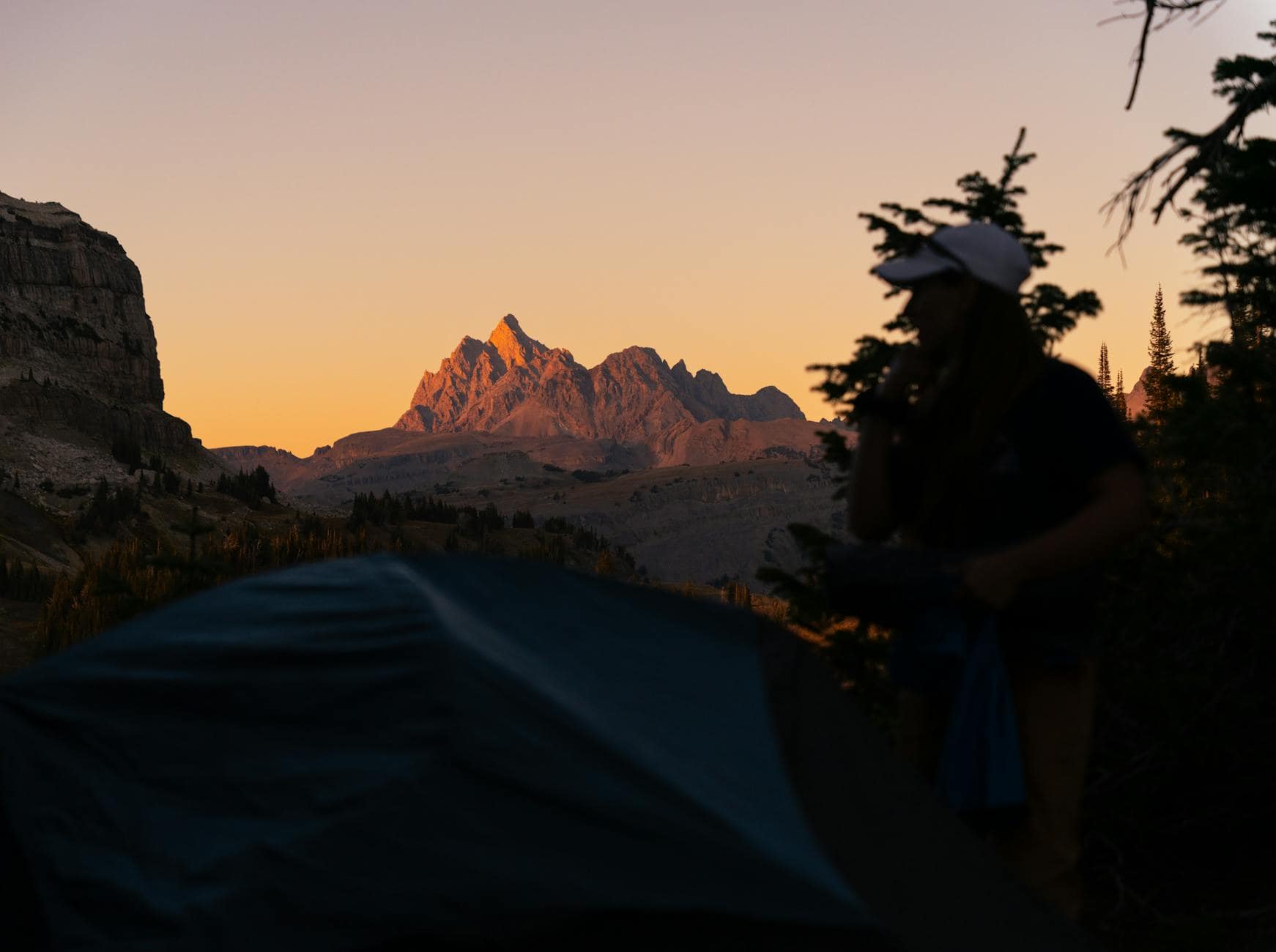
- Use recreation.gov’s cancellation monitoring Third-party services like Campnab, Recreation.gov Campsite Alerts, and Wanderlog’s campsite alerts send real-time notifications when a reservation becomes available. People cancel all the time — job changes, weather, life. A permit that seemed impossible to get in January frequently becomes available in July through cancellations. Set up alerts and let the system work for you.
- Check recreation.gov at exactly 8 AM Eastern each morning Most parks release a portion of permits as same-day or next-day availability at this time. Set an alarm, have your account logged in and card on file, and be ready to move instantly. This is how flexible travelers get into Zion without a months-out reservation.
- Shoulder season is legitimately good and often unregulated Late September through early November and mid-March through early May at most Western parks offer significantly lower crowds, no permit requirements, and often the best weather. October in Zion or Arches is arguably better than July — cooler temperatures, golden light, no reservation headaches.
- Arrive before or after peak hours At parks with day-use permits, early morning arrivals (before 6 AM) and late afternoon arrivals (after 4–5 PM) sometimes fall outside the permit window or are handled differently. Check the specific park’s current permit structure before relying on this.
- Enter from less popular entrances and trailheads Most timed entry systems focus on specific corridors (Zion Canyon, Yosemite Valley, Going-to-the-Sun Road). Other parts of the same parks — Kolob Canyons in Zion, Hetch Hetchy in Yosemite — are often accessible without permits and offer stunning experiences with far fewer people.
- Stay inside the park Visitors with overnight reservations at park campgrounds or lodges typically have guaranteed access to the park that day-use permit holders don’t. If you can get a campsite booking (through cancellation monitoring or the advance window), you solve the day-use permit problem simultaneously.
The Less-Known Parks Worth Visiting Instead
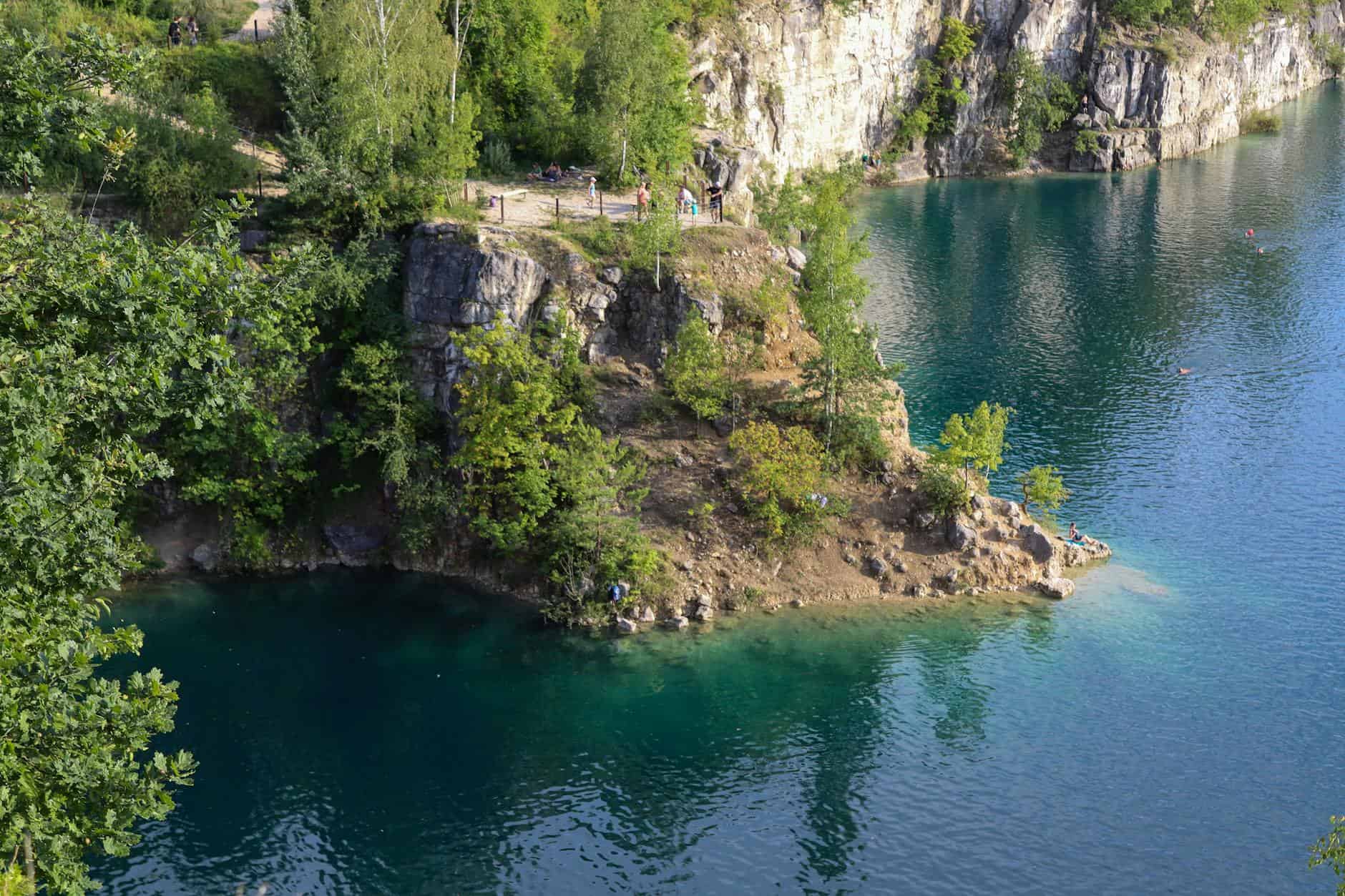
The National Park System has 63 national parks plus hundreds of national monuments, recreation areas, seashores, and historic sites. The permit chaos applies to maybe 10–15 of them. The rest are accessible and often spectacular:
- Great Basin National Park — Nevada One of the least-visited national parks in the contiguous US, despite having ancient bristlecone pine forests, dramatic cave systems, and 13,000+ foot Wheeler Peak. No reservations required. You will often have trails to yourself.
- Guadalupe Mountains National Park — Texas The highest peak in Texas, fossil reef geology, and virtually no crowds. Adjacent to Carlsbad Caverns National Park for a two-park trip.
- Isle Royale National Park — Michigan An island park in Lake Superior accessible only by ferry or floatplane. This natural barrier has kept visitation low by design. Backpacking and canoeing in pristine wilderness with no roads. About 25,000 visitors per year vs. Zion’s 5 million+.
- Theodore Roosevelt National Park — North Dakota Badlands landscape, wild horses, bison, and almost no one. Genuinely magnificent and completely walk-up accessible.
- Congaree National Park — South Carolina Old-growth bottomland forest with towering trees — the highest temperate deciduous forest canopy in North America. 95,000 acres, 26,000 annual visitors. No permits, no crowds.
What Needs to Change (And Why It Probably Won’t)
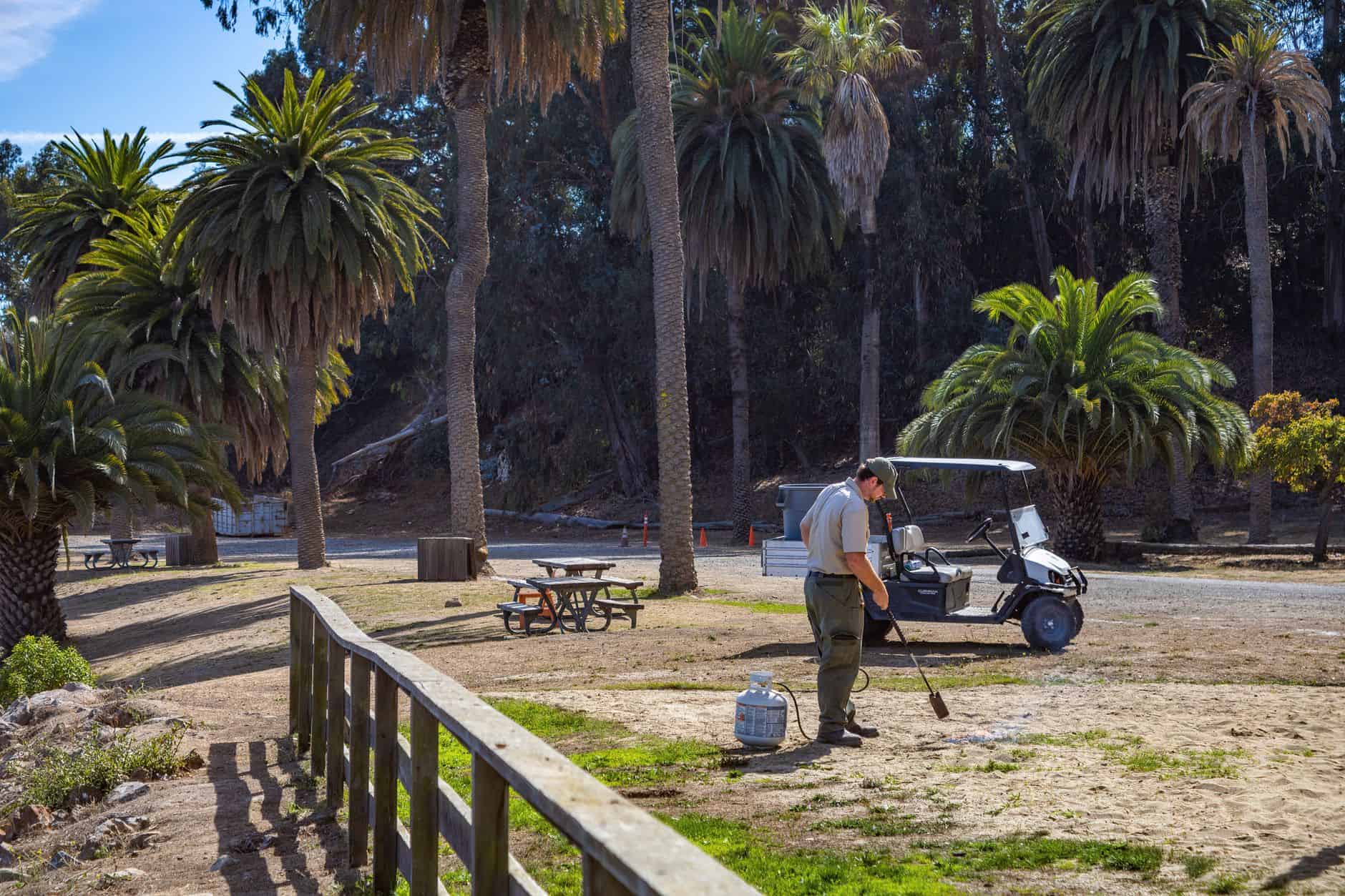
The deeper problem is structural: the parks are underfunded relative to their visitation, the NPS has a $22 billion deferred maintenance backlog, staffing is chronically short, and the reservation system is a band-aid on an infrastructure problem that requires real investment to solve.
Congressional funding for the NPS has been politically contentious for decades. The GREAT Act (designating a portion of federal energy revenues to parks) has been proposed in various forms but hasn’t delivered consistent, large-scale funding. The bipartisan Great American Outdoors Act (2020) provided $9.5 billion over five years for deferred maintenance — a genuine step forward, but not a solution at scale.
The reservation system is unlikely to be dismantled because it does actually control crowding, which protects the parks themselves. The reforms most advocates push for:
- Lottery systems instead of first-come-first-served, which disadvantage those without fast internet connections and flexible work schedules.
- Prioritization windows for locals, regional visitors, and underserved communities before the general lottery opens.
- Consistent morning-of permit releases that give spontaneous visitors a genuine shot.
- Investment in transit infrastructure so that more visitors can leave cars outside the parks.
Until the funding and political will align, the workarounds above are your best tools. Learn them. The parks are worth the effort — and the less-visited alternatives often provide a better experience than the crowded icons anyway.