Countries Where Americans Are Actually Welcomed Warmly — And the Ones Where the Anti-American Sentiment Is Real and Uncomfortable
We may earn money or products from the companies mentioned in this post. This means if you click on the link and purchase the item, I will receive a small commission at no extra cost to you ... you're just helping re-supply our family's travel fund.
Travel content has two dominant and opposite takes on this topic: “The world hates Americans” (usually written after someone had a bad experience in Paris) and “Everywhere I go, people love Americans!” (usually written by someone who visited Cancun twice).
Both are useless generalizations. The real picture is more granular, more interesting, and more useful to you as someone planning actual trips.
This article is based on documented traveler experiences, State Department assessments, global polling data on views of the US (including Gallup’s annual Country Ratings Poll), and the honest accounts of American expats and long-term travelers across dozens of countries.
Why This Conversation Needs More Honesty

A few important distinctions before the list:
- “Views of US foreign policy” ≠ “treatment of American tourists.” Countries can have complex or negative views of American politics while being genuinely warm to individual American travelers. These are not the same thing.
- Tourism economies shape treatment significantly. In countries that depend heavily on American tourism dollars, hospitality is often genuine and also economically motivated. Both things can be true.
- Individual behavior shapes individual reception. An American who speaks loudly, demands English-language service, complains about local customs, and tips poorly will have a different experience than one who arrives curious, adaptable, and respectful. This caveat runs throughout.
- Urban vs. rural matters enormously. Capital cities in many countries have more exposure to (and occasionally more friction with) American culture. Rural areas in the same country often have warmer, more genuinely curious reception.
Countries Where Americans Are Genuinely, Warmly Welcomed

- Japan Americans visiting Japan consistently report some of the warmest reception of any country in the world. Japanese hospitality (omotenashi) is a cultural value that applies to all visitors, but American travelers in particular report being treated with exceptional curiosity and warmth. Japan has consistently positive views of the US in polling, a deep cultural exchange relationship, and a population that is genuinely delighted by foreigners making any effort to engage with the culture. Tokyo, Kyoto, and rural areas all deliver this. This is one of the safest countries in the world for foreign tourists by any measurable standard.
- Albania This might be the most underrated country in Europe for American travelers. Albania has a genuine, culturally rooted warmth toward Americans — stemming in part from the US’s role in supporting Kosovo’s independence and NATO involvement in the region. Albanians in many areas display American flags alongside their own, and the enthusiasm when locals learn you’re American is often startlingly genuine. Tirana is rapidly developing, prices are still very low by European standards, and the Riviera coast competes with Greece and Croatia at a fraction of the price.
- Kosovo Similarly, Kosovo has an exceptionally positive view of the United States — the only country in the world with a statue of Bill Clinton on its main boulevard. This isn’t tourist marketing; it reflects a genuine cultural relationship. Americans in Pristina report being welcomed almost everywhere, often being bought drinks or invited to join tables. Budget-friendly, safe, and fascinating historically.
- Israel Israel has strong cultural and political ties with the US, and American visitors report very warm reception from Israeli locals, who often speak excellent English and enjoy engaging with Americans. (The security screening experience at Ben Gurion Airport is intense and standardized regardless of nationality.)
- Vietnam Given the history, many Americans expect friction in Vietnam. The reception is almost universally the opposite. Vietnam has one of the most forward-looking, youth-driven cultures in Asia; the population that experienced the war directly is aging, and younger Vietnamese have strong positive views of American culture and visitors. Hoi An, Hanoi, Ho Chi Minh City — Americans are welcomed warmly across the country.
- Colombia Colombia has worked hard to change its global image, and the tourism push has made its mark. In Cartagena, Medellín, and the Coffee Region, American travelers are treated with genuine hospitality. Colombians tend to be warm and outgoing with foreigners generally, and Americans specifically are a welcome presence for local businesses.
- Philippines Historical US–Philippine ties run deep and are reflected in the reception American travelers get. English is widely spoken, the population skews young and internationally engaged, and the warmth toward Americans is consistently reported as among the highest in Asia.
- Poland Poland has strong pro-American sentiment rooted in its historical relationship with US foreign policy and NATO. American travelers in Warsaw and Kraków report being treated warmly, with locals often expressing genuine appreciation for the US alliance. The food, architecture, and cultural scene are dramatically undervisited relative to Western Europe, and prices are significantly lower.
Countries With Complicated but Manageable Dynamics
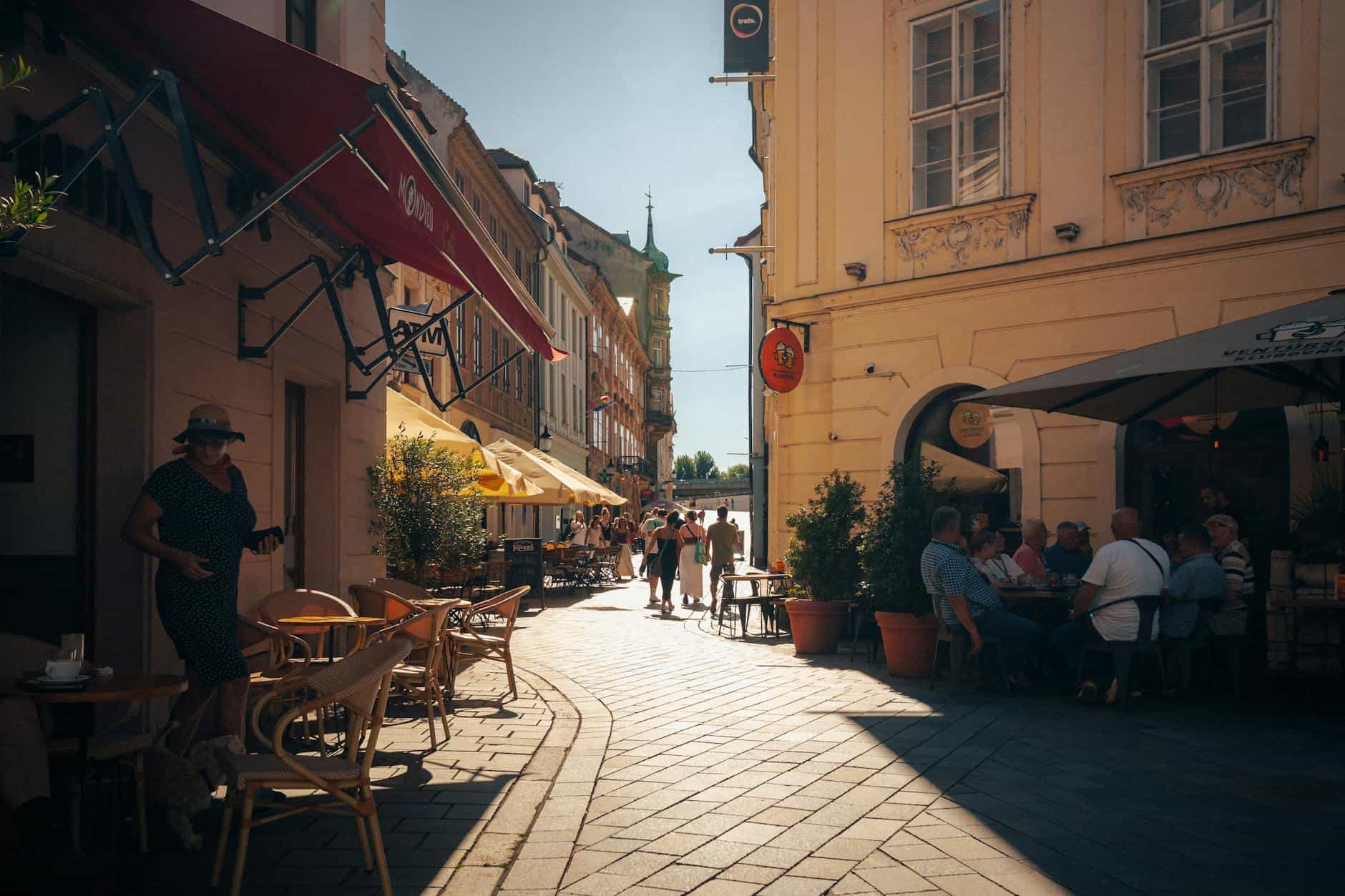
- France The “French hate Americans” narrative is overstated and has been for 40 years. Paris has friction — it’s a major tourist city that has been overwhelmed by poorly-behaved visitors of every nationality, not just Americans. The friction is real; it’s not specifically anti-American. Speak even basic French, approach interactions with patience, and the experience changes dramatically. Rural France and smaller cities outside Paris are significantly warmer.
- Mexico The US–Mexico relationship is politically fraught in ways that have filtered into some public opinion. Most tourist areas (Oaxaca, Mexico City, the Yucatan) receive Americans warmly, partly because American tourism is economically significant and partly because individual hospitality is a genuine cultural value. In border regions and areas with heavy US expat presence, some locals hold more ambivalent views — not hostile, but not the effusive warmth of Japan or Albania.
- Germany Germans are generally cordial and efficient with tourists. They are not effusive. American enthusiasm and small-talk culture can clash with German directness in ways that feel like coldness but aren’t hostility. Learn the basics, be on time, lower your voice — the experience improves immediately.
- Argentina Argentines are proud of their European cultural heritage and can be initially reserved with American tourists. The political left in Argentina has historical grievances with US policy in South America. Individual travelers report warm reception once actual conversation happens; the initial coldness is cultural, not personal.
Countries Where Anti-American Sentiment Is Real and Felt
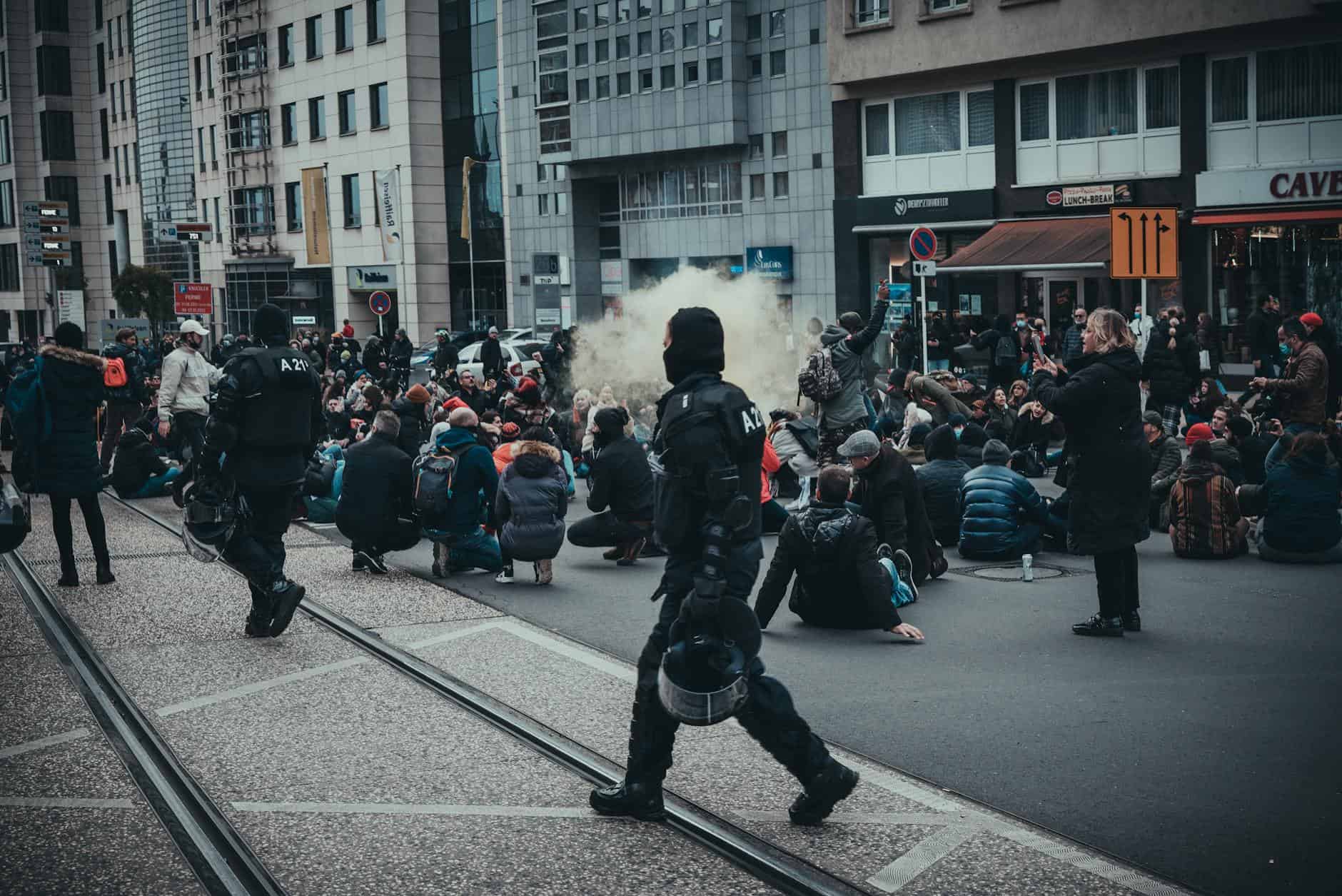
This section requires a clear caveat: in all of these countries, individual travelers can and do have positive experiences. The issue is that the ambient tension requires more deliberate navigation, and in some cases is simply present regardless of your personal behavior.
- Iran This is the clearest case of a split between official government anti-Americanism and individual warmth. Iran’s government has maintained “Death to America” as a slogan for decades. Individual Iranian citizens, by all accounts from the rare Americans who visit, are among the most hospitable and curious people in the region. The problem is practical: US citizens cannot easily visit Iran (no diplomatic relations, significant visa hurdles), and the risk environment for Americans there is materially different. The people are often wonderful. The government’s posture toward Americans is adversarial by design.
- Russia The political relationship has deteriorated to a point that makes American travel to Russia both practically difficult (sanctions, suspended air service) and personally complex. American travelers who visited in prior years reported individual warmth mixed with political frustration — particularly outside Moscow. Currently, travel is not advisable and the US State Department has had a Level 4 “Do Not Travel” advisory in place. This isn’t about tourist reception; it’s about the actual risk environment.
- Certain regions of the Middle East Beyond Iran, parts of Iraq, Yemen, Syria, and other conflict zones have genuine danger environments for Americans specifically. This goes beyond sentiment to active threat. The State Department advisories here are not bureaucratic caution — they reflect real risk.
- Bolivia and Venezuela Left-populist governments in both countries have historically framed the US as a political adversary. In Bolivia, American travelers report occasional friction in political discussions and some wariness in rural areas tied to US drug war involvement. Venezuela’s severe economic crisis means tourism is minimal, and the safety environment for any foreign visitor is challenging.
What Actually Changes the Reception You Get
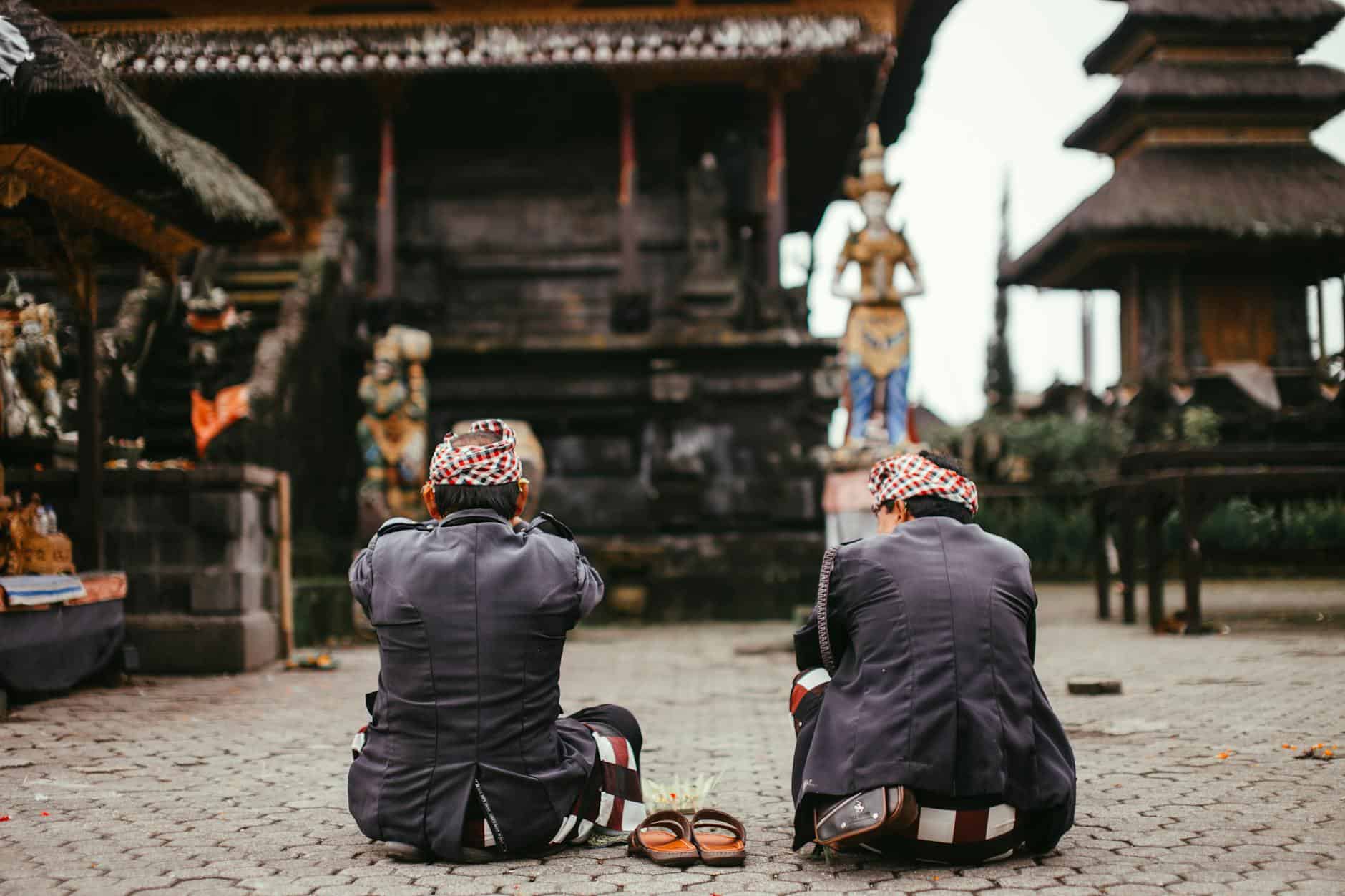
Beyond the destination, behavior matters enormously:
- Learning 10–20 words of the local language consistently earns goodwill in every country without exception. “Please,” “thank you,” “hello,” “I’m sorry” in the local language changes how you’re perceived immediately.
- Volume is a genuine American cultural export that creates friction. Americans on average are louder in public spaces than most of the cultures they visit. Being aware of this and adjusting is not capitulation; it’s courtesy.
- Tipping culture varies enormously. In Japan, tipping is considered rude — put your yen away. In the US, not tipping is considered rude. Learn the local norm before you arrive.
- Political opinions: In countries with ambivalent views of US policy, leading with political opinions or defending US foreign policy decisions almost never improves the conversation. Listening, asking questions, and acknowledging complexity goes much further.
The Universal Rules That Improve Your Reception Anywhere

- Arrive curious, not demanding.
- Learn the greeting and thank-you in every language. It takes five minutes and makes a real difference.
- Don’t compare everything to America. “This is nothing like home” is the phrase that follows Americans through every country with a reputation attached.
- Read the State Department country information page before you go — not to be scared, but to understand the actual situation on the ground.
- Remember that locals have seen thousands of tourists. The ones who stand out positively are the ones who seemed genuinely interested in being there, not just passing through.
The countries that genuinely welcome Americans are genuinely wonderful to visit as an American. The countries with more complex dynamics are not necessarily worse destinations — they just require more thoughtfulness. And in most of them, the reward for that thoughtfulness is an experience that a different kind of traveler would never have.