Pensacola and Seaside Are Technically Florida. Nothing About Them Feels Like the Rest of the State
We may earn money or products from the companies mentioned in this post. This means if you click on the link and purchase the item, I will receive a small commission at no extra cost to you ... you're just helping re-supply our family's travel fund.
The Florida Panhandle sits closer to Atlanta than to Miami, both geographically and culturally, and the towns strung along its coastline, Pensacola, Seaside, Apalachicola, feel like they were assembled from a different state’s blueprint than the one that produced South Beach and Orlando’s theme park corridor. Locals here often call the rest of the state by a specific, slightly resentful shorthand: south Florida is a different place that happens to share a name.
Pensacola: A Military Town With Genuinely White Sand
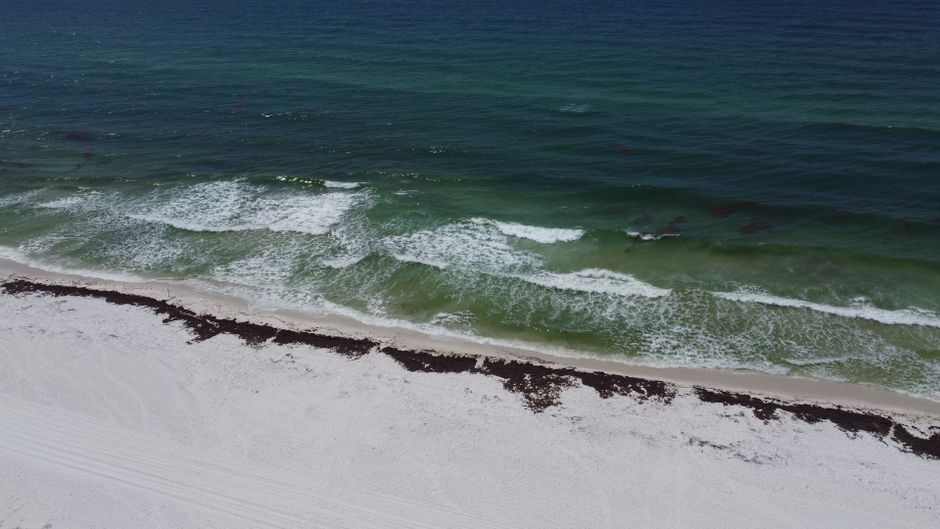
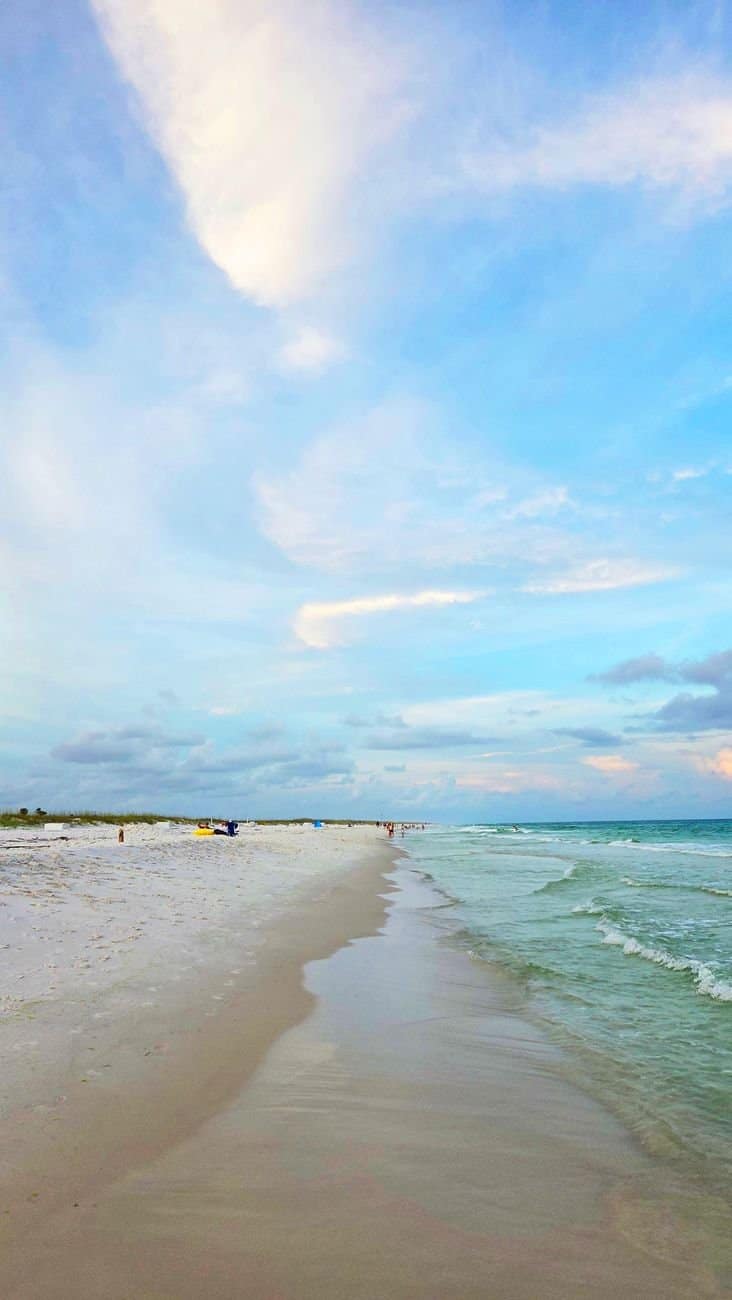
Pensacola’s identity is built around Naval Air Station Pensacola, home to the Blue Angels flight demonstration squadron, giving the city an economic and cultural backbone that has nothing to do with tourism seasonality. The beaches here, on Santa Rosa Island, are made of quartz sand from the Appalachian Mountains, ground down over millennia into a texture so fine it squeaks underfoot, and the water runs a clear emerald green more associated with the Caribbean than with the Gulf Coast most Americans picture. Unlike Florida’s peninsula, Pensacola’s downtown has a genuine historic district, with Spanish and British colonial architecture reflecting a settlement history that predates St. Augustine’s rival claim to the title of oldest European settlement in the continental U.S.
What Makes Pensacola Different
- A year-round military and defense-industry economic base that doesn’t collapse in the off-season the way tourist-only towns do
- Quartz sand beaches that stay cool underfoot even in summer, unlike the darker sand further south
- A downtown historic district with genuine 18th-century colonial buildings, not resort-era construction
- Considerably lower average visitor and rental costs than Destin or the Emerald Coast just to the east
Seaside: The Planned Town That Became a Movie Set
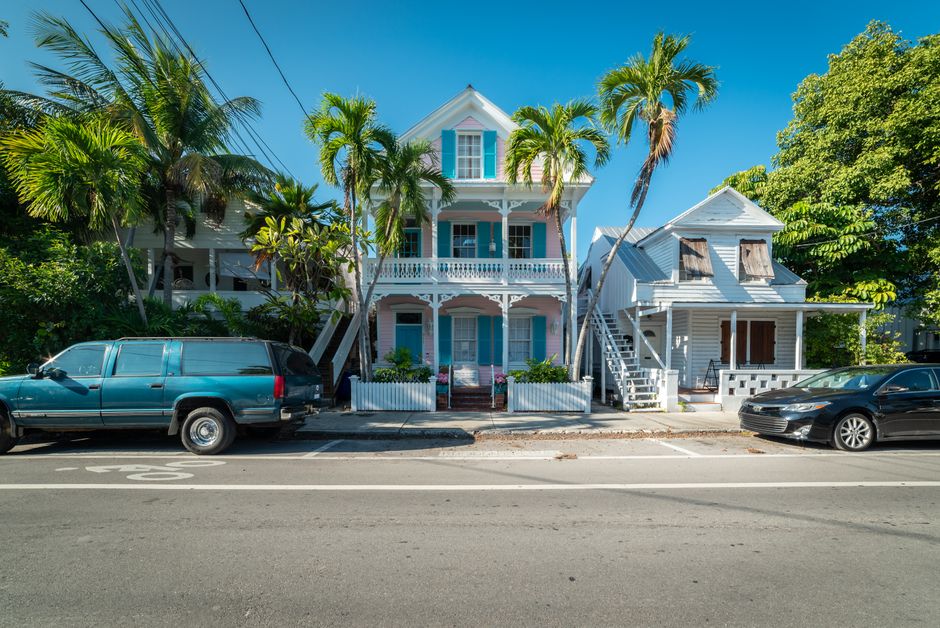
Seaside, Florida was designed from scratch in the 1980s as a New Urbanist experiment, all pastel cottages, walkable streets, and strict architectural codes, and it became so visually distinctive that it was used as the primary filming location for The Truman Show in 1998. That cinematic association has only deepened the town’s uncanny, curated feel; walking through it can genuinely feel like walking onto a set, because in a real sense, it was one. Seaside anchors a stretch of Highway 30A now dotted with similar planned communities, Rosemary Beach, Alys Beach, WaterColor, that share its aesthetic but each carry distinct pricing and character.
The 30A Corridor’s Own Ecosystem
- Rosemary Beach leans slightly more upscale and European in architectural style than Seaside
- Alys Beach is built almost entirely in stark white Bermuda-style architecture, the most visually extreme of the planned communities
- WaterColor offers more standard vacation-rental infrastructure with slightly less architectural rigidity
- The entire corridor bans large hotel chains in favor of small inns and rental cottages, keeping the area’s scale deliberately small
Apalachicola: The Panhandle Town Development Skipped
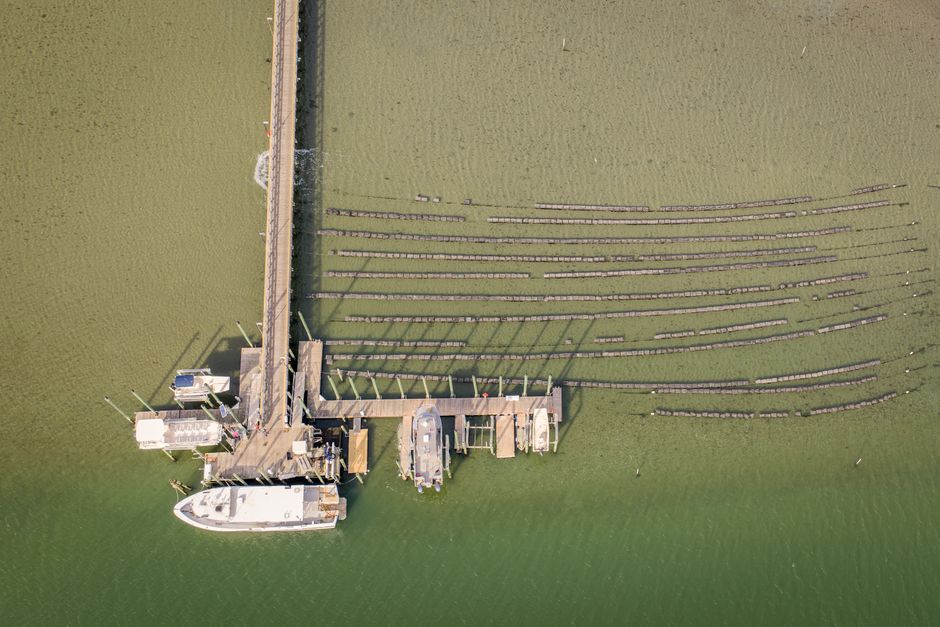
Apalachicola sits further east along the Forgotten Coast, a stretch of Panhandle shoreline that intentionally avoided the high-rise development that transformed much of coastal Florida. The town built its economy on Apalachicola Bay oysters for over a century, though overharvesting and reduced freshwater flow from upstream dams have devastated the wild oyster population in recent years, forcing the local seafood industry to lean more heavily on aquaculture and imported product from other Gulf regions. What remains is a working fishing town with genuine, unpolished historic architecture and none of the manufactured charm of Seaside just up the coast.
Travelers expecting one unified ‘Florida’ experience are consistently thrown off by the Panhandle. There’s no theme park logic here, no year-round humidity-soaked tourist machine. It runs on military payrolls, oyster boats, and a deliberate rejection of the high-rise model that defines the rest of the state’s coastline, and that rejection is precisely why people who find it tend to come back.
Why the Panhandle Stayed Different
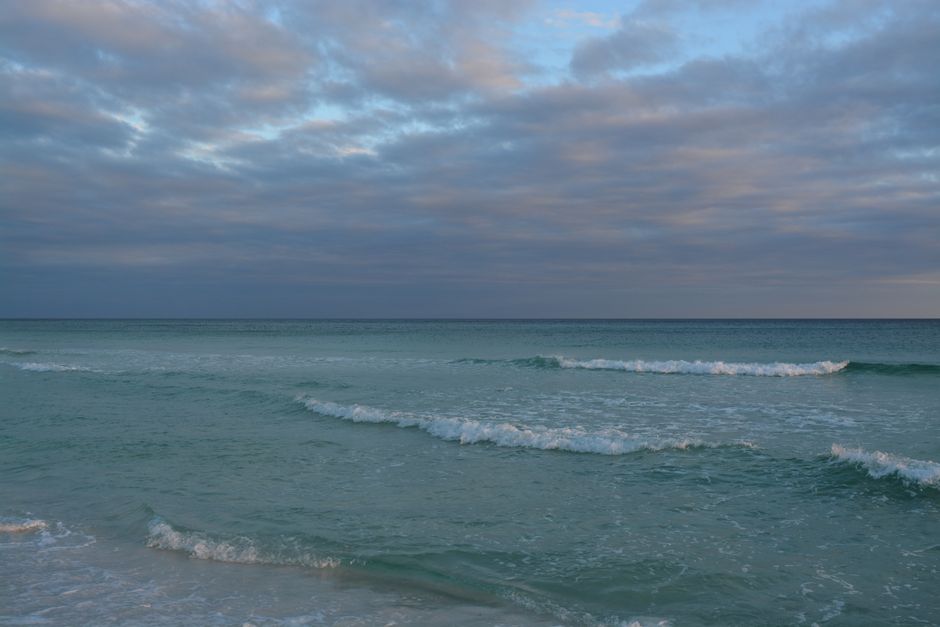
The Panhandle’s divergence from peninsula Florida traces back to basic geography and settlement patterns. The region developed around military installations, timber, and fishing industries long before Florida’s tourism boom took off in the mid-20th century, and by the time that boom hit, land use patterns and local political power structures were already established enough to resist the kind of large-scale resort development that transformed the Atlantic and southern Gulf coasts. Walton County, home to the 30A corridor, deliberately capped building heights and commercial density decades ago, a set of restrictions peninsula Florida largely abandoned as it chased tourism dollars.
There’s also a cultural throughline connecting the Panhandle more to the Deep South than to the rest of Florida. The regional accent, food, and social rhythms in Pensacola or Tallahassee have more in common with Mobile, Alabama or Savannah, Georgia than with Tampa or Orlando, a fact locals reference constantly, often with a note of regional pride bordering on separatism. Some Panhandle residents have only half-jokingly floated the idea of splitting from the rest of the state entirely, a sentiment that surfaces periodically in local politics without ever gaining real traction.
None of the Panhandle’s three distinct identities, military town, planned resort corridor, working fishing village, are likely to merge into a single unified brand anytime soon, and that’s arguably the point. Each town built its economy and character around a genuinely different industry rather than imitating what worked for Miami or Orlando, and that independence from the rest of the state’s tourism formula is exactly what keeps bringing a specific kind of traveler back who never wanted the rest of Florida in the first place.
Property values along the most protected stretches of 30A have risen accordingly, turning what began as a deliberate anti-development stance into one of the more expensive small-town real estate markets in the state, a slightly ironic outcome for a corridor that built its identity on resisting exactly that kind of growth.
Visitors planning a Panhandle trip should treat it as three distinct regional experiences rather than one unified itinerary, since the drive from Pensacola to Apalachicola covers roughly three hours and passes through towns with genuinely different economies, architecture, and pace, a level of internal variety most first-time visitors from outside the South don’t expect from a single coastline.