The Liberty Bell Gets the Tour Buses. Fishtown and East Passyunk Get Everyone Who Actually Wants to Eat Well.
We may earn money or products from the companies mentioned in this post. This means if you click on the link and purchase the item, I will receive a small commission at no extra cost to you ... you're just helping re-supply our family's travel fund.
Philadelphia’s historic core — Independence Hall, the Liberty Bell, Old City’s cobblestone blocks — remains the default itinerary for most first-time visitors, and it’s a legitimate must-see. But it represents almost none of what makes Philadelphia’s current cultural and culinary reputation among the strongest of any mid-size American city. That reputation lives largely in Fishtown, Kensington, and East Passyunk — three neighborhoods within a short SEPTA ride of Center City that carry entirely different characters, price points, and histories.
Fishtown: From Shad Fishing to Forbes’ Coolest Neighborhoods List
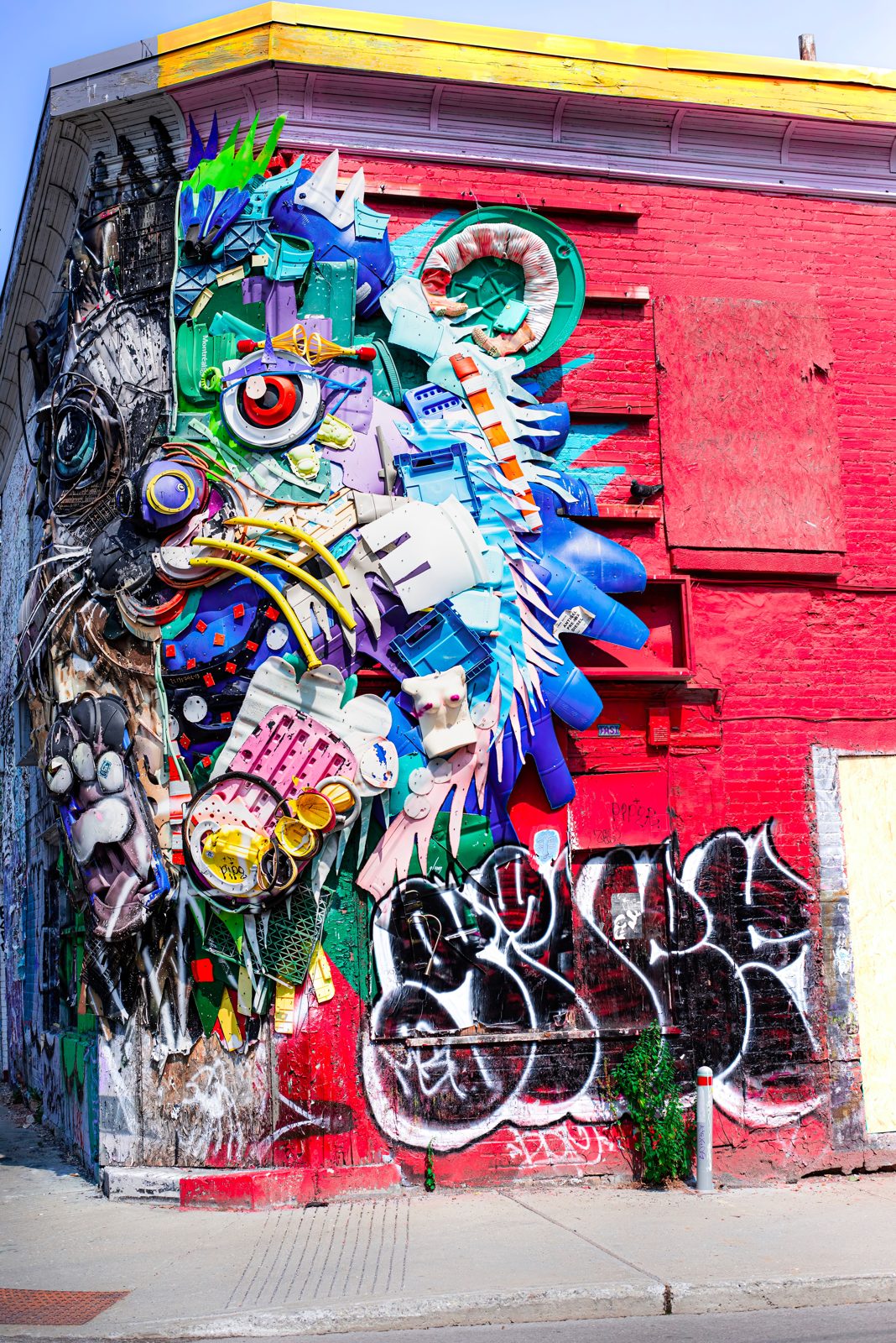
Fishtown takes its name from its 19th-century identity as a shad-fishing community along the Delaware River, and its transformation into one of Forbes’ cited “world’s coolest neighborhoods” represents one of the more dramatic reinventions in recent Philadelphia history. Frankford Avenue now anchors a corridor of music venues — Johnny Brenda’s, The Fillmore, Kung Fu Necktie — alongside coffee roasters and restaurants that regularly appear on national best-of lists. Home values have nearly tripled since the Great Recession, with prices climbing more than 6% annually and most single-family homes selling within four weeks of listing, according to neighborhood market data (Metropolitan Shuttle).
Kensington: The Neighborhood That Resists Easy Description
- South Kensington has stabilized into a safe, quiet residential area with new construction and good restaurants along the elevated train line
- East Kensington mixes expensive new townhomes with ongoing, serious drug and public health crises concentrated along specific corridors
- Olde Kensington/Norris Square retains a predominantly Puerto Rican working-class identity around a genuinely well-kept central park
- The neighborhood as a whole illustrates how gentrification and entrenched urban crisis can occupy immediately adjacent blocks without either fully displacing the other
East Passyunk: Old-School South Philly That Never Actually Left
Unlike Fishtown’s more complete reinvention, East Passyunk’s food and cultural identity built on top of, rather than replacing, its existing Italian-American working-class base. Ralph’s Italian Restaurant has operated on the strip for 123 years, while newer additions like a 22-year-old Indonesian family restaurant and Vietnamese-inspired spots demonstrate how the avenue’s roughly 150 independent businesses — about half of them women-owned — have layered new culinary traditions onto old ones rather than erasing them (Metropolitan Shuttle). East Passyunk Avenue has been named among America’s top foodie streets, a distinction that sits somewhat incongruously alongside Pat’s and Geno’s iconic, tourist-mobbed cheesesteak stands at its northern end.
What Locals Actually Argue About
Ask Philadelphia residents to rank these neighborhoods and you’ll get genuine, sometimes heated disagreement — Fishtown boosters point to its music and nightlife density, East Passyunk loyalists argue its food scene runs deeper and its community feels more authentically Philadelphian rather than imported, and Kensington’s defenders (a smaller but committed group) argue that reducing an entire, complicated neighborhood to its worst blocks erases the families and small businesses who’ve lived there for generations. None of this disagreement exists in the tourist-brochure version of the city built around Independence Hall.
How to Actually Build a Trip Around This
A reasonable two-day itinerary spends one day on the historic core most visitors already expect, then a second day exploring Fishtown by afternoon and evening — Frankford Avenue for shopping and coffee, dinner and live music by night — followed by a final morning or afternoon in East Passyunk for the food scene that locals overwhelmingly agree represents the city’s best value and depth. Both neighborhoods sit a reasonable SEPTA ride or ten-minute Uber from Center City hotels, making this a genuinely achievable add-on rather than a full detour, and it’s the single most common piece of advice Philadelphia locals give visitors who ask what they’re missing.
Why These Neighborhoods Rarely Make the Official Tourism Map
Philadelphia’s official tourism marketing has historically centered on its Revolutionary-era history, a genuinely marketable and internationally recognizable brand that’s easier to promote to first-time visitors than a neighborhood-by-neighborhood food and culture pitch. That’s slowly changing as food media and travel publications increasingly cover Fishtown and East Passyunk directly, but the shift in visitor behavior lags the shift in press coverage, meaning many first-time visitors still spend their entire trip within walking distance of Independence Hall without realizing how much of the city’s current identity lives elsewhere.
Getting Between Neighborhoods
- SEPTA’s Market-Frankford Line connects Center City directly to Fishtown’s edge in under 15 minutes
- East Passyunk is best reached by a short rideshare or the Broad Street Line plus a walk; it’s less directly transit-accessible than Fishtown
- Kensington’s safety varies block by block enough that checking current conditions for a specific address before visiting is genuinely worthwhile, not excessive caution
The Bottom Line for Anyone Planning a Trip
Independence Hall will always anchor a first-time visitor’s itinerary, and it should. But treating Philadelphia as finished after the historic core means missing the neighborhoods that best explain why the city’s food and culture scene has become one of the most respected in the country over the past decade.