
Cleveland Keeps Getting Called a Comeback City. Here’s What Nobody’s Actually Measuring
We may earn money or products from the companies mentioned in this post. This means if you click on the link and purchase the item, I will receive a small commission at no extra cost to you ... you're just helping re-supply our family's travel fund.
Cleveland has been a comeback city for 15 years in the press and about 3 of those years in reality. The story is more complicated than either the boosterism or the pessimism allows, and understanding it matters whether you’re considering moving there, visiting for the first time, or trying to make sense of a place that keeps almost making it to the next level.
What the Actual Data Shows
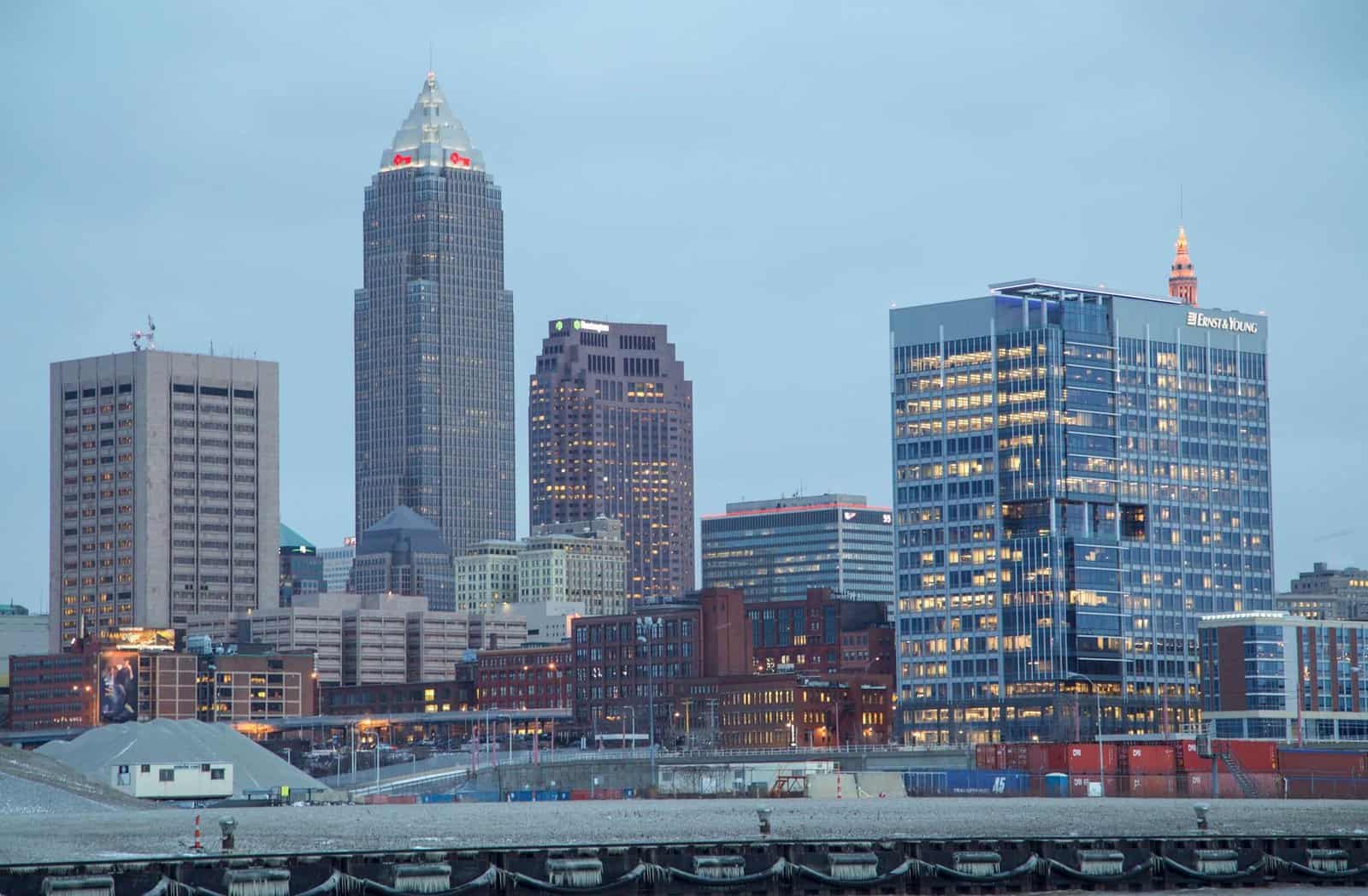
The City of Cleveland proper has continued to lose population — from about 385,000 in 2010 to roughly 360,000 by the mid-2020s. That’s the metric that headline writers skip when they publish the comeback story. The broader metro area has been more stable, and certain inner-ring suburbs — Lakewood, Cleveland Heights, Shaker Heights — have actually gained population as people seek walkable neighborhoods close to the city’s cultural institutions at prices that are dramatically below comparable cities.
The Neighborhoods That Are Actually Improving
The neighborhoods that have genuinely changed are specific and concentrated. Ohio City and Tremont, west of downtown, have developed into legitimate dining and arts corridors. Detroit-Shoreway has seen significant investment. University Circle — the neighborhood anchoring the Cleveland Clinic, Case Western Reserve University, the Cleveland Museum of Art, and Severance Hall — represents one of the most underrated cultural concentrations in any American city of Cleveland’s size.
What University Circle contains within walking distance:
- Cleveland Museum of Art: free admission, world-class collection
- Severance Hall: home of the Cleveland Orchestra, one of the top five in the world
- Cleveland Museum of Natural History
- Western Reserve Historical Society
- Multiple hospitals employing tens of thousands
The Housing Market: Where Cleveland Actually Stands
Cleveland’s median home price as of 2026 is approximately $115,000 for the city proper — among the lowest of any major American city. Lakewood and Cleveland Heights run $200,000–$280,000. Shaker Heights, where the housing stock includes genuinely beautiful early-20th-century houses, runs $250,000–$400,000 for properties that would be $800,000 in Boston or Chicago.
The housing price reflects two things simultaneously: genuine affordability and genuine risk. The east side of Cleveland has some of the highest concentrated poverty rates in the Midwest. Property taxes in some Cuyahoga County municipalities are surprisingly high relative to home values. And anyone investing in Cleveland real estate has to be willing to hold through the parts of the story that don’t make the comeback articles.
Cleveland as a Travel Destination — The Honest Case
What Cleveland does better than cities twice its reputation:
- Food scene: genuinely excellent and deeply underpriced vs. comparable cities
- Cleveland Museum of Art: free, world-class — most visitors don’t know it’s free
- West Side Market: one of the best public markets in the US, open for 100+ years
- Rock and Roll Hall of Fame: the obvious one, but genuinely well-done
- Lake Erie waterfront: more accessible and pleasant than visitors expect
What Cleveland struggles with:
- November through March: genuinely brutal winters with lake-effect snow
- Geographic concentrations of poverty that are hard to avoid awareness of
- Limited walkable retail outside specific neighborhoods
- Airport with fewer direct routes than the city’s size would suggest
Cleveland is a real city with real things to offer and real problems that nobody who lives there pretends aren’t there. The comeback narrative has been partially true and partially wishful thinking depending on the year you’re reading it. What’s more useful than the narrative is the specific: if you go to the right neighborhoods, eat at the right restaurants, visit the free world-class art museum, and walk the Ohio City market, you’ll spend a weekend in a city that punches significantly above what its reputation suggests. That’s worth knowing, even without the comeback headline.
Cleveland’s Cultural Assets That Drive the Comeback Narrative
Cleveland’s identity has been rebuilt around three assets that existed before the comeback narrative and have improved steadily: the Cleveland Museum of Art (free admission, one of the top 6 encyclopedic art museums in the United States), University Circle (the cultural district containing the art museum, the Cleveland Orchestra’s Severance Hall, and the Cleveland Botanical Garden in a walkable 1-mile radius), and the Rock & Roll Hall of Fame (the only dedicated rock music museum in the world). The combination of free world-class art, the most-acclaimed orchestra in the United States for recorded history, and rock history in one neighborhood cluster is a cultural offering that cities with four times Cleveland’s population would market aggressively.
The Cuyahoga Valley National Park — 33,000 acres of river valley terrain with waterfalls, gorges, and a historic towpath trail following the old Ohio and Erie Canal — starts 15 minutes south of downtown Cleveland. The Brandywine Falls section of the park, with a 65-foot waterfall accessible via a 1.5-mile round trip trail, is the most visited feature; the towpath trail is one of the best flat-terrain cycling trails in the Midwest, running 87 miles from Cleveland to Akron. The park is free. The combination of national park access within 15 minutes of a major city with a world-class art museum is available in Denver and Cleveland — and Cleveland costs significantly less.