Rocky Mountain National Park Gets 4 Million Visitors a Year. Estes Park Has to Absorb All of Them First
We may earn money or products from the companies mentioned in this post. This means if you click on the link and purchase the item, I will receive a small commission at no extra cost to you ... you're just helping re-supply our family's travel fund.
Rocky Mountain National Park draws roughly 4 million visitors annually, and nearly all of them pass through Estes Park, the gateway town of fewer than 6,000 year-round residents that sits at the park’s eastern entrance. That math — a town smaller than many American high schools’ student bodies, absorbing traffic equivalent to a mid-size city’s population every year — defines almost everything about how Estes Park functions, from its summer parking crisis to a local economy that runs almost entirely on a five-month tourist season.
What Peak Summer Actually Looks Like on the Ground
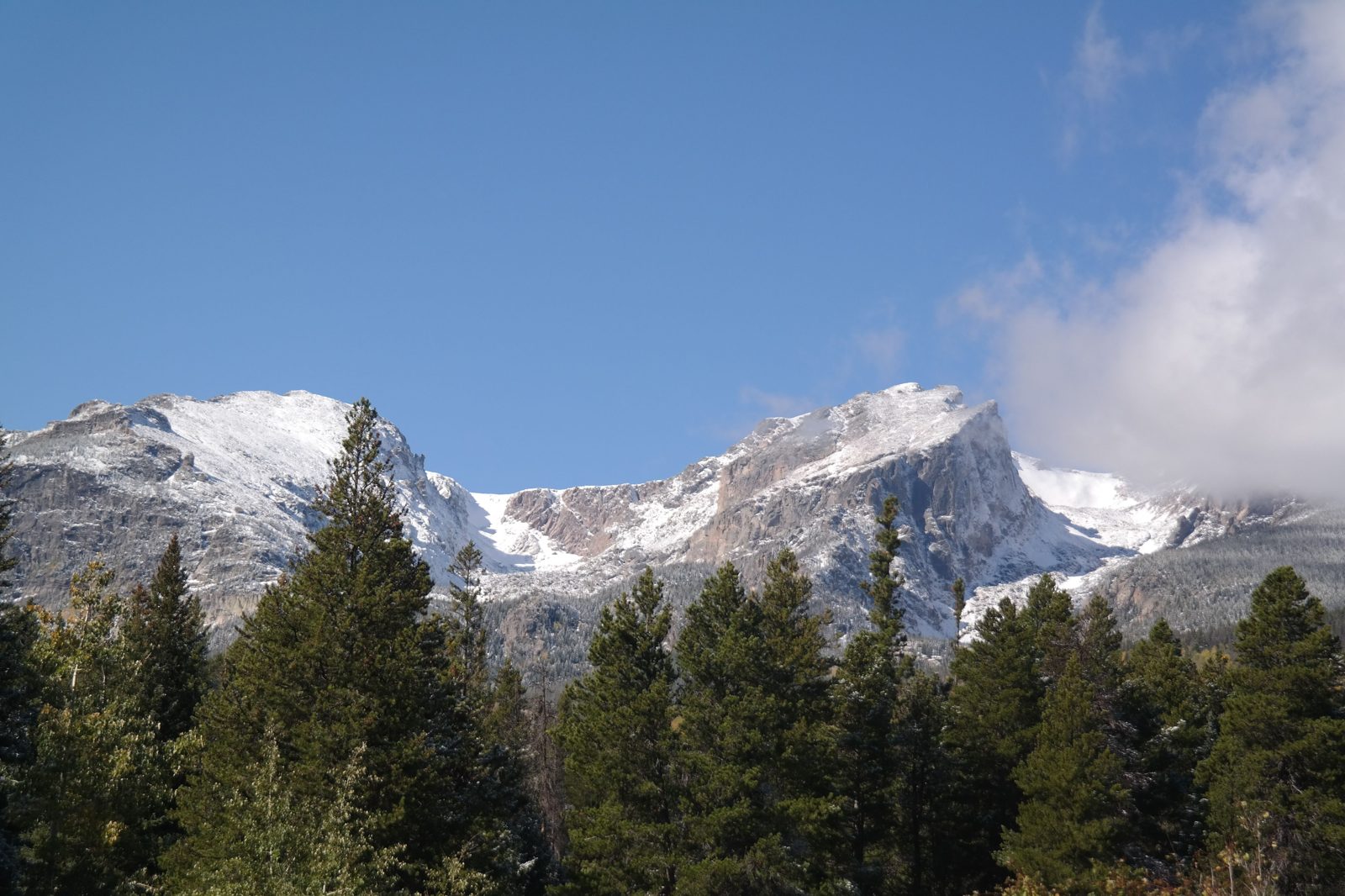
Elkhorn Avenue, the town’s main commercial strip, becomes a slow-moving pedestrian and vehicle crush by mid-morning throughout July and August, with visitors circling for parking near trailheads that fill their lots before 8 a.m. on weekends. The National Park Service has responded with a timed-entry reservation system for the park’s most popular corridors, an acknowledgment that unmanaged demand had genuinely begun to threaten both the visitor experience and the park’s ecology in high-traffic areas like Bear Lake Road (National Park Service).
The Numbers Behind the Squeeze
- Roughly 4 million annual park visitors funneling primarily through a town of under 6,000 residents
- The drive from Denver to Estes Park via US-36 typically runs 1.5-2 hours, making it an accessible day trip for the entire Front Range metro population
- Elk herds famously wander directly into town during fall rutting season, creating their own traffic and safety management challenge layered on top of tourist congestion
- The town’s economy depends heavily on a roughly five-month peak season, with many businesses closing or scaling back dramatically in winter
Why Estes Park Can’t Simply Build Its Way Out of This
Unlike gateway towns with room to sprawl, Estes Park sits in a narrow mountain valley with limited buildable land, hemmed in by national forest and park boundaries on most sides. That geographic constraint means the town can’t meaningfully expand its commercial or parking footprint to match growing visitor numbers, which is part of why the National Park Service’s timed-entry system has become less a temporary pandemic-era measure and more a permanent management tool. Local business owners have mixed feelings about the reservation system: it reduces the single-day traffic peaks that overwhelmed the town in the years before its introduction, but it also caps the ceiling on daily visitor spending that many businesses depend on.
The Housing Crisis Underneath the Tourist Crowds
Estes Park’s workforce housing shortage mirrors the crisis found in nearly every mountain gateway town in the American West — Jackson Hole, Aspen, and Whitefish all share the same basic dynamic. Seasonal and service workers who staff the town’s restaurants and shops increasingly can’t afford to live within a reasonable commute, given that much of the town’s housing stock has been converted to vacation rentals or purchased as second homes by Front Range residents. The town has explored workforce housing initiatives, but the same geographic land constraints that limit commercial expansion apply just as forcefully to residential development.
How to Actually Visit Without Adding to the Problem
Visiting during shoulder seasons — May-June before school lets out, or September after Labor Day — delivers a dramatically different experience than a July weekend, with comparable weather in many years and a fraction of the crowds. Booking the park’s timed-entry permits well in advance and arriving before 7 a.m. for popular trailheads remain the most reliable strategies for visitors determined to come during peak summer. Beyond timing, spending money at Estes Park’s independent, locally owned businesses rather than the chain options that have crept onto Elkhorn Avenue in recent years is one of the more direct ways visitors can support the workforce actually absorbing the crowds on a daily basis.
What the Timed-Entry System Actually Changed
Since its introduction, the reservation system has measurably smoothed out the single-day traffic spikes that used to shut down Bear Lake Road parking by mid-morning on summer weekends, according to Park Service traffic data cited in coverage of the program’s ongoing adjustments. It hasn’t reduced overall annual visitation meaningfully — visitors have simply learned to plan ahead and reserve entry windows rather than showing up unannounced — but it has shifted some of the burden from the park itself back onto Estes Park’s town infrastructure, since visitors without a reservation window still need somewhere to be, and that’s usually Elkhorn Avenue.
Practical Advice for a Summer Visit
- Reserve timed-entry permits through recreation.gov as early as the booking window allows, typically weeks in advance for peak summer dates
- Trail Ridge Road, the park’s highest paved route, typically doesn’t open fully until Memorial Day and can close again as early as mid-October
- Staying in Estes Park itself rather than commuting from Denver saves significant time but comes at a real cost premium during peak season
The Bottom Line for Anyone Planning a Trip
Rocky Mountain National Park’s popularity isn’t going anywhere, and neither is the small town absorbing most of its visitor traffic. Understanding that relationship before you go — and timing your visit accordingly — is the difference between a trip that feels like a crush of traffic and one that actually delivers the mountain scenery you came for.