New Hampshire’s Coastline Is 18 Miles Long. Rye Alone Has Nearly Half of It
We may earn money or products from the companies mentioned in this post. This means if you click on the link and purchase the item, I will receive a small commission at no extra cost to you ... you're just helping re-supply our family's travel fund.
New Hampshire has the shortest coastline of any coastal U.S. state, a stretch most commonly measured at 18 miles between the Massachusetts border and Maine, running through exactly six towns: Seabrook, Hampton, North Hampton, Rye, New Castle, and Portsmouth (WorldAtlas). Rye alone accounts for roughly eight of those 18 miles, according to regional beach data, making it the dominant landholder along a coastline most people don’t even realize is measurable in single digits of towns rather than dozens.
How Six Towns Pack in This Much Variety
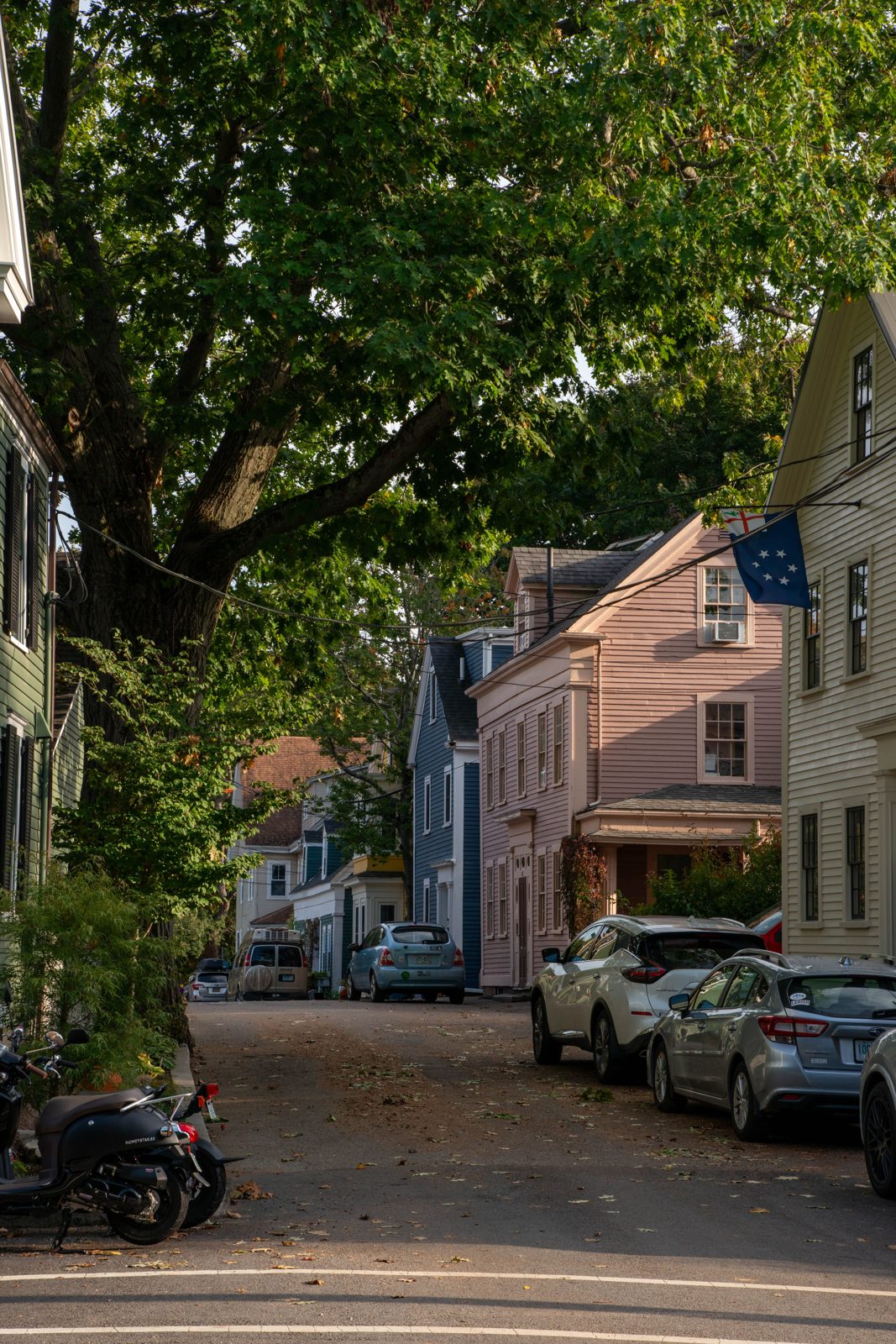
Despite its brevity, the Seacoast region functions as one of the most economically dense and historically significant stretches of coastline in New England. Portsmouth, the region’s anchor city with a population just over 22,000, is rated one of New Hampshire’s most walkable cities and holds a genuinely historic downtown core, cobblestoned streets, and a working harbor that still supports commercial fishing alongside its tourism economy (Back Road Journal). Hampton Beach, by contrast, delivers the classic boardwalk beach-town experience — arcades, fried dough, a summer concert series — that most visitors picture when they think “New England beach town.”
What Each Town Actually Delivers
- Hampton Beach: the region’s classic boardwalk beach town, with the most concentrated tourist infrastructure and summer crowds
- Rye: the longest stretch of actual coastline, quieter and more residential, with several small state-run beaches including Jenness and Wallis Sands
- Portsmouth: the region’s cultural and economic anchor, with Strawbery Banke Museum’s living history exhibits and a genuinely respected restaurant scene
- New Castle: New Hampshire’s smallest town by area, an island community connected by bridges, home to historic Fort Constitution and some of the region’s most expensive real estate
- Seabrook: the southern gateway, more industrial and working-class in character than its northern neighbors, anchored partly by the Seabrook nuclear power station
Why This Sliver of Coast Matters Disproportionately
The region functions as New Hampshire’s primary maritime economic gateway despite its tiny footprint, home to the Port of New Hampshire in Portsmouth and serving as the connective tissue between the state’s otherwise landlocked mountain-and-lakes identity and the Atlantic economy. It also carries outsized political and cultural weight relative to its size — Portsmouth’s restaurant and brewery scene has drawn national food press attention disproportionate to a city of its population, and the Seacoast region as a whole punches well above its geographic weight in state tourism revenue.
What a Day Trip Along All 18 Miles Actually Looks Like
Driving the full length of the Coastal Byway — NH Routes 1A and 1B — takes about an hour without stops, but nobody actually does it that way. A realistic day starts with breakfast in Portsmouth’s compact downtown, continues south along Rye’s rockier, quieter shoreline with stops at Odiorne Point State Park’s Seacoast Science Center, and ends at Hampton Beach for fried dough and boardwalk energy by late afternoon. The entire experience — parking, food, a science center admission — runs a modest $50-80 for a couple, making it one of the more affordable full-coastline day trips available anywhere on the Eastern Seaboard, precisely because there’s so little of it to cover.
The Trade-Off of Having So Little Coastline
New Hampshire’s brief coastal footprint means the state has never developed the kind of large-scale beach resort economy that dominates Maine’s or Massachusetts’s coastlines, and locals largely describe that as a feature rather than a limitation. Development pressure concentrates intensely on a small area, which has kept per-acre land values high and construction dense in specific pockets, while leaving little room for the sprawling vacation-home corridors found elsewhere in New England. The compactness that makes the Seacoast easy to explore in a single day is the same quality that keeps it feeling more intensely used, and more expensive per square foot, than coastlines many times its length.
Why New Hampshire Never Fought Harder for More Coastline
New Hampshire’s brief coastal footprint traces back to colonial-era boundary decisions and later legal disputes with Massachusetts over the exact demarcation line, disputes that occasionally resurface even today over precise fishing and territorial rights in the waters off Seabrook and Salisbury. Various 20th-century proposals to formally contest or renegotiate the border for a slightly longer coastline never gained serious traction, partly because the practical economic benefit of a few additional miles of coastline was judged not worth the legal cost, leaving the state’s 18-mile figure essentially fixed for the foreseeable future.
Where to Actually Stay
- Portsmouth offers the most lodging variety, from historic inns to modern boutique hotels, and works well as a base for exploring the entire stretch
- Hampton Beach has the most beach-town motel and rental options, geared toward families wanting direct beach access
- Rye and New Castle have limited lodging options and lean toward higher-end vacation rentals rather than hotels
The Bottom Line for Anyone Planning a Trip
Eighteen miles doesn’t sound like much on a map, but New Hampshire’s Seacoast packs a genuinely full range of New England coastal experiences into a stretch you can drive in under an hour. That density is exactly what makes it worth a dedicated trip rather than a footnote on the way to Maine.