Flagstaff Isn’t Just a Pit Stop Between Phoenix and the Grand Canyon. Here’s What It Offers as a Real Destination
We may earn money or products from the companies mentioned in this post. This means if you click on the link and purchase the item, I will receive a small commission at no extra cost to you ... you're just helping re-supply our family's travel fund.
Flagstaff, Arizona gets treated as a waypoint. Drivers stop for gas, sleep before the Grand Canyon, and leave. The people who actually stop and spend two or three days there tend to be surprised by what they find — a mountain town at 7,000 feet with a legitimate history, serious outdoor access, and one of the most walkable downtowns in the Southwest. The Grand Canyon is 80 miles north. The bigger story is what’s between that and Flagstaff.
What Flagstaff Actually Is
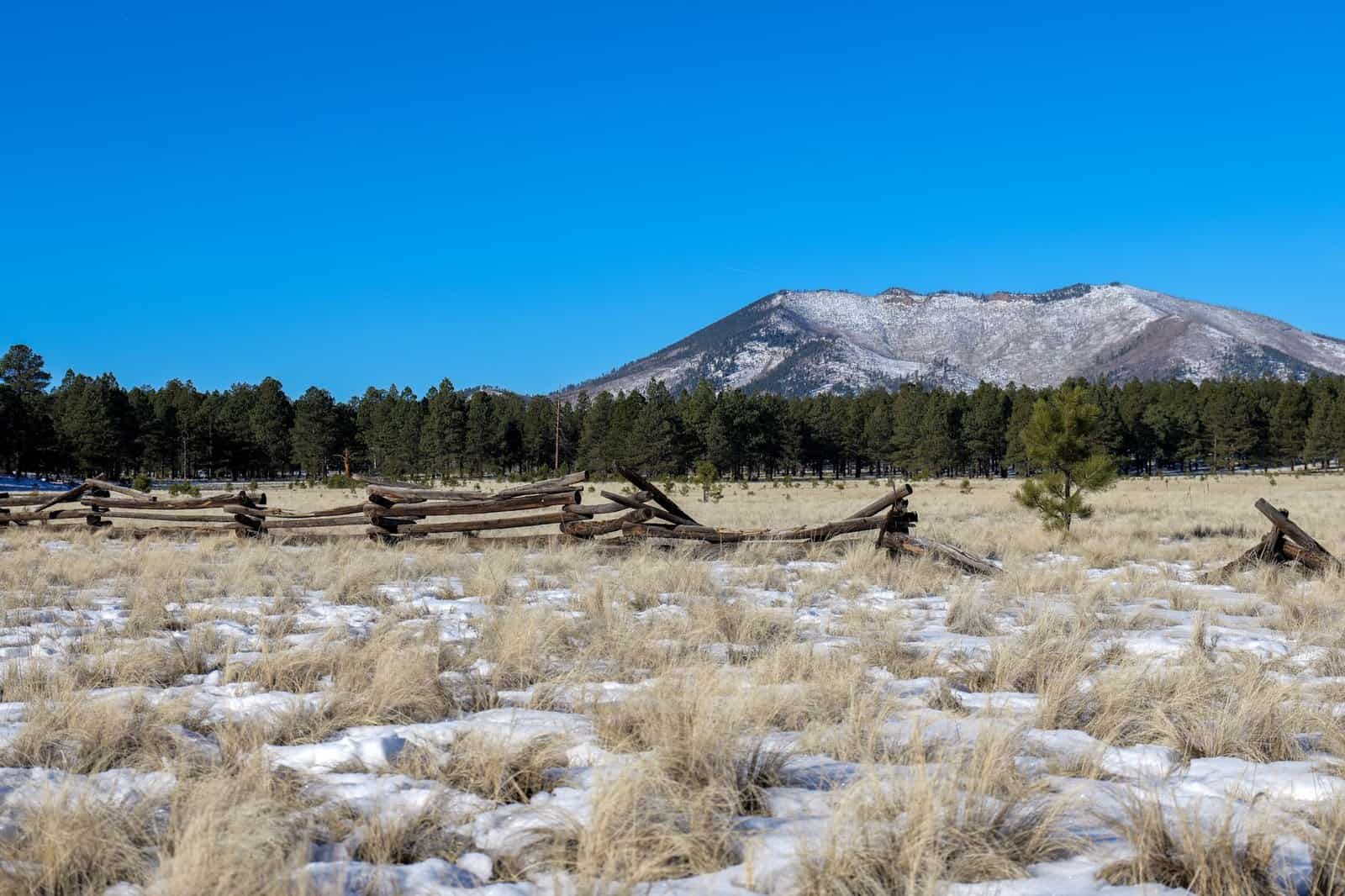
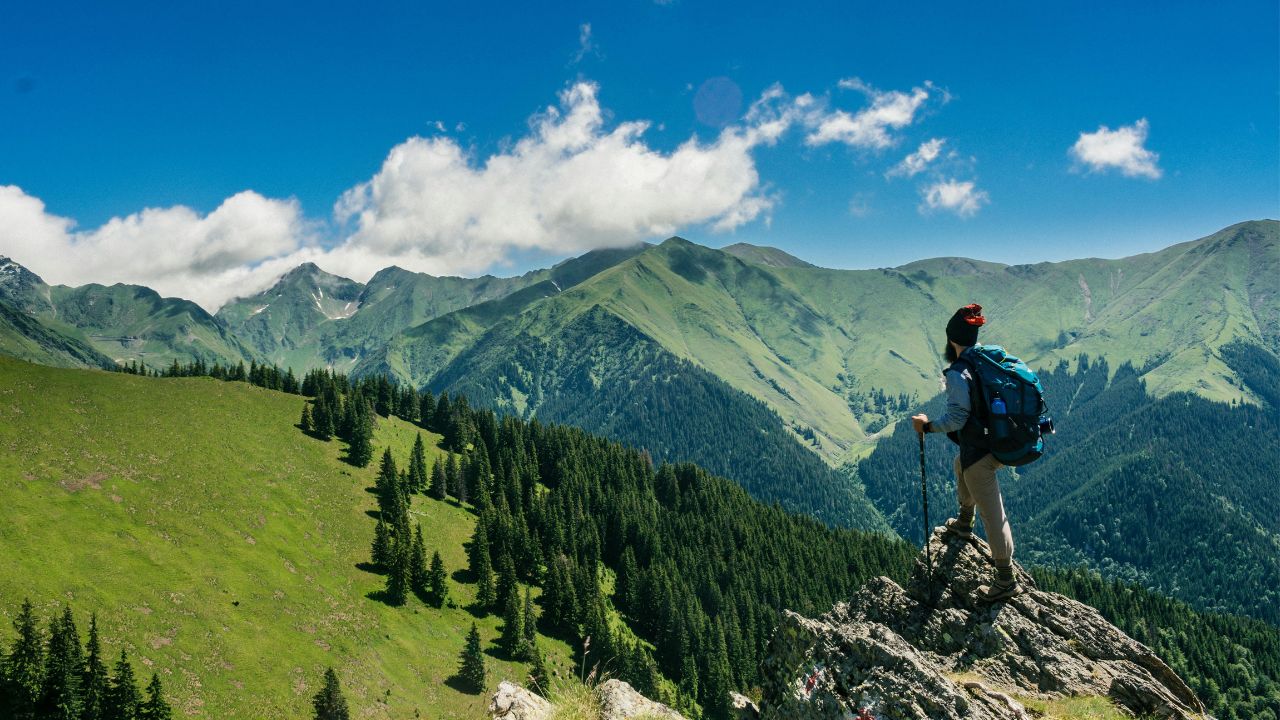
Flagstaff sits at the base of the San Francisco Peaks — a volcanic range whose highest point, Humphreys Peak, is Arizona’s tallest mountain at 12,633 feet. Northern Arizona University anchors the city and provides the demographic mix and cultural programming that makes Flagstaff feel more alive than its size (75,000 people) would suggest. The historic Route 66 corridor runs through downtown, which has a genuine brick-and-timber Main Street character that hasn’t been overrun by the national chain homogenization that happened to most Route 66 towns.
The city has been designated an International Dark Sky City — the Lowell Observatory, where Pluto was discovered in 1930, sits on a hill above downtown and offers regular public viewing programs. Clear nights at 7,000 feet elevation are genuinely spectacular for star viewing, and this is an aspect of Flagstaff that night-sky photographers specifically travel for.
The Outdoor Access Most Visitors Don’t Know About
What you can do within an hour of downtown Flagstaff:
- Hiking in Coconino National Forest: 250+ miles of maintained trails directly accessible from city trailheads
- Arizona Snowbowl: ski resort on the San Francisco Peaks, 30 minutes from downtown, moderate lift prices vs. major resorts
- Walnut Canyon National Monument: prehistoric cliff dwellings in a limestone canyon, 15 minutes east — extremely undervisited compared to Mesa Verde
- Wupatki National Monument: 800-year-old Ancestral Puebloan structures near painted desert — 45 minutes north
- Sedona: 45 minutes south
What a Flagstaff Weekend Costs
Accommodation:
- Downtown boutique hotel or inn: $140–$200/night
- Budget chain hotels 1 mile from downtown: $90–$130/night
- Grand Canyon trip rooms at peak summer: book 4–6 months ahead
Dining:
- Nice dinner for two in downtown: $65–$100
- Craft brewery meal: $40–$60 for two (Flagstaff Brewing Company, Mother Road Brewing)
- Lowell Observatory public program: $18–$22 per adult
Flagstaff runs meaningfully cheaper than Sedona or the Grand Canyon South Rim for comparable accommodation. As a base for the Grand Canyon, it’s both cheaper and more interesting than staying at the rim itself. As a destination in its own right — mountains, history, dark skies, genuine walkable downtown, serious hiking — it delivers an experience that most people who stop for gas never give it the chance to show them.
Flagstaff as a Base for Day Trips
Flagstaff’s location gives it something few small cities have: it’s within a two-hour drive of multiple world-class natural destinations that each require a full day to experience properly. The Grand Canyon South Rim is 80 miles north — the standard 90-minute tourist drive. Sedona is 28 miles south — most visitors do it as a half-day from Flagstaff, which is actually enough for the Cathedral Rock viewpoint and a vortex hike. Monument Valley is 2.5 hours northeast. The Petrified Forest National Park is 2 hours east. For the traveler building a northern Arizona itinerary, Flagstaff as a base over 3–4 nights allows a fundamentally more efficient trip than staying in Phoenix and driving the same distances from 2 hours further south.
The elevation matters more than most visitors anticipate. Flagstaff at 6,910 feet averages 100 inches of snow per year and has a genuine ski mountain — Arizona Snowbowl — with 777 vertical feet and a gondola reaching the San Francisco Peaks above 11,500 feet. Skiing in Arizona in January while the Grand Canyon is an 80-minute drive is a geographic combination that doesn’t seem possible until you’ve done it. The summer temperatures — highs in the low 80s when Phoenix is at 110°F — make Flagstaff the primary escape destination for Phoenix and Tucson residents and one of the best summer base camps in the Southwest for travelers who find the desert heat prohibitive.
What It Costs to Stay in Flagstaff
Hotel prices in Flagstaff run $120–$180/night for mid-range properties, with significantly higher rates during summer peak and Grand Canyon season (May–September). The historic downtown has independent restaurants, craft breweries, and a Route 66 heritage that adds a retro-American road trip quality to what is otherwise a college-and-outdoor-recreation town. Northern Arizona University’s presence keeps the restaurant and coffee culture active year-round and provides the demographic mix that small Western cities with only tourism and retirement lack. Flagstaff doesn’t need the Grand Canyon to justify a stop — though it has that too.