The Portland-to-Bend Move Promises More Sun and Recreation—But That 160-Mile Trade Comes With a Much Higher Cost of Entry
We may earn money or products from the companies mentioned in this post. This means if you click on the link and purchase the item, I will receive a small commission at no extra cost to you ... you're just helping re-supply our family's travel fund.
People who leave Portland for Bend often describe relief at the weather and immediate access to trails, but the move also replaces a large-city labor market and transit network with a smaller, expensive resort-influenced economy. Bend sits on the Deschutes River east of the Cascades, roughly 160 miles from Portland by road. Mt. Bachelor, the Old Mill District, and the river trail define its visitor economy, while wildfire smoke and winter driving are recurring realities.
What the place actually asks of a visitor
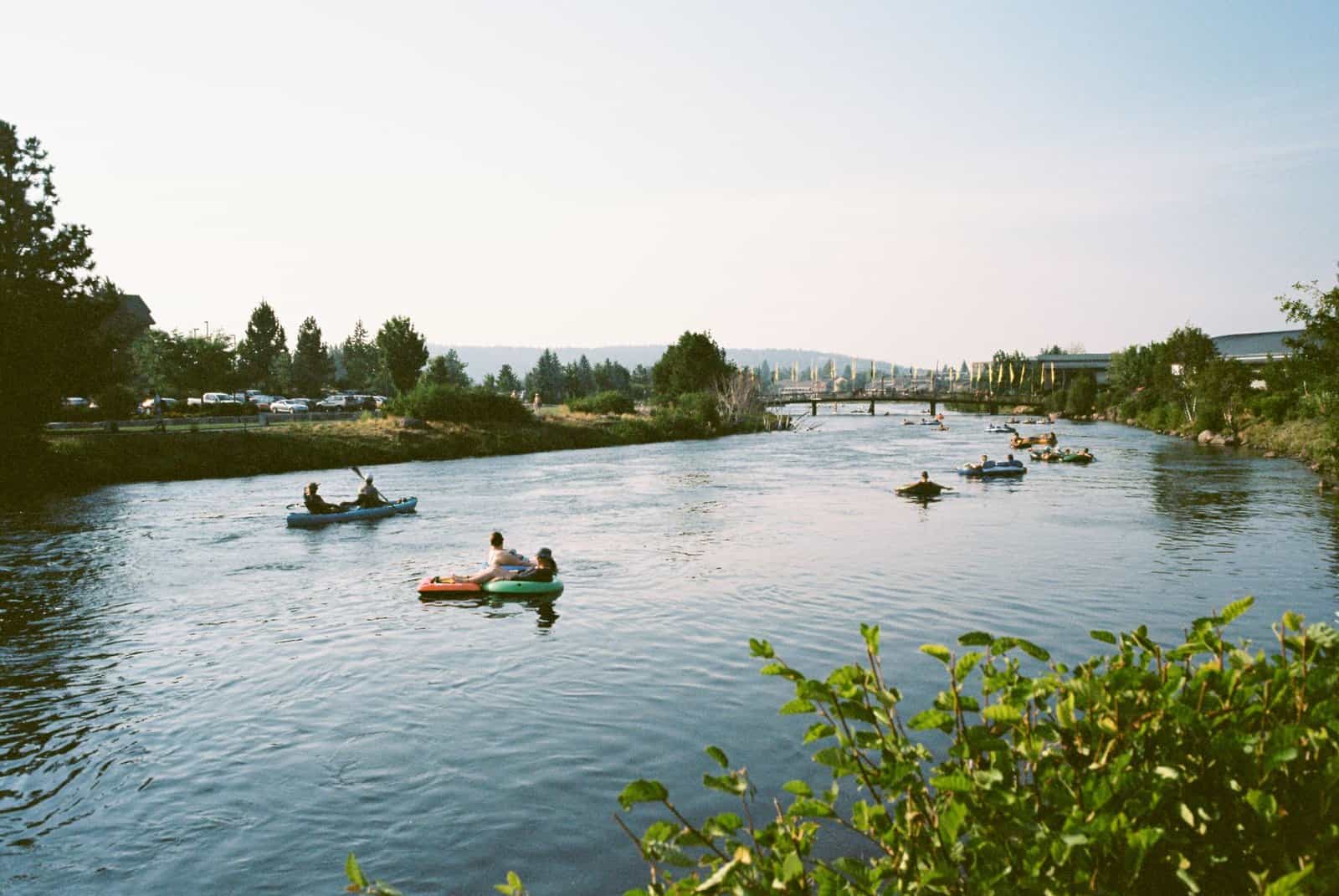
The appeal is easy to see on a dry evening along the Deschutes or a morning drive toward the Cascades. The harder calculation appears in housing searches, child care, medical appointments, and flights that often connect through larger airports. Central Oregon lodging rises during ski season, summer festivals, and holiday weekends. A car is useful for trailheads and snow travel; a visitor who books late often pays resort-town prices for ordinary rooms.
The detail that changes the itinerary
Bend sits on the Deschutes River east of the Cascades, roughly 160 miles from Portland by road. Mt. Bachelor, the Old Mill District, and the river trail define its visitor economy, while wildfire smoke and winter driving are recurring realities. People who leave Portland for Bend often describe relief at the weather and immediate access to trails, but the move also replaces a large-city labor market and transit network with a smaller, expensive resort-influenced economy.
Bend sits on the Deschutes River east of the Cascades, roughly 160 miles from Portland by road. Mt. Bachelor, the Old Mill District, and the river trail define its visitor economy, while wildfire smoke and winter driving are recurring realities. People who leave Portland for Bend often describe relief at the weather and immediate access to trails, but the move also replaces a large-city labor market and transit network with a smaller, expensive resort-influenced economy. The responsible choice is to verify current conditions with local operators and public agencies, then leave enough margin for weather, crowds, and the ordinary delays that make travel real.
How to make the visit feel less generic
Treat Bend as a full lifestyle place rather than a polished postcard: ride the river trail, eat downtown, then drive far enough out to understand the distances residents absorb. The appeal is easy to see on a dry evening along the Deschutes or a morning drive toward the Cascades. The harder calculation appears in housing searches, child care, medical appointments, and flights that often connect through larger airports.
Treat Bend as a full lifestyle place rather than a polished postcard: ride the river trail, eat downtown, then drive far enough out to understand the distances residents absorb. The appeal is easy to see on a dry evening along the Deschutes or a morning drive toward the Cascades. The harder calculation appears in housing searches, child care, medical appointments, and flights that often connect through larger airports. The responsible choice is to verify current conditions with local operators and public agencies, then leave enough margin for weather, crowds, and the ordinary delays that make travel real.
A practical plan before you go
Central Oregon lodging rises during ski season, summer festivals, and holiday weekends. A car is useful for trailheads and snow travel; a visitor who books late often pays resort-town prices for ordinary rooms. Treat Bend as a full lifestyle place rather than a polished postcard: ride the river trail, eat downtown, then drive far enough out to understand the distances residents absorb.
Central Oregon lodging rises during ski season, summer festivals, and holiday weekends. A car is useful for trailheads and snow travel; a visitor who books late often pays resort-town prices for ordinary rooms. Treat Bend as a full lifestyle place rather than a polished postcard: ride the river trail, eat downtown, then drive far enough out to understand the distances residents absorb. The responsible choice is to verify current conditions with local operators and public agencies, then leave enough margin for weather, crowds, and the ordinary delays that make travel real.
Details worth carrying with you
The strongest visit begins by refusing the false choice between enthusiasm and realism. A traveler can be excited about a place while still noticing its limits, the work that supports it, and the people who live there after the visitor leaves.
That perspective also improves the day itself. It slows the urge to collect every landmark, creates room for a second look, and leaves time for the small observations that do not appear in a route planner.
Practical preparation is part of respect. Check operating hours, seasonal conditions, road rules, and reservations before arrival. Then spend less energy solving avoidable problems and more energy paying attention.
There is no need to turn every stop into an argument about authenticity. The useful question is simpler: what does this place make possible, and what does it ask in return from the people who come here?
The strongest visit begins by refusing the false choice between enthusiasm and realism. A traveler can be excited about a place while still noticing its limits, the work that supports it, and the people who live there after the visitor leaves.
That perspective also improves the day itself. It slows the urge to collect every landmark, creates room for a second look, and leaves time for the small observations that do not appear in a route planner.
Practical preparation is part of respect. Check operating hours, seasonal conditions, road rules, and reservations before arrival. Then spend less energy solving avoidable problems and more energy paying attention.
There is no need to turn every stop into an argument about authenticity. The useful question is simpler: what does this place make possible, and what does it ask in return from the people who come here?
- Bend sits on the Deschutes River east of the Cascades, roughly 160 miles from Portland by road. Mt. Bachelor, the Old Mill District, and the river trail define its visitor economy, while wildfire smoke and winter driving are recurring realities.
- Book transport and lodging around the specific season, not a generic annual average.
- Use local businesses for context, not simply as a stop between photographs.
Treat Bend as a full lifestyle place rather than a polished postcard: ride the river trail, eat downtown, then drive far enough out to understand the distances residents absorb. That is how a destination becomes a remembered place rather than a sequence of transactions.