Lake Tahoe’s Housing Gap Needs 9,528 Units It Doesn’t Have. The Restaurants Are Cutting Hours Because There’s Nobody Left to Hire
We may earn money or products from the companies mentioned in this post. This means if you click on the link and purchase the item, I will receive a small commission at no extra cost to you ... you're just helping re-supply our family's travel fund.
Lake Tahoe’s median home value in South Lake Tahoe rose from roughly $443,000 to $624,000 in a single year, between June 2020 and June 2021, a 41 percent jump the Sacramento Bee described as roughly double the pace of growth seen in the rest of the Sacramento metro area. Five years later, the consequences are structural rather than temporary. The Tahoe Regional Planning Agency estimates the basin needs 9,528 additional housing units to meet demand, a figure that has climbed 12 percent since it was last measured. Restaurants along North Lake Boulevard in Tahoe City have posted Help Wanted signs for years, some offering season ski passes just to attract applicants.
Why the Basin Can’t Just Build Its Way Out
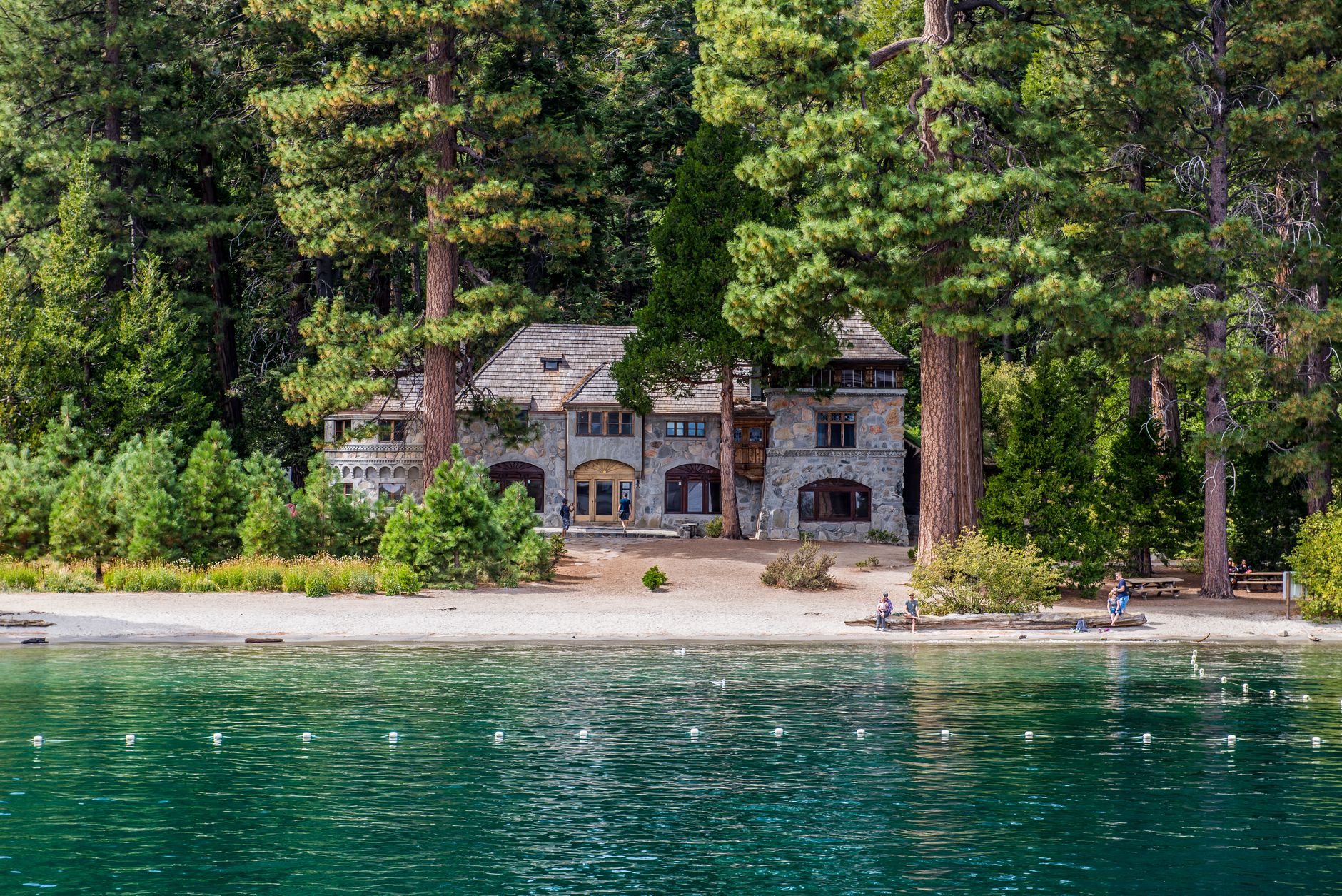
Unlike Austin or Denver, Tahoe cannot simply approve more construction permits to solve its housing crunch. The Tahoe Regional Planning Agency caps the total number of housing units allowed in the basin to protect water quality and the lake’s famous clarity, and more than 90 percent of allowable units have already been built. That growth management system, in place for decades to prevent the kind of unchecked development that damaged other alpine lake regions, now collides directly with a supply crisis it wasn’t designed to anticipate.
What the Numbers Actually Show
- The basin needs 9,528 additional housing units to meet current demand, according to Tahoe Prosperity Center figures cited by regional planning agencies
- Between 2012 and 2021, the region’s total housing inventory grew by only 1 percent
- In Truckee, 23 percent of families earn less than $50,000 a year, roughly half the community’s median income
- More than half of South Lake Tahoe families earn under $50,000 annually, in a housing market with median values well above $600,000
The Workers Who Left and Where They Went

The pandemic accelerated a wave of over 3,000 new residents relocating to the Tahoe basin in a single year, largely Bay Area and Sacramento remote workers with cash offers that outcompeted local buyers for available housing. That displaced what officials now call the missing middle: workers who earn too much to qualify for subsidized affordable housing but not enough to compete in a market where a typical home costs upward of $600,000. Many relocated to Reno or Carson City, now commuting an hour or more into the basin for shifts at the same restaurants and ski resorts they once lived near.
Programs Trying to Patch the Gap
- Placer County’s Workforce Housing Preservation Program offers financial assistance to local workers buying homes, in exchange for a 55-year deed restriction tying the property to the local workforce
- The program drew more than 3,000 people to its interest list within its first week, against a total of six actual applications processed, illustrating the scale of demand versus available resources
- The Sugar Pine Village and Hopkins Village developments represent some of the largest affordable housing approvals in the region’s history, though both remain years from full completion
- Ski resorts have begun exploring campground-style employee housing as a stopgap, an option unheard of a decade ago
What This Means If You’re Planning a Trip
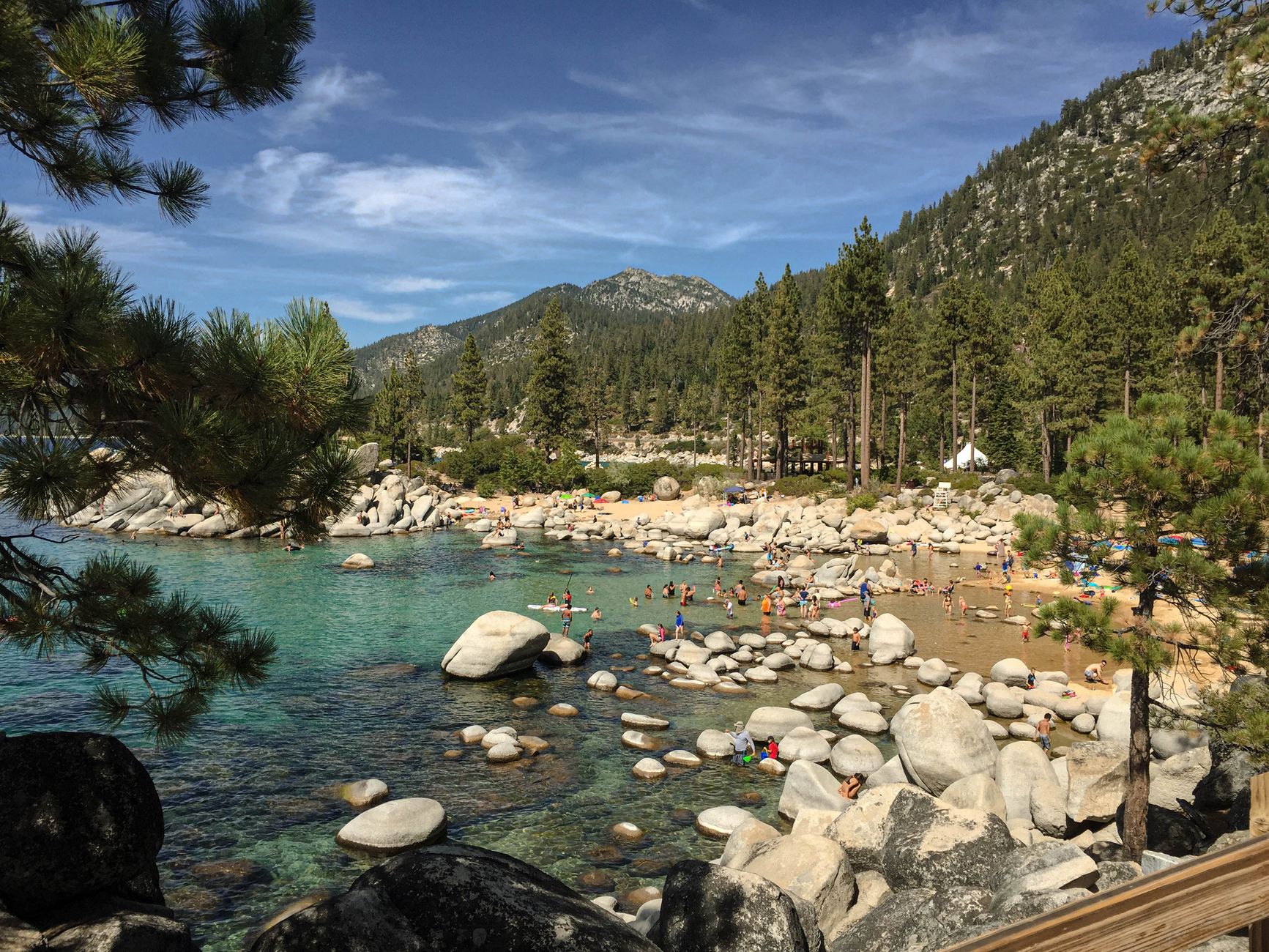
Visitors should expect real service disruptions that have nothing to do with the pandemic anymore and everything to do with staffing. Restaurants along the North and South Shores have permanently reduced hours compared to pre-2020 norms. Wait times, both for tables and for basic retail transactions, run noticeably longer than they used to, a pattern Fodor’s flagged prominently enough to place Tahoe on its 2023 ‘No List’ of destinations in need of a break from tourism. The lake itself remains as clear and dramatic as ever. The infrastructure supporting the people who visit it is what’s under strain, and it is not a short-term problem with a short-term fix.
What This Means for the Businesses That Depend on Tourists
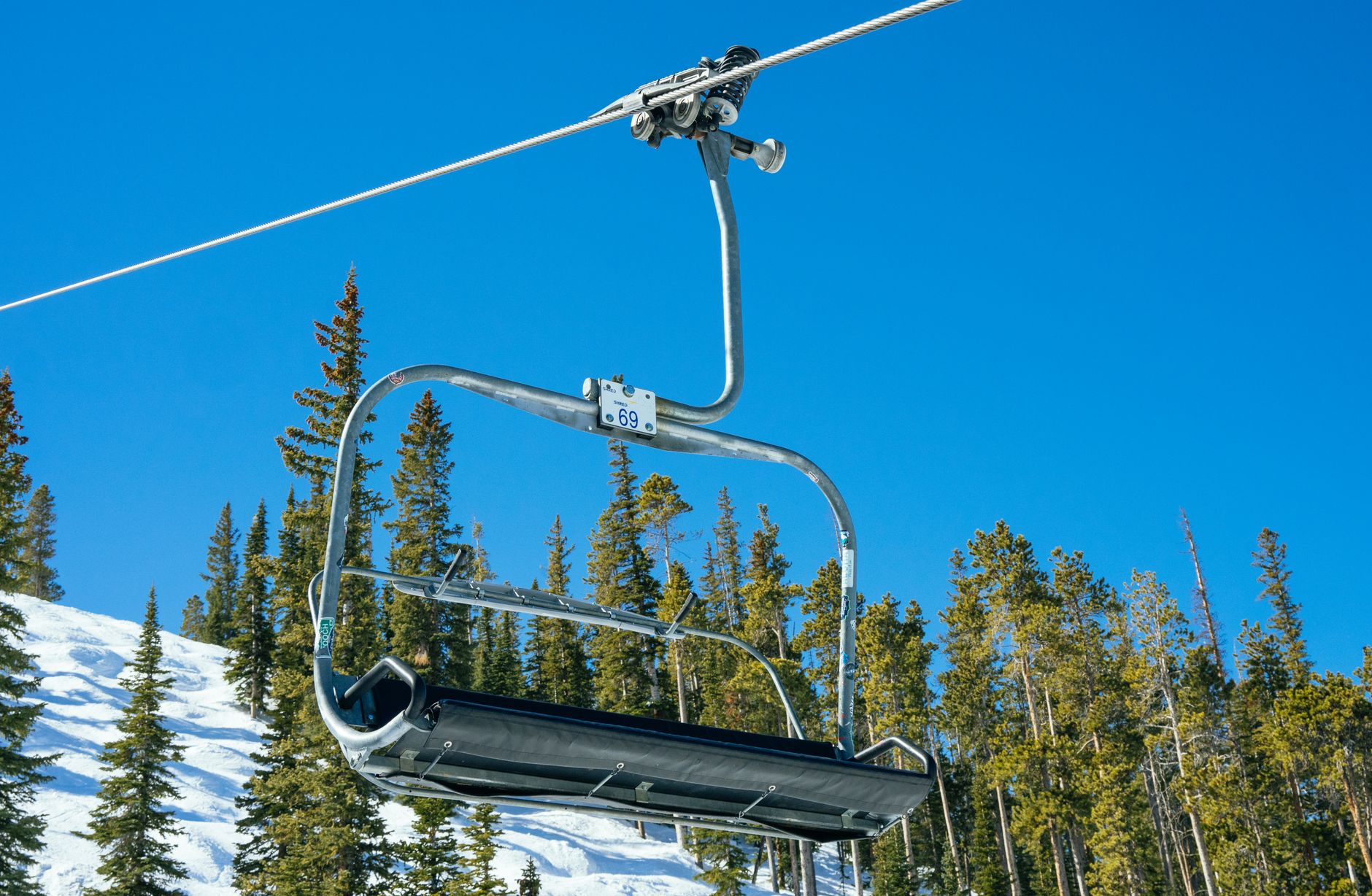
Ski resorts around the basin have had to get creative to keep operations staffed at all. Some now offer subsidized or on-site employee housing, an option that didn’t exist a decade ago when seasonal workers could still find an affordable room within a reasonable commute. Others have raised starting wages significantly, only to find that even higher pay doesn’t solve the problem when there’s simply no available housing to rent regardless of what an employee can afford. That’s a distinct kind of labor shortage, one driven by physical unit scarcity rather than by wages being too low, and it doesn’t respond to the usual economic fixes.
Restaurants have responded with some combination of reduced hours, higher menu prices to cover increased labor costs, and in some cases outright closures during off-peak shoulder seasons that used to be marginally profitable but no longer pencil out with a smaller staff working more hours each. Visitors who remember Tahoe from a decade ago often comment on how much harder it now is to get a dinner reservation or a rental car during peak weekends, a shift tied directly to the same housing and staffing constraints described by regional planning agencies.
The Tahoe housing gap also raises a broader question other mountain and lake resort towns are watching closely: whether strict growth caps designed decades ago to protect natural resources can coexist with a modern remote-work economy that didn’t exist when those caps were written. Places like Aspen, Colorado and Big Sky, Montana face versions of the same tension, and Tahoe’s outcome, whatever it ends up being, is likely to become a reference case for how those other communities eventually respond to similar pressure.
For travelers still weighing a Tahoe trip, the practical advice from locals is consistent: book lodging and restaurant reservations further in advance than a decade ago would have required, and expect a noticeably higher price tag across the board than the lake’s reputation as an affordable Sierra getaway might suggest.
South Lake Tahoe and the North Shore communities have each responded to the crunch differently, with South Shore leaning further into short-term rental regulation while North Shore towns have generally focused more on employer-provided housing partnerships, a split that means the on-the-ground experience for a visitor can vary meaningfully depending on which side of the lake they choose to stay on.