Pittsburgh Is the Only Major U.S. Metro Where the Median Household Can Afford Most Homes for Sale. Longtime Residents Aren’t Celebrating
We may earn money or products from the companies mentioned in this post. This means if you click on the link and purchase the item, I will receive a small commission at no extra cost to you ... you're just helping re-supply our family's travel fund.
In July 2025, Pittsburgh was the only major metro area in the country where a median-income household could afford more than half of the homes currently listed for sale, according to housing affordability analysis covered by regional outlets. The city has also posted a positive net domestic migration gain, 1,659 more people moving in from other parts of the U.S. than moving out between July 2024 and July 2025, and its tech and life sciences sector logged record venture capital investment in 2026. On paper, Pittsburgh is having the moment other Rust Belt cities have spent decades trying to manufacture. The people who never left are watching with something closer to caution than celebration.
The Numbers Behind the Buzz
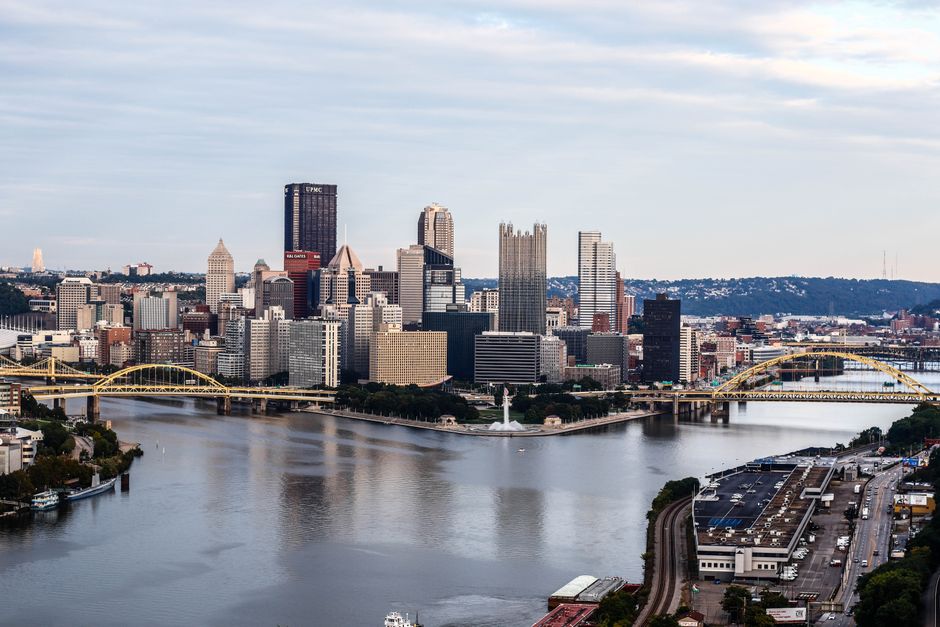
Pittsburgh’s affordability edge is real and measurable. A median multiple of 3.2, the ratio of median home price to median household income, put the city at the top of a global affordability study covering 95 markets across eight nations for 2025. Innovation Works reported record venture capital investment flowing into the city’s life sciences and AI companies in 2026, building on a tech ecosystem anchored by Carnegie Mellon University’s robotics and computer science programs, which have fed talent into companies like Duolingo, Aurora Innovation, and a growing robotics cluster.
The Catch Underneath the Good News
- The Pittsburgh metro area’s overall population actually declined by 3,160 residents between July 2024 and July 2025, driven by natural population change (more deaths than births), even as domestic migration turned positive
- The region was one of only four major U.S. metros, alongside Los Angeles, San Diego, and Miami, to record an outright population loss in that period
- The five-year cumulative population decline since the 2020 census sits at roughly 1.42 percent, or about 34,924 residents
- Affordability is partly a symptom of decades of population loss and limited new demand pressure, not purely a policy success story
Why Longtime Residents Are Skeptical

People who grew up in Pittsburgh during the steel industry’s collapse in the 1980s have heard the comeback narrative before, in different forms, for forty years. The city’s population peaked near 677,000 in 1950 and has never come close to recovering, sitting today at roughly a third of that figure within city limits. Each new wave of coverage, whether about the city’s healthcare sector in the 2000s or its tech sector now, gets received locally with a version of cautious optimism that has been burned before.
There’s also a real tension between the affordability story and the lived experience of neighborhoods that never recovered from deindustrialization. Areas like the Hill District and parts of the North Side have not seen the same investment as East Liberty or Lawrenceville, which have gentrified enough in the past decade to price out many of the working-class families who stayed through the hardest years. The city’s median multiple looks great in aggregate, but it flattens real disparities between neighborhoods on opposite sides of the same river.
What This Means for Visitors and Potential Movers
- Lawrenceville and East Liberty now have restaurant scenes and price points comparable to much larger cities
- The city’s topography, three rivers and steep hills, makes it one of the more visually distinctive American cities, often compared to San Francisco or Pittsburgh’s own historic self-image
- Winters are genuinely gray and long, a factor that continues to push some new arrivals back out after a year or two
- Public transit remains limited compared to peer cities, meaning a car is functionally necessary outside the core downtown and Oakland areas
A Comeback With an Asterisk
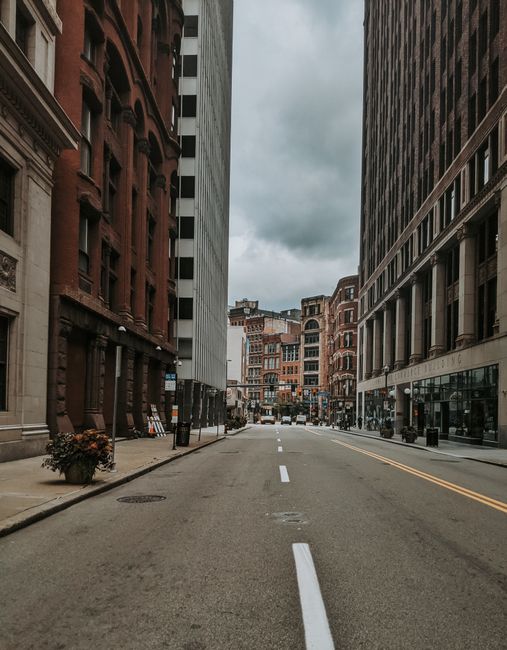
Pittsburgh’s current moment is genuine, not manufactured, but it is also happening against a backdrop of continued regional population decline that the headlines about affordability and tech investment tend to leave out. The city that never left is watching a new group discover what locals always knew, that Pittsburgh is beautiful, affordable, and full of good bones, while also knowing that none of that has yet reversed the deeper demographic trend line the region has been on for half a century.
What Newcomers Get Right and Wrong About the City
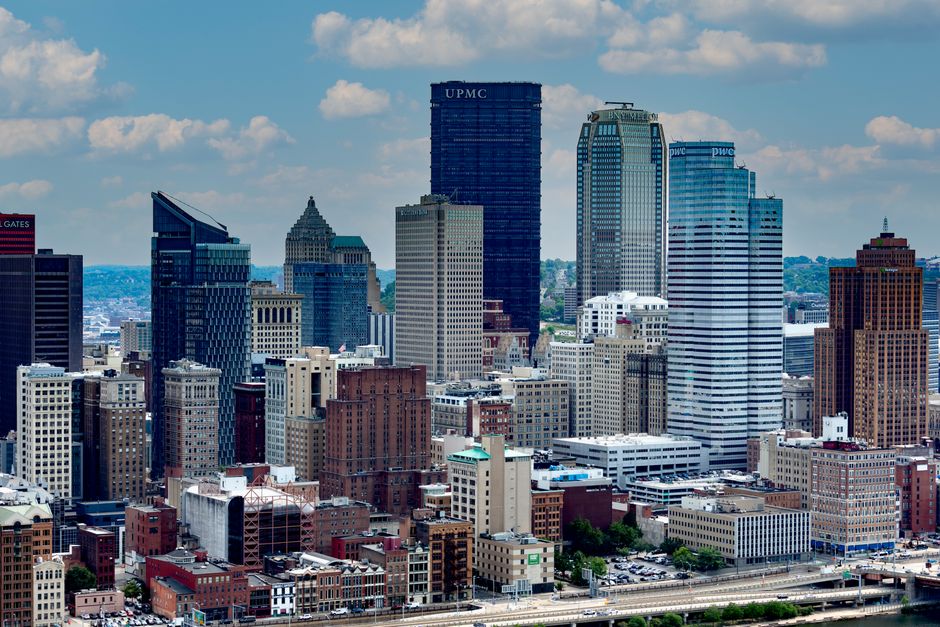
New arrivals drawn by the affordability numbers often underestimate how distinct Pittsburgh’s neighborhood culture is from other Rust Belt or Northeastern cities they might be comparing it to. The city is built across dozens of small, historically distinct neighborhoods, many of which formed around specific ethnic immigrant communities in the late 1800s and early 1900s, Polish, Italian, Croatian, and others, and that neighborhood-level identity remains stronger here than in most comparably sized American cities. Someone moving to Bloomfield expecting the same social dynamics as someone moving to Squirrel Hill or Polish Hill will find real differences in community feel, even though all three neighborhoods sit within a few miles of each other.
What newcomers tend to get right is the food and bar scene, which has genuinely diversified well beyond the pierogi-and-Iron-City stereotype that still defines outside perceptions. Lawrenceville alone now supports a restaurant density that would have been unimaginable there twenty years ago, when the neighborhood was still recovering from the closure of its industrial base. The tech and life sciences investment has brought real spending power into specific corridors, even if it hasn’t reversed the region’s broader population trend.
The Practical Realities of Moving to Pittsburgh Right Now
- Housing stock skews toward older homes, many requiring updated electrical or plumbing work that first-time buyers from newer-construction markets don’t anticipate
- The job market outside healthcare, education, and the growing tech sector remains thinner than in faster-growing Sun Belt metros
- Winters run gray and overcast more than genuinely brutally cold, a distinction that matters more to mental health than temperature alone suggests
- The region’s sports culture, especially around the Steelers and Penguins, functions as a real social entry point for newcomers trying to build community quickly
The most likely outcome for Pittsburgh is not a dramatic reversal in either direction, but a continuation of what’s already happening: a smaller, older population base gradually supplemented by younger arrivals drawn by affordability and a specific set of growing industries, producing a city that looks increasingly prosperous in its core neighborhoods while its overall metro population continues the slow decline that has defined the region since the steel industry collapsed decades ago. Both stories are true at once, and neither one cancels out the other.