Oklahoma City Spent $700 Million on Downtown. The Rest of the Country Is Still Making Jokes About the 1990s
We may earn money or products from the companies mentioned in this post. This means if you click on the link and purchase the item, I will receive a small commission at no extra cost to you ... you're just helping re-supply our family's travel fund.
Oklahoma City has an image problem that has almost nothing to do with the actual city. Ask most Americans to describe it and you get some combination of tornadoes, the 1995 bombing, and flat highway driving between Texas and Kansas. Meanwhile, the city has been running one of the more aggressive downtown reinvestment programs in the country, anchored by a $700 million Bricktown-area development that broke ground with backing from the city’s tax-funded MAPS program, the same civic financing tool that built the city’s current arena, library, and streetcar system.
The MAPS Model That Nobody Copies Right
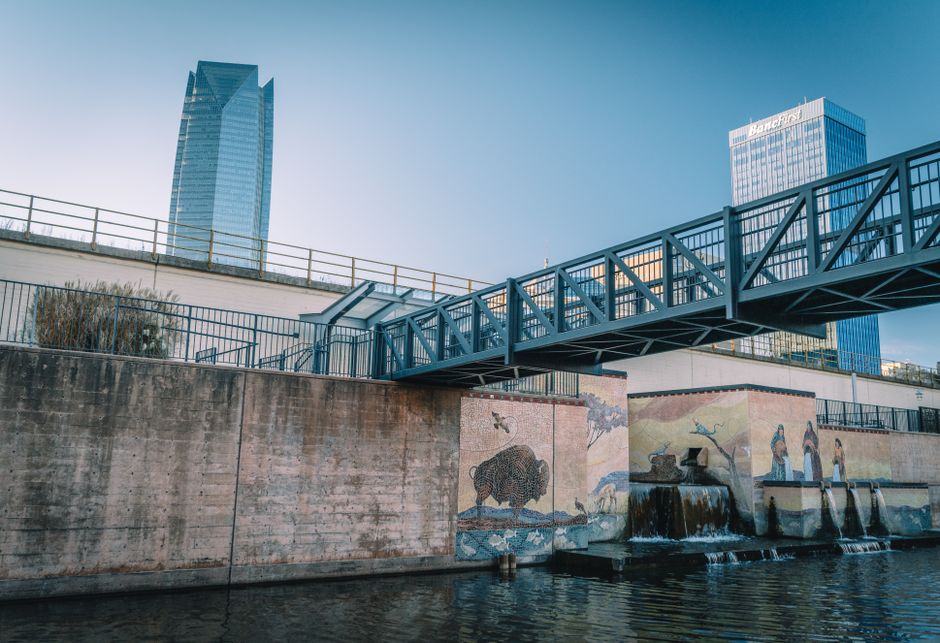
Since 1993, Oklahoma City voters have repeatedly approved temporary, capped sales tax increases specifically earmarked for civic projects, a funding mechanism known locally as MAPS. Unlike most city bond measures, MAPS taxes expire automatically once a project is paid for, which has made voters more willing to approve them repeatedly. The Journal Record reported on five major construction projects transforming downtown as of March 2026, and the city’s own economic development office tracks a steady pipeline of retail and residential projects that have reshaped districts like the Plaza District from blighted to gentrifying within roughly a decade.
What Actually Changed Downtown
- The Plaza District went from a struggling commercial strip to a walkable arts and restaurant corridor through a mix of public investment and private renovation
- The Bricktown canal and entertainment district, largely empty warehouses in the 1980s, now anchors the city’s nightlife and tourism economy
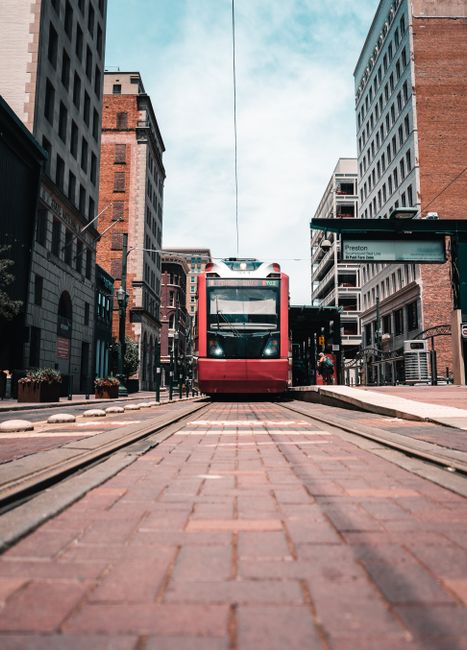
- A new streetcar system connects downtown, Bricktown, and Midtown, reducing the car dependency that historically defined the city
- The Strong Neighborhoods Initiative has directed both public and private investment into residential areas that had been overlooked for decades
Why the Reputation Hasn’t Caught Up
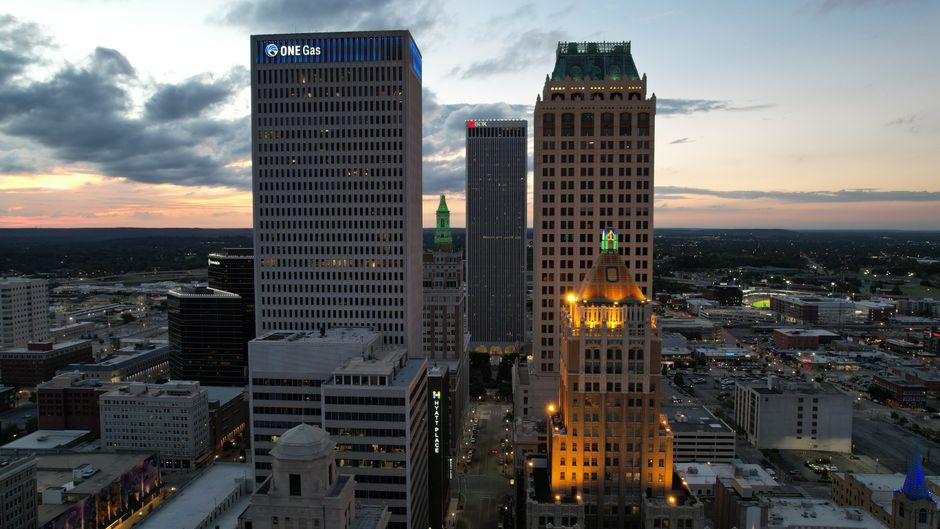
Oklahoma City’s national image was frozen at a specific moment, the 1995 Murrah Federal Building bombing, which remains the deadliest domestic terrorist attack in U.S. history and understandably still defines outside perceptions of the city three decades later. The Oklahoma City National Memorial handles that history with genuine care, but it also means most non-residents’ mental image of the city stops there, never updating to account for a downtown that now includes a Thunder NBA arena, a streetcar, and a restaurant scene serious enough that food writers have started paying attention.
There’s also a regional bias at play. Oklahoma sits in a part of the country, the south-central plains, that national media coverage tends to skip over entirely in favor of Texas to the south or Colorado to the west. A city investing $700 million in downtown development gets a fraction of the coverage a comparable project in Austin or Denver would receive, simply because editors assume their audience doesn’t care about Oklahoma.
What a Visitor Actually Finds Now
- Bricktown’s canal district functions similarly to San Antonio’s River Walk, at a fraction of the crowd size and cost
- The Oklahoma City Museum of Art and the Plaza District’s First Friday art walks draw a genuinely engaged local creative scene
- Cost of living remains dramatically lower than comparable mid-size cities, with median home prices well under national averages
- The city’s food scene has expanded well beyond steakhouses, including a growing Vietnamese restaurant corridor along Classen Boulevard
A City Betting on Itself Before Anyone Else Will
What makes Oklahoma City’s downtown transformation unusual is that it happened almost entirely through local tax dollars voters approved themselves, not through the kind of outside corporate relocation bait that drove growth in Austin or Nashville. That gives the city’s revival a different character: slower, more incremental, and largely invisible to a national audience still working off a decades-old mental image. The joke about Oklahoma City is getting old faster than the city itself is changing.
The Thunder Effect and What Sports Investment Actually Bought
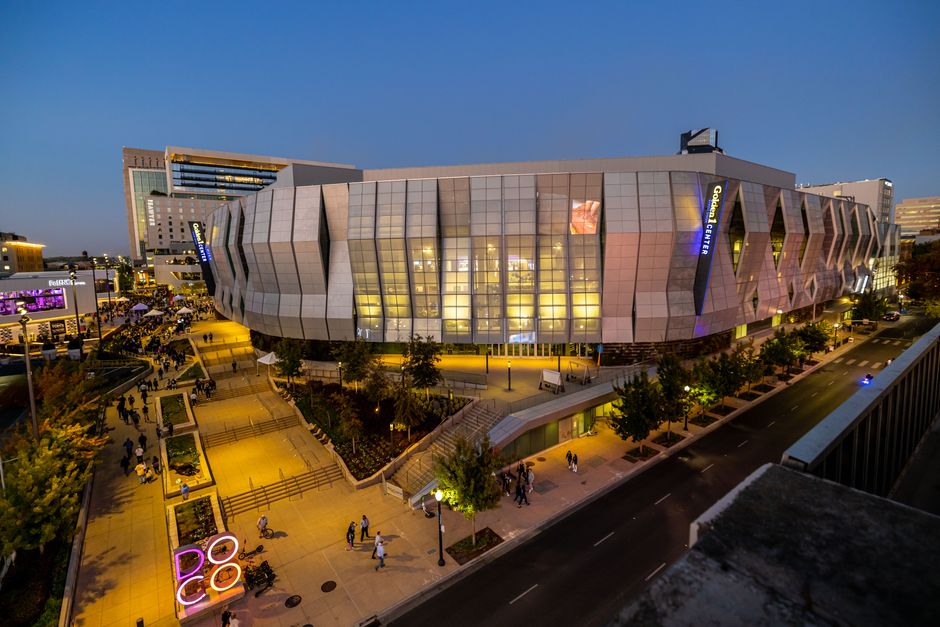
The city’s NBA team, the Oklahoma City Thunder, relocated from Seattle in 2008 and became, almost immediately, a genuine unifying civic identity in a way that’s rare for a relatively recent professional sports franchise. The arena itself was originally built under an earlier MAPS initiative before the team even arrived, which meant Oklahoma City had already made the infrastructure bet before it knew the payoff would include an NBA franchise. That sequencing, infrastructure first, opportunity second, is a pattern that shows up repeatedly in the city’s development strategy and stands in contrast to cities that chase specific corporate relocations first and build supporting infrastructure only after winning the bid.
The economic ripple effects have been genuine, if modest by the standards of larger markets. Restaurant and bar openings in the Bricktown and Automobile Alley districts increased noticeably during Thunder home game seasons, and the team’s sustained success on the court, including deep playoff runs, has given the city a level of national sports media visibility that its downtown investment alone would not have generated. It’s a strange but real example of how a professional sports team can function as marketing infrastructure for an entire city’s broader reinvestment story.
What the Rest of the Country Still Gets Wrong
- Assuming Oklahoma City’s downtown revival is a recent or sudden development, when the MAPS program dates back to 1993
- Overestimating how much of the city’s identity still centers on the 1995 bombing, which the memorial itself frames as history rather than an ongoing wound
- Underestimating the city’s food scene, which now includes a substantial Vietnamese restaurant corridor and a growing craft brewery presence
- Assuming Oklahoma City is interchangeable with other Great Plains cities, when its downtown investment scale is genuinely unusual for a metro of its size
Whether Oklahoma City’s reinvention ever fully overtakes its reputation probably depends less on anything the city does next and more on when national media outlets decide the tornado-and-bombing framing has run its course. Local boosters argue the city doesn’t need outside validation to justify the investment, since the MAPS program was always a bet on residents’ own quality of life rather than a bid for national attention. That argument gets easier to make every year the skyline changes and the old joke stays exactly the same.