Airlines Deliberately Make the Free Seats Terrible — Here’s the Exact Game They’re Playing and How to Get a Good Seat Without Paying $45 Extra
We may earn money or products from the companies mentioned in this post. This means if you click on the link and purchase the item, I will receive a small commission at no extra cost to you ... you're just helping re-supply our family's travel fund.
Here’s a scenario you’ve probably lived: You book a flight. During checkout, the seat map shows a sea of gray (unavailable) seats and a handful of remaining options — all middle seats, all in the back, all $0. Everything decent is $25–$65 extra per seat, per leg.
You reluctantly pay for a window seat or resign yourself to a middle in row 37.
When you board, you notice that row 23 was half-empty. The window and aisle were available the whole time. They were just not available to you.
This is not coincidence. It’s inventory engineering — the deliberate manipulation of what seats you can see and select for free in order to maximize ancillary revenue. Airlines made $7.4 billion in seat fee revenue in 2023 alone. They are very good at this.
How Seat Inventory Engineering Actually Works
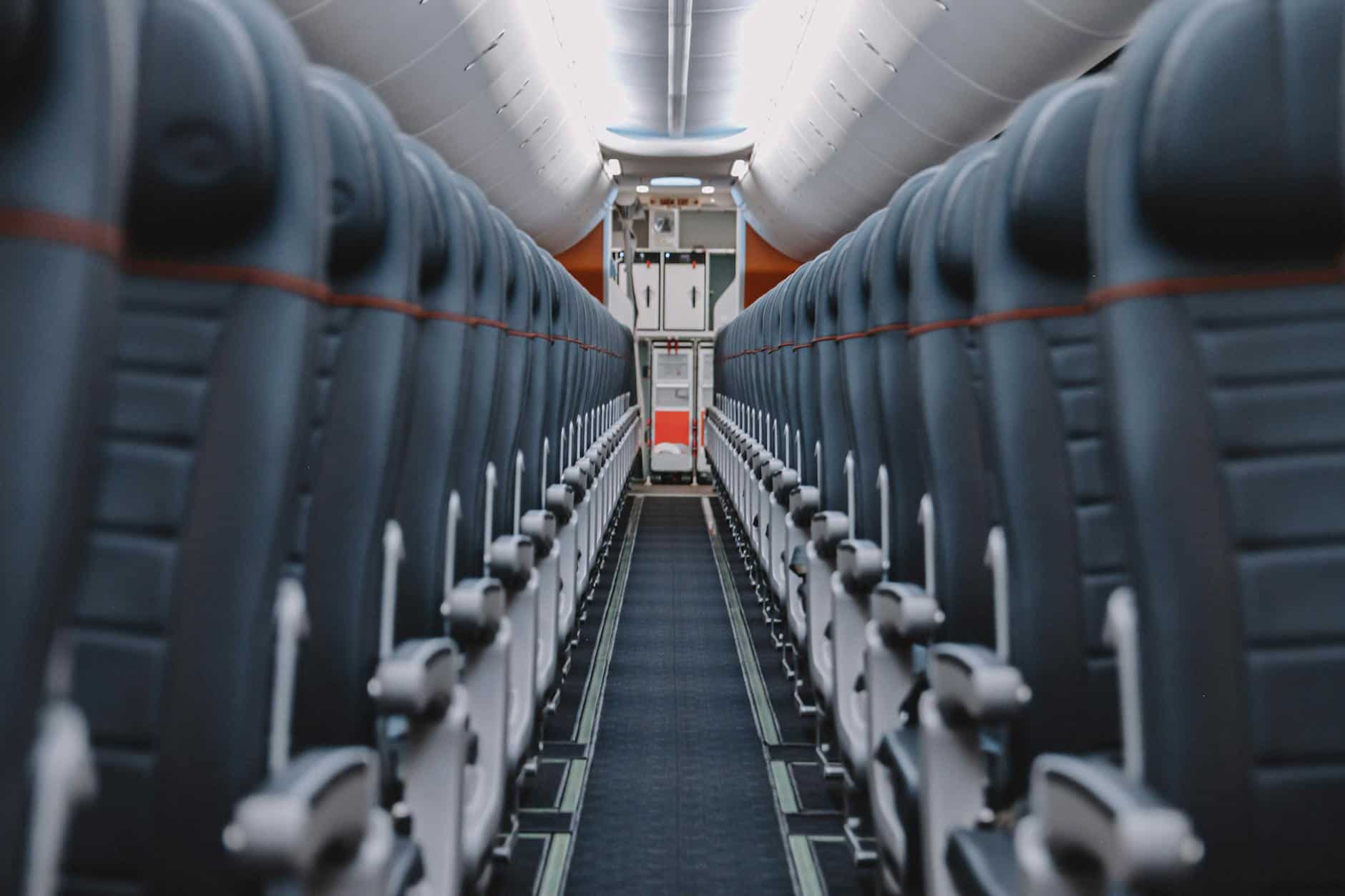
Let’s be specific about the mechanism:
Airlines divide their cabin into seat categories with different fee tiers. On most US carriers, this looks roughly like:
- Preferred / Choice seats Front of economy, aisle/window in better rows, exit rows. Fee: $15–$65 per seat per flight segment.
- Standard seats Middle of the plane, window and aisle in average rows. Fee: $0–$20 depending on airline and fare class.
- Basic seats (deliberately bad) Middle seats, rear of plane, near lavatories. Fee: $0. These are the “free” options prominently displayed when you’re booking on a budget fare.
The inventory engineering happens at step three. Airlines hold a significant number of standard and preferred seats out of the free selection pool until 24–48 hours before departure — when they’re either assigned automatically to travelers who didn’t pay, or released as the airline determines the flight’s final load.
This creates the perception of scarcity. You see 3 free seats (all middle, all rear) out of 160 on the plane. You conclude that it’s all that’s left. It isn’t. The other 80% of seats are there — they’re just being withheld to pressure you into paying.
Airlines will argue that withholding seats is “operational” — that they need flexibility for operational assignments, families who need to sit together, upgrade processing. This is partially true. It’s also partly a $7.4 billion justification for an ancillary revenue model.
The Specific Tricks Each Major Airline Uses
- American Airlines AA’s basic economy fare doesn’t allow advance seat selection at all — you get randomly assigned at check-in. On Main Cabin fares, preferred seats are held back until T-minus 24 hours. AAdvantage elite members get preferred seats free; everyone else pays. The upgrade to a “Main Cabin Extra” (extra legroom) row is usually $40–$75 per segment and non-refundable.
- Delta Delta’s “Comfort+” tier has become notably aggressive. The free seats available at booking on most delta.com itineraries are disproportionately middle seats in rows 35+. Delta One Comfort seats open up as the flight fills but releasing them varies wildly by route. Delta’s SkyMiles program grants elite members free seat selection upgrades; non-elites pay $15–$60 per segment.
- United Airlines United has a particularly clear version of this system. Basic Economy fare = no seat selection until 24 hours out. Economy fare = seats available but preferred require fees. The “Economy Plus” tier (the good seats — extra legroom, front of cabin) runs $25–$80 per segment. MileagePlus Premier members get free upgrades to Economy Plus. Non-elites don’t.
- Southwest Southwest is the exception. Southwest has no assigned seats — open boarding by position (A, B, C). There’s no seat fee because there are no seat tiers. This is either a feature or a bug depending on your personality. Early check-in ($15–$25 per segment) gets you an A boarding position and first pick of seats. This is the most transparent ancillary revenue model in US commercial aviation.
- Spirit and Frontier These carriers have made seat fees their explicit revenue model. Base fares are designed to be as low as possible; everything else is an add-on, including seat selection. The free seat on Spirit is assigned at check-in, often whatever’s left. These are the airlines where the seat fee can exceed the fare itself on short routes.
The Math on Whether Paying for Seat Selection Is Ever Worth It
For a family of four, a round trip with two segments each way means 8 seat selections per person = 32 seat selections. At $25–$40 per preferred seat: $800–$1,280 in seat fees on a single vacation.
That’s a significant number to add to a ticket cost, especially when the underlying flight was booked based on a displayed price that didn’t include it.
The math flips if:
- You’re on a 6+ hour flight and the difference between middle-seat-in-the-back and aisle-in-row-15 is a materially better physical experience for your body.
- You have health issues, anxiety, or physical constraints that make the seat genuinely important.
- You’re traveling with a small child and the alternative is being separated by random assignment.
- You’re on a flight that’s clearly going to board full and the free options are genuinely the only ones left.
In those cases, paying makes sense. In most others, the moves below are worth trying first.
The Moves That Actually Work
- Check in exactly at T-24 hours This is when airlines release held seats back into the free pool. Set a calendar alarm. If you check in at the 24-hour mark, you’ll have the widest selection of now-free seats available. Many travelers who do this get window or aisle seats in decent rows for nothing.
- Check the seat map the day before and the morning of Seat availability changes constantly as other passengers modify bookings, upgrades process, and airlines release inventory. A seat map that shows only middle seats on Monday can show 15 open window/aisle seats on Thursday. The ExpertFlyer tool (free tier available) shows real-time seat availability maps and sends alerts when specific seats open.
- Use the airline’s status track carefully Even without elite status, many airlines will upgrade your seat category for free at check-in if the upgrade inventory opens up. This is especially common on flights that aren’t full. Check your seat assignment again after check-in completes.
- Book directly with the airline for better seat visibility OTAs (Expedia, Google Flights, Kayak) sometimes display seat maps with worse inventory than booking direct. The airline’s own site often shows more options, sometimes including seats the OTA’s integration doesn’t surface.
- For families with small children, call the airline Federal regulations require airlines to seat children under 13 with an accompanying adult at no extra charge. This is a rule, not a favor. If the system is separating you from your minor child, call the airline and invoke this directly. They must resolve it.
- Companion app tricks Many airline apps release seat inventory differently than the web interface. If the website shows nothing free, check the app. It sometimes surfaces different availability.
When You Should Absolutely Pay for a Seat
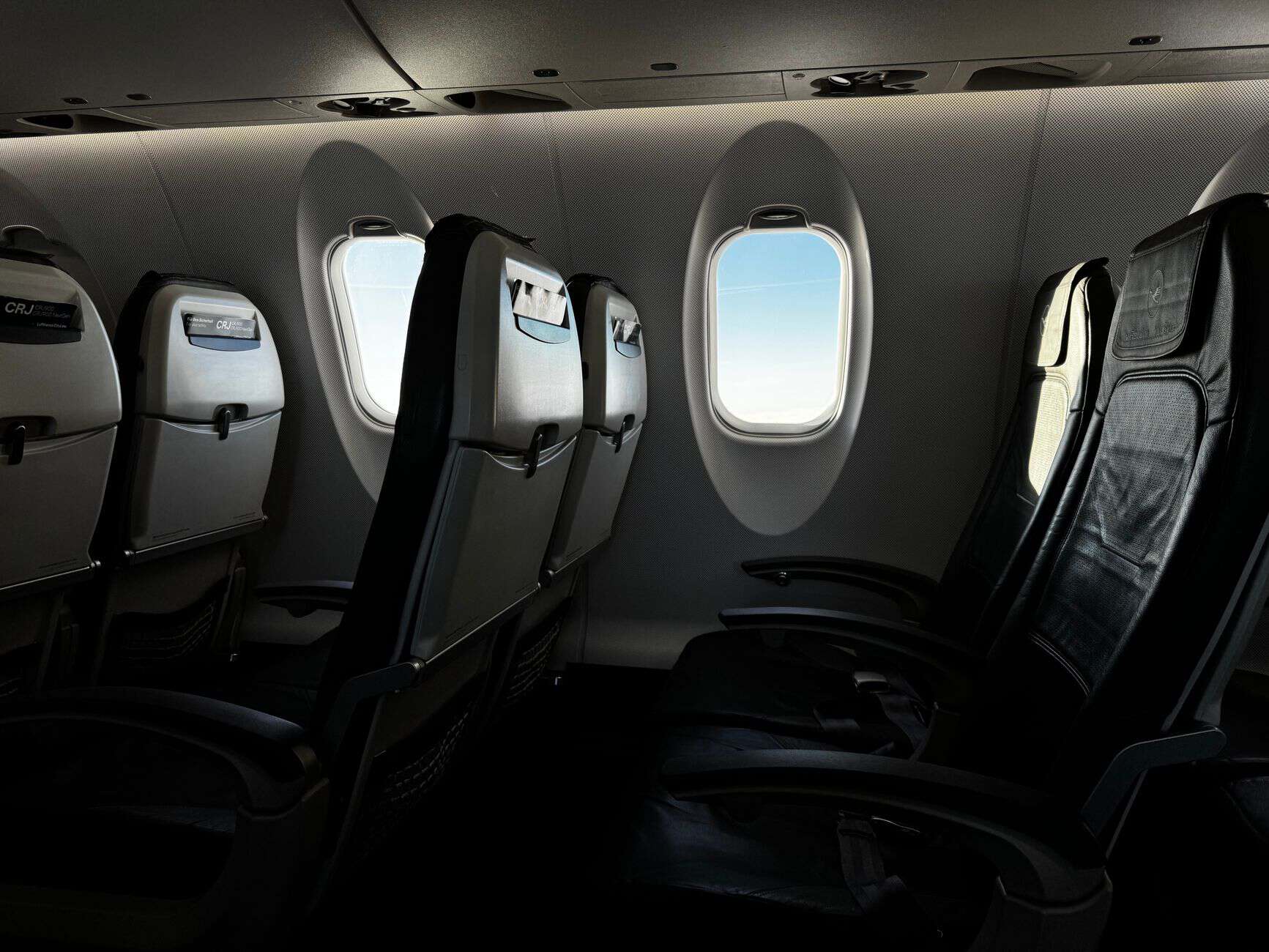
- Transatlantic or transpacific flights. Being in a bad seat for 9–14 hours is a real physical cost that money can remediate. Pay for a good seat here.
- Flights with important business following immediately upon arrival. Arriving rested matters.
- Any flight with a child under 5 where separation from you is a genuine risk. Don’t gamble on the gate-agent kindness model for this one.
- Exit rows if you’re tall and the flight is 3+ hours. The legroom difference is not trivial at 6’2″.
The Gate Agent Play: Your Last Resort and Why It Often Works
If you get to the gate with a bad seat and the flight isn’t full, ask the gate agent — politely — if there are any open seats you could move to. This works more often than most people know.
Gate agents often have visibility into the final seat map and discretionary authority to reassign you. They do this routinely as part of managing the boarding process. What they respond to: politeness, brevity, and asking — not demanding. “Is there any chance I could move to a window seat if there’s availability?” works. “I’m not paying $45 for a seat that should be free” does not.
The best posture is a combination: try the T-24 check-in seat release, monitor the map the morning of, and save the gate agent ask for a genuine fallback rather than a first move.
The airlines have made this a game. It’s worth knowing the rules.