A Family of 4 Drove All 48 Contiguous States in One Trip. Here’s What It Cost, What Broke Them, and What They’d Never Do Again
We may earn money or products from the companies mentioned in this post. This means if you click on the link and purchase the item, I will receive a small commission at no extra cost to you ... you're just helping re-supply our family's travel fund.
Every few years, a family somewhere in America decides to do the 48-state road trip. They document it religiously, post sunsets over the Badlands and kids laughing in front of the Space Needle, and inspire thousands of families to start planning their own version.
What the curated posts don’t show: the 12-hour driving days, the $400 car repair in a town with one mechanic, the kids who hit their breaking point somewhere in Kansas and didn’t fully recover until they were home, and the credit card bill that took 18 months to pay down.
This is that version of the story. Pulled from real accounts, travel forums, documented trip logs, and conversations with families who completed the route, this is what the 48-state road trip actually looks like.
The Basic Logistics: What This Actually Requires

First, the math on just covering the ground:
- The most efficient routing of all 48 contiguous states covers approximately 14,000–16,000 miles of driving.
- At a comfortable pace of 4–6 hours of driving per day, that’s 50–70 driving days — before accounting for any time spent actually experiencing places.
- Most families doing this trip take 90–120 days (3–4 months) to do it without feeling like they’re just driving.
- A car that was in good condition at the start will be a different vehicle by the end. The recommended pre-trip maintenance budget is $800–$1,500.
- If you have school-age kids, you’re looking at summer + fall or homeschooling/unschooling during the trip. This is a real logistics challenge that derails many plans before they start.
The routing problem is genuinely complex. The classic approach hits the perimeter first — Pacific Coast up through the Northwest, across Canada’s southern border states, down the East Coast, through the Deep South, back through the Southwest and back up the Coast. But the Northeast is geographically dense and the Southeast has long empty stretches; getting it right requires actual trip planning, not just connecting dots on a map.
The Real Costs, Broken Down

Based on documented family trips and forum accounts, here’s what a 90-day, 4-person road trip actually costs:
- Fuel At 15,000 miles, 25mpg average, and $3.50/gallon average (varies hugely by region — California will hit you at $4.80+, Texas at $2.80): approximately $2,100. This is the number most people underestimate because they don’t account for city driving, detours, and the fact that gas prices vary 70% across the country.
- Accommodations This is the biggest variable. Full camping: $25–$45/night average, around $2,500–$4,000 for 90 nights. Mix of camping and budget motels: $4,000–$7,000. Mostly motels/hotels, no camping: $9,000–$14,000. Most families land somewhere in the middle at $6,000–$8,000.
- Food Four people eating for 90 days is an enormous food budget regardless of how frugally you approach it. Cooking at campsites + occasional restaurants: $3,000–$4,500. Mostly restaurants: $7,000–$9,000. Realistic average for a family trying to balance cooking and eating out: $5,000–$6,000.
- Attractions, Entrance Fees, Activities An America the Beautiful National Parks pass ($80) covers all national park entries and is mandatory. Beyond that: museums, state parks, tours, children’s activities — budget $1,500–$3,000 for 90 days across 48 states.
- Vehicle Maintenance and Repairs Pre-trip maintenance plus the inevitable mid-trip issues: $1,500–$4,000. One major repair (transmission fluid flush, unexpected tire blowout, AC unit failure in the Texas summer) can push this to $3,000+ alone.
- Miscellaneous: Camping gear, souvenirs, laundry, phone data overages $1,500–$2,500.
Realistic total: $15,000–$28,000 for a family of four. The median reported figure from completed 48-state trips is around $20,000–$23,000. Families who budget $10,000 and believe it almost always run over.
What Broke Them (Literally and Figuratively)
Here’s what families consistently cite as the hardest parts:
- The driving fatigue spiral Around day 45–60, a specific exhaustion sets in that isn’t just tiredness — it’s the loss of novelty. The 30th scenic overlook doesn’t hit the same as the 5th. Kids stop caring about the destination and start resenting the driving. Adults start skipping stops they’d circled on the map weeks earlier just to end the day sooner.
- The “drive-through state” problem To say you’ve visited all 48 states, many families end up spending 2–4 hours in certain states — driving in, stopping for gas and a photo, driving out. Wyoming might be a 2-hour pass-through. Rhode Island might be a rest stop. This feels hollow in retrospect. Many families say they’d rather have deeply explored 20 states than superficially touched all 48.
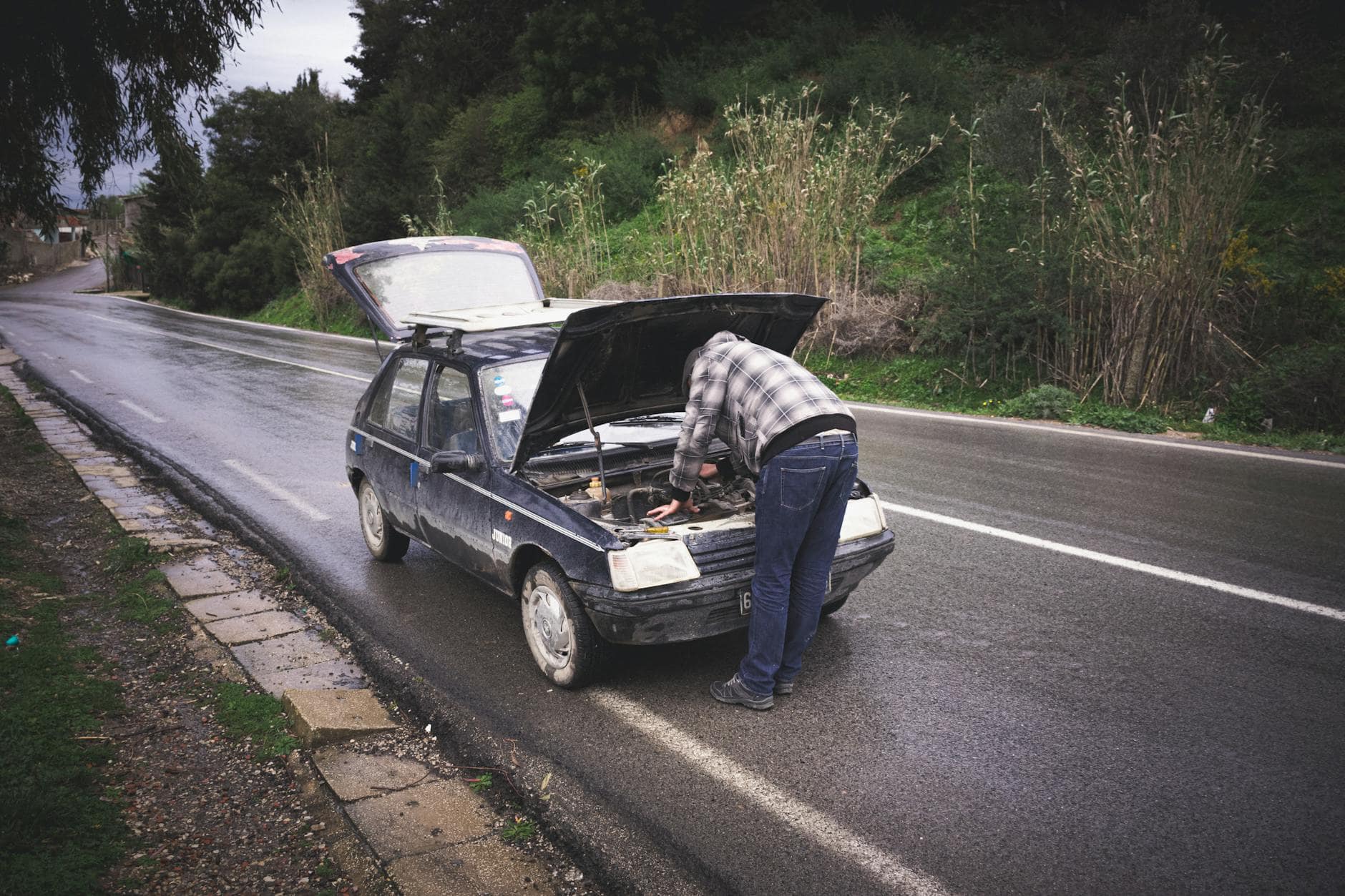
- Vehicle breakdowns The most commonly reported nightmare scenarios: AC failure in Texas or Arizona (brutal and dangerous for kids in summer), tire blowouts on highways far from services, and transmission issues from extended highway driving. One family documented a $2,800 AC repair in Amarillo that blew their budget for the entire back half of the trip.
- Finding quality food consistently In major cities, eating well is easy. In rural stretches of the Midwest and South, the options thin dramatically. Families with picky eaters report this as a constant low-grade stress. The solution — more cooking at camp — works until you’re camping somewhere with fire restrictions or it’s 98 degrees.
- The relationship test Three months of 24/7 family proximity, in a car, in campsites, making group decisions about every meal and stop, is genuinely difficult. Families who came out stronger report having pre-established “personal time” rules. Families who didn’t plan for this unanimously describe it as the hardest part of the trip.
The States Worth Every Mile
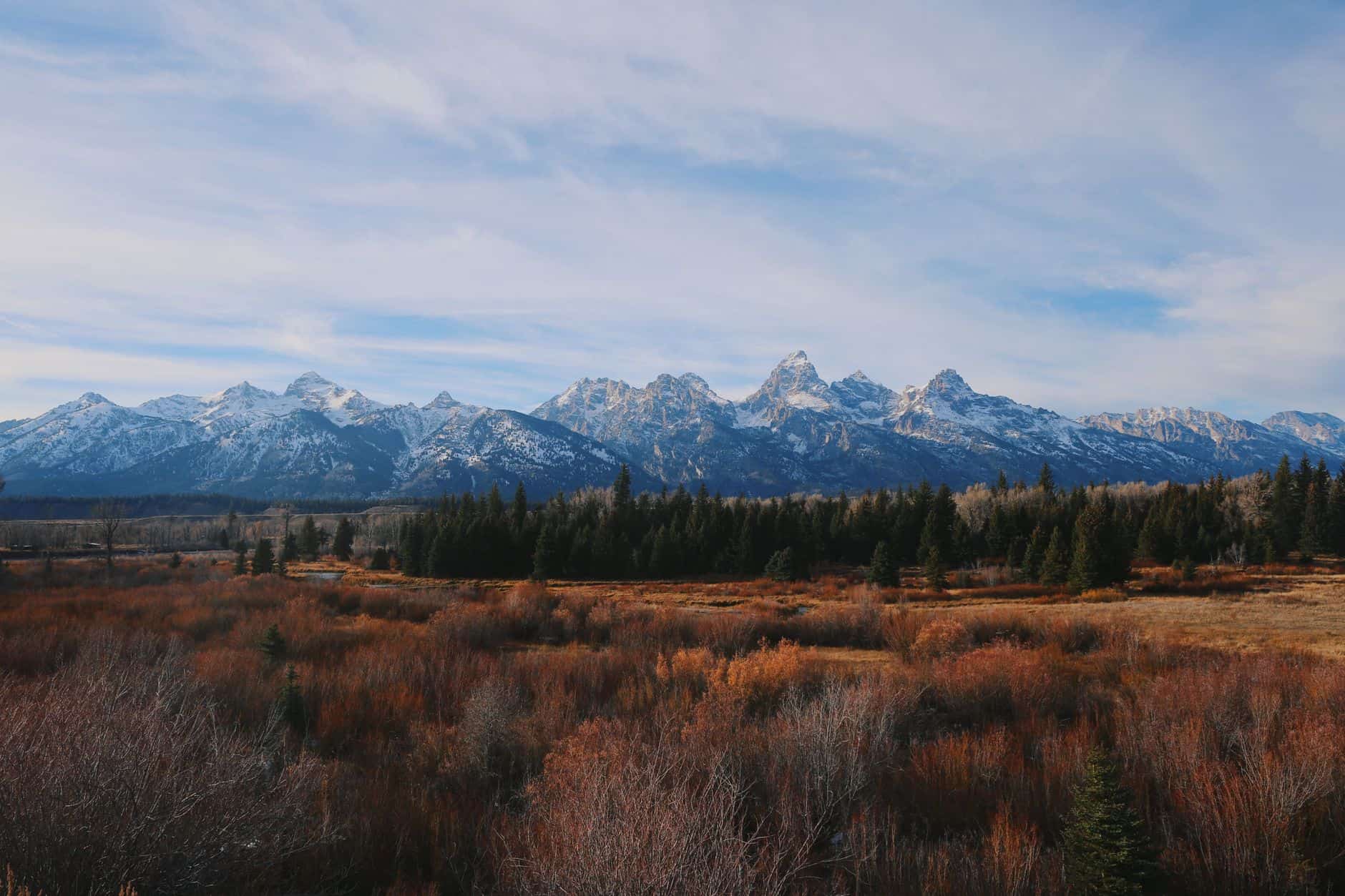
- Montana Glacier National Park alone is worth a week. Big Sky country genuinely looks like the photos. Relatively affordable accommodations outside Whitefish. Most families say Montana was the unexpected highlight.
- Utah Five national parks in one state (Zion, Bryce Canyon, Arches, Canyonlands, Capitol Reef) with dramatically different landscapes. The density of stunning scenery per mile driven is unmatched anywhere in the lower 48.
- New Orleans (Louisiana) Every family with a palate loves New Orleans. The food alone justifies the detour. Two nights minimum, eat everywhere.
- Vermont (Fall) If you time the Northeast leg for late September/early October, Vermont’s fall foliage is legitimately otherworldly. The small towns, the farmstands, the covered bridges — this is what people mean when they say “quintessential New England.”
- Alaska Honorable Mention Alaska isn’t in the 48, but families who did a separate Alaska add-on consistently say it overshadowed everything else.
The States That Were a Letdown
- Delaware It’s a 30-mile-wide state. You’re here, you leave, you’ve been to Delaware. No families cite Delaware as memorable.
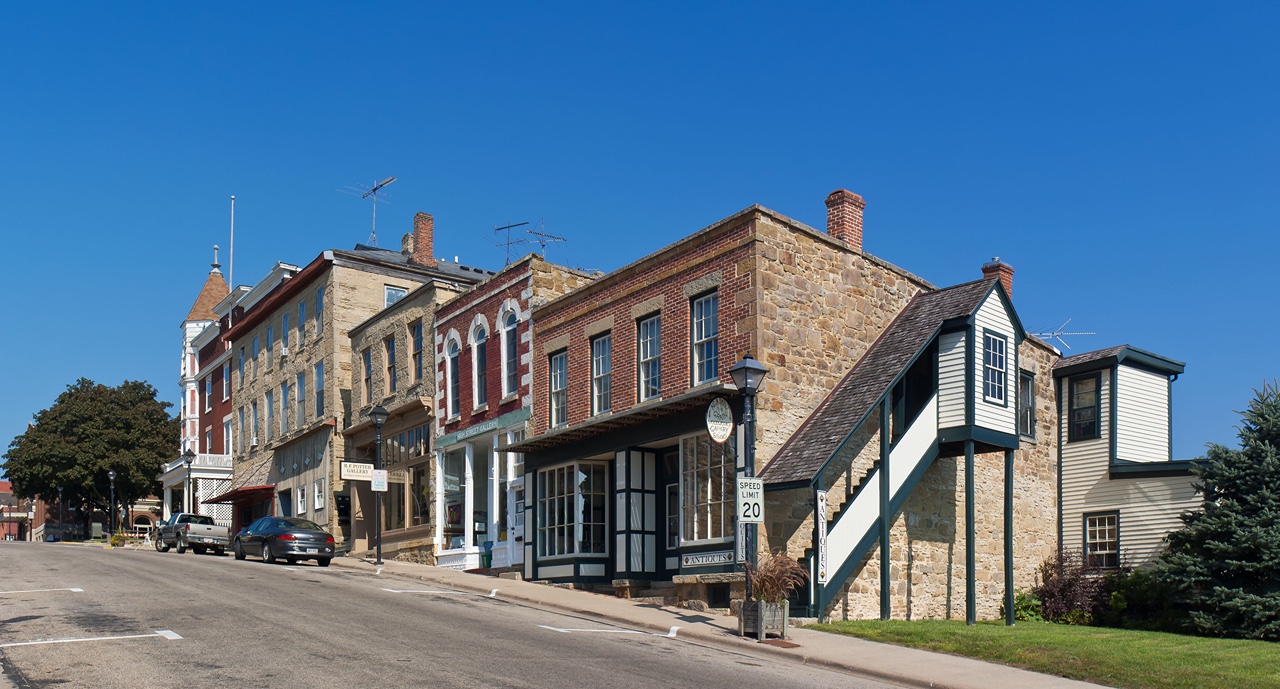
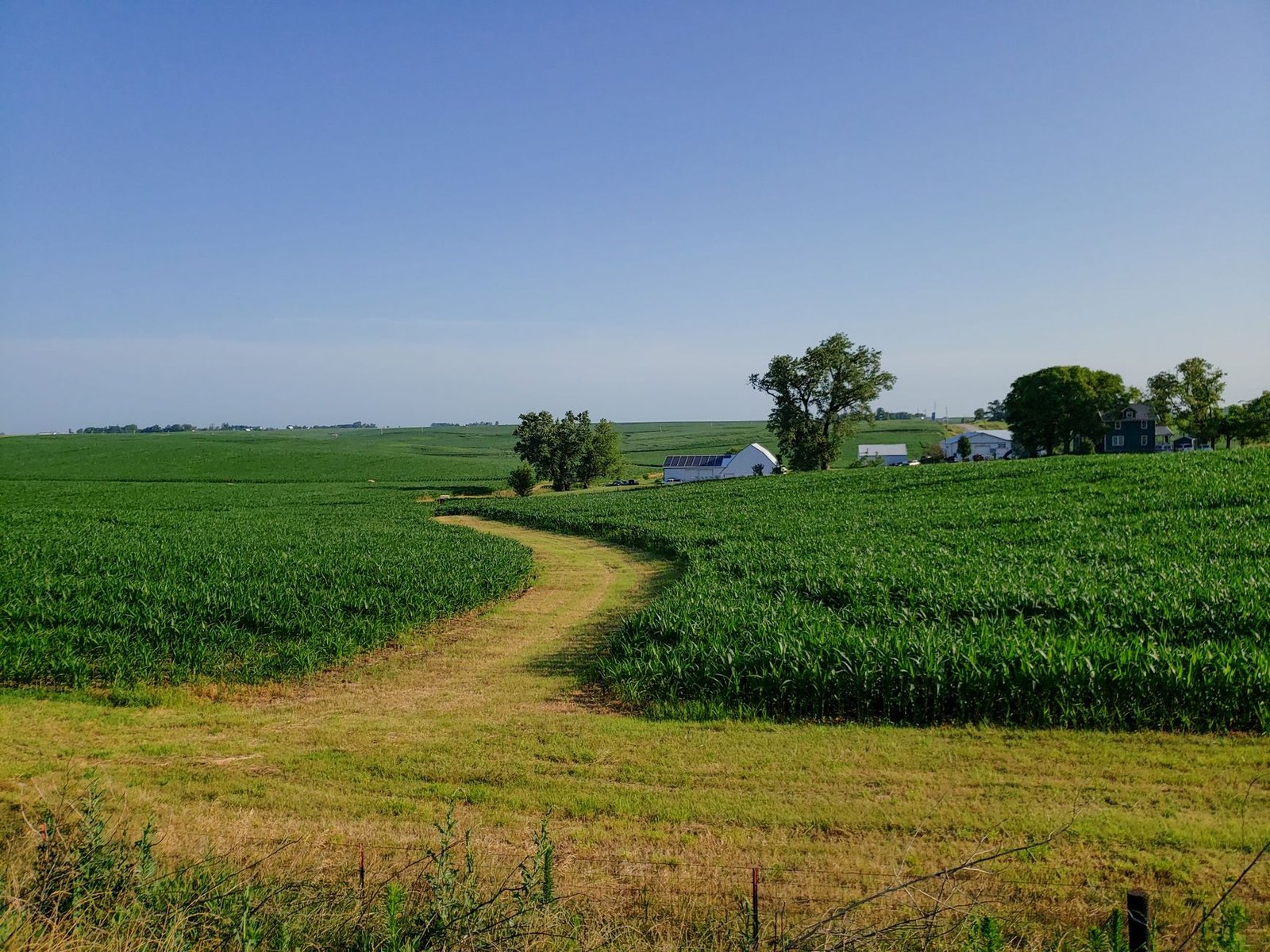
- Kansas and Nebraska Long. Flat. If you’re crossing these to get somewhere, that’s what they are. Families who tried to make them destinations (Chimney Rock, the geographic center of the US) consistently report underwhelm. Drive through, don’t linger.
- Mississippi The food is excellent and the Delta has real character. But the tourist infrastructure is thin, accommodations are limited outside of Jackson and Biloxi, and families with kids struggle to find activities.
What They’d Do Differently

Every completed 48-state family who documented their experience has a list of changes they’d make:
- Pick a slower pace and skip states rather than drive through them.
- Budget 20% higher than your estimate. You will spend it.
- Book campgrounds in the West (Yellowstone, Glacier, Zion, Arches) six months in advance — not one month, not two. Six months.
- Do the Southwest in spring or fall, not summer. August in Arizona in a car is a medical consideration.
- Give each family member one veto per week — one day where their preference wins without debate. Preserves relationships.
- Buy the America the Beautiful pass first thing. It pays for itself within three or four parks and removes fee anxiety at every entrance.
Should You Attempt the 48-State Road Trip?

Honestly? If you have to ask, probably not — at least not all at once.
The families who love it unconditionally are the ones who went in with clear eyes about cost, pace, and difficulty. They camped heavily, they gave up on “seeing everything,” they gave each other space, and they were willing to spend money on repairs without it ruining the trip.
The families who regretted it tried to do too much in too little time, underbudgeted by 30–50%, or brought unresolved family tensions into a 90-day pressure cooker.
A regional version — Rocky Mountain states, Pacific Coast, New England loop — often delivers more satisfaction with a fraction of the cost, driving, and stress. Do that first. If you come back hungry for more, the full 48 will still be there.
But if you want to be among the people who have genuinely done it, who have stood at a rest stop in Delaware and a pullout in Montana and a beachfront in Maine all in the same year — it’s worth it. Just bring more money than you think you need.