The Airline Upgrade Secret Gate Agents Won’t Advertise (But Frequent Flyers Swear By)
We may earn money or products from the companies mentioned in this post. This means if you click on the link and purchase the item, I will receive a small commission at no extra cost to you ... you're just helping re-supply our family's travel fund.
I used to be the person reading the same recycled advice: “book with miles,” “achieve elite status,” “ask nicely.” Then I watched a guy in jeans and a hoodie waltz past me into business class on a flight I’d been waitlisted for upgrades on for three weeks. I started paying attention after that.
Upgrades in 2026 are not a lottery. They’re a system — and once you understand how that system actually works, you stop leaving free first-class seats on the table.
Why the Obvious Advice Is Mostly Useless
The standard upgrade tips you’ll find in every listicle — “accumulate miles,” “get a co-branded card,” “always ask” — are not wrong, but they’re table stakes. Every frequent flyer already knows them. What they don’t tell you:
- Most domestic “first class” upgrades on major carriers like Delta and United are now auctioned via bid systems, not awarded on status alone
- Complimentary upgrades have quietly been deprioritized in favor of revenue-generating tools
- Gate agents have less discretion than they used to — and more scrutiny from their managers
The real game has moved. Here’s where it actually is.
The Bid Upgrade System Nobody Talks About
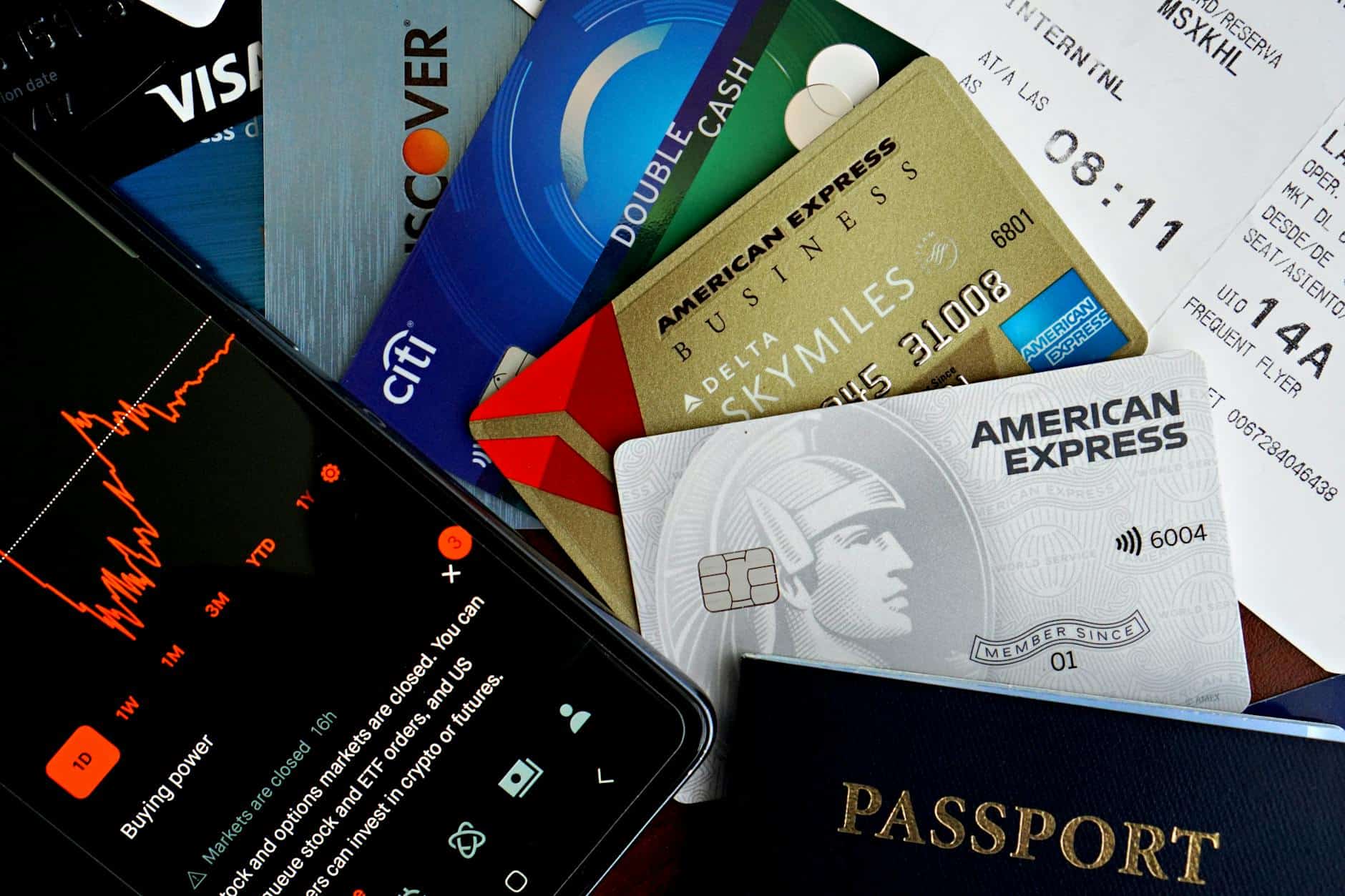
Delta, United, American, and most major international carriers now run upgrade auction programs. Delta calls it “Bid to Upgrade,” United uses a similar mechanism. Here’s the thing almost nobody does: bid the minimum on every eligible flight, every time.
Most people ignore bid upgrade emails or dismiss them as “just trying to sell me something.” But the math works in your favor more often than you’d think:
- On routes with low premium cabin demand, minimum bids of $50–$80 can clear
- The bid is only charged if you win — there’s zero risk in always placing the minimum
- For international long-hauls, minimum bids can be as low as $150–$200 for a $2,000+ business class seat
Set a calendar reminder to check your email for bid invite messages after booking. Airlines send them 3–10 days before departure. The minimum bid varies by route and cabin fill rate — on a half-empty Tuesday flight to a secondary market, you’re in a strong position.
The ‘Operational Upgrade’ and How to Position Yourself for One
This is the one gate agents will never proactively explain. An “operational upgrade” happens when the airline needs to move a passenger for weight-and-balance reasons, to free up an Economy seat for an oversold situation, or to accommodate a crew positioning issue.
Who gets those seats? Not necessarily the highest-status passenger. It’s often whoever is:
- Traveling alone (couples and families are logistically complicated to upgrade)
- Checked in early and present at the gate well before boarding
- Already on the upgrade waitlist (even if you’re #8 on the list)
- Dressed and presenting as a business-class-appropriate passenger
Solo travelers are the airlines’ best friend in these scenarios. If you’re flying alone, your odds of an operational upgrade are meaningfully higher than a party of two or more.
Dress the Part — Yes, It Actually Matters
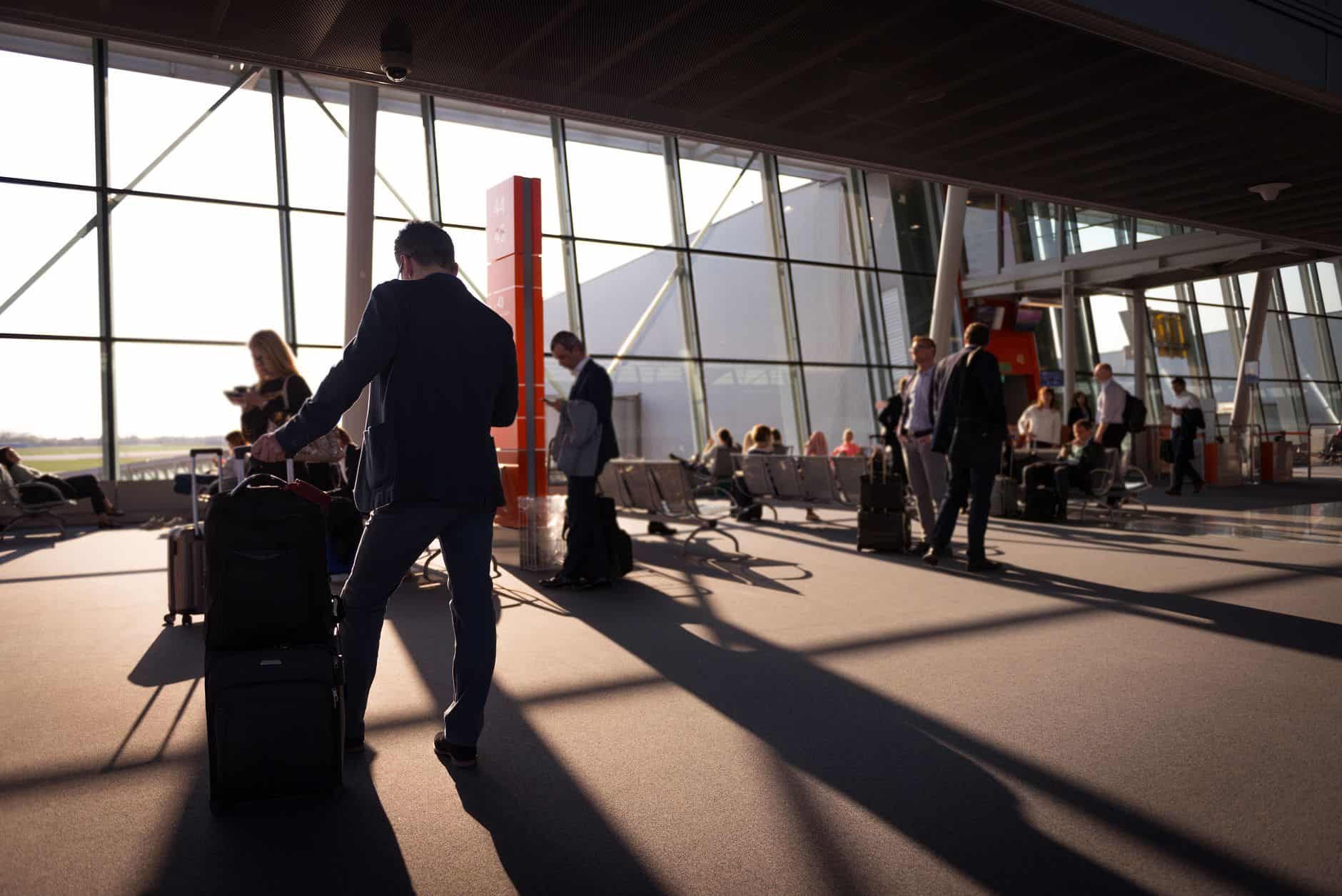
Before the internet yells at me: no, there is no formal dress code for economy class. But gate agents are human, and humans make snap judgments. This is well-documented in aviation forums and confirmed by multiple flight attendants and former gate agents.
You don’t need to wear a suit. You need to look like you “fit” in the premium cabin. That means:
- Clean, wrinkle-free clothes — not athletic wear or clothing with graphics
- No visible logos that clash with a professional image
- Shoes that aren’t flip-flops or slides
Is this fair? Debatable. Does it work? Based on a lot of anecdotal evidence from people who fly 100+ times a year — yes.
The Day-Of Timing Window That Changes Everything
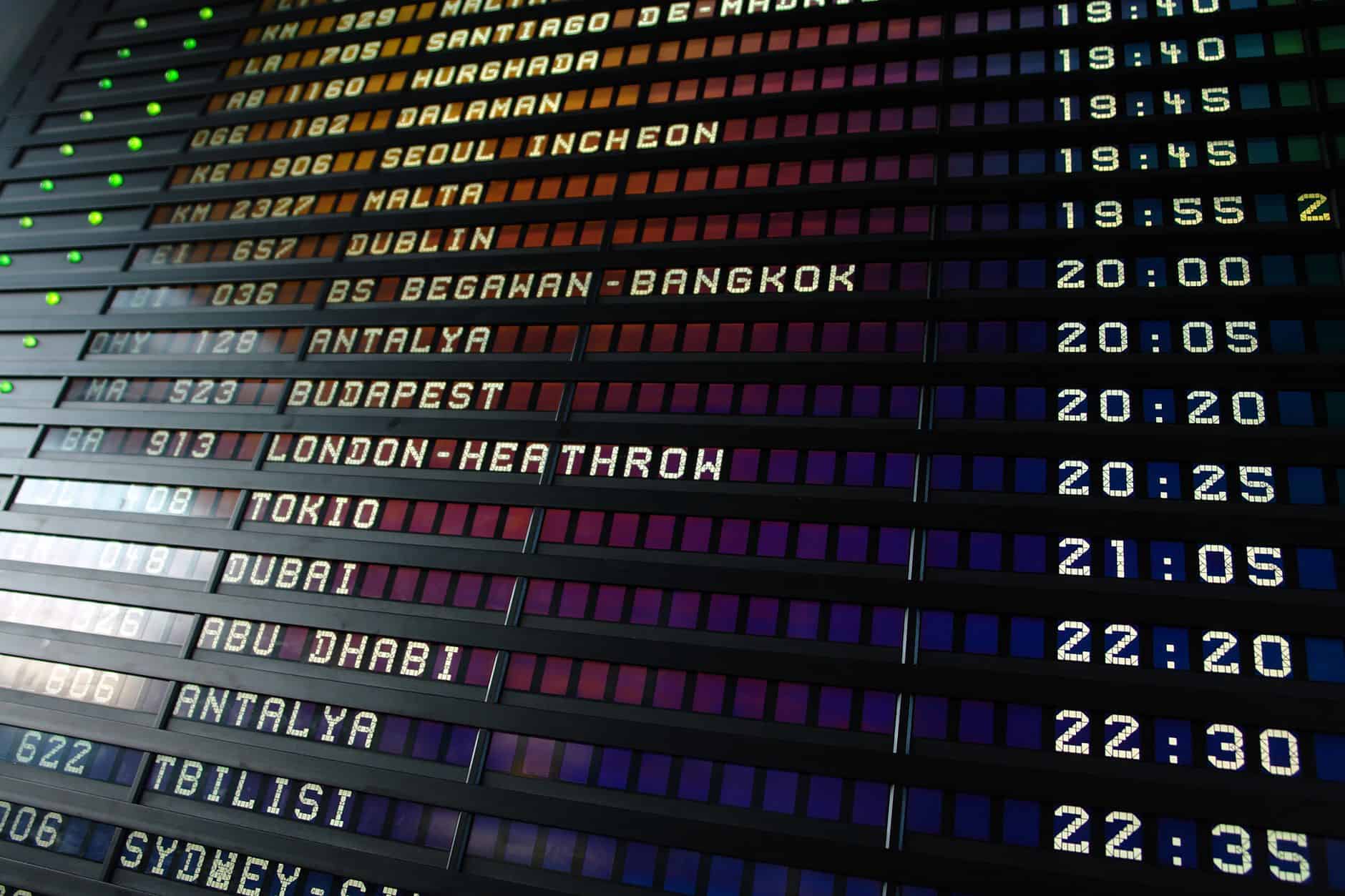
Upgrade clearance happens in waves. Here’s the rough sequence for most major U.S. carriers:
- 72–24 hours before departure: Elite status members clear (starting from highest tier)
- 24 hours to gate opening: Bid upgrades clear and remaining status upgrades process
- Gate opening to 15 minutes before departure: Gate agents work any remaining premium seats
The critical window most travelers miss is that last one. If you’re standing at the gate when the agents are actively managing the flight, you’re visible. If you’re at the bar past security, you’re not.
Be at the gate. Make eye contact. Be pleasant. Don’t ask desperately — just be present and easy to deal with.
What to Say (and What Never to Say) at the Gate
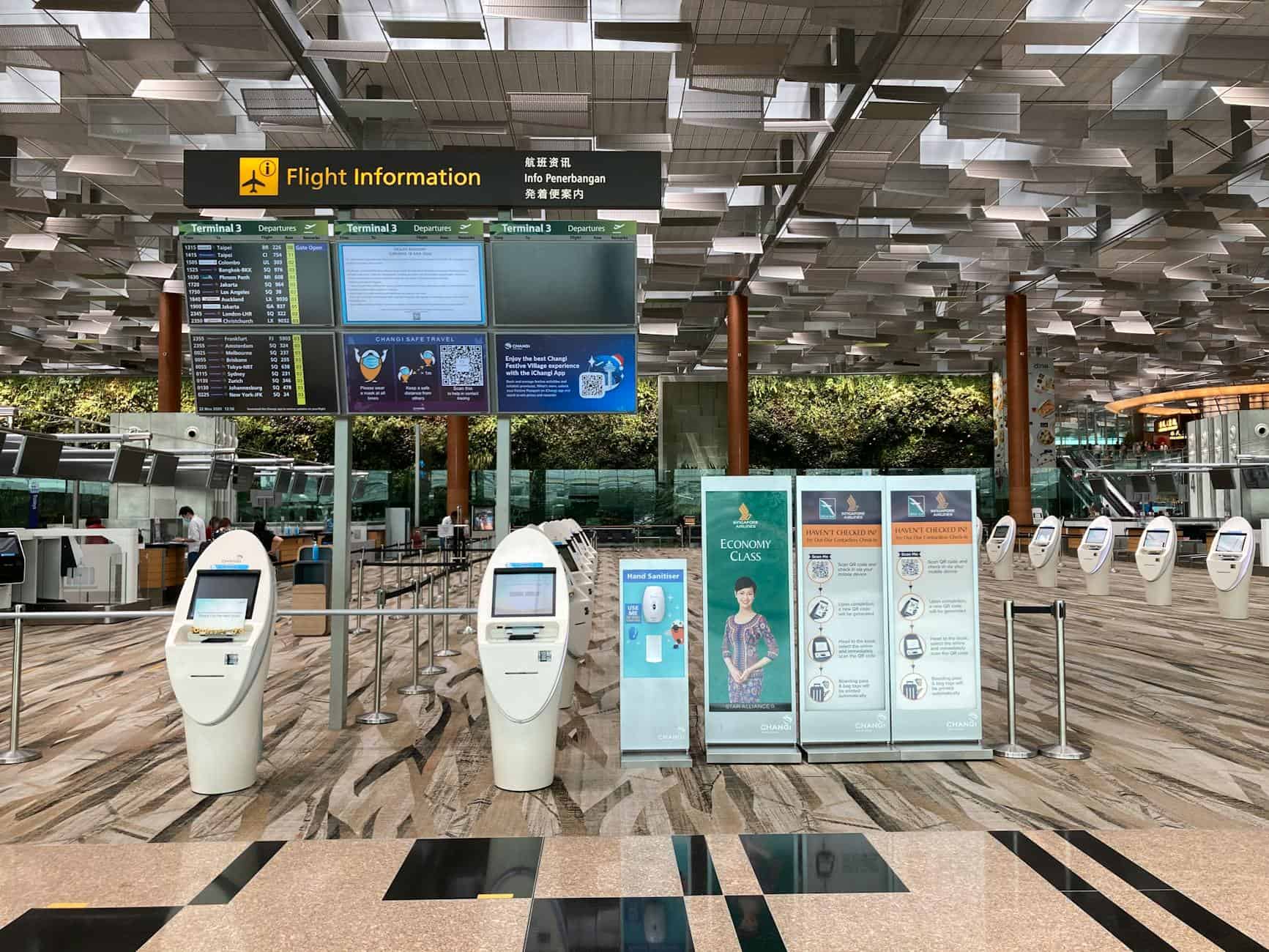
The worst thing you can say: “Is there any chance I could get upgraded?” It signals inexperience and puts the agent in an awkward position.
Better approaches:
- “I’m on the upgrade waitlist — just checking in to see where I stand.” (Neutral, informational, non-demanding)
- If you have a legitimate need: “I have a medical situation that makes extended sitting difficult — I understand if nothing’s available, but I wanted to mention it.” (Only use this if true.)
- If you have a connection to make: “I’m connecting to [city] with a tight window — is there any flexibility on seating?” (Gives the agent a practical reason to help you)
Never: complain, invoke how much you paid, name-drop your status tier, or create a scene. Gate agents remember, and word travels.
Tools and Apps That Do the Heavy Lifting

You don’t have to manually track all this. A few tools that serious upgrade-chasers use:
- ExpertFlyer Shows real-time upgrade availability and award space across airlines. The paid tier (~$9.99/month) lets you set alerts when upgrade space opens on specific flights.
- SeatGuru / SeatMaestro Helps you identify which seats have blocked upgrades vs. genuine premium availability before you book.
- Google Flights fare calendar Booking on low-demand travel days means fewer elite members competing for the same upgrades. Mid-week, mid-month flights have statistically better upgrade clearance rates.
- Your airline’s app Enable push notifications. Some carriers push upgrade bid offers or last-minute complimentary upgrade notifications directly through the app, and the window to accept can be short.
The bottom line: upgrades aren’t luck. They’re preparation, positioning, and timing — dressed in a clean shirt, standing at the gate 45 minutes before boarding. The guy in the hoodie I mentioned? Turned out he’d bid $65 minimum on a route with eight empty business seats and two competing bids. He just knew the system.