Theme Park Ticket Prices Have Been Rewritten Five Times Since 2019 — Here’s What You’re Actually Paying For Now
We may earn money or products from the companies mentioned in this post. This means if you click on the link and purchase the item, I will receive a small commission at no extra cost to you ... you're just helping re-supply our family's travel fund.
This article contains affiliate links. If you book travel through our links, we may earn a commission at no extra cost to you.
Theme park economics underwent a structural reset between 2019 and 2025. The changes were not just price increases — they were fundamental renegotiations of what the purchase price entitles a visitor to receive. The FastPass system that reduced wait times for no additional cost is gone at Disney. The concept of a single consistent ticket price regardless of visit date is largely gone everywhere. What replaced these things is a more expensive, more complex purchasing experience that most families encounter for the first time at the park entrance.
The 2019 Baseline: What a Theme Park Ticket Actually Included
A 2019 one-day ticket to Walt Disney World’s Magic Kingdom was priced at $109–$129 depending on date, under Disney’s then-new date-based pricing system. That ticket included unlimited access to all attractions during park hours, use of the FastPass+ system (pre-book three fast lane reservations at no charge), and no separate admission tier for specific lands or rides.
At Universal Studios Florida in 2019, a one-day ticket was approximately $115, and Express Pass — the skip-the-line system — was purchasable as an add-on for $79–$169 depending on season. The Halloween Horror Nights event carried separate admission, but the park’s standard experience was broadly accessible at the base ticket price.
Six Flags had established itself as the accessible alternative to Disney and Universal, with $80 single-day tickets and $70 season passes for regular visitors. The distinction between budget and premium theme park experiences was meaningful and the gap was wide.
Disney’s Variable Pricing and the Death of the Standard Ticket
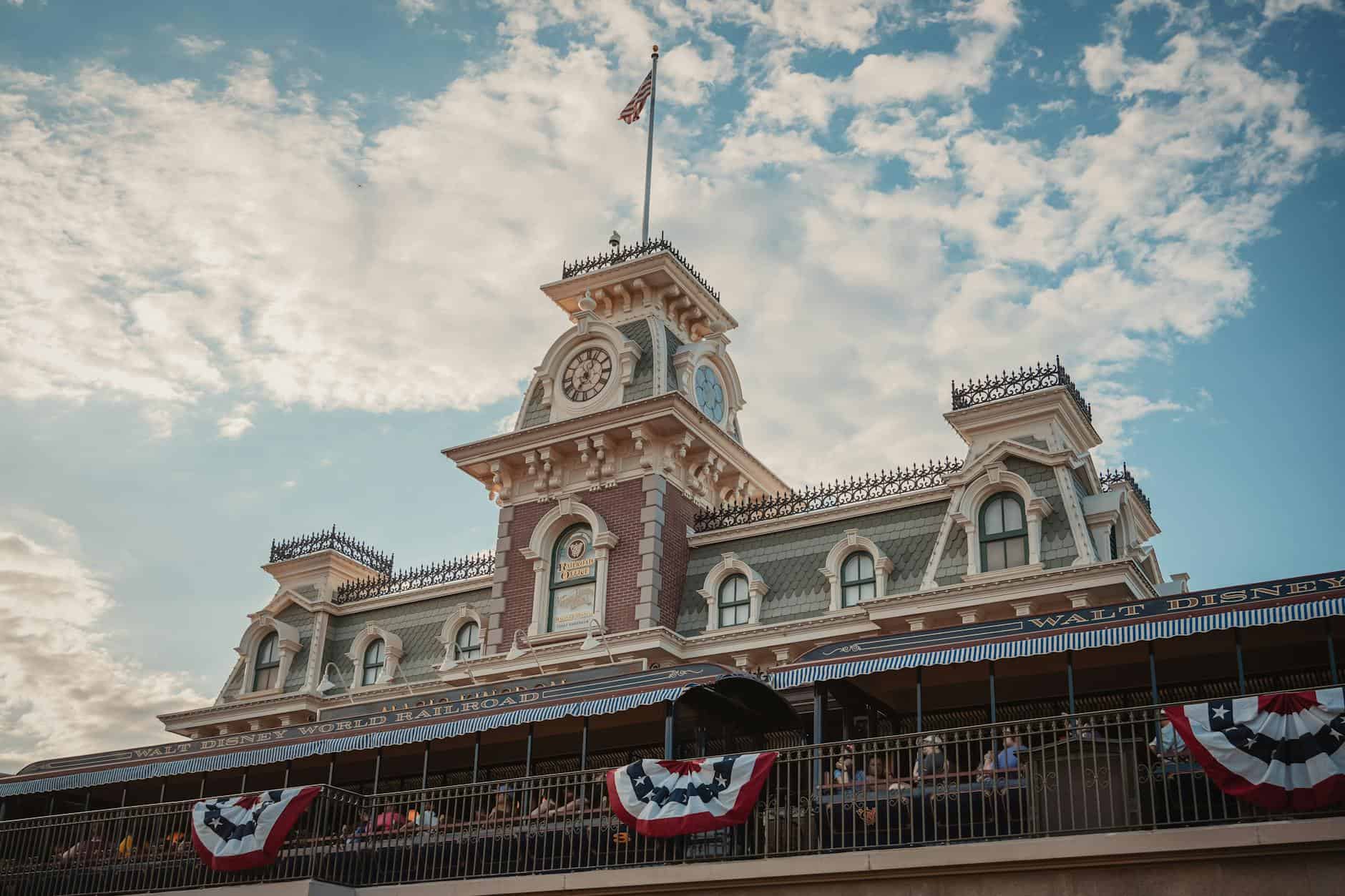
Disney’s ticket pricing transformation between 2019 and 2025 has been the most extensively analyzed in the industry. The company moved from a date-tiered system (value, regular, peak) to a fully dynamic calendar pricing model in which ticket prices vary day by day across a wide range.
A 2025 one-day Magic Kingdom ticket ranges from $109 on the lowest-demand days to $189 on peak days — a spread of $80 per person. For a family of four, choosing a peak day over a value day adds $320 to the ticket cost alone. The calendar of value vs. peak days is managed by Disney’s revenue management team and adjusts based on booking demand.
Beyond the ticket price itself, Disney restructured park access to require a reservation system (the Park Pass system, introduced during COVID) that limits attendance on a given day and requires planning months in advance for popular dates. Families who attempted to visit spontaneously found that their preferred parks were at capacity. The system created a new planning burden that older Disney visitors, accustomed to walk-up access, found disorienting.
Lightning Lane and Genie+: The FastPass System That Now Costs Money

Disney’s FastPass+ system allowed every guest with a valid ticket to pre-book three ride reservations per day at no additional charge. In 2021, Disney replaced it with the Genie+ service, priced at $15–$35 per day depending on park and date, which provides access to Lightning Lane queue skipping at most (but not all) attractions.
A subset of the most popular attractions — Seven Dwarfs Mine Train at Magic Kingdom, Guardians of the Galaxy at EPCOT, TRON Lightcycle Run — require a separate Individual Lightning Lane purchase on top of the Genie+ fee, priced at $7–$25 per ride.
For a family of four visiting for one day with Genie+ and two Individual Lightning Lane purchases per person, the wait time management system adds approximately $120–$220 to the day’s cost — for a feature that was completely free under the old FastPass system. Over a three-day trip, this represents $360–$660 in a new spending category that didn’t exist before 2021.
Universal’s Answer: Express Pass and the Epic Universe Pricing Model

Universal took a different approach. Rather than replacing its Express Pass add-on with a tiered digital system, Universal restructured its hotel pricing to include Express Pass as a perk for on-property guests — making the park’s best accommodation option also the most efficient operational choice.
Guests staying at Universal’s premier hotels (Portofino Bay, Hard Rock, Royal Pacific) receive complimentary unlimited Express Pass for all days of their stay. The hotel premium ranges from approximately $100–$200/night above comparable off-property options — but for a family that would otherwise purchase Express Pass daily, the math can favor on-property stays on multi-day visits.
Epic Universe, Universal’s massive new park scheduled to open in 2025, launched with a separate gate admission structure. Early announced pricing put Epic Universe single-day tickets above $100 at value pricing, with multi-day combinations with the existing parks required for the full experience. The total cost of a Universal Orlando vacation centered on Epic Universe exceeds pre-2019 Disney World trip costs on comparable multi-day configurations.
Six Flags and Cedar Fair: The Budget Option That Got Significantly Less Budget
Six Flags and Cedar Fair merged in 2023 to form a company called Six Flags Entertainment Corporation, creating North America’s largest theme park operator by number of parks. The merger has produced pricing integration across both chains that has largely moved the combined entity upmarket from its traditional budget positioning.
Six Flags single-day admission at major parks now sits at $79–$119, up from the $50–$80 range in pre-merger 2019. The company eliminated the extremely aggressive season pass discounting that had made Six Flags the accessible family option — $29–$40 season passes during promotional windows — in favor of tiered passes starting at approximately $80.
Cedar Fair parks, which include Cedar Point, Kings Dominion, and Carowinds, were already positioned above Six Flags on price but below Disney/Universal. The combined entity’s pricing has converged toward the middle, reducing the range of affordable options available to families for whom $200/day Disney tickets are not accessible.
Parking, Food, and Merchandise: The Total Trip Math
Parking at Disney World is $30–$45 per day depending on lot type. Preferred parking adds another $30–$45. Universal’s standard parking is $35 per day. For a multi-day trip, parking can add $90–$150 to the total before entering a park.
Theme park food pricing has escalated independently of ticket prices. A counter-service meal for a family of four at Disney’s Magic Kingdom (two adult combos, two kids meals, two soft drinks) runs approximately $75–$90 in 2025. A quick-service lunch at the parks five years ago ran $55–$65 for the same order.
A comprehensive accounting of a four-day Disney World trip for a family of four in 2025 — four-park tickets, Genie+ for three days, one Individual Lightning Lane per person per day, parking, three meals per day at park food service, and basic souvenir spending — produces a total of approximately $6,000–$8,000 before hotel and flight costs. The equivalent trip in 2019, holding other variables constant, was approximately $3,800–$4,500.
What a Family of Four Actually Spends Compared to 2019
The total cost increase for a comparable Disney World vacation since 2019 — accounting for ticket price inflation, the creation of Lightning Lane as a new spending category, parking increases, and food price increases — is estimated at 45–60% in real terms, significantly above general consumer price inflation over the same period.
The Disney consumer’s dilemma is that the price increases have not been accompanied by proportional experience improvements. Wait time data collected by third-party services including Touring Plans show that peak wait times at Magic Kingdom in 2024 were comparable to or longer than 2019 wait times despite the premium paid for Lightning Lane. The park got more expensive; it did not get less crowded.
Universal’s total trip cost has increased less dramatically in percentage terms, partially because the Express Pass hotel bundling strategy kept visible add-on costs lower. However, Epic Universe’s addition to the Orlando product means that a comprehensive Universal vacation now requires an additional gate admission that didn’t exist before.
The Alternatives That Theme Parks Don’t Want You Thinking About

The pricing escalation at major theme parks has materially changed the competitive landscape for family vacation spending. Families spending $6,000–$8,000 on a Disney World trip are making that decision against alternatives that have become relatively more attractive by comparison.
All-inclusive resorts in Mexico and the Caribbean, adventure travel to national parks, or international destinations like Costa Rica or Portugal can deliver week-long family vacations at total costs that match or undercut a multi-day Disney World itinerary. This comparison was not meaningfully available in 2015, when Disney pricing was more moderate and international travel felt more complex.
Travel advisors who work with families report a meaningful increase in clients asking “is Disney still worth it?” — a question they rarely encountered before 2021. The advisors’ consistent answer: Disney remains unique in specific ways (the character-driven experience for young children, the operational quality of the parks), but the value proposition requires more deliberate justification than it once did, and the alternatives have genuinely improved.