Americans Have Mexico Almost Entirely Wrong — Here’s What People Who’ve Lived There 5+ Years Actually Say
We may earn money or products from the companies mentioned in this post. This means if you click on the link and purchase the item, I will receive a small commission at no extra cost to you ... you're just helping re-supply our family's travel fund.
Ask a random American what they think of when they think of Mexico, and you’ll get one of a few answers: the beach resort they went to for spring break, the State Department travel warning their aunt forwarded them, or the stories about cartel violence they’ve seen in the news.
Ask an American who has lived in Mexico City, Oaxaca, Mérida, or San Miguel de Allende for five years what they think about Mexico, and you’ll hear something almost entirely different.
Neither picture is lying. They’re just describing completely different things. Mexico is a country of 130 million people and 2 million square kilometers that contains everything from legitimate areas of significant security risk to some of the safest cities of their size in the Western Hemisphere. The blanket “is Mexico safe?” question is like asking “is the United States safe?” — it depends entirely on where in the United States you’re asking about.
The Safety Picture Americans Have vs. The One That Actually Exists
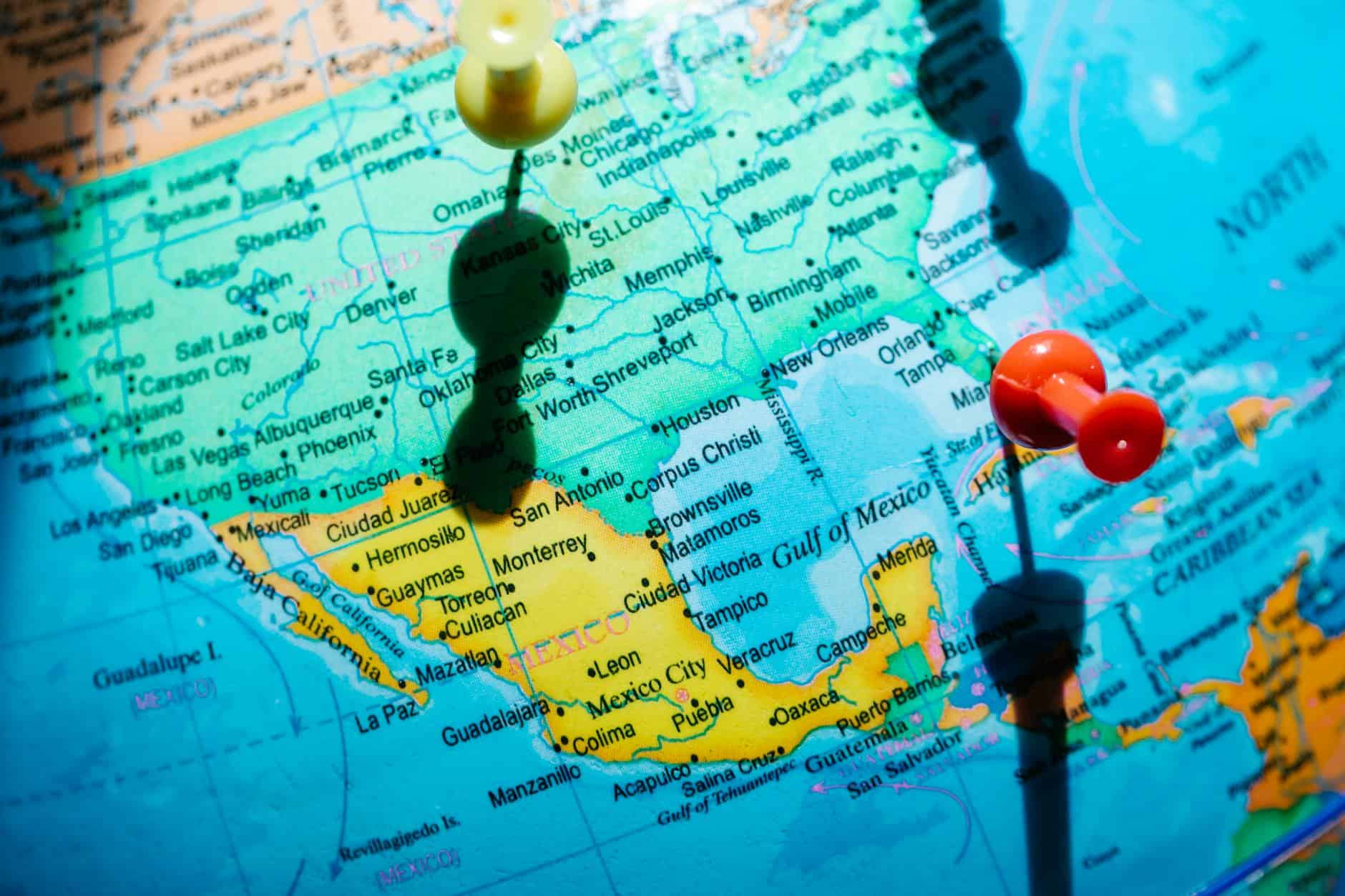
The US State Department issues travel advisories for Mexican states on a Level 1–4 scale, with Level 4 meaning “Do Not Travel” (the same designation given to active war zones). Several Mexican states carry Level 4 advisories. Several others carry Level 1 (Exercise Normal Precautions — the same designation as France, Germany, and Japan).
The American media coverage of Mexico is heavily weighted toward the Level 3 and 4 states — Sinaloa, Tamaulipas, Colima, and others where cartel-related violence is genuine and severe. The coverage of Yucatán State (Level 1), Campeche (Level 1), or Mexico City (Level 2 — same as major US cities like New Orleans by some crime metrics) is comparatively minimal.
The result is an American population that has internalized “Mexico is dangerous” as a monolithic fact, when the reality is a highly regionalized picture that requires more nuance.
Where the Danger Actually Is (and Where It Isn’t)

Honestly and specifically:
Higher-risk areas that American tourists and expats should approach with care:
- Border states with the US — Tamaulipas, Chihuahua, and parts of Coahuila have genuine security challenges driven by cartel territorial disputes. The violence is largely directed within criminal networks, but the risk of being caught in the wrong place is real.
- Colima state — repeatedly ranked as one of the most dangerous regions in the country by homicide rate metrics
- Guerrero state — includes Acapulco, which has dramatically elevated violence levels. Tourists at resort hotels have largely been insulated from this, but the broader state carries real risk.
- Parts of Michoacán — outside the tourist-visited towns like Pátzcuaro, security conditions in parts of the state are genuinely difficult
Areas that are significantly safer than the American mental model suggests:
- Yucatán Peninsula — Mérida, Valladolid, and the interior Yucatán are genuinely among the safest areas in Mexico. Mérida’s homicide rate is lower than many medium-sized US cities. This is not spin — it’s the State Department’s own assessment.
- Mexico City — a city of 21+ million people with the expected urban security challenges, but not meaningfully more dangerous than large US cities for tourists and expats who take reasonable precautions. The Roma, Condesa, Polanco, Coyoacán, and San Ángel neighborhoods feel as safe as any equivalent upscale urban neighborhood in the US.
- Oaxaca — the city and the coast (Puerto Escondido, Huatulco) have relatively low levels of the cartel-related violence that defines Mexico’s high-risk areas
- San Miguel de Allende — a colonial city in Guanajuato state with a massive expat community. Guanajuato state has some security challenges, but San Miguel itself is heavily policed due to its tourist and expat economy.
- Puerto Vallarta / Riviera Nayarit — the bay area is a heavily tourism-dependent economy with well-functioning security infrastructure
The Cost of Living Reality — Not the Influencer Version

The “I live in Mexico for $1,500/month” influencer content exists and is technically true for some people in some places. Here’s the fuller picture:
What $1,500/month actually buys in Mexico City (Roma Norte neighborhood, 2024):
- Rent for a furnished 1-bedroom apartment: $600–$900/month (prices have risen significantly post-pandemic)
- Food: $300–$400/month eating at local restaurants and cooking with local ingredients
- Transportation: $50–$80/month using Metro and Uber
- Utilities: $60–$100/month
A single person living relatively modestly can genuinely do Mexico City for $1,200–$1,800/month. A couple can do $1,800–$2,500/month.
The caveats:
- These numbers require actually living like a local, not like an expat. Eating at expat-facing restaurants, frequenting international grocery stores, and renting in the most Instagrammable neighborhoods pushes costs dramatically higher.
- Mexico City and San Miguel de Allende have experienced significant inflation and expat-driven rent increases in recent years. The 2020 numbers circulating in many “cost of living” posts are outdated.
- Healthcare, dental, and prescription costs are genuinely much lower than US equivalents. This is the most consistent cost advantage across all regions and demographics.
- The income you bring matters enormously. A remote worker earning a US salary in Mexico is in an extremely favorable financial position. A retiree on a fixed US Social Security income has a more modest but still workable budget in most Mexican cities.
Healthcare in Mexico: The Part That Surprises Americans Most

This consistently surprises American expats the most:
- Private doctor visits at quality clinics: $25–$60 USD
- Dental procedures: 20–40% of US prices for equivalent quality work (dental tourism is a real and established industry, particularly in border cities and Los Cabos)
- Prescription medications: dramatically cheaper than in the US, with many medications available over the counter that require prescriptions in the US
- Private hospitals: variable quality but generally excellent in major cities. Hospitals in Mexico City, Guadalajara, and Monterrey that cater to expats and domestic middle/upper-class patients are genuinely world-class.
- The IMSS (Instituto Mexicano del Seguro Social): Mexico’s public health insurance system is available to residents and legal workers. Monthly premiums are extremely low. Quality is inconsistent — excellent for routine care in major cities, less reliable in rural areas or for complex specialized care.
Most long-term expats use a combination: IMSS for a safety net, private insurance for serious conditions, and out-of-pocket cash payments for routine care since out-of-pocket private costs are low enough to make it practical.
What Expats Who’ve Been There 5+ Years Actually Think
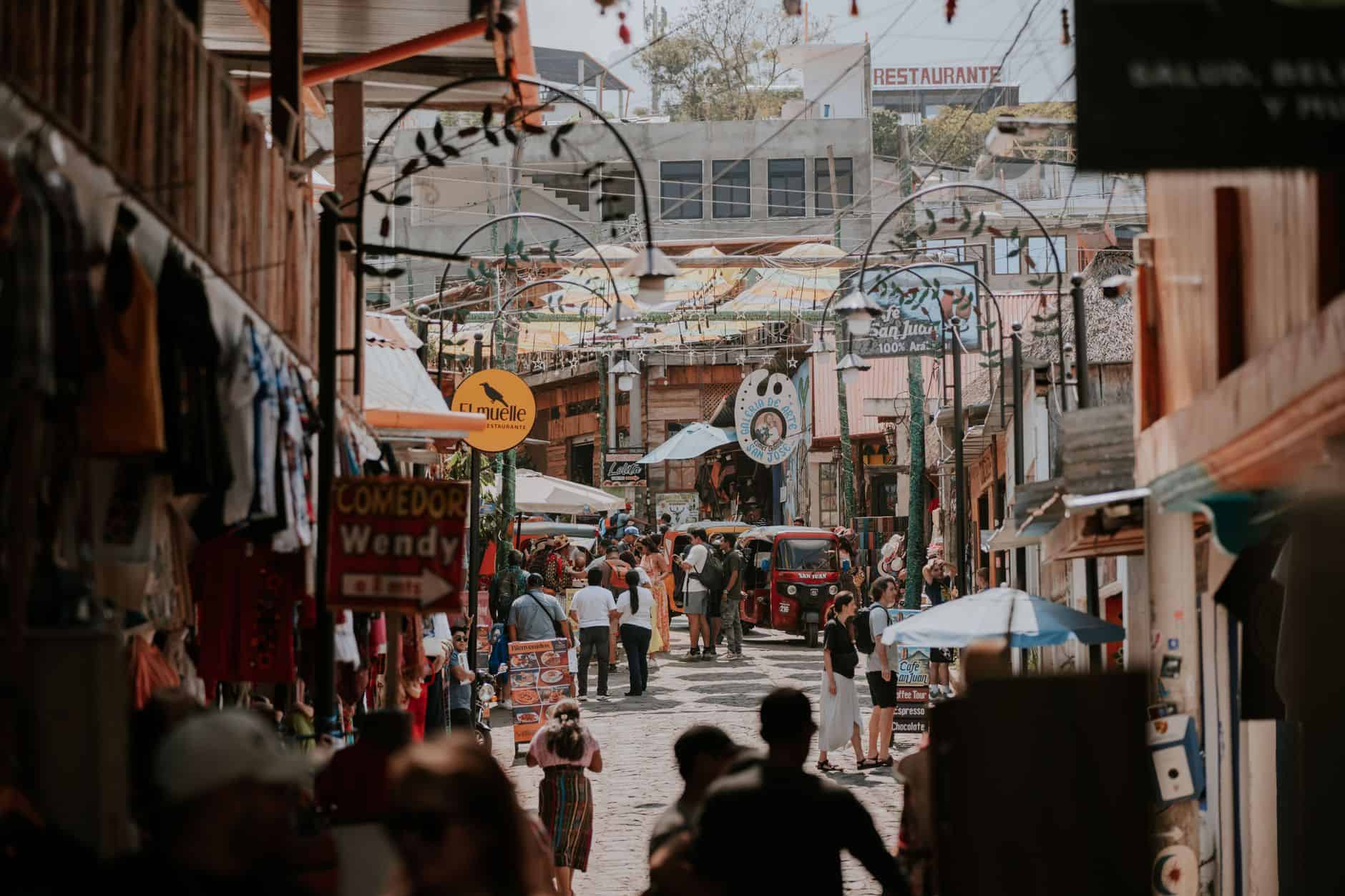
Surveys and interviews with long-term American expats in Mexico produce some consistent themes:
What they love:
- The quality and cost of food — fresh ingredients, extraordinary variety, dramatically lower restaurant prices
- The pace and texture of daily life — markets, streets, plazas with actual social activity rather than parking lots
- The warmth of personal interactions — expats frequently describe Mexican culture as more genuinely social and community-oriented than what they left
- The access to domestic travel — Mexico’s internal geography is extraordinary, and expats can reach beach, mountains, jungle, and colonial cities within a few hours of almost any base
- The healthcare cost savings, particularly dental
What’s harder than they expected:
- Bureaucracy — immigration paperwork, visa renewals, getting a local bank account, registering a vehicle — these processes are slow, often require Spanish fluency, and are unpredictably complex
- The noise and air quality in major cities — Mexico City in particular, though it has improved significantly, has traffic noise and air quality challenges
- The income tax situation — American expats still owe US taxes regardless of where they live, and Mexico’s own tax rules apply to those with Mexican residency
- The difficulty of forming deep friendships with Mexican nationals versus other expats — the expat bubble is comfortable but insular, and breaking out of it requires meaningful Spanish proficiency
- The infrastructure variability — power outages, water pressure issues, and internet reliability that varies significantly by neighborhood and city
The Cultural Adjustment Nobody Talks About
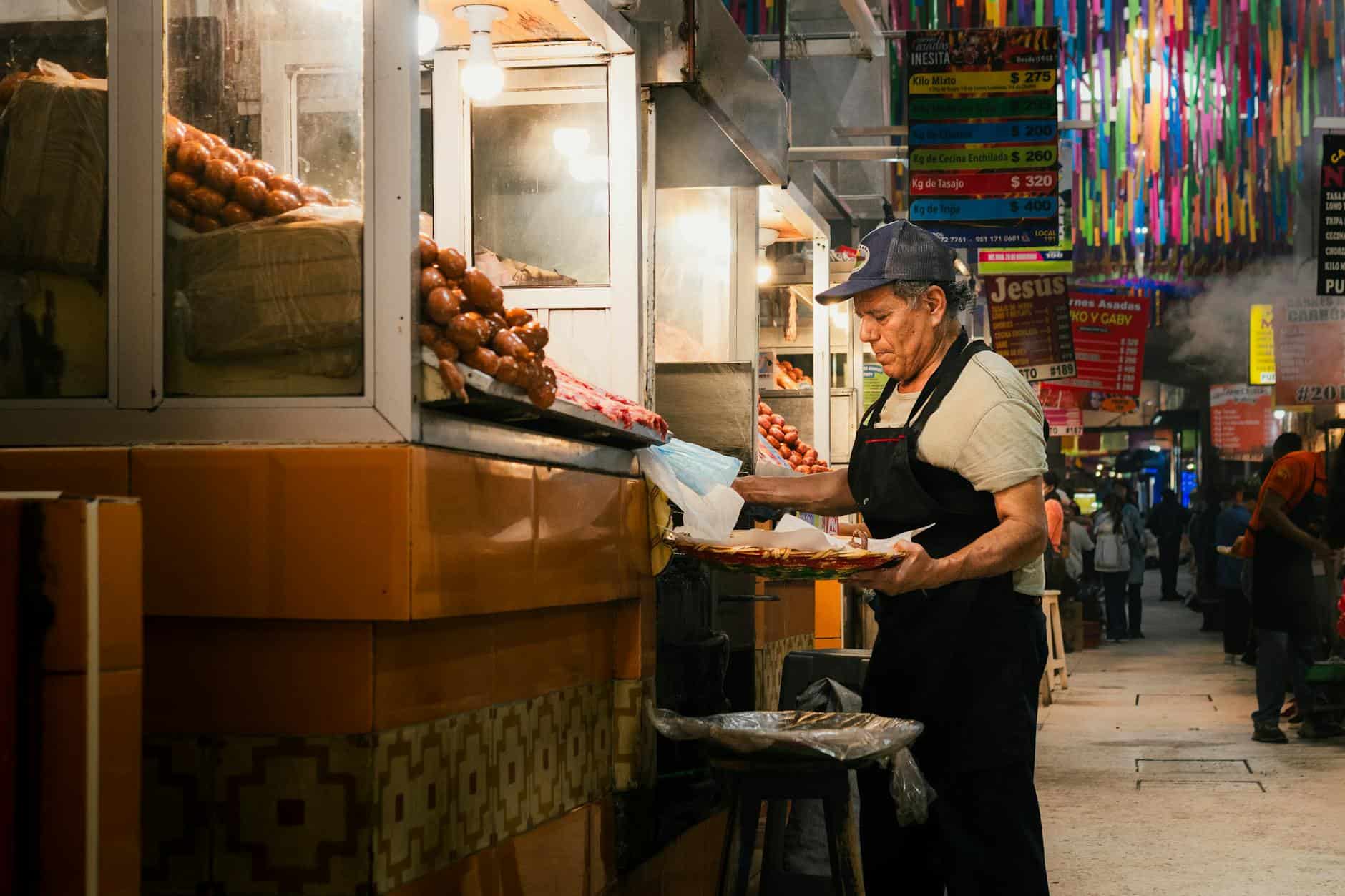
Time and appointment culture in Mexico is genuinely different from American norms. “I’ll be there at 3” means something different than it does in the US — lateness is more fluid, schedules are more negotiable. This drives Americans insane for the first few months and becomes either accepted or a persistent source of friction. It rarely resolves without conscious adaptation.
Family structure and obligations are also different in ways that affect expat social life. Mexican social culture centers heavily around the family unit, and weekend social obligations to extended family mean that the casual “let’s grab dinner Saturday” culture that American expats expect is less available than in the US.
The language issue is real. Spanish fluency takes 12–18 months of serious effort for most Americans. The first year with limited Spanish is workable in expat-heavy areas, frustrating elsewhere, and ultimately limiting everywhere. Expats who learn the language describe it as the single biggest factor in having a genuinely rich experience versus a comfortable but surface-level one.
The Best Cities for Different Types of Expats
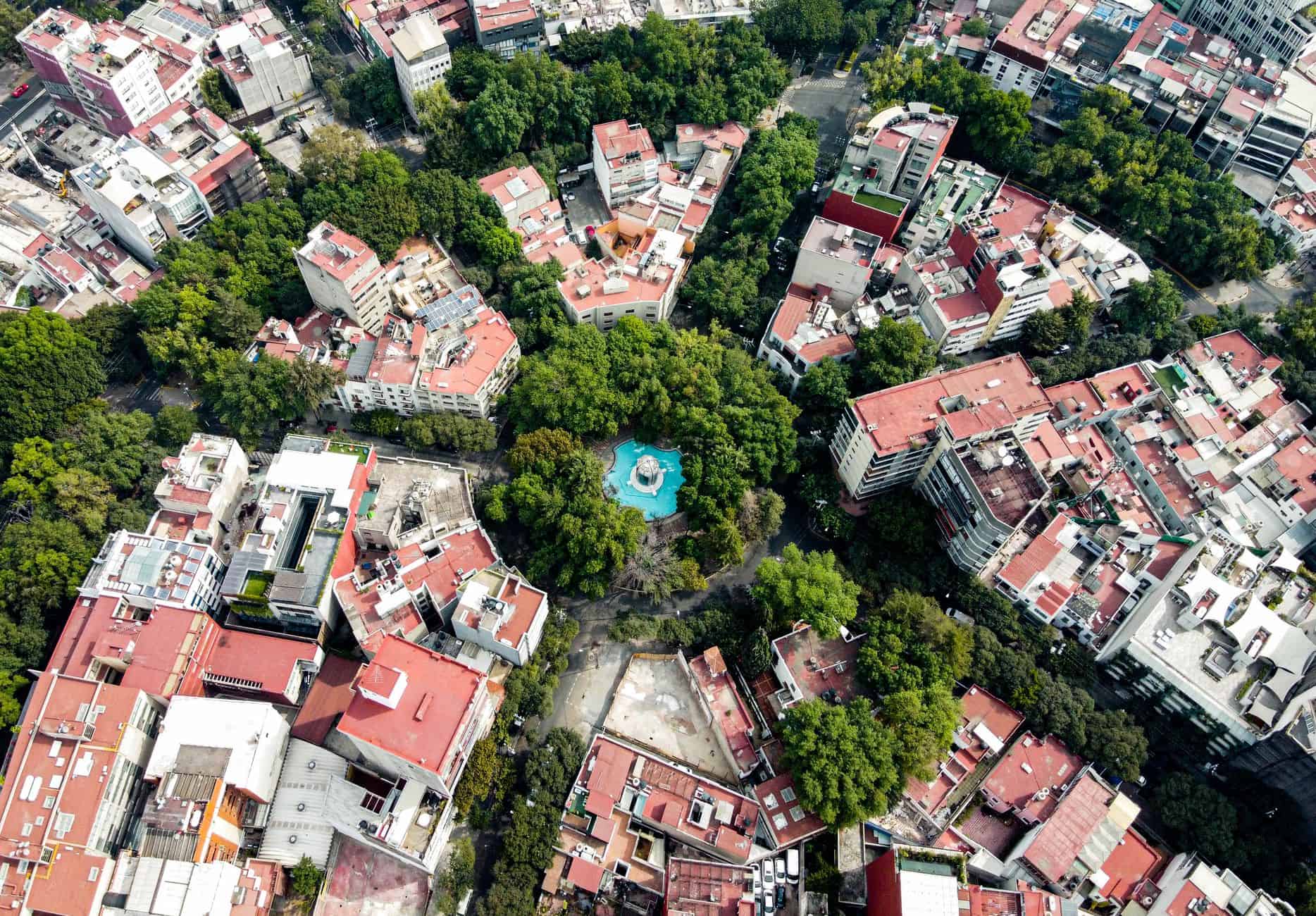
- Mexico City — Best for: remote workers, young professionals, culture enthusiasts, people who want urban energy, foodies. The largest city in North America has extraordinary museums, restaurants, parks, and cultural infrastructure. Rising rents but still favorable to US cities.
- Mérida — Best for: retirees, families, people who want safety, lower costs, and a strong community. Colonial architecture, manageable size, the safest major city in Mexico, and a growing expat infrastructure without the overcrowding of Oaxaca or San Miguel.
- Oaxaca City — Best for: creatives, foodies, people who want a culturally rich mid-sized city. The food and mezcal culture alone are worth extended stays. Expat community has grown significantly but the city retains its character better than San Miguel.
- San Miguel de Allende — Best for: retirees who want a ready-made English-speaking community, art collectors, people who want maximum comfort and minimum cultural friction. The most expat-saturated and most expensive of the major expat cities.
- Puerto Escondido — Best for: surfers, remote workers who want beach life without a resort-town price tag, people who can tolerate inconsistent infrastructure in exchange for extraordinary natural setting.
The Honest Case For and Against

The honest case for living in Mexico: If you have location-independent income, speak or are willing to learn Spanish, and are prepared to engage with the bureaucratic complexity of residency, Mexico offers a quality of daily life — food, weather, culture, human connection, physical beauty — that is genuinely difficult to match at equivalent cost anywhere else in the Western Hemisphere.
The honest case against: If you expect American infrastructure reliability, if you’re unwilling to engage with the language, if the security concerns in some regions create anxiety that doesn’t resolve with information, or if you have medical needs that require highly specialized care, Mexico is going to be more difficult than the lifestyle content suggests.
The Americans who thrive there for five, ten, twenty years are not the ones who moved there for the cheap cost of living. They’re the ones who fell genuinely in love with something specific about the place — the food, a city, the pace, the culture — and built a life around that specific love. The cost of living is the enabler. The love is the reason.