Every State Has a Jaw-Dropping Natural Wonder That Isn’t in a National Park. Almost Nobody Knows About Them.
We may earn money or products from the companies mentioned in this post. This means if you click on the link and purchase the item, I will receive a small commission at no extra cost to you ... you're just helping re-supply our family's travel fund.
Yosemite Valley in July has three million visitors per year and reservations that sell out months in advance. Angel’s Landing requires an advance permit lottery. The parking lot at Antelope Canyon fills before sunrise.
Meanwhile, two hours from the nearest national park, there is often a canyon, a waterfall, a geological formation, or a spring that is genuinely extraordinary — and genuinely empty. State parks, national forests, Bureau of Land Management land, county parks, and just plain uncommercial geography hide more beauty than the national park system has ever marketed.
Here’s a tour of the places worth finding — organized by region, focused on free or near-free access, and specifically chosen because they are not, at this moment, overrun.
Why These Places Stay Unknown (and Why That’s Changing)
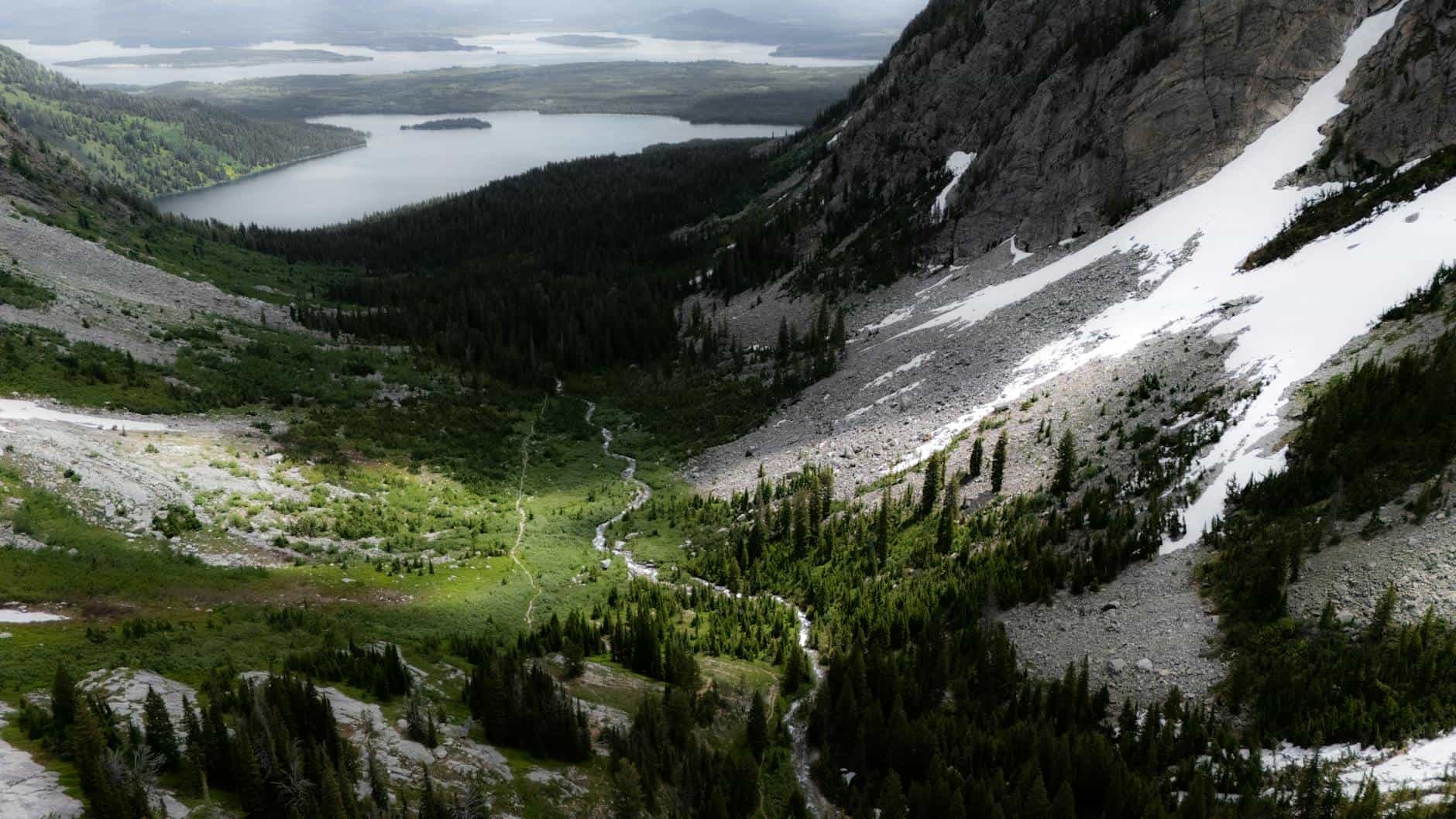
The national park system has an enormous marketing budget, a recognizable brand, and a century of pop culture behind it. The BLM office in a mid-sized Western town has a website that was last updated in 2019.
That information asymmetry is why incredible places stay hidden. It’s not that people aren’t interested — it’s that they don’t know to look. The gap between “national park” and “everything else” in American outdoor recreation is enormous, but it’s narrowing as apps like AllTrails, iOverlander, and Avenza Maps make trip reports, trail ratings, and GPS-accurate maps available for places that were previously only known by locals with paper maps.
The flip side: some of these places are genuinely sensitive. Fragile ecosystems, limited infrastructure, and no ranger presence means that a sudden surge of visitors can cause real damage. The ethos of sharing these places should always come with a “leave no trace” expectation.
The Northeast’s Best-Kept Natural Secrets
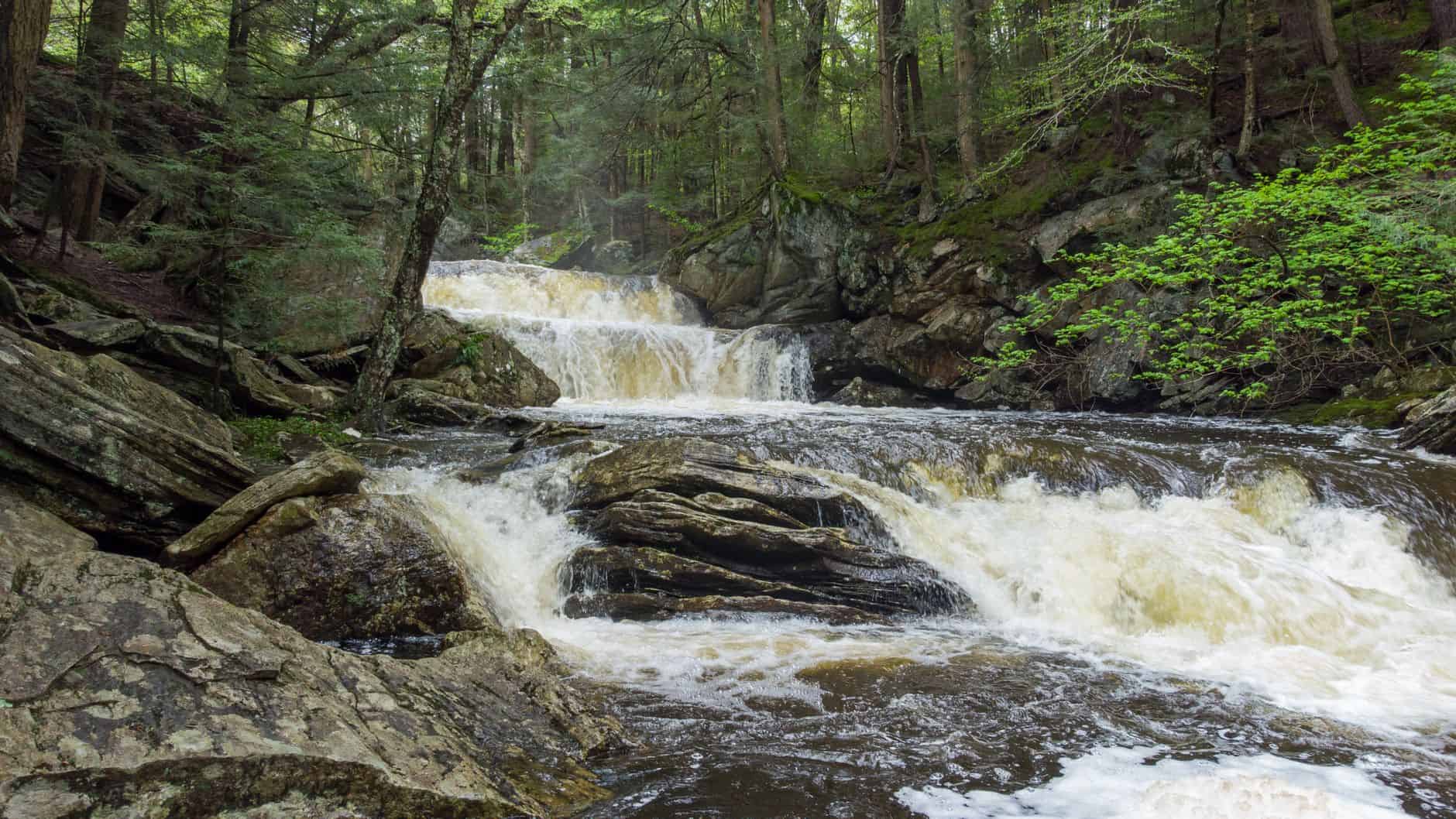
- Maine — Gulf Hagas Called the “Grand Canyon of Maine,” Gulf Hagas is a 3-mile slate gorge in the Hermitage, a National Natural Landmark managed by the forest. It requires a modest fee to access through timberland, but it sees a fraction of the crowds of Acadia. Waterfalls, pools, 130-foot canyon walls — without a single gift shop.
- New Hampshire — Sculptured Rocks Natural Area A state-owned geological site in Groton where a river has carved extraordinary shapes into granite over thousands of years. Swimming holes included. Free access. Modest signage.
- Vermont — Texas Falls A series of cascading waterfalls and sculpted potholes in the Green Mountain National Forest. Technically a national forest recreation area, free to access, with a trail system that connects to miles of additional forest.
- New York — Watkins Glen State Park This one is actually somewhat known but remains dramatically undervisited compared to what it deserves. A narrow gorge with 19 waterfalls along a 1.5-mile trail. State park fee applies but it’s modest.
- Pennsylvania — Ricketts Glen State Park Twenty-two named waterfalls on a 7-mile trail system. Often cited by Pennsylvania hikers as one of the most spectacular hikes in the eastern US. Almost never mentioned in national travel coverage.
- New Jersey — Palisades Sheer basalt cliffs rising 300 feet above the Hudson River, visible from Manhattan but accessible for free on the New Jersey side. The top-of-the-cliff trail offers views that rival anything in the Northeast.
The Southeast’s Overlooked Wonders
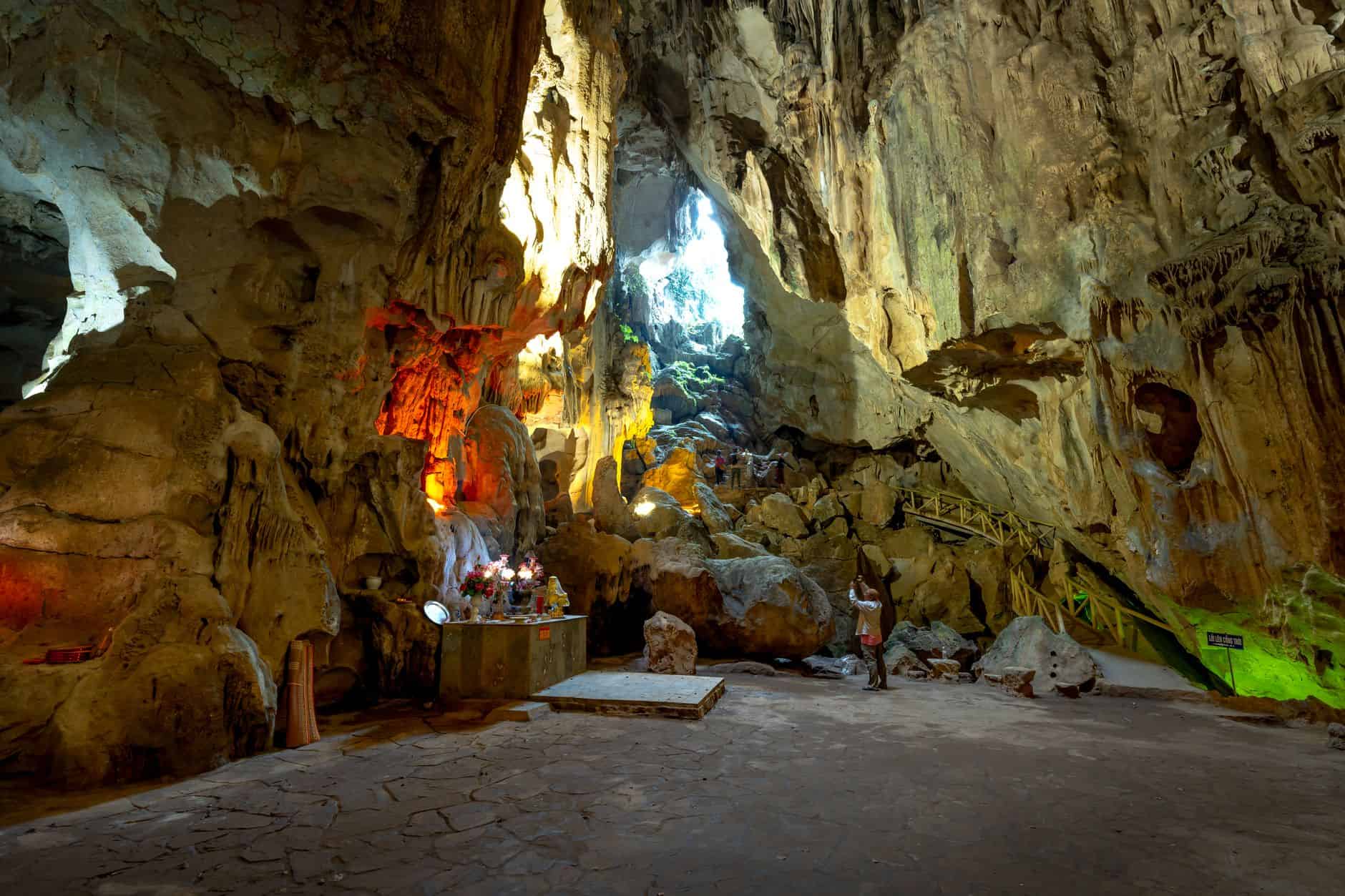
- Virginia — Crabtree Falls The longest cascading waterfall in the eastern US, dropping 1,200 feet over five cascades in the George Washington National Forest. The parking lot rarely fills up. No reservation required.
- West Virginia — Seneca Rocks A dramatic quartzite formation rising nearly 900 feet above the North Fork Valley. Technical climbing routes on the face; easy hiking on the summit trail. Free access on national forest land.
- Tennessee — Fall Creek Falls State Park Contains the highest free-falling waterfall east of the Rocky Mountains, at 256 feet. It’s a state park (modest fee), not federal, so most national travel coverage ignores it completely.
- Alabama — Dismals Canyon A privately owned natural preserve in the northwestern part of the state featuring sandstone canyons, ancient hemlocks, and the famous “dismalites” — bioluminescent glowworms visible only on nighttime tours. One of the most unusual natural experiences in the South.
- Florida — Ichetucknee Springs State Park Crystal-clear spring-fed rivers that maintain 68°F year-round, perfect for tubing through a landscape that looks like a nature documentary. Timed entry permits required in summer, but available and free beyond a small park fee.
- Georgia — Tallulah Gorge State Park A 1,000-foot-deep gorge carved by the Tallulah River with walls nearly vertical in places. A suspension bridge at the bottom offers perspective that photographs can’t capture.
The Midwest’s Surprising Natural Gems
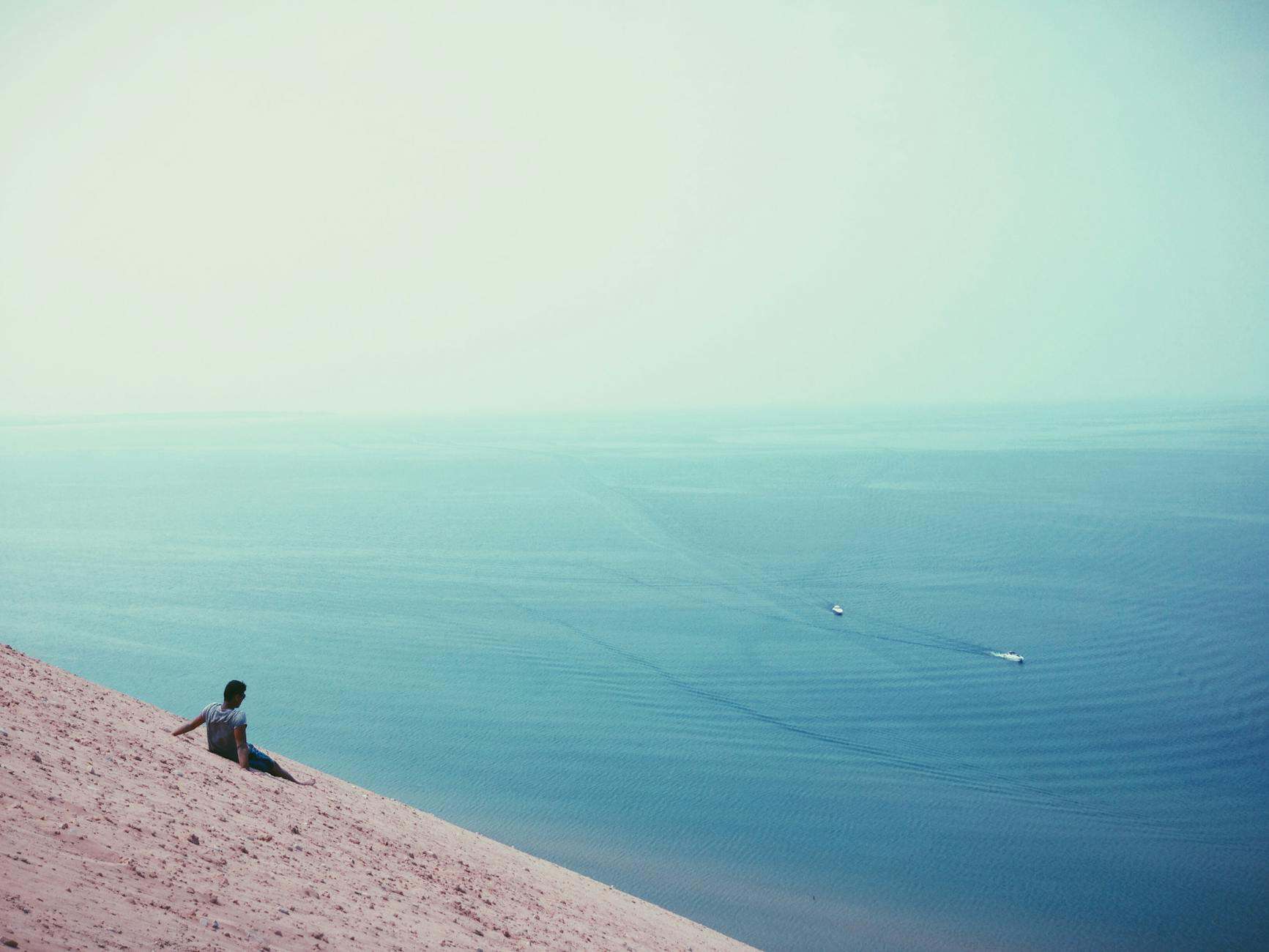
The Midwest gets dismissed as flat and featureless. That’s fair for some of it. But:
- Minnesota — Tettegouche State Park The Lake Superior North Shore is one of the most dramatic freshwater coastlines on Earth. Tettegouche features waterfalls, inland lakes, and 60-mile views from its ridge trails — and sees maybe 5% of the traffic of more famous North Shore destinations.
- Michigan — Pictured Rocks (actually accessible by kayak) Yes, Pictured Rocks is a national lakeshore, but the version most tourists see is from a boat tour. Kayaking the shoreline changes the experience entirely — intimate access to the same cliffs, free from the crowds.
- Wisconsin — Devil’s Lake State Park The Baraboo Range near this park is one of the oldest geological formations in North America. Quartzite bluffs rising from a glacially formed lake. Busy in summer but uncrowded in shoulder seasons.
- Illinois — Garden of the Gods Sandstone formations in the Shawnee National Forest that genuinely rival anything in the Southwest — just smaller in scale and without the tourist infrastructure. Free access, nearly zero crowds outside of summer weekends.
- Ohio — Hocking Hills State Park Recess caves, gorges, and waterfalls formed in Black Hand sandstone. The region looks like something from a fantasy novel and is one of the most underrated hiking areas east of the Mississippi.
- Indiana Dunes Technically a national park now (designated 2019), but still dramatically uncrowded compared to its visual peers. Miles of Lake Michigan shoreline backed by actual moving sand dunes, two hours from Chicago.
The Southwest’s Off-Radar Landscapes
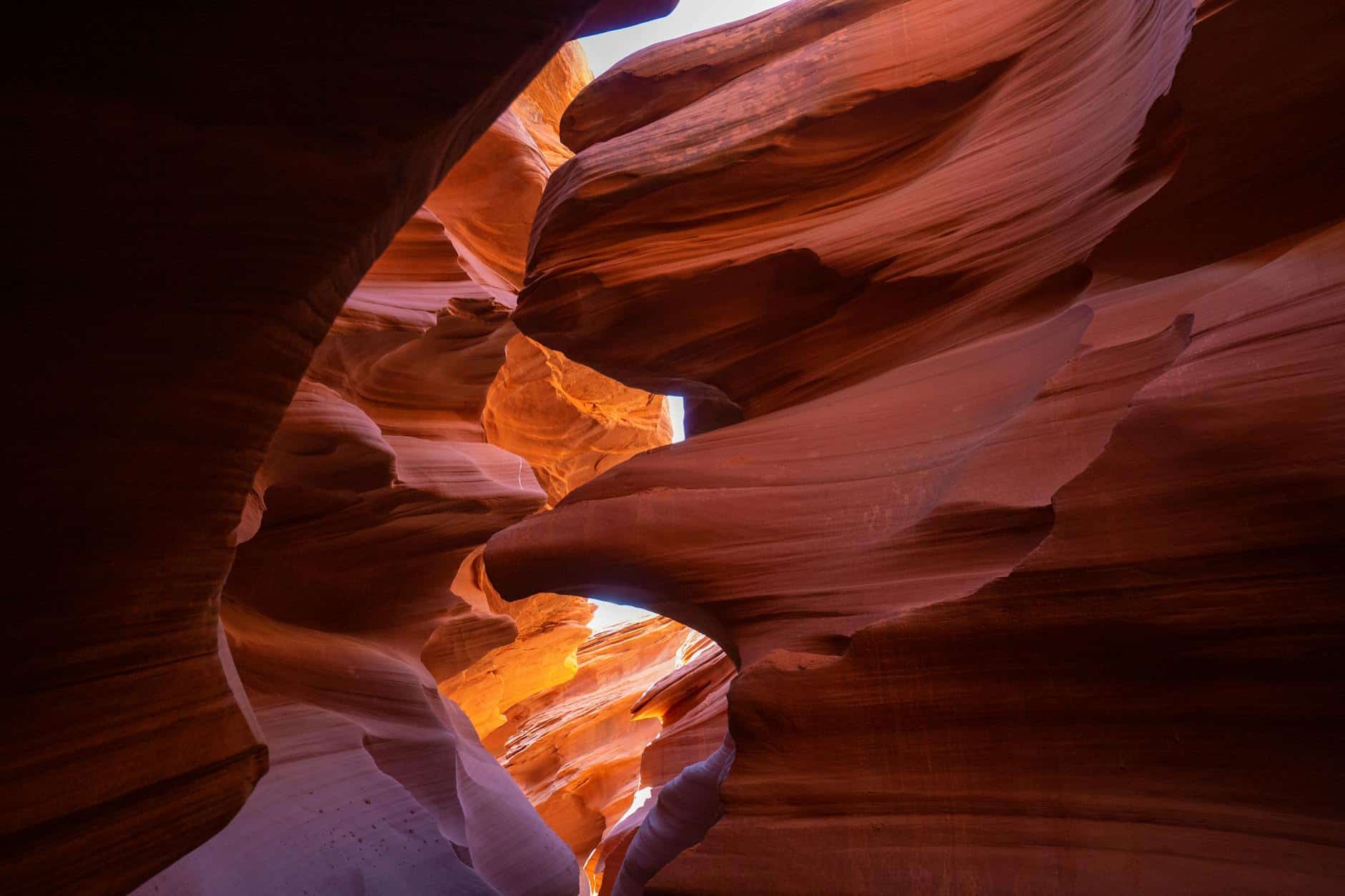
- Arizona — The Wave (before the permit lottery got famous) The Wave is now well-known and its permit lottery is extremely competitive. But the Coyote Buttes area of the Paria Canyon-Vermilion Cliffs Wilderness contains multiple permit areas with similar formations — Coyote Buttes South, in particular, offers comparable landscapes with substantially better permit odds.
- Utah — Goblin Valley State Park Thousands of “goblin” sandstone formations in a state park that is not Arches, not Zion, not Bryce, and gets maybe 10% of their traffic. The landscape is genuinely otherworldly and costs a state park entry fee.
- Nevada — Valley of Fire State Park Red Aztec sandstone formations that predate even the surrounding Las Vegas desert tourism complex. 45 minutes from the Strip. $15 entry fee. Petroglyphs, slot canyons, and formations that rival any national park landscape in the country.
- New Mexico — Kasha-Katuwe Tent Rocks National Monument Cone-shaped tent rock formations from volcanic eruptions 6–7 million years ago, in a slot canyon that opens into an elevated plateau with panoramic views of the Jemez Mountains. BLM managed, modest fee, remarkable.
- Colorado — Rio Grande del Norte National Monument A dramatic gorge created by a rift in the earth’s crust along the Rio Grande, visible as a sudden chasm in an otherwise flat plateau. The Taos Gorge Bridge, an hour north of Taos, provides the signature view. Free BLM access.
- Texas — Lost Maples State Natural Area Bigtooth maple trees turn Central Texas into a burst of red and gold every October/November — a genuinely surprising fall foliage display in a state not known for it. Timed entry permits required in peak fall season.
The West and Pacific Northwest’s Hidden Places
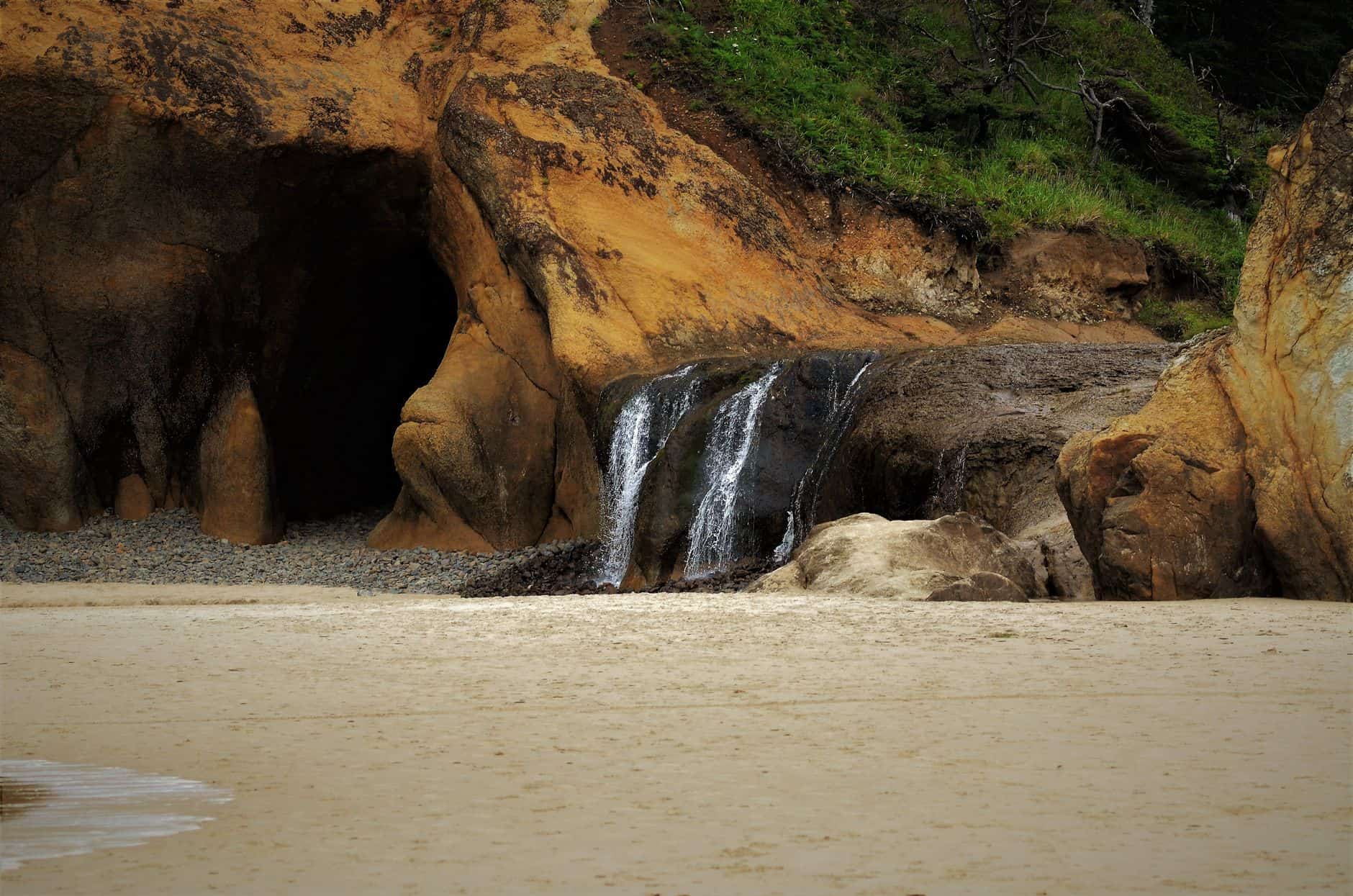
- Oregon — Painted Hills (John Day Fossil Beds) Three separate units of the John Day Fossil Beds National Monument exist in eastern Oregon, and together they represent some of the most dramatic and colorful geological scenery on the continent. Painted Hills in particular — layered in ochre, red, and black — looks like nothing else in America. Free entry. Rarely crowded outside of summer weekends.
- Washington — Palouse Falls A 198-foot waterfall in the middle of eastern Washington’s agricultural plateau, falling through a canyon that feels geologically violent and beautiful. Washington State Park, minimal fee.
- Idaho — Craters of the Moon National Monument A lunar landscape created by volcanic eruptions that ended only 2,000 years ago. Lava tubes you can walk into, cinder cones you can climb, and a landscape that seems wrong for Idaho but is exactly right. Far less visited than its visual peers.
- California — Pinnacles National Park Technically a national park but one of the least visited in the system — fewer visitors annually than some state parks. Dramatic volcanic rock formations, California condors soaring overhead, and talus cave systems with resident bat colonies.
- Montana — Makoshika State Park Montana’s largest state park, containing badlands formations, hoodoos, and dinosaur fossils in the eastern part of the state — far from Glacier’s crowds. Often called the “hidden Badlands” and earns the comparison.
How to Find These Places Without Ruining Them
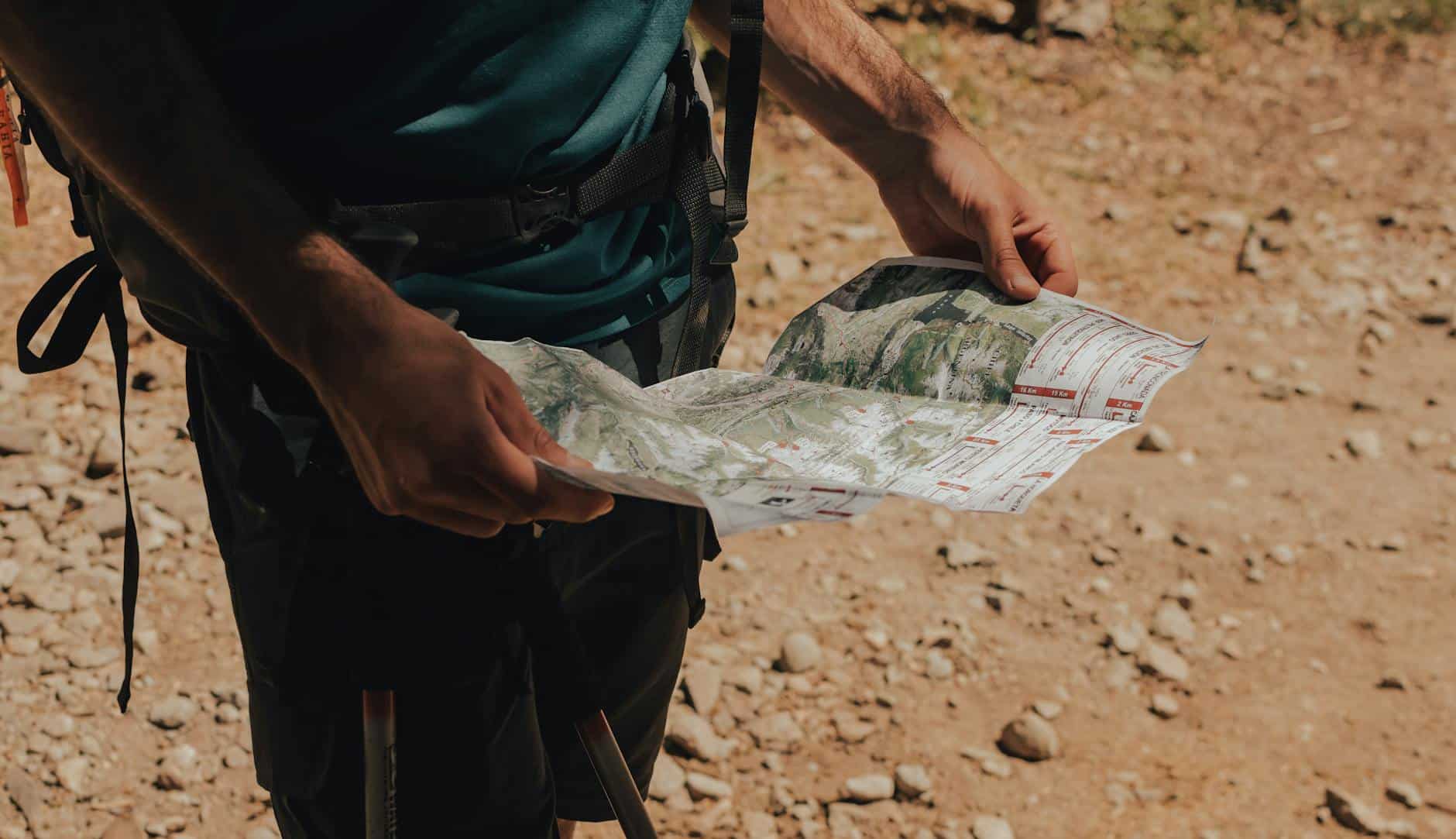
A few resources that surface genuinely off-the-beaten-path places:
- AllTrails — sort by “Least Visited” in any region for trails with low recent trip reports
- Recreation.gov — the federal reservation system has an “explore” function that surfaces BLM and national forest sites that most people don’t know require (or even offer) reservations
- State park systems — most state park websites have terrible discoverability but contain excellent parks. Browse state-by-state directly rather than relying on Google recommendations, which disproportionately surface national park results.
- The Dyrt and iOverlander — particularly good for dispersed camping locations on BLM land, which often provides free access to extraordinary landscapes
- USGS topographic maps via Caltopo — for finding features (springs, formations, unnamed falls) that don’t appear in any tourism database
The rule of thumb: if a place has a gift shop and a drone photography rental operation, it’s no longer the secret. The actual secrets are the ones where the trailhead kiosk has a paper register and the last entry was from someone in your area code three weeks ago.