These American Cities Are Being Loved to Death — and the Locals Are Running Out of Places to Go
We may earn money or products from the companies mentioned in this post. This means if you click on the link and purchase the item, I will receive a small commission at no extra cost to you ... you're just helping re-supply our family's travel fund.
There’s a specific kind of sadness to arriving in a city that used to be something and finding that what remains is a performance of what it used to be. The music venue is still there but all the musicians moved to the next city over because they can’t afford rent. The famous restaurant district still exists but half the restaurants are chains that opened because they could afford the new rents and locals couldn’t. The neighborhood that made the city worth visiting has become a neighborhood that packages itself for tourists — because that’s the only economic model that survived.
Overtourism doesn’t just mean crowded. It means the hollowing out of the thing that made a place worth visiting in the first place. And several American cities are deep into that process right now.
What Overtourism Actually Does to a City (It’s Not What You Think)
The popular framing of overtourism focuses on crowds: too many people at the Eiffel Tower, the gondolas in Venice, the trail to Angel’s Landing. That’s real, but it’s the least damaging part.
The more corrosive effect works through economics:
- Short-term rental platforms convert residential housing to tourist accommodation, reducing housing supply for locals and driving up rents
- Retail rents in high-tourist areas rise to levels only tourist-facing businesses can afford — souvenir shops, chain restaurants, overpriced bars
- The local businesses that served residents — hardware stores, tailors, laundromats, neighborhood restaurants — get squeezed out
- Long-term residents, especially artists, musicians, and working-class workers who gave the neighborhood its character, leave
- The neighborhood’s character, which was the tourist draw in the first place, degrades — but by then the tourist infrastructure has replaced the original draw so the tourists keep coming anyway
This process plays out over years, not overnight. And it’s often invisible to tourists who are experiencing the neighborhood for the first time — they don’t know what it used to be. They give it five stars and post the photos.
New Orleans’ French Quarter: When a Neighborhood Becomes a Theme Park
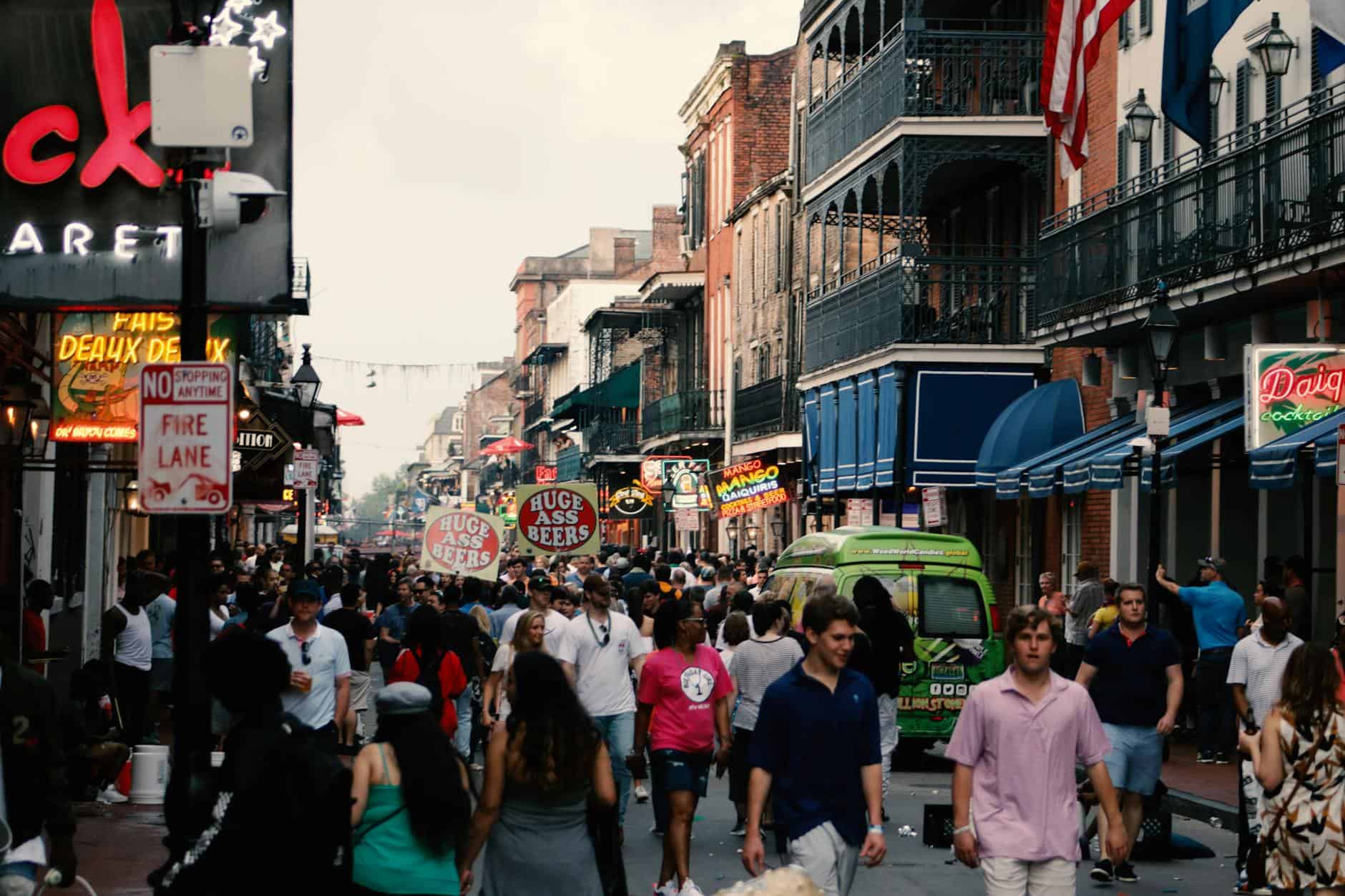
New Orleans is the clearest American example of a city whose most famous neighborhood has become almost entirely a tourist product.
The French Quarter today:
- Has a permanent residential population of roughly 3,500 people, down from a much larger working residential population in the mid-20th century
- Features Bourbon Street, which is primarily bars, strip clubs, souvenir shops, and restaurants calibrated for one-time visitors rather than neighborhood regulars
- Has short-term rental saturation that, in some blocks, exceeds 50% of available housing units
The actual New Orleans culture — the music culture, the food culture, the community culture — survived this, but it migrated. The Marigny and Bywater neighborhoods have absorbed a lot of the authentic musical culture. The Tremé, the oldest African American neighborhood in the country, has fought harder to maintain its character. Magazine Street in the Garden District has remained more authentically commercial.
The tourists who spend their entire New Orleans trip on Bourbon Street are having an experience, but they’re not having New Orleans. They’re in a performance of New Orleans that exists specifically for them.
The city is aware of this. Local advocacy groups have pushed for short-term rental restrictions, and the city has implemented some — but enforcement is complicated and the economic incentives for property owners remain strong.
Sedona, Arizona: The Town That Sold Its Soul for a Red Rock Photo
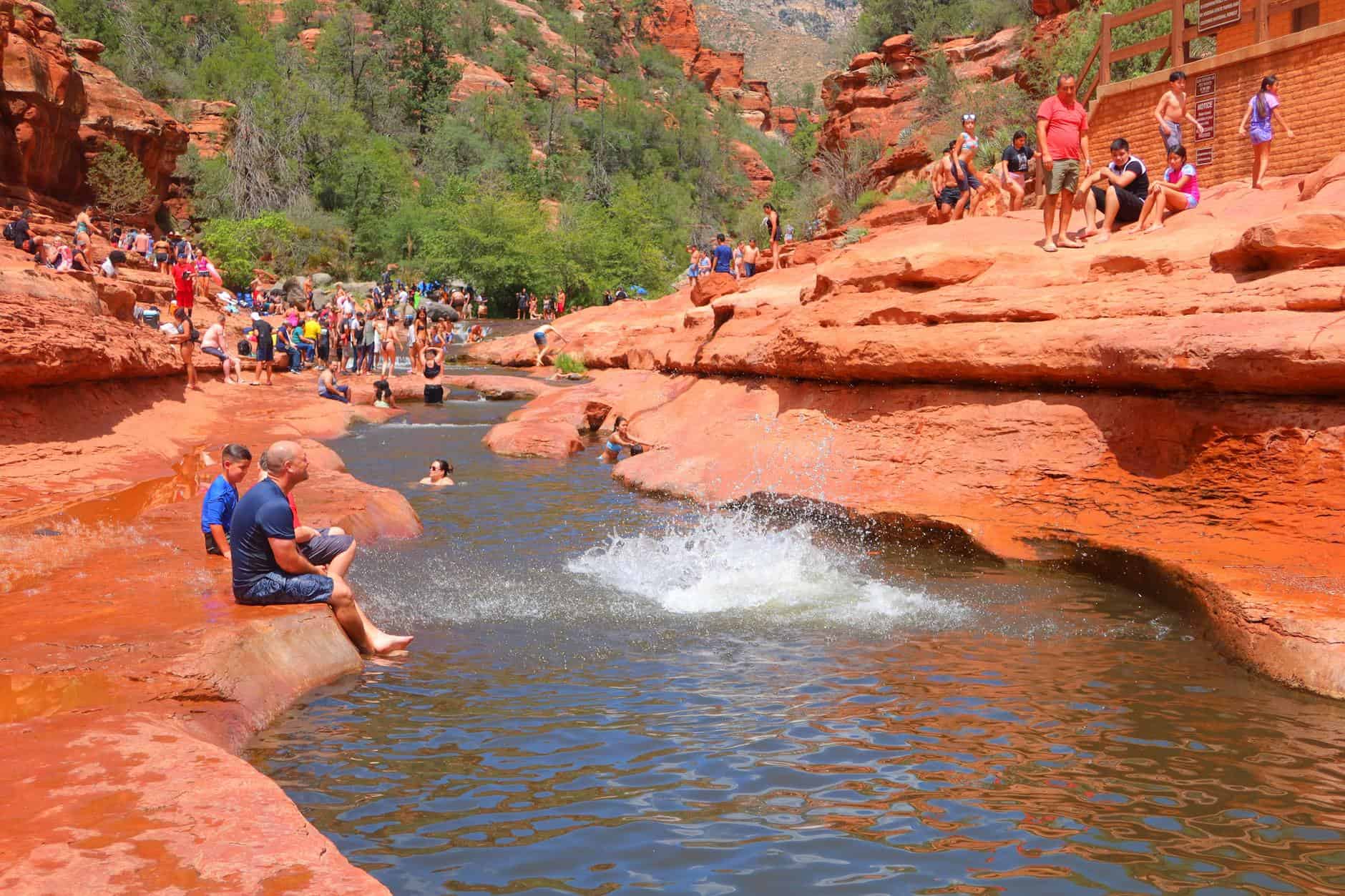
Sedona’s natural setting — the red rock formations, the vortex mythology, the desert light — is genuinely extraordinary. The town that exists to serve tourists visiting that setting has become, in the last decade, one of the more dispiriting tourism-industry company towns in America.
- Housing costs in Sedona have risen to levels that make it impossible for most service workers to live in the town where they work. The median home price is now well above $700,000 in an area where the hospitality industry is a primary employer.
- Traffic on State Route 179 — the main tourist corridor — has become so severe that the town implemented a paid parking system and shuttle service to manage the volume
- The “spiritual” and “wellness” industry that has developed around the vortex mythology has created an economic stratum of $300 crystal shops and $400 “healing sessions” that cater to a specific affluent tourist but have nothing to do with the actual community
- Hiking trails that were manageable five years ago now require timed-entry permits and reservation systems that rival national parks
The locals who remain full-time in Sedona tend to be either wealthy retirees who bought before the price explosion or service workers commuting from Cottonwood and Camp Verde — a 30-45 minute drive — because they were priced out years ago.
Savannah, Georgia: The Instagram City That Squeezed Out the Savannahians
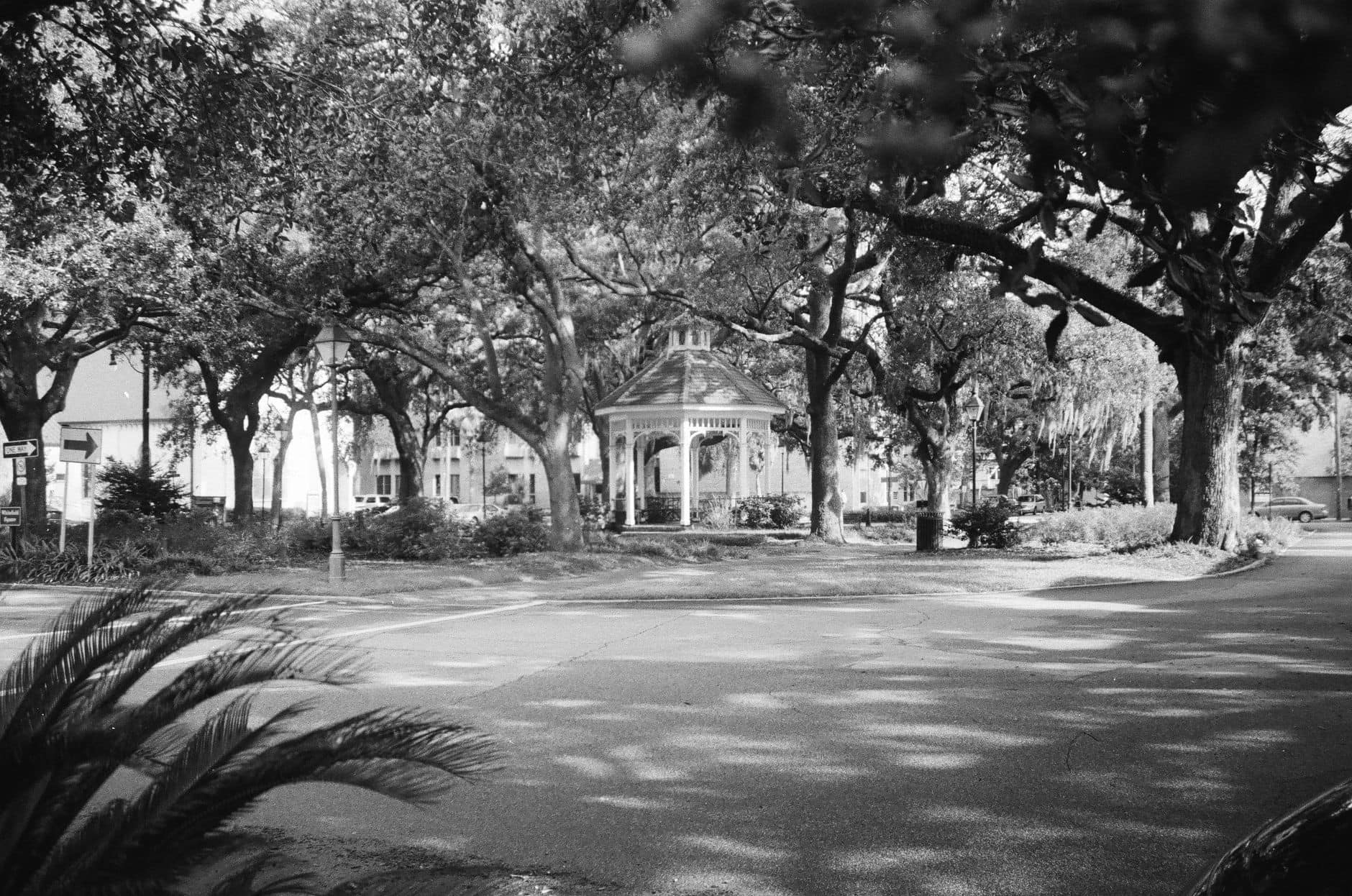
Savannah is one of the most visually beautiful cities in America. The moss-draped squares, the antebellum architecture, the cobblestone streets — it photographs beautifully, and it has been photographed by millions of visitors who came specifically because of what they saw on other people’s social media.
The result:
- The historic district has become heavily oriented toward tourist accommodation. Vacation rental saturation in the core squares is among the highest of any US city per capita.
- Local restaurants in the tourist zone have largely been replaced by establishments optimized for visitors — not bad necessarily, but also not places that serve the community
- The SCAD (Savannah College of Art and Design) campus has been an interesting countervailing force, maintaining a creative community in the city — but even SCAD students find the housing situation increasingly difficult
- The neighborhoods adjacent to the tourist core — Starland, Victorian District — have seen rapid gentrification pressure as tourists and newcomers seek proximity to the beautiful historic district
The authentic Savannah — Black Savannahians who have lived there for generations, the actual working-class culture, the food traditions that predate the tourism boom — largely exists in parts of the city tourists don’t visit. West Savannah. The southside. Places that don’t have squares and don’t photograph as well.
Asheville, North Carolina: What Happens When Every Creative Leaves
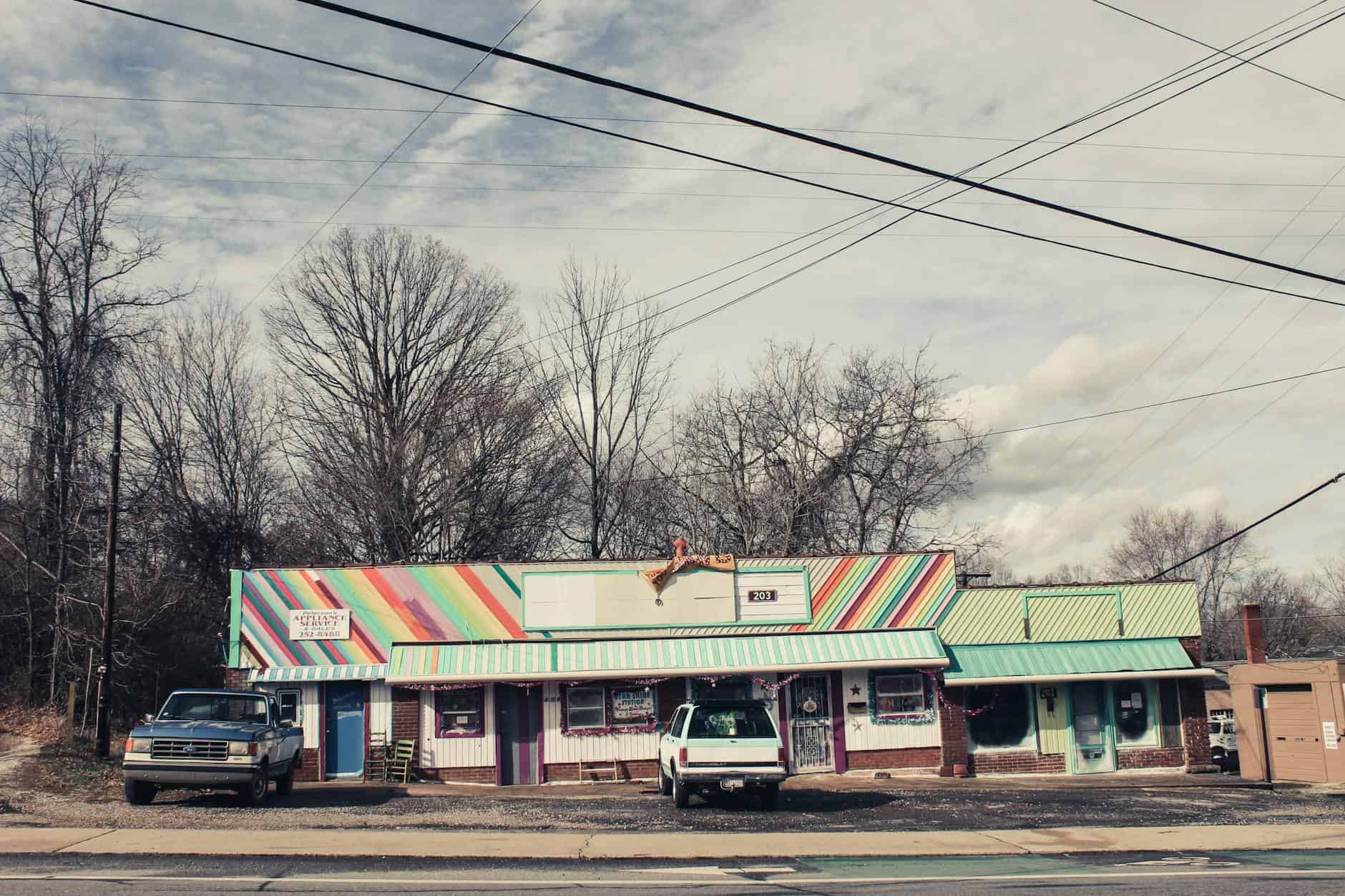
Asheville built its brand on being a creative, bohemian mountain city — craft beer, art galleries, live music, progressive politics, a food scene that punched above its weight. It attracted tourists specifically because of that creative energy.
Then the tourists drove up housing costs. The creative class that generated the energy that drove the tourism — musicians, artists, small restaurant owners, craftspeople — started leaving. Or stopped being able to afford to start the kind of businesses that made Asheville interesting in the first place.
Asheville now has:
- A median home price that has more than doubled since 2016, currently well above $400,000
- A short-term rental market that has, at various points, represented 10–15% of all housing units in the city
- Downtown Asheville, particularly the River Arts District, which has transitioned from working artists’ studios to tourist-facing galleries selling to visitors
- A music scene that locals describe as diminished — several beloved venues have closed, and the musicians who kept the scene going have moved to cheaper cities
The Asheville brand — the creative mountain city — is still being sold. Whether the thing being sold still exists in the form it was sold in is a genuinely contested question among people who live there.
The Cities That Are Quietly Next
If you want to understand where the overtourism trajectory is headed, watch:
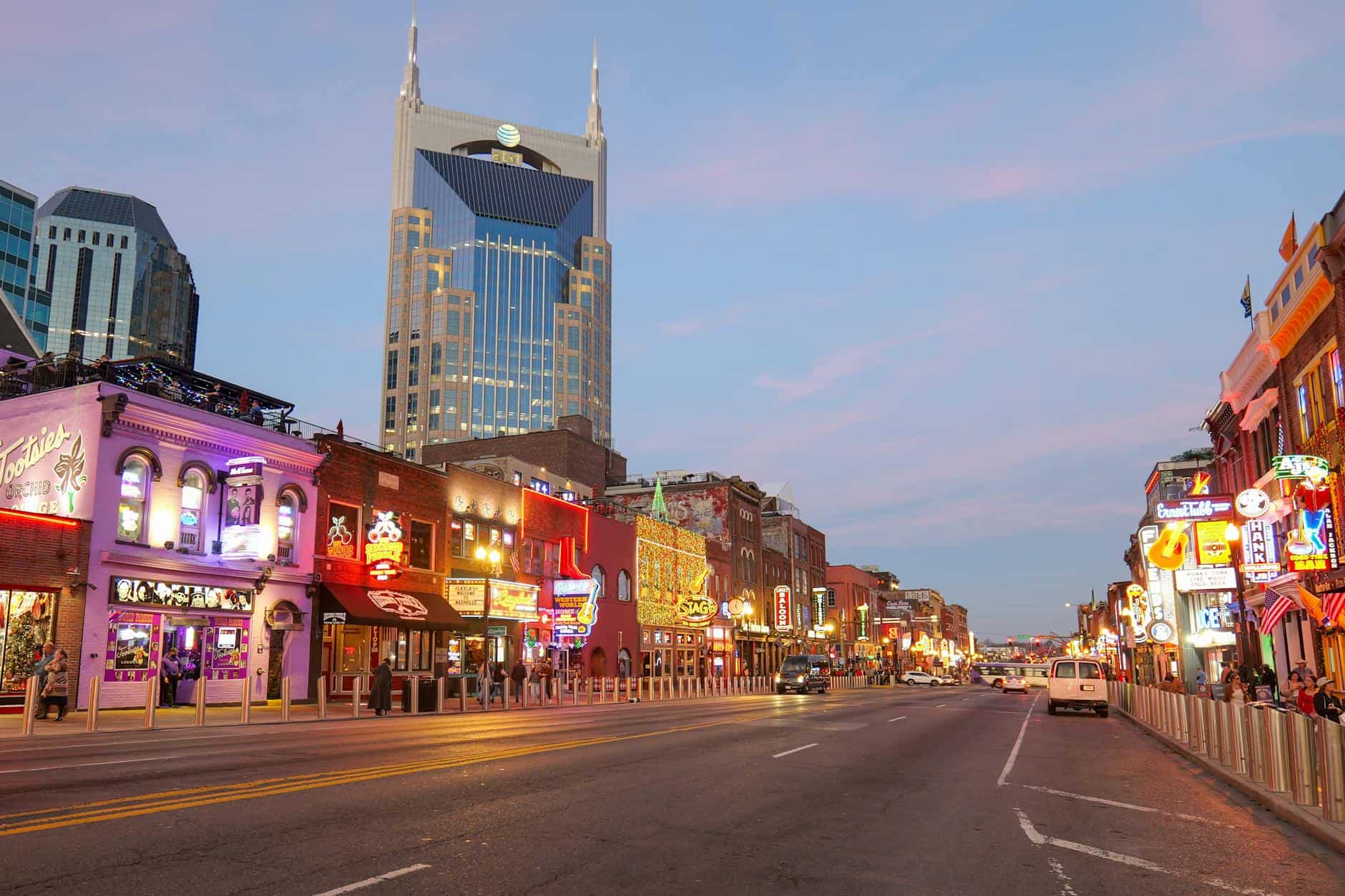
- Nashville, Tennessee — Broadway is already deep in the process; the Gulch and East Nashville are watching their neighborhoods shift from local to tourist-facing
- Charleston, South Carolina — a city of 150,000 that receives over 7 million visitors per year. Housing costs have risen dramatically and the short-term rental concentration in the historic peninsula is substantial.
- Marfa, Texas — the arts community that made Marfa interesting is being priced out by the tourism that came to see the arts community
- Bend, Oregon — the outdoor recreation draw has transformed it from a working-class timber town to an extremely expensive outdoor lifestyle destination, with corresponding housing displacement
What Responsible Tourism Actually Looks Like Here

This is not an argument to stop visiting these cities. It’s an argument to visit differently:
- Stay in locally-owned accommodations when possible — boutique hotels, B&Bs, and guesthouses owned by residents rather than corporate STR investors
- Eat and drink in neighborhoods outside the tourist core — the best food in New Orleans isn’t on Bourbon Street. The best music in Asheville isn’t at the downtown tourist venues.
- Ask locals where they actually go — and then go there. Spend money in the establishments that serve residents, not just tourists.
- Respect the mechanisms cities have put in place to manage volume: permit systems, timed entries, shuttles. These exist because the alternative is worse.
- Consider timing — visiting in shoulder season reduces pressure on infrastructure, lowers your costs, and often gives you a more authentic experience than peak season crowds permit
Overtourism is a problem without a clean solution. The cities that are furthest into it didn’t get there through any single policy failure — they got there through thousands of individual economic decisions that each made sense in isolation. The way out, if there is one, is similarly incremental. It starts with tourists who are a little more curious and a little more honest about what they’re actually consuming when they visit.