Travel Insurance Denied My Claim. Here’s Everything They Don’t Tell You When You Buy It.
We may earn money or products from the companies mentioned in this post. This means if you click on the link and purchase the item, I will receive a small commission at no extra cost to you ... you're just helping re-supply our family's travel fund.
A family spends $12,000 on a two-week Italy trip. They buy travel insurance for $380 — “just in case.” Three days before departure, the husband’s mother has a serious fall. They cancel. They file a claim. The insurance company denies it because the mother’s osteoporosis was a pre-existing condition and the policy had a pre-existing condition exclusion clause.
This is not a rare story. It happens thousands of times a year to people who thought they were covered and weren’t. And it happens not because travel insurance is a scam, but because there is a profound gap between what people assume they’re buying and what the policy actually says.
Here’s what the actual fine print looks like when you read it.
What You Think You’re Buying vs. What You’re Actually Buying

Most people buy travel insurance with one of three scenarios in mind:
- I get sick and have to cancel the trip
- Something goes wrong on the trip and I need medical help
- My bags get lost or my flight gets cancelled
All three of those things can be covered by travel insurance. None of them are covered automatically. Each comes with specific conditions, documentation requirements, and exclusions that vary by policy and insurer.
The fundamental architecture of a travel insurance policy has several components that are often sold together but are conceptually distinct:
- Trip cancellation coverage — reimburses prepaid, non-refundable trip costs if you cancel for a “covered reason.” The covered reasons list is specific and limited.
- Trip interruption coverage — similar to cancellation, but for trips that start and are then cut short
- Travel delay coverage — pays for meals and accommodation during covered delays, usually after a 6 or 12-hour threshold
- Baggage coverage — covers lost, stolen, or damaged luggage, usually with per-item limits and depreciation applied
- Emergency medical coverage — pays for medical treatment abroad (not always included — check carefully)
- Emergency evacuation coverage — the genuinely critical one. Pays to transport you to an appropriate medical facility or back home. This is where the large numbers live.
The Claims Process Nobody Explains at the Point of Sale

Here’s what filing a claim actually looks like:
You have a covered event. You document it. You submit documentation within the policy’s window (usually 20–90 days). The insurer reviews the documentation, may request additional information, and issues a coverage decision.
The documentation requirements are where most people run into trouble:
- Medical cancellations require a physician’s written statement that the condition makes travel inadvisable — not just a diagnosis. The word “inadvisable” has to appear.
- Trip delay claims require written documentation from the airline, not just a screenshot of your app showing the delay
- Theft claims require a police report filed within 24 hours in the jurisdiction where the theft occurred
- Medical expense claims require itemized bills in the original language of the country where treatment was received, plus a translation in some cases
The insurer is not required to accept incomplete documentation. They will ask for it, you’ll have 30 days to provide it, and if you don’t or can’t (try getting a police report filed in a language you don’t speak, in a country you’ve already left, for a theft that happened three months ago), the claim is denied.
The most important thing you can do during any insurance-relevant event is document it in real time, before you leave the situation. Get the police report the night of the theft. Get the physician statement before you leave the doctor’s office. Get the written airline documentation from the gate agent, not two days later.
The Most Common Denial Reasons (and How to Avoid Them)

Based on insurer claim data and travel insurance advocacy organizations, the most common denial reasons are:
- Pre-existing condition exclusion — the single largest category. Most policies exclude conditions that were diagnosed, treated, or for which symptoms existed in a “look-back period” of 60–180 days before purchase. If your doctor adjusted your blood pressure medication three months ago and you later have a cardiac event on the trip, that’s likely a denial.
- Covered reasons list — trip cancellation only covers specific reasons enumerated in the policy. “I don’t want to go anymore” is not a covered reason. Neither is “the destination got expensive” or “my job situation changed.” The covered reasons typically include: serious illness or injury of the traveler or immediate family member, death of a family member, jury duty, natural disaster making the destination uninhabitable, and a handful of others.
- Failure to seek timely treatment — if you wait three days to see a doctor for a condition that later requires hospitalization, the insurer may argue the delay made the situation worse or question whether it was truly an emergency
- Not having emergency coverage at all — many cheap travel insurance products sold through booking websites cover trip cancellation and baggage but have minimal or no emergency medical coverage. People don’t realize this until they need it.
- Adventure activity exclusions — many standard policies exclude injuries sustained during “adventure” or “hazardous” activities, which can include skiing, scuba diving, motorcycle riding, and zip-lining
Pre-Existing Conditions: The Exclusion That Catches Most People Off Guard

The pre-existing condition exclusion is the most consequential and least understood part of most travel insurance policies.
The definition varies by insurer but generally covers: any illness, disease, or condition for which you sought treatment, received a diagnosis, or experienced symptoms within the look-back period before your policy purchase date.
The look-back period is typically 60, 90, or 180 days. A 180-day look-back means that anything your doctor touched in the last six months is potentially excluded.
The fix for this is the “pre-existing condition waiver,” which many policies offer. To qualify:
- You must purchase the insurance within a specific window — usually 10–21 days of your initial trip deposit
- You must be medically fit to travel at the time of purchase
- You must insure the full cost of the trip, not just a portion
If you get the waiver, pre-existing conditions are covered. If you buy insurance six weeks after booking your trip (as most people do, if they buy it at all), you’ve missed the waiver window at most insurers. This is not explained prominently at the point of sale.
Book the trip. Buy the insurance in the same week. That’s the window.
‘Cancel for Any Reason’ — What It Actually Covers and What It Doesn’t
“Cancel for Any Reason” (CFAR) upgrades are sold as the solution to the covered-reasons problem. For an additional 40–50% premium, you can cancel for literally any reason and get reimbursed.
Except: CFAR typically reimburses only 50–75% of your trip cost, not 100%. And you must cancel at least 48 hours before departure — you can’t decide the night before that you don’t want to go.
CFAR is genuinely useful for expensive trips where the covered reasons list feels too narrow. A $15,000 family trip to Japan where geopolitical uncertainty makes you nervous — CFAR at 75% reimbursement gives you meaningful protection that standard cancellation doesn’t. For a $2,000 domestic trip, the math probably doesn’t justify it.
When Travel Insurance Genuinely Saves You
After all the caveats, here’s the honest case for travel insurance:
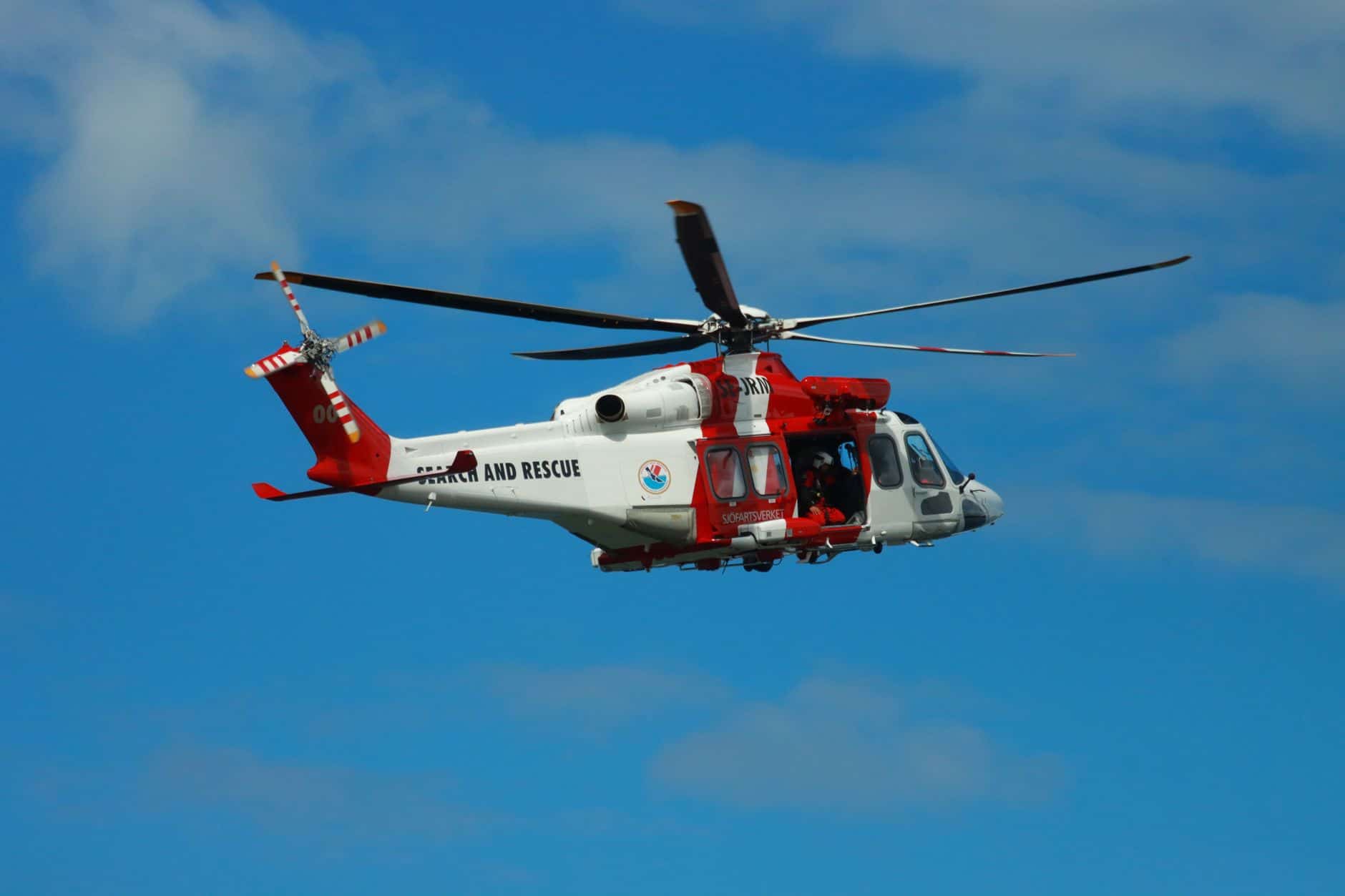
Medical evacuation is the scenario where travel insurance goes from “maybe useful” to “genuinely necessary.” A medical evacuation from a remote location in Southeast Asia or South America can cost $50,000–$200,000+. A medical evacuation from Europe can run $25,000–$80,000. These are costs that most people cannot absorb without selling assets.
The traveler who has a heart attack while hiking in the Swiss Alps and needs an air ambulance to a cardiac facility in Zurich followed by stabilization and transport back to the US is looking at a bill that could approach $150,000. An annual travel insurance policy with medical evacuation coverage costs $200–$500/year. The math is not complicated.
Medical evacuations on travel insurance do happen. Regularly. The travelers who avoided financial catastrophe are the ones who had the right policy.
Beyond evacuation, the scenarios where most people get genuine value:
- Serious illness forcing cancellation of an expensive non-refundable trip (with the pre-existing condition waiver in place)
- A covered delay scenario during which they incurred $400+ in meals and accommodation costs that the policy reimbursed
- Dental emergency abroad covered under emergency medical provisions
The scenarios where most people feel ripped off: minor inconveniences (a delayed bag that showed up 18 hours later) that technically qualify for a claim but involve so much documentation for such small amounts that it’s not worth filing.
The Credit Card Coverage You Already Have and Don’t Know About
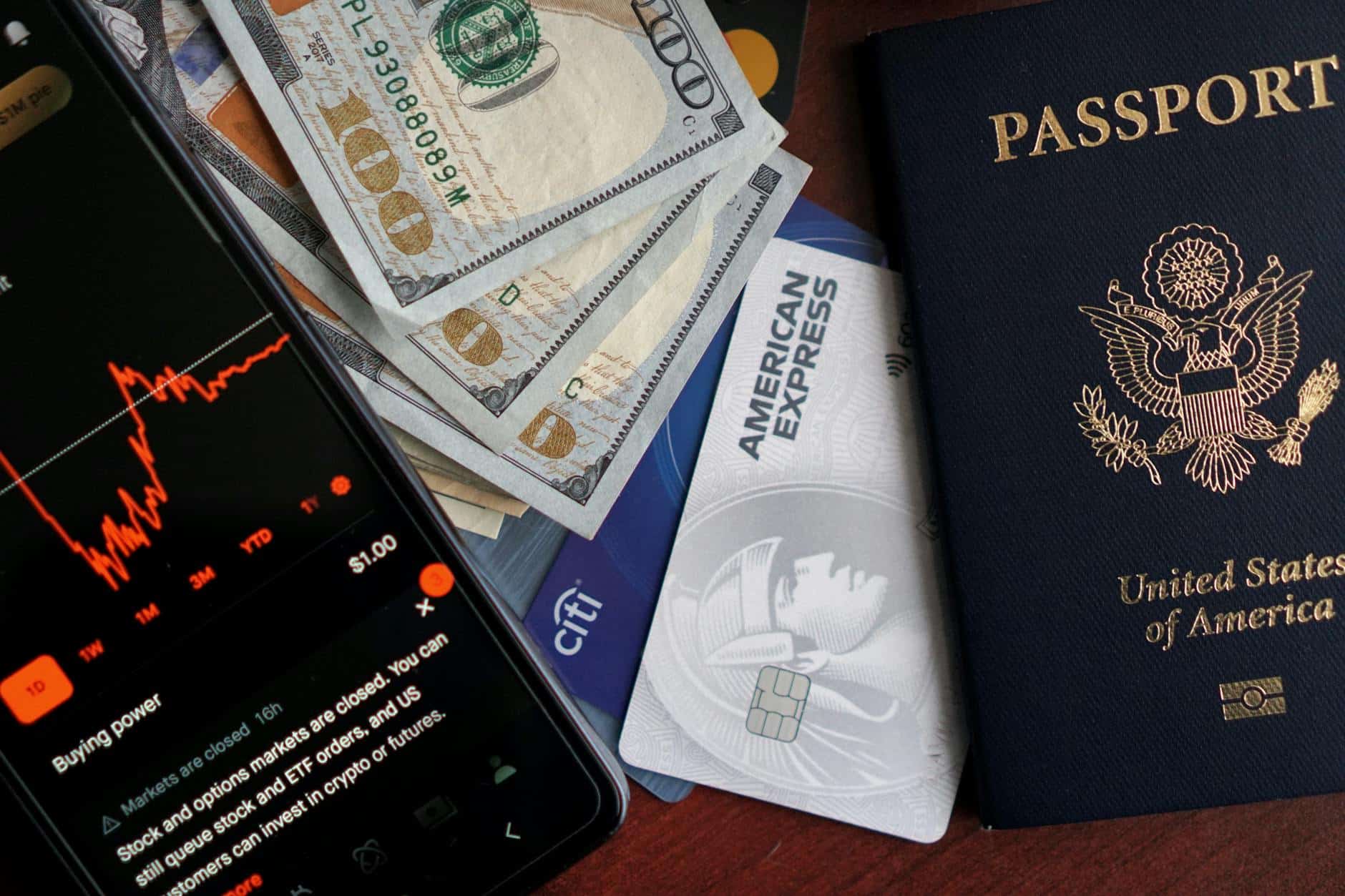
Many premium travel credit cards include meaningful travel protection benefits that cardholders never activate because they don’t know they have them:
- Chase Sapphire Reserve/Preferred: Trip delay insurance (up to $500 after 6-hour delay), trip cancellation/interruption ($10,000/person), baggage delay ($100/day up to 5 days), emergency evacuation ($100,000)
- Amex Platinum: Trip cancellation and interruption ($10,000/trip), premium global assist including medical evacuation coordination
- Capital One Venture X: Trip delay reimbursement (up to $500 after 6-hour delay), trip cancellation/interruption ($2,000/person)
The catch: you must pay for the entire trip with that card for the coverage to apply. And these benefits don’t include primary medical coverage — you’d need supplemental medical and evacuation coverage for international travel.
But for domestic travel, the combination of a premium credit card’s travel protections plus your regular health insurance covers most realistic scenarios without buying a separate policy.
How to Buy a Policy That Actually Pays Out

Specific, actionable guidance:
- Use InsureMyTrip.com or Squaremouth to compare policies side-by-side. Filter specifically for the coverage amounts that matter to you — evacuation limit and medical limit foremost.
- Buy within 14 days of your initial deposit to qualify for the pre-existing condition waiver
- Look for policies where emergency evacuation is at least $250,000 — some cheaper policies cap it at $25,000 or $50,000, which is inadequate for many real-world evacuation scenarios
- Read the covered reasons list before buying. If the reasons that could realistically affect your trip aren’t on that list, you need CFAR or a different policy.
- For adventure trips, specifically look for adventure sport riders or policies that don’t exclude your planned activity. World Nomads is frequently recommended in this category.
- For long-term or frequent travel, an annual multi-trip policy from a company like Allianz or AIG can be significantly cheaper than per-trip policies
Travel insurance is not a scam. But it is a financial product sold by companies whose interests are not perfectly aligned with yours. Reading the policy — actually reading it — is the single action that separates travelers who get paid when things go wrong from travelers who get surprised by a denial letter.