The Hotel Checkout Time Racket Nobody Talks About
We may earn money or products from the companies mentioned in this post. This means if you click on the link and purchase the item, I will receive a small commission at no extra cost to you ... you're just helping re-supply our family's travel fund.
Eleven a.m. checkout. It’s so universal, so deeply embedded in the hotel experience, that most travelers accept it as a law of nature — like gravity, or the fact that the breakfast buffet always runs out of the good fruit first. But 11 a.m. checkout is not a logistical necessity. It is a revenue strategy. And once you understand how it works, the mild indignity of dragging your luggage to the lobby two hours before your flight starts to feel less like an inconvenience and more like a deliberate extraction.
Where 11 A.M. Actually Came From
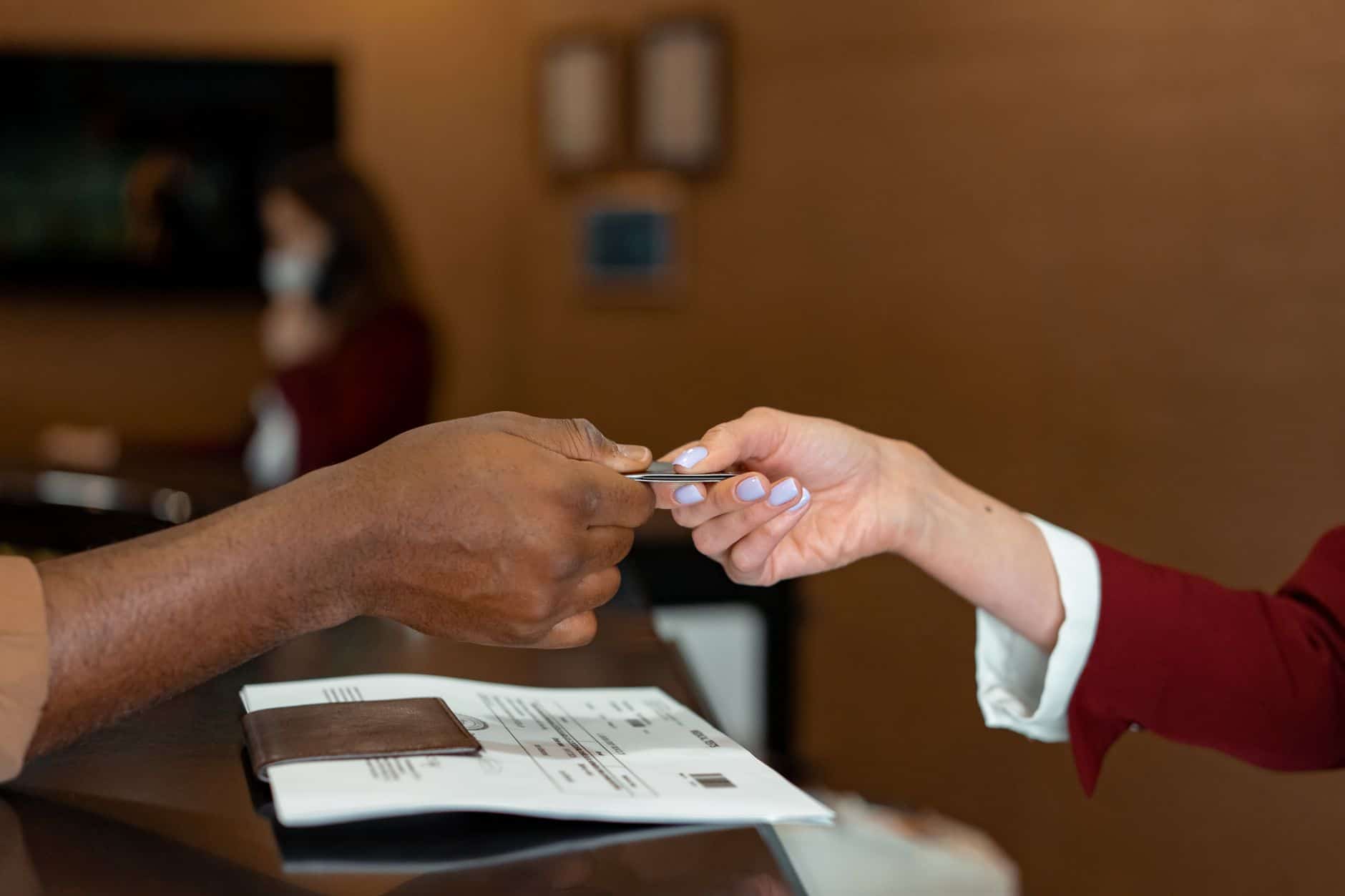
The 11 a.m. checkout standard dates to the mid-20th century American hospitality industry, and it was originally set for genuinely practical reasons. Housekeeping needed time to turn rooms before the standard 3 p.m. check-in. Four hours was considered sufficient. The math worked. But here’s what changed: housekeeping operations have become dramatically more efficient through industrial cleaning protocols, standardized linens, and larger staff ratios. Many hotels can turn a room in under an hour. The four-hour window is no longer a logistical requirement. It became something else.
That something else is called “late checkout fees.” A room that could be turned in 45 minutes does not need to sit empty from 11 a.m. to 3 p.m. The gap exists so the hotel can sell you back access to that empty room. Late checkout — typically defined as anything after noon — costs between $30 and $150 at major properties, depending on the brand and the city. At luxury hotels in peak season, it can exceed $200. You are paying for a room that is sitting empty, which the hotel could clean in the time it takes you to eat breakfast.
The Loyalty Program Trap Within the Trap
Major hotel loyalty programs — Marriott Bonvoy, Hilton Honors, World of Hyatt — advertise late checkout as a premium member benefit. Earn enough status and you get 2 p.m., maybe 4 p.m., maybe “subject to availability” at the elite tier. This framing is clever. By positioning a late checkout as a benefit, hotels have trained consumers to feel grateful for something that costs the hotel almost nothing in operational terms.
The “subject to availability” clause does the heavy lifting. During high-occupancy periods — which is when you most want the late checkout — the hotel can deny it without explanation. Status means less the more popular the property. At a beach resort during spring break or a business hotel during a major conference, “subject to availability” means no.
What Hotels Know About You at 11 A.M.
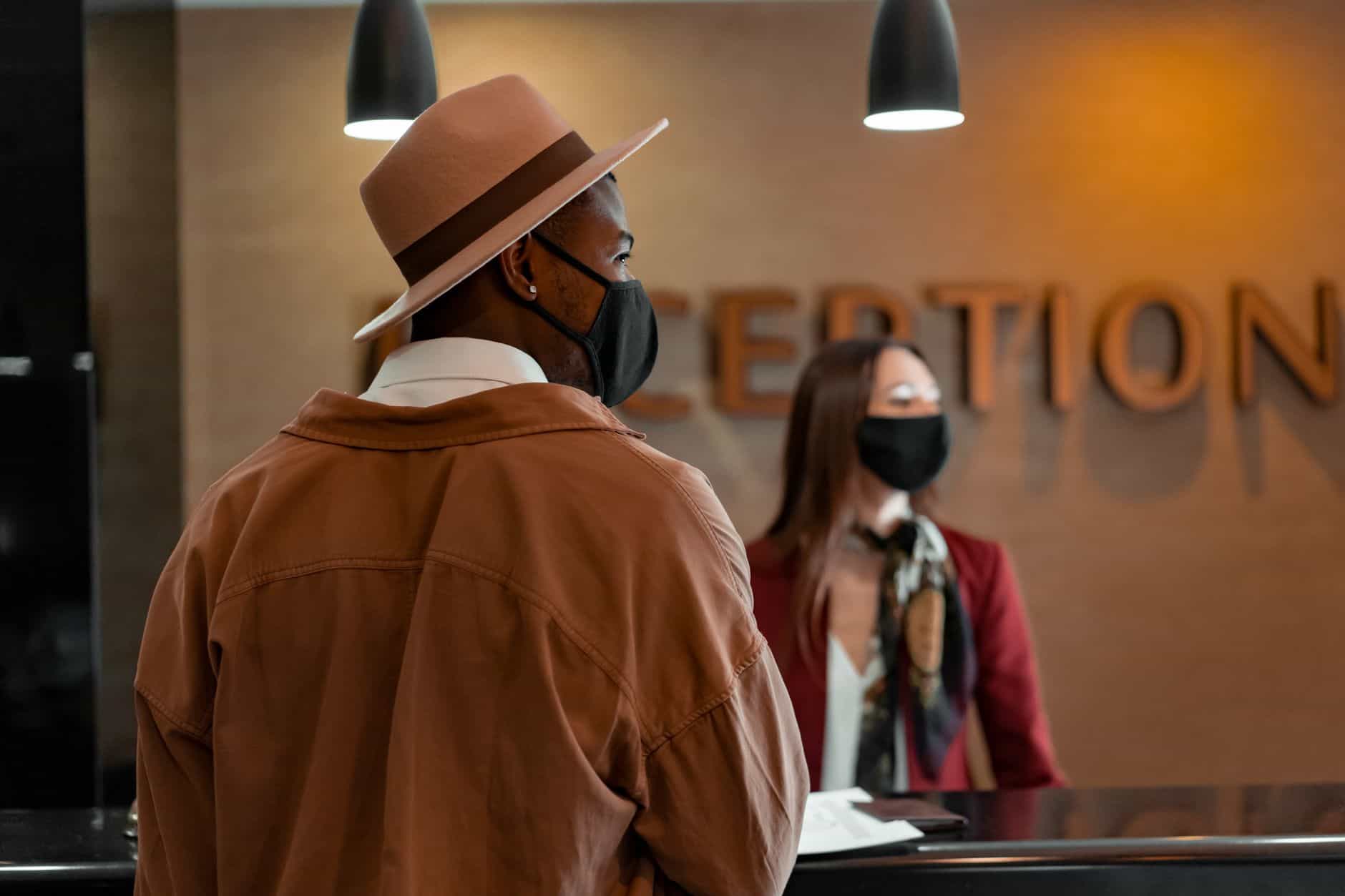
Modern hotel property management systems know a remarkable amount about your travel itinerary. When you book through the hotel’s own app or provide loyalty number information, the system often pulls your departure flight data. Hotels know whether your flight is at 2 p.m. or 8 p.m. This data is used in revenue management decisions — including whether the front desk will proactively offer or deny a late checkout request.
Former front desk staff have described the pressure to upsell late checkout to guests whose departure flights are in the evening — because the system flags them as high-conversion targets. You are not imagining that the checkout process feels designed to part you from more money. The system is, in some cases, literally designed to identify the guests most likely to pay.
The Luggage Storage Workaround and Why It’s Not Free Either

The standard hotel rebuttal to checkout-time frustration is: “Just store your luggage with the concierge.” This is presented as a generous service. Historically it was complimentary. Increasingly, it is not. Premium hotels in major cities have begun charging $5–$15 per bag for luggage storage, particularly when the guest has not paid for a late checkout. Budget hotels and major urban properties alike have adopted this practice, framing it as a “bellhop gratuity” that is functionally mandatory.
The traveler with an evening flight in a city with a hotel checkout is now navigating a revenue architecture specifically engineered to extract money at every decision point: late checkout fee, luggage storage fee, day-use rate. The day-use rate — paying for a room for just a few hours to have a place to shower and change before a late flight — can reach 50–75% of the full nightly rate at some properties.
How to Push Back (And When It Actually Works)

The checkout time system has vulnerabilities, and knowing them changes outcomes:
- Ask the night before, not the morning of. Night managers have more discretion and fewer competing requests. A late checkout approved at 10 p.m. is harder to revoke than one requested at 11 a.m. during the checkout rush.
- Invoke occupancy data. Many hotel booking platforms show real-time availability. If the property is showing available rooms for that same night, there is no operational reason to deny your late checkout. Mentioning this politely changes the conversation.
- Use your credit card’s hotel benefits. Several premium travel cards — Chase Sapphire Reserve, Amex Platinum — include 4 p.m. late checkout guarantees at partner properties, independent of your loyalty status.
- Book directly, negotiate at check-in. Third-party bookings give hotels less incentive to accommodate requests. Direct bookings, especially when you mention future stays, create a relationship the front desk has reason to preserve.
- Consider boutique properties. Independent hotels and smaller boutique properties are significantly more likely to accommodate checkout flexibility than large chain properties operating on centralized revenue management systems.
The Day-Use Rate: The Fee Nobody Budgets For
A less visible but increasingly common product is the hotel day-use rate, marketed to travelers who want access to rooms, pools, or fitness facilities without an overnight stay. On its face, this seems reasonable. In practice, it represents the hotel double-dipping: selling the same room twice in 24 hours, first as an overnight stay to the departing guest and then as a day-use booking to someone who needs a shower before an evening flight. Properties in major international gateway cities — New York, Miami, Los Angeles, London — have formalized this into revenue lines worth millions annually. The traveler who didn’t plan around it pays a premium for a need the hotel’s own checkout policy created.
The 11 a.m. checkout is not going away. The economics are too favorable to hotels for that. But it is negotiable far more often than hotels want you to believe — and understanding why it exists in the first place is the first step toward treating it as what it is: not a rule, but an opening position.