What Travel Nurses See In Every City That Tourists Never Do
We may earn money or products from the companies mentioned in this post. This means if you click on the link and purchase the item, I will receive a small commission at no extra cost to you ... you're just helping re-supply our family's travel fund.
A tourist spends three days in Nashville, sees the honky-tonks on Broadway, eats hot chicken at one of the two places the algorithm recommends, takes a rooftop bar photo, and leaves with a version of the city that is almost entirely manufactured for people like them.
A travel nurse arrives in Nashville, gets placed in a furnished apartment in a neighborhood they’ve never heard of, starts a 13-week contract at a hospital serving whoever walks through the door, and eats wherever the day-shift staff recommends because they have 30 minutes for lunch. After three months, they know where the city’s homeless population shelters in winter, which parts of town have 40-minute ambulance response times, what the cafeteria workers at the hospital have been eating for lunch every day for twenty years and why it’s the best thing in the building, and which neighborhoods are quietly gentrifying before anyone has written the think-piece about it.
This is a completely different kind of knowledge. And travel nurses, who repeat this process in a new city every quarter, accumulate a comparative map of American cities that doesn’t exist anywhere else.
How Travel Nursing Works and Why It Creates Unusual Observers
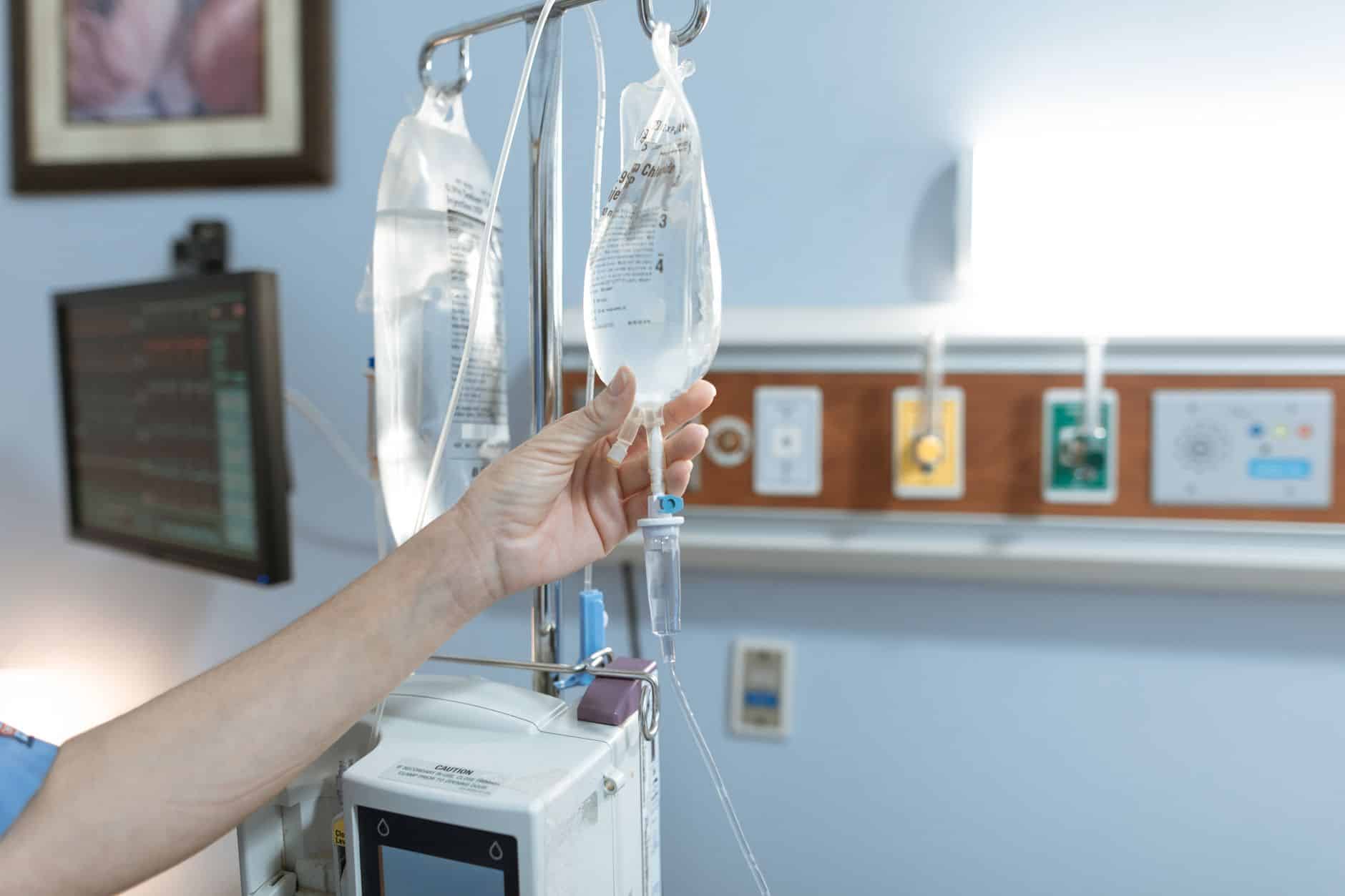
Travel nursing is a staffing model in which registered nurses take short-term contracts (typically 13 weeks) at hospitals in cities other than where they’re licensed. Hospitals use travel nurses to fill staffing gaps, cover leave, and manage capacity fluctuations.
For the nurses, the appeal is financial — travel nurses typically earn significantly more than staff nurses at the same hospitals, often 20–40% more — and experiential. You get to live in new places constantly.
The experiential side creates the unusual observer effect:
- Travel nurses arrive needing to build a life fast — housing, grocery store, bank, gym, social connections — not for a vacation, but for real residential functioning
- They work in healthcare systems that serve the full demographic cross-section of a city, including populations tourists never encounter
- They typically live in residential neighborhoods rather than tourist districts, since furnished housing near hospitals is usually in working residential areas
- They make friends quickly, necessarily, and often with other hospital workers — a social tier of a city that has its own relationship with local food, entertainment, and infrastructure
Thirteen weeks is long enough to see past the surface and short enough to stay observant. It’s the ideal duration for seeing a city clearly.
What They Notice About a City in the First 72 Hours

Travel nurses consistently describe a similar first-impression process in a new city:
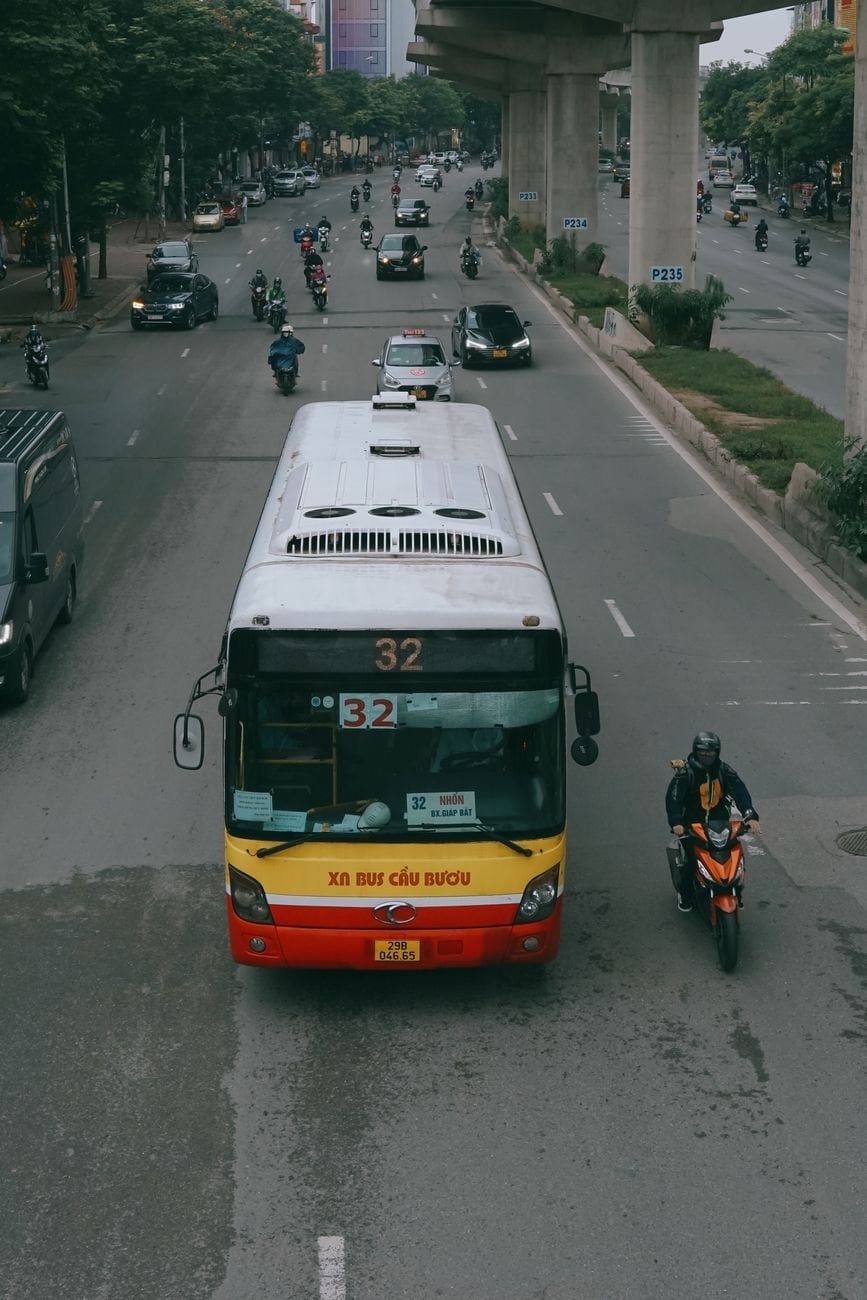
- The commute tells you everything. What’s the traffic like at 5:45am when the shift starts? Is there a bus that works? Is bike infrastructure real or theoretical? The daily commute to the hospital becomes a complete read of the city’s transportation character.
- The grocery store demographic. What do people buy, and what does the store stock? A Kroger in Memphis stocks differently than a Kroger in Minneapolis. The product mix reflects the actual population and its food culture in ways that restaurant guides don’t.
- The ER volume and demographics. Within the first week of work, a travel nurse has a detailed picture of what the city’s unmet health needs look like — what conditions are prevalent, what substances are in circulation, what the insurance landscape is, what the social stressors driving health outcomes are.
- Who talks to strangers. The social temperature of a city — whether people nod at each other on the street, whether the gas station clerk makes conversation, whether your neighbor introduces themselves — registers immediately and accurately to someone arriving fresh.
The Neighborhoods Guidebooks Never Mention
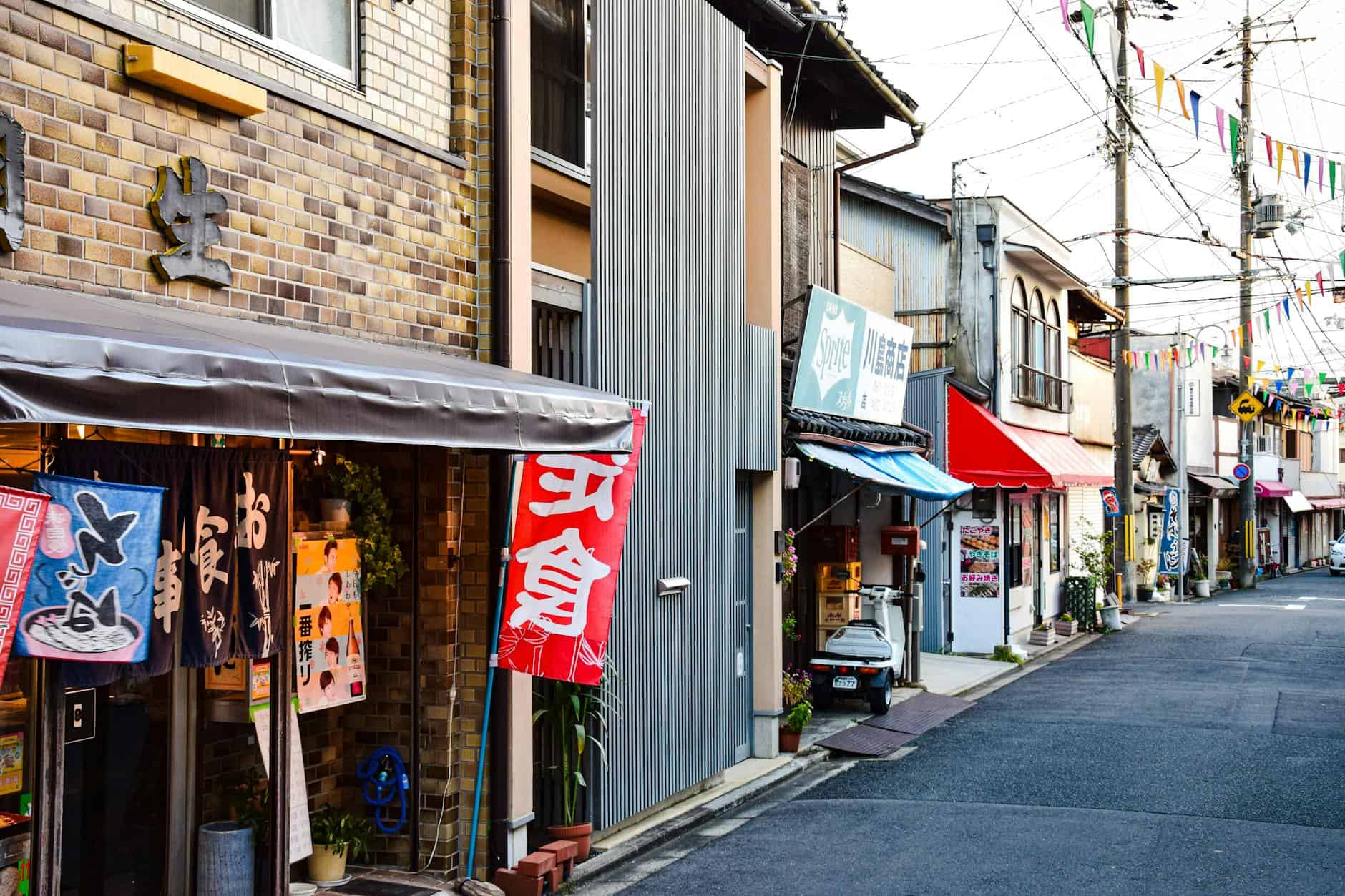
Travel nurses who’ve worked multiple assignments develop strong opinions about which cities have the best neighborhoods for actually living — not for visiting.
What they consistently value:
- Walkability to real daily-life infrastructure: grocery, pharmacy, coffee, laundry — not just restaurants
- Safety that feels ambient, not performance — neighborhoods where safety comes from density of longtime residents, not from visible security infrastructure
- Affordability for furnished 3-month rentals near major medical centers
- Accessible transit for shift workers who often work 12-hour shifts at non-standard hours
Cities that consistently get high marks from travel nurses as actually-livable: Pittsburgh’s Lawrenceville neighborhood, Minneapolis’s Seward neighborhood, Kansas City’s Westside, Portland’s St. Johns, and Richmond’s Church Hill — places with deep local character that tourists rarely discover.
Cities with neighborhoods that travel nurses consistently find difficult: Las Vegas (outside the tourist strip, the residential infrastructure feels thin), Phoenix sprawl (requires a car for everything, very hot for any outdoor activity), and parts of Los Angeles that require long commutes regardless of where you live.
What the Healthcare System Reveals About a City

This is the truly unique knowledge that travel nurses hold. Working in the ER or ICU of a city’s hospital system provides a ground-level view of social infrastructure quality that exists nowhere else.
- Cities with robust mental health infrastructure show it in ER data — psychiatric emergencies are more often diverted to appropriate facilities; the ER isn’t the mental health system of last resort to the same degree
- Cities with strong primary care access have patient populations that arrive in crisis less often — chronic disease management happens before emergency deterioration
- The opioid and substance crisis looks dramatically different city to city — different substances dominating, different harm reduction infrastructure, different EMS response protocols
- Social determinants of health — housing insecurity, food insecurity, transportation access — show up clinically in ways that reveal the city’s actual resource landscape
Travel nurses are explicitly not allowed to share patient information, and they don’t. But their aggregate impressions of a city’s health infrastructure quality and social support systems are not protected information — they’re just rarely shared outside the profession.
Food Finds That Come From Hospital Shift Workers
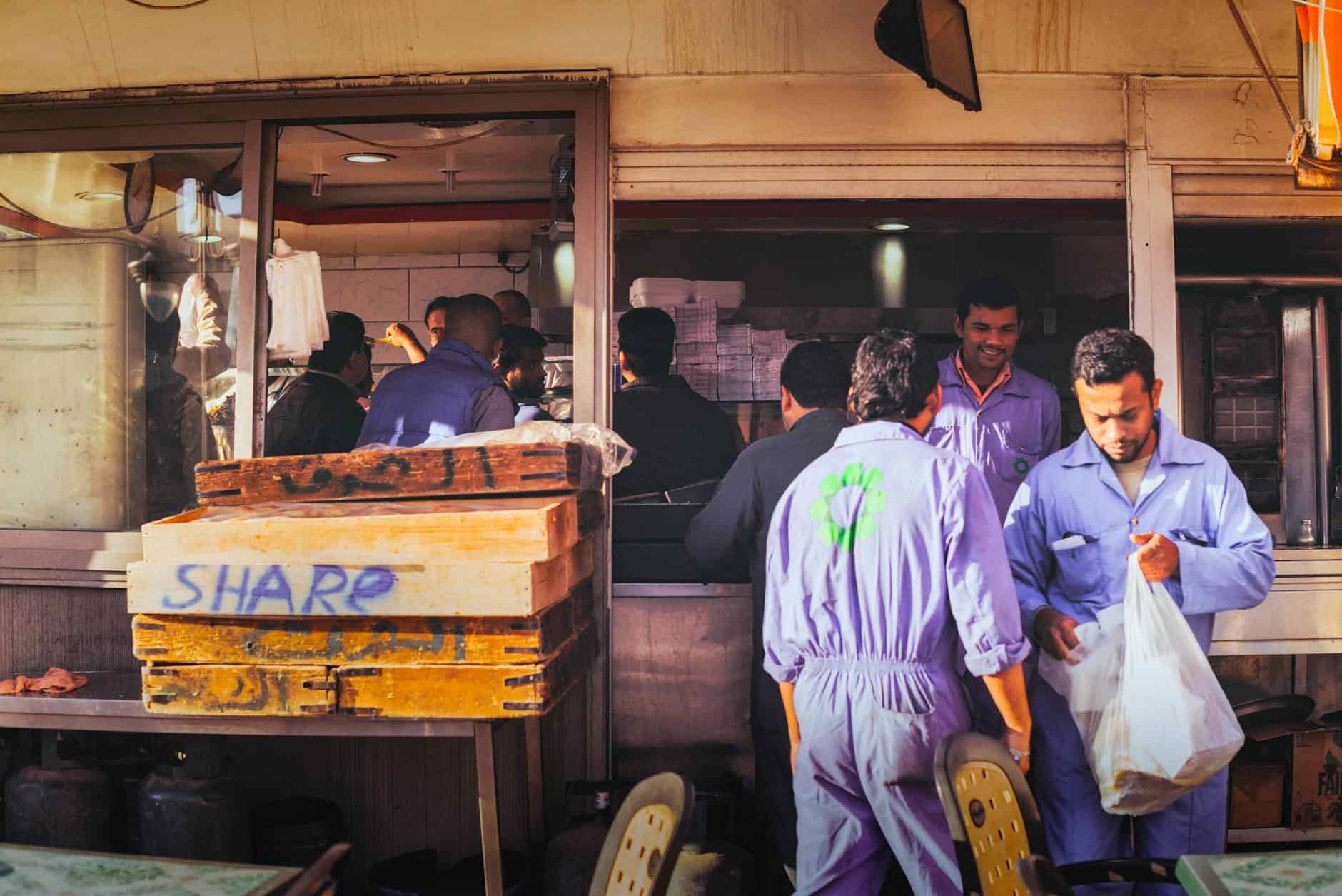
Hospital staff — nurses, techs, environmental services workers, cafeteria staff — eat at places that have never been on a top-ten list. They have limited time, know which places are fast and good, and often have cultural ties to restaurants that haven’t been discovered by the food media.
The pattern is consistent across cities:
- The best taqueria near the hospital is usually found by following the housekeeping staff at lunch
- The best breakfast spot near the hospital is usually discovered by following the night shift staff after a 7am clock-out
- The best cheap lunch in any city’s medical district is usually whatever the cafeteria staff at the hospital itself eat on their own breaks — which is often food they’ve brought from home or purchased from a nearby place that would never appear in a Google search
Nurses develop a shareable mental database of these places by hospital and city. They’re shared in travel nursing Facebook groups and often represent genuinely excellent food that isn’t on any tourist radar.
The Housing Market Reality From Someone Who Has Rented Everywhere

Travel nurses navigate furnished short-term rentals constantly. After a few assignments, they develop a precise, comparative sense of housing market realities across cities that real estate analysts spend careers trying to model.
What they observe:
- Furnished short-term rental quality and availability is a strong proxy for the overall housing market’s health. Cities with abundant, affordable, well-maintained furnished inventory tend to have healthier overall rental markets. Cities where short-term inventory is scarce, overpriced, or poor quality are usually experiencing broader housing stress.
- Distance from hospital to affordable housing tells you about income inequality. In some cities, nurses can afford to live 10 minutes from the hospital. In others, the commute is 45 minutes because everything close is priced for higher-income residents.
- The presence of housing specifically marketed to travel nurses is a market signal. Where this category of housing exists at scale, the local economy knows healthcare is a significant industry and has adapted. Where it doesn’t, you’re improvising in a market not designed for short-term professional renters.
Which Cities Surprised Them — And Which Disappointed

Pattern from travel nursing communities about which cities exceed expectations:
- Pittsburgh: Consistently surprises travelers who expected post-industrial bleakness with an actual vibrant, affordable, neighborhoody city with excellent food culture and genuinely friendly residents
- Tucson: A food scene built around genuine Mexican regional cuisine (not Tex-Mex facsimile) that surprises many travel nurses from other regions
- Richmond, Virginia: Repeatedly cited as a city with more cultural depth, restaurant quality, and livability than its national reputation suggests
- Boise, Idaho: The outdoor access combined with a rapidly developing food and brewery scene surprises people who expected a conservative Western small city
Cities that disappoint relative to reputation:
- Miami: Beautiful and exciting, but the actual resident experience outside tourist zones involves difficult traffic, high costs, and infrastructure challenges that the lifestyle marketing doesn’t cover
- Austin: The rapid growth has outpaced infrastructure in ways that the continued national hype obscures — traffic, heat, and housing costs have caught up with the vibe
- San Francisco: The contrast between the city’s cultural and physical beauty and its visible social crisis makes for a psychologically complicated assignment that many nurses find harder than expected
What They Actually Miss When They Go Back to Traveling

Most experienced travel nurses describe the same thing when leaving a city: the version of the place you know after 13 weeks is something tourists never get and locals stop seeing.
- The specific coffee shop where the barista knows your order by week two
- The shortcut through the neighborhood that only residents use
- The market that only happens on Saturdays and only gets mentioned by people who live there
- The coworker relationships that are intense and real and then, suddenly, over
There is a specific kind of grief in leaving a city just as you’ve learned to live in it. Travel nurses describe it as one of the hidden costs of the lifestyle — you develop a complete relationship with a place and then leave it, repeatedly, every three months.
But the accumulated knowledge of dozens of cities, each seen from the inside rather than from the tourist surface, is something almost no other profession generates. It’s a kind of map of the country that deserves more attention than it gets.