What Cruise Ship Casinos Actually Do to Keep You Gambling — The Psychology Hiding in Plain Sight
We may earn money or products from the companies mentioned in this post. This means if you click on the link and purchase the item, I will receive a small commission at no extra cost to you ... you're just helping re-supply our family's travel fund.
You didn’t plan to gamble on your cruise. Maybe you wandered through the casino after dinner because it was on the way to the pool deck. Maybe you sat down at a slot machine with $40 just to see what it was like. An hour later, $200 is gone and you’re not entirely sure how it happened.
This was not an accident. It was the intended outcome of a system that has been refined over decades specifically to generate exactly this result.
Cruise ship casinos are not Las Vegas casinos on water. They’re something more controlled, more psychologically precise, and in some ways more aggressive — because the audience is captive and the design exploits that captivity in ways that land-based casinos literally cannot.
Why Cruise Ship Casinos Are Different From Any Land-Based Casino
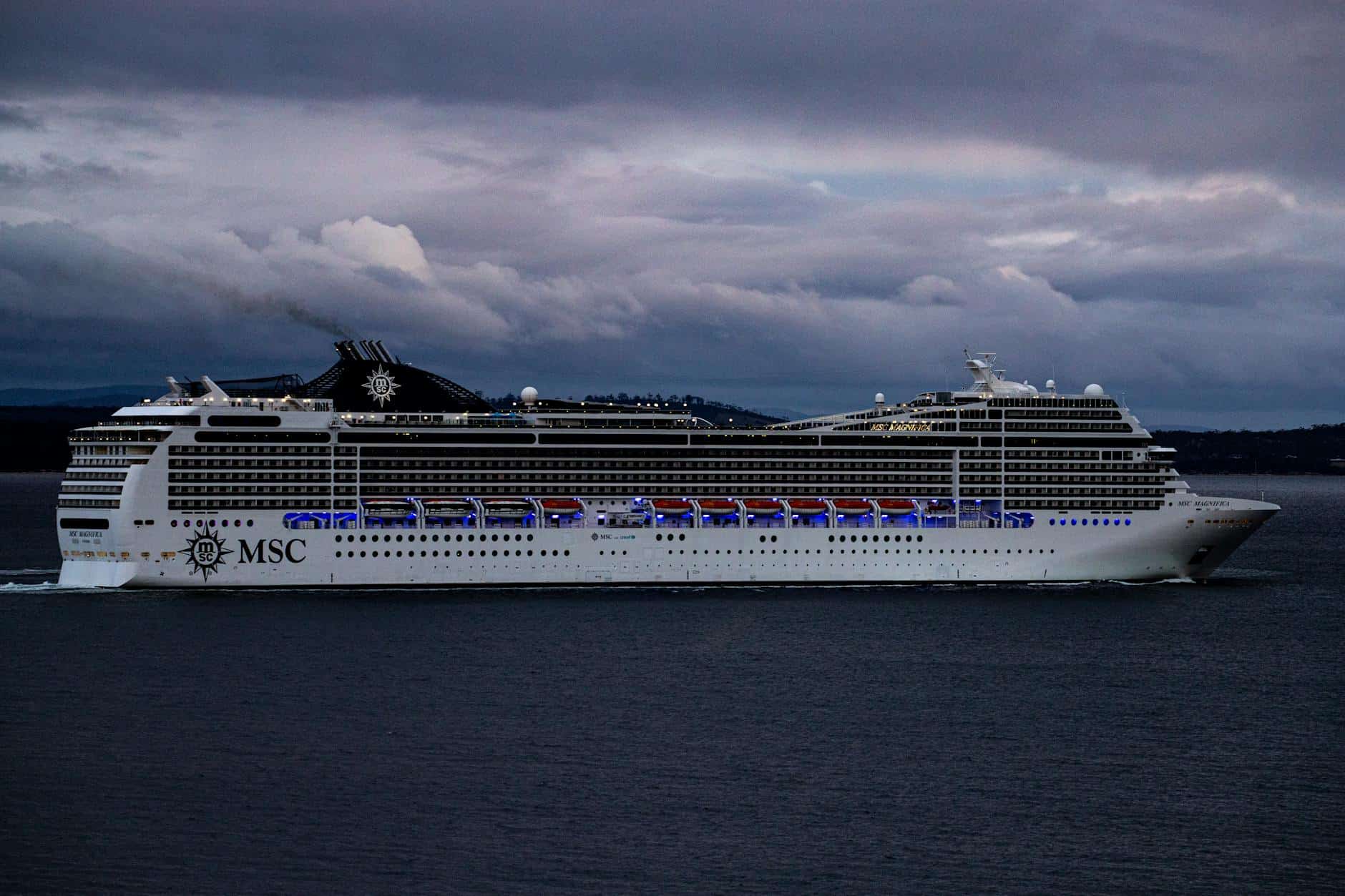
The fundamental difference is the audience situation. A land-based casino visitor chose to go to a casino. They drove or walked there. They can leave whenever they want. They can go home, sleep on it, and come back tomorrow or not come back at all.
A cruise passenger is on a ship in the middle of the ocean. They:
- Cannot leave the environment
- Have exhausted most other entertainment options by day three or four
- Are psychologically in “vacation mode” — a state of relaxed financial inhibition that researchers have documented extensively
- Have often pre-paid for most of their trip, creating a mental accounting shift where remaining money feels like “extra”
- Are removed from the social signals and responsibilities that normally regulate spending behavior
Cruise lines know all of this. Their casino design reflects it.
The Captive Audience Design Principle
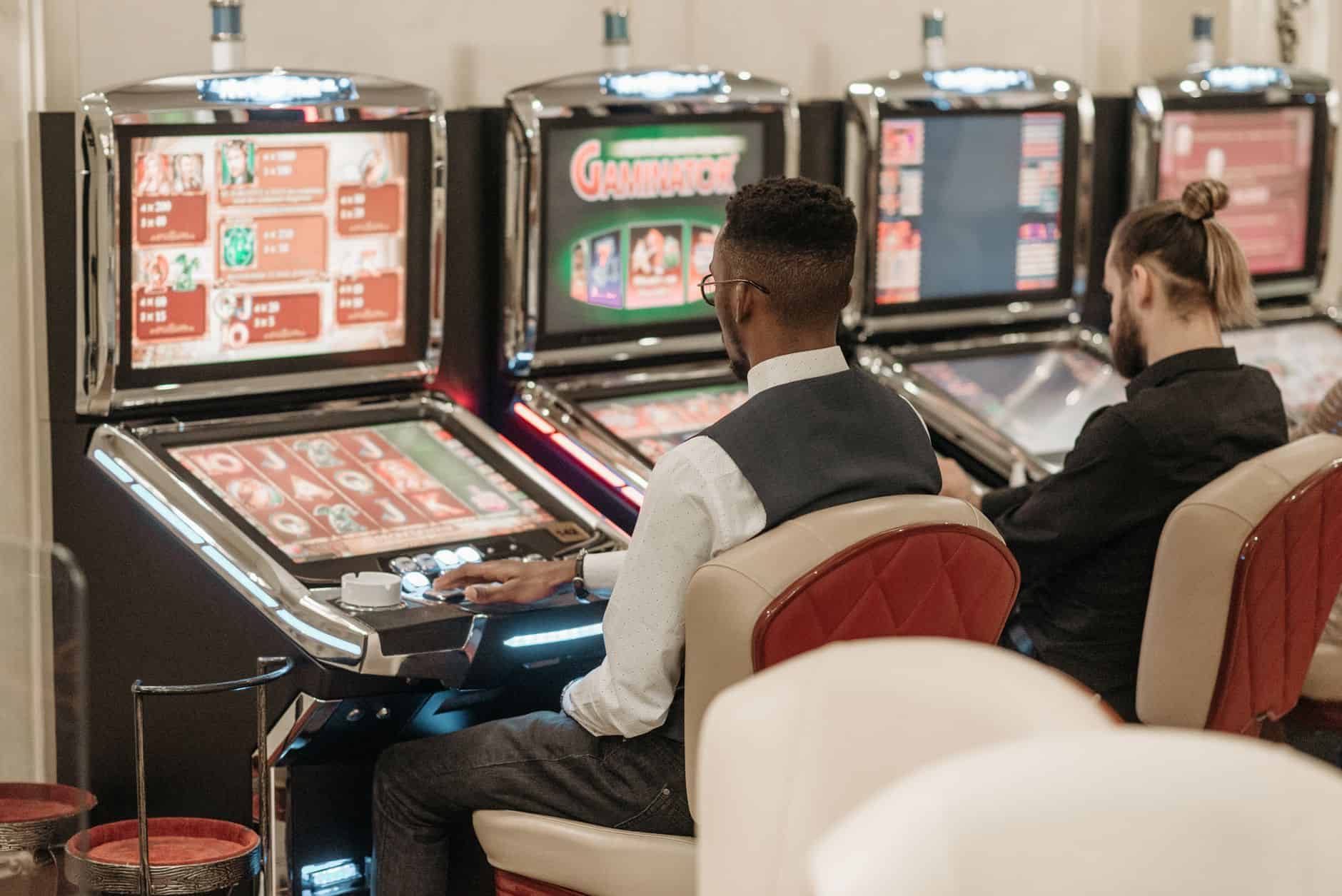
Cruise ship casinos are strategically located within the ship’s layout to maximize exposure. On most major cruise ships, the casino sits on a thoroughfare between entertainment venues — between the theater and the dining rooms, or between the bars and the pool decks.
This is not accidental. It’s a deliberate design choice:
- Passengers who weren’t planning to gamble walk through the casino multiple times per day
- The sounds of slot machines, the energy of a busy table, the social atmosphere — these create repeated temptation on each pass-through
- Strategic placement in shopping corridors means passengers browsing duty-free are also constantly adjacent to gambling options
On some older ships, the casino is literally the only path between certain decks. On newer ships, the design is subtler — but the throughline philosophy persists.
No Windows, No Clocks — The Environmental Engineering
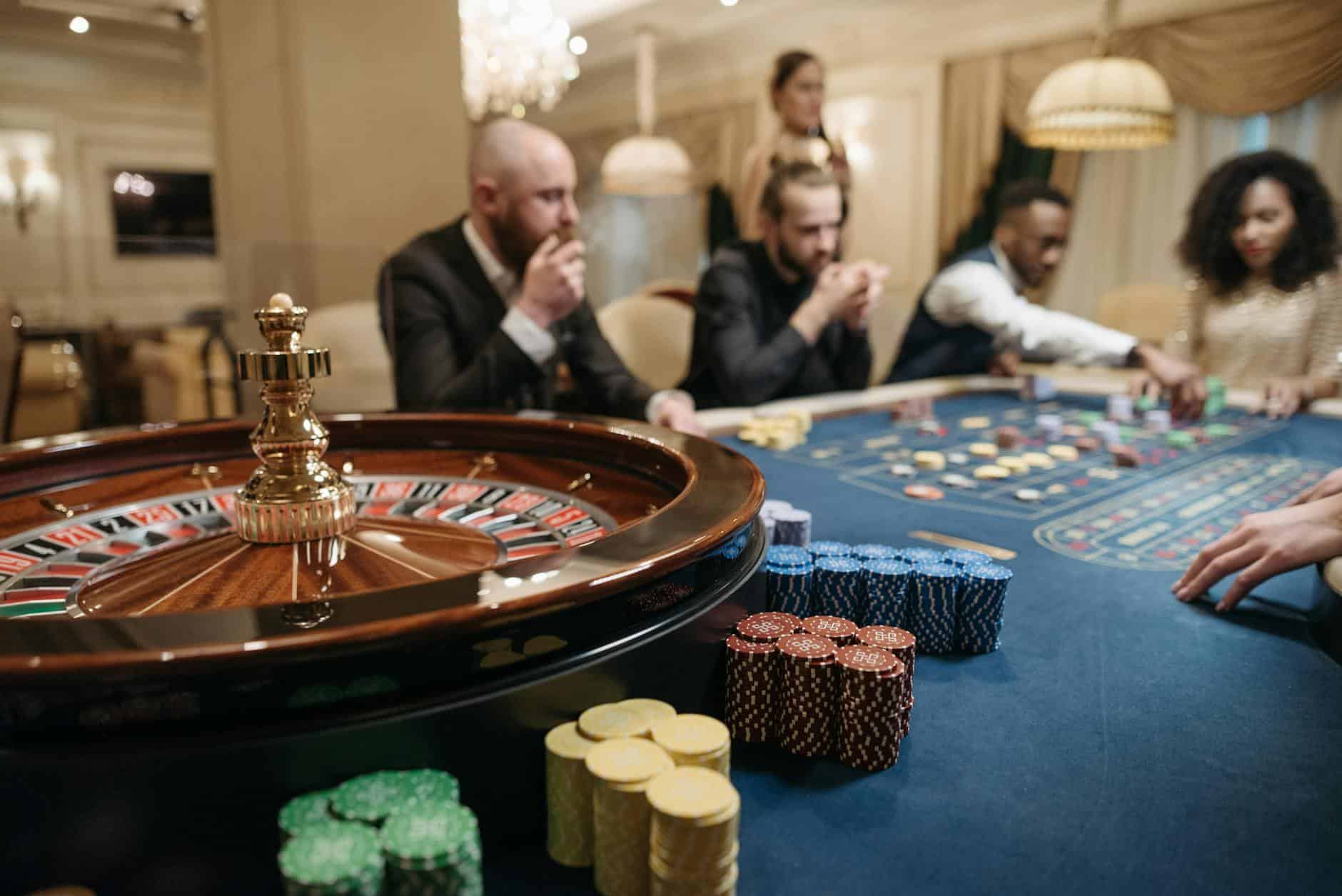
Every detail of the casino environment is engineered to remove time awareness and external reference points:
- No windows: You cannot see whether it’s day or night, rough or calm, sunrise or midnight. Time becomes abstract.
- No clocks: There are no clocks visible in cruise ship casinos, just as in land-based casinos. Time tracking requires deliberate effort — checking your phone, which you’ve probably been told to put away to focus on your hand.
- Consistent air temperature and lighting: The environment is engineered to be the same at 2pm and 2am — no natural cues to circadian rhythms that might remind you to sleep or eat.
- Sound design: The audio mix of slot machines is designed to create a sense of activity and near-miss excitement regardless of how players are actually doing. Wins are loud and celebratory. Losses are quiet.
- Comfortable seating: Ergonomic enough to sit for long periods without the physical discomfort that would naturally prompt you to stand up and leave.
How Cruise Lines Use Free Play Credits to Hook You
Most cruise loyalty programs offer casino free play as a benefit — small amounts of credit ($25–$100) for higher-tier members, sometimes more for top players. This is almost universally framed as a gift.
It’s a loss-leader investment with a known average return:
- Free play credits get passengers physically into the casino who might not have gone otherwise
- Once seated and playing with “free” money, the psychological switch from free credits to real money is gradual and often imperceptible in the moment
- Casino operators know the average conversion rate — how much of their own money passengers spend after being brought in with free credits — and it consistently exceeds the cost of the credit
- Free play credits are typically structured to be non-withdrawable: you can win real money playing with them, but you can’t just cash out the credit without playing
The Points System That Makes Losing Feel Like Winning
Cruise casino loyalty programs issue points for play — typically calculated on action (money wagered) rather than on wins or losses. This means you accumulate points even when you’re losing.
The psychological effect is significant:
- Losing a session but seeing your points balance rise creates a partial win sensation that softens the loss experience
- Points redeemable for onboard credits, free cabins, or dining packages create a perceived value recovery that encourages continued play
- Tier status in the casino program triggers social identity effects — being a “Diamond” casino player confers status, and status maintenance is a powerful behavioral motivator
- The casino host relationship (offered to higher-tier players) creates social reciprocity pressure — the host has given you attention, free drinks, and benefits; the psychological pull to reciprocate by continuing to play is real
Why You Spend More Money at Sea Than on Land
Research on vacation spending behavior consistently shows that people spend more money on vacation than they plan to, and more than they would on equivalent activities at home. The cruise environment amplifies this further:
- The vacation mental accounting shift: Pre-paid cruise costs create a feeling of “I’ve already spent the big money; what’s a little more?” that reduces resistance to additional spending
- The onboard credit economy: Cruise ships increasingly operate on card-based systems rather than cash, which consistently reduces spending friction and increases total spend
- The isolation effect: Being removed from home, from regular bank statements, from normal social context reduces the mental anchors that regulate spending behavior
- The festivity license: Vacation mindset grants psychological permission for unusual behavior — staying up late, eating more, spending more. “It’s vacation” is the internal justification for behavior that would feel excessive at home.
The Staff Techniques That Encourage Extended Play
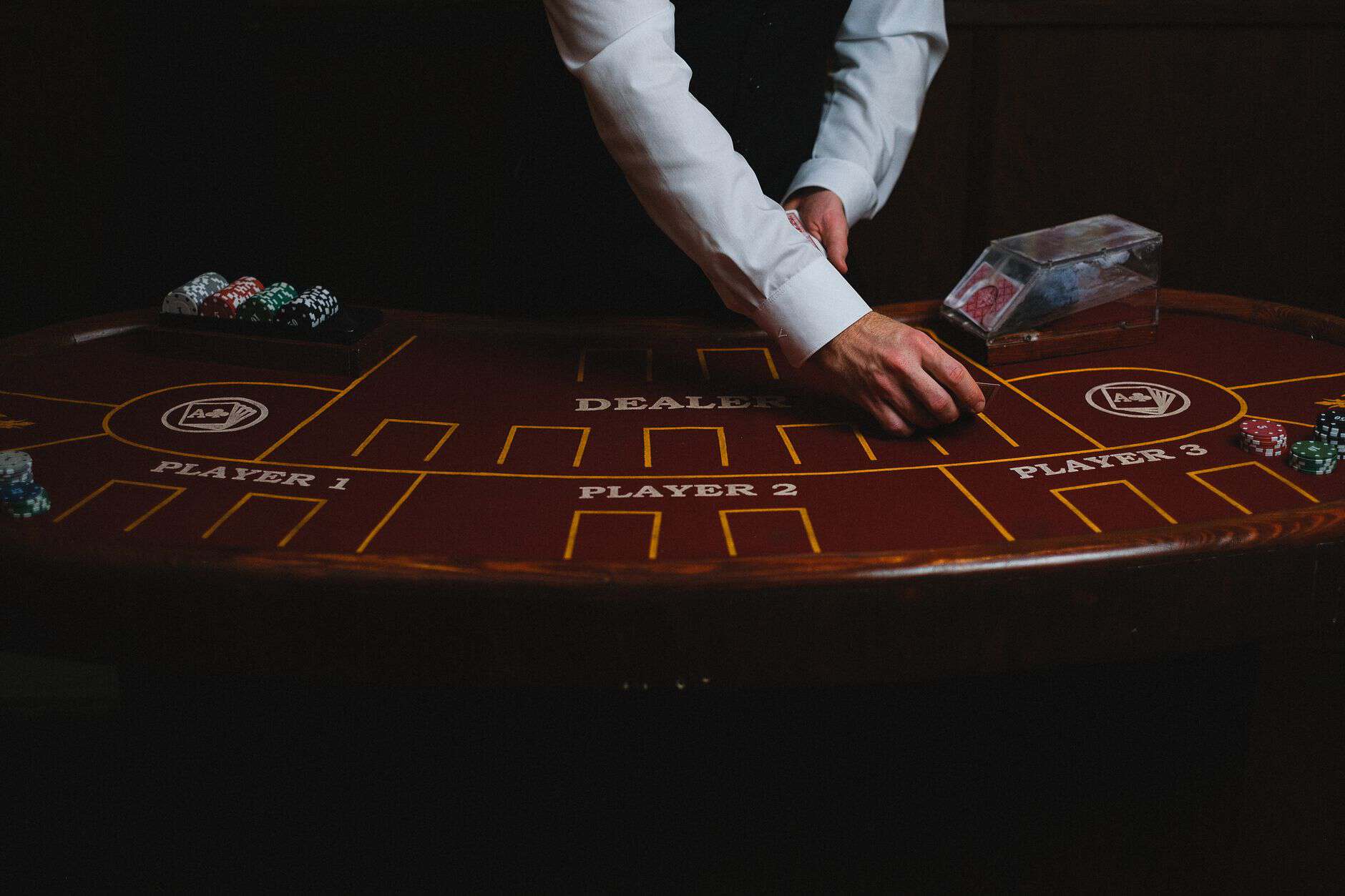
Cruise casino staff are trained in hospitality techniques that increase dwell time and spending:
- Complimentary drinks for active players: Alcohol reduces decision-making quality and spending inhibition. This is the most direct and well-documented mechanism.
- The friendly check-in: Staff circulating through the floor make eye contact, use passengers’ names (visible on the ship’s card), and create social warmth that increases the comfort of staying
- The near-miss commentary: A dealer or staff member noting “so close!” after a near-win activates the same neural reward system as an actual win, encouraging continuation
- Personalized attention from the casino host for higher players: Dinner invitations, VIP access, gifts — the host relationship creates social bonding that translates to continued patronage
What Actually Happens in International Waters
Cruise ship casinos operate under maritime law when in international waters, which places them largely outside U.S. gambling regulations — including many consumer protection rules that apply to land-based casinos.
Practical implications:
- Dispute resolution for casino complaints typically goes through the cruise line’s internal process first, without the state gaming commission oversight that exists in Nevada, New Jersey, or tribal gaming
- Self-exclusion programs (which allow problem gamblers to ban themselves from land-based casinos) are voluntary on cruise ships and inconsistently implemented
- Responsible gambling messaging requirements vary significantly from those imposed on land-based casinos by state gaming authorities
None of this means cruise ship casinos are corrupt or cheating. The games themselves are regulated for fairness. But the consumer protection scaffolding that surrounds land-based gambling in the U.S. is thinner at sea.
If you choose to gamble on a cruise, do it with a pre-decided, fixed budget kept in cash — the physical act of handing over cash you can see and count is the single most effective behavioral intervention against overspending in any casino environment. Decide on your number before you sit down. When it’s gone, you leave. No exceptions, no just-one-more-hand, no dipping into the vacation emergency fund.
The casino was designed by people who know what they’re doing. Your best defense is knowing what they’re doing back.