12 Myths About ’70s Road Trips Museums Will Finally Set Straight
We may earn money or products from the companies mentioned in this post. This means if you click on the link and purchase the item, I will receive a small commission at no extra cost to you ... you're just helping re-supply our family's travel fund.
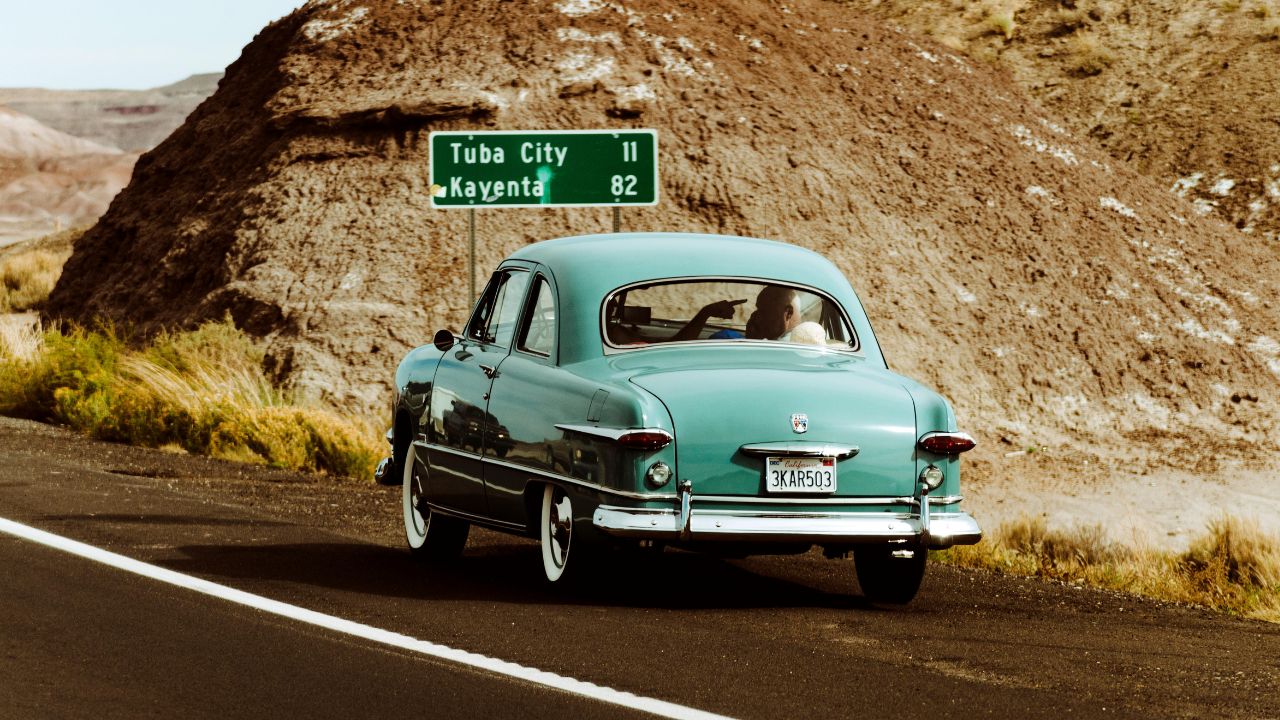
The ’70s road trip is often painted as the golden age of freedom on four wheels—no GPS, no worries, just vibes. But dig through museum archives, vintage brochures, and first-hand accounts, and you’ll uncover a more complicated reality. It wasn’t all mixtapes and sunsets. From gas shortages to questionable motels, here are 12 myths museums are debunking about the decade’s most over-romanticized travel trend.
“Everyone Had a VW Bus”
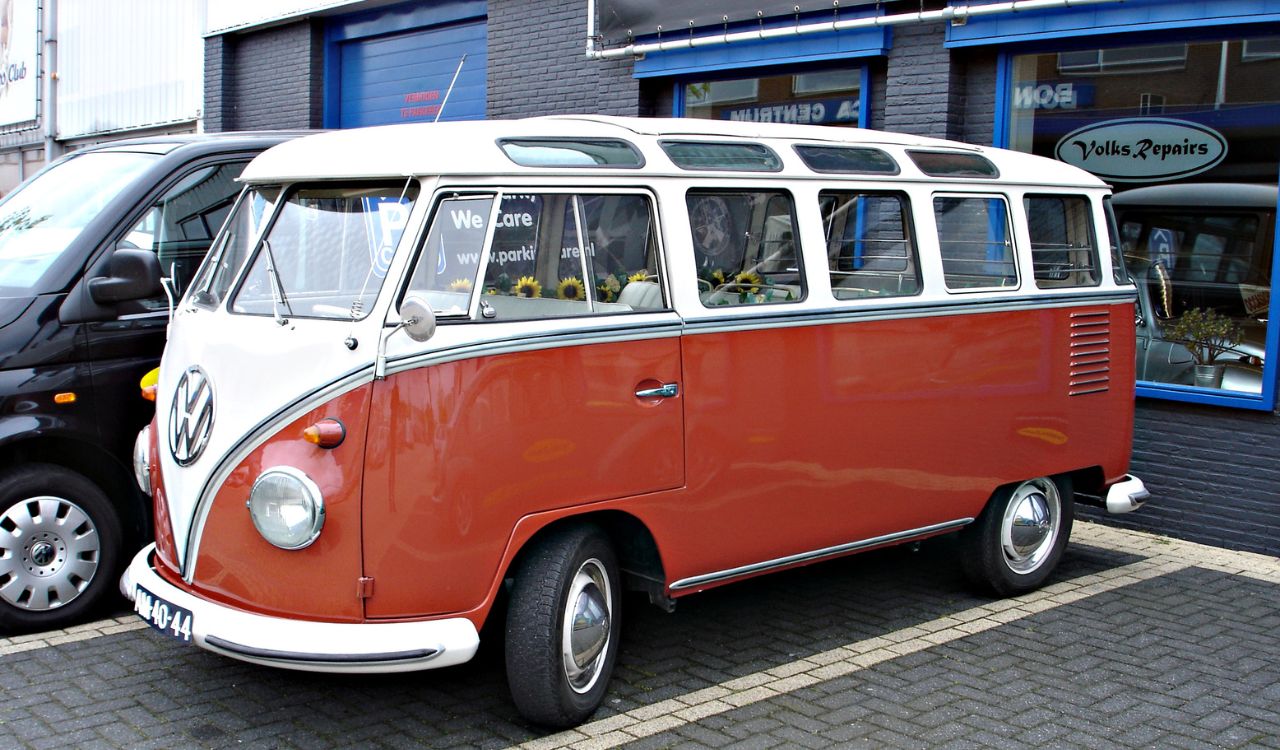
The iconic VW bus wasn’t the staple that people think it was. Most road trippers actually drove station wagons, sedans, or pickup trucks. Museums note that VW buses were slow, often broke down, and were far from common outside hippie enclaves. The VW craze grew later, thanks to pop culture. Back then, practicality beat style, especially on long stretches of unreliable highways.
“Gas Was Practically Free”

Before the 1973 oil crisis, gas was cheap, but that changed fast. Lines stretched for blocks, stations shut down, and prices spiked. Road trips were delayed or downsized. Museums show ration stamps, closed pumps, and protest photos from the time. The carefree, gas-guzzling road trip wasn’t always so carefree—it often meant stress and limited options.
“Hitchhiking Was Always Safe”
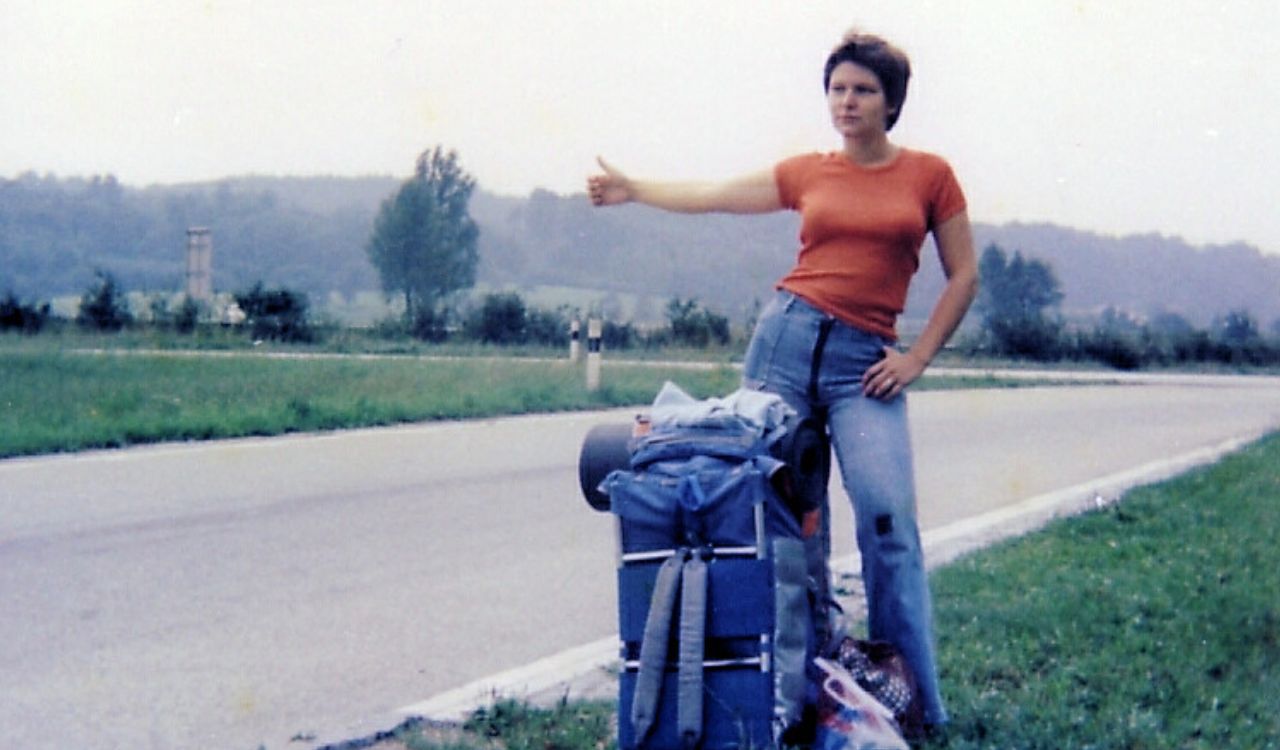
The thumb-out travel method is romanticized, but hitchhiking wasn’t without serious risks. Museum archives include reports of violence and disappearances. It was far more dangerous than portrayed in music or film. Hitching a ride felt adventurous, but it was often unpredictable. Many travelers avoided it altogether—or kept weapons in their bags, just in case.
“No One Used Maps Just Vibes”
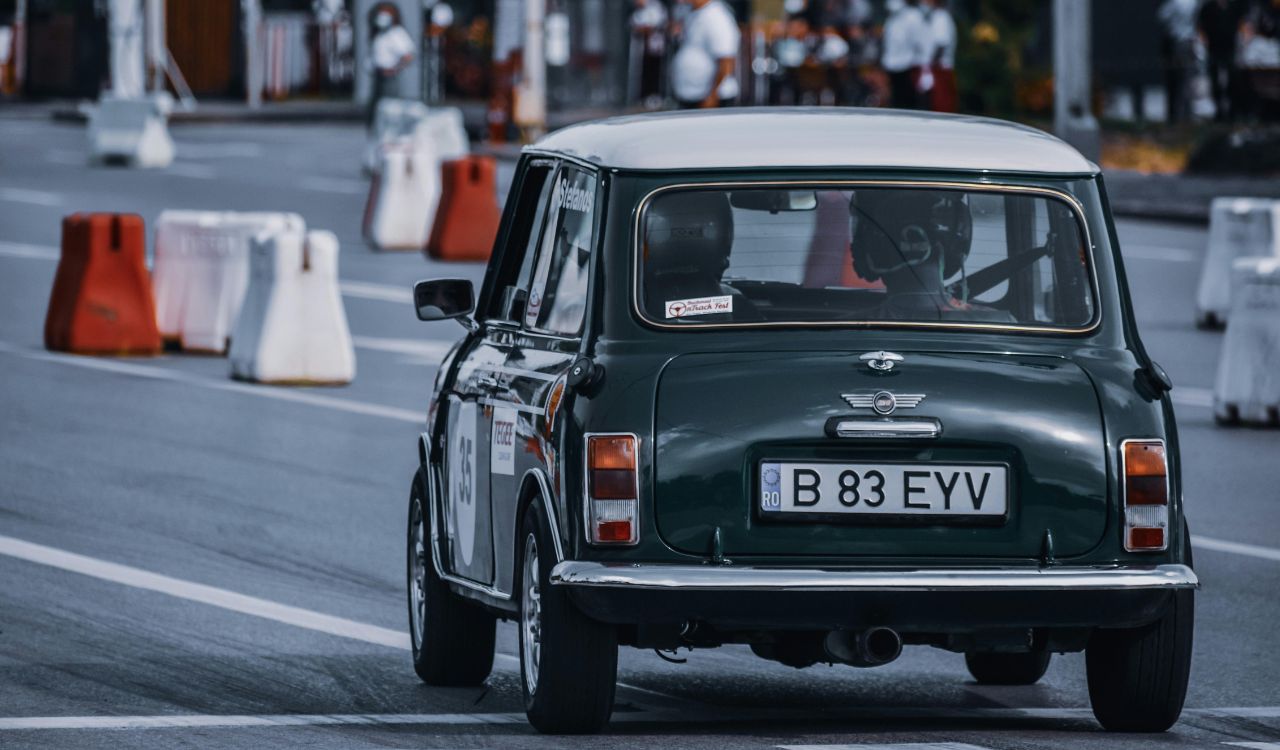
Despite the myth, most travelers in the ’70s relied heavily on paper maps, road atlases, and AAA trip planners. You’d find gloveboxes packed with folded maps from gas stations. There were no GPS systems or phone apps to fall back on, and taking a wrong turn in rural America could mean hours of delay. “Just winging it” was rarely the smart—or safe—approach.
“You Could Camp Anywhere”
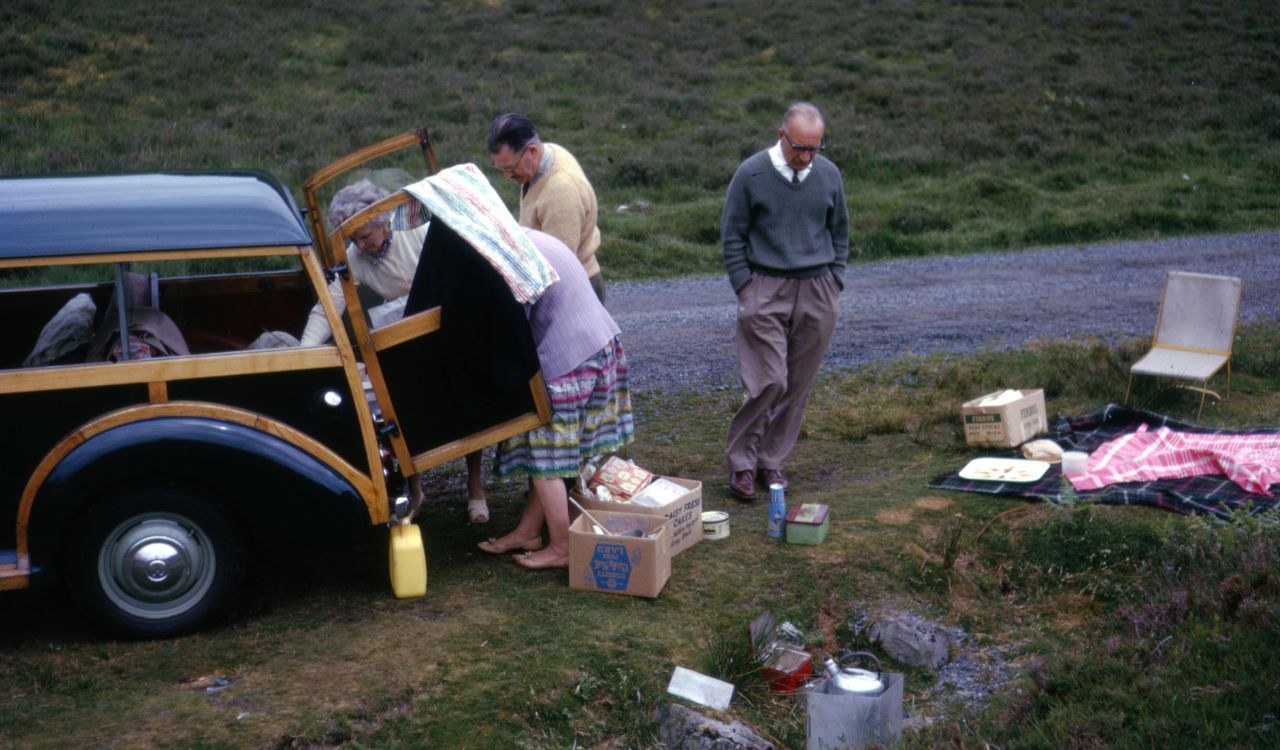
The idea of pulling off and pitching a tent wherever you liked doesn’t hold up. Trespassing laws still applied, and many parks required permits or reservations. Rangers enforced rules, and landowners weren’t thrilled about uninvited campers. Museums display warning signs and vintage guidebooks full of restrictions. Free-range camping? Not without consequences.
“The Music Was Always Perfect”

Road trip soundtracks weren’t as dreamy as they seem. Cassette players jammed, radio signals cut out, and you were stuck listening to whatever was on the dial—usually soft rock or talk radio. Some lucky cars had 8-tracks, but variety was limited. Museums even display mixtapes as novelty items now, complete with scribbled titles and tape that’s been rewound a hundred times.
“Everyone Traveled Light”

Forget the image of minimalist backpacking. ’70s travelers packed heavy—think coolers, camp chairs, cookware, and even full tool kits. Museum photos show car roofs loaded with gear, often tied down with questionable knots. People weren’t traveling light; they were bringing their whole lives. Comfort and convenience usually won out over simplicity and space.
“Roadside Diners Were Always Quaint”
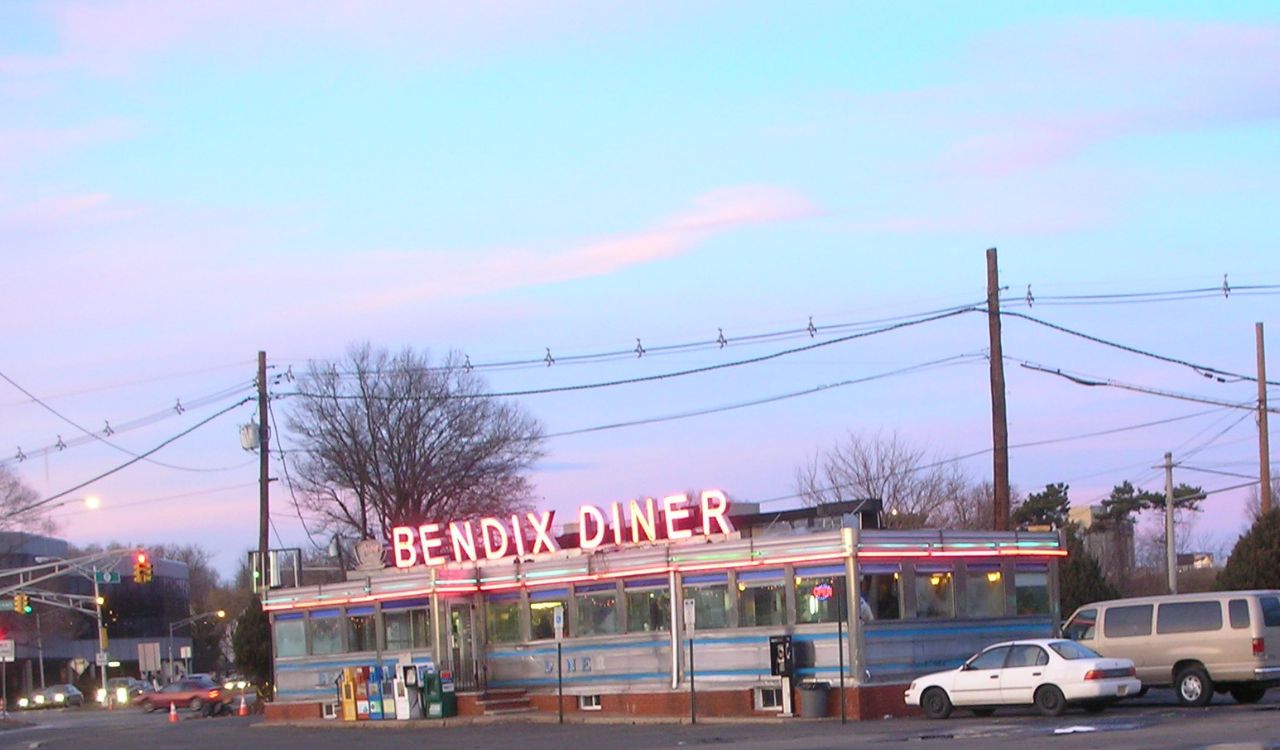
Not every diner was a charming slice of Americana. Many were greasy, overpriced, or downright unwelcoming. Museums share menus and reviews that show just how hit-or-miss roadside dining could be. Sure, there were gems, but there were also plenty of places with instant coffee, soggy burgers, and questionable hygiene. Nostalgia smooths over a lot.
“Motels Were All Cheap and Safe”
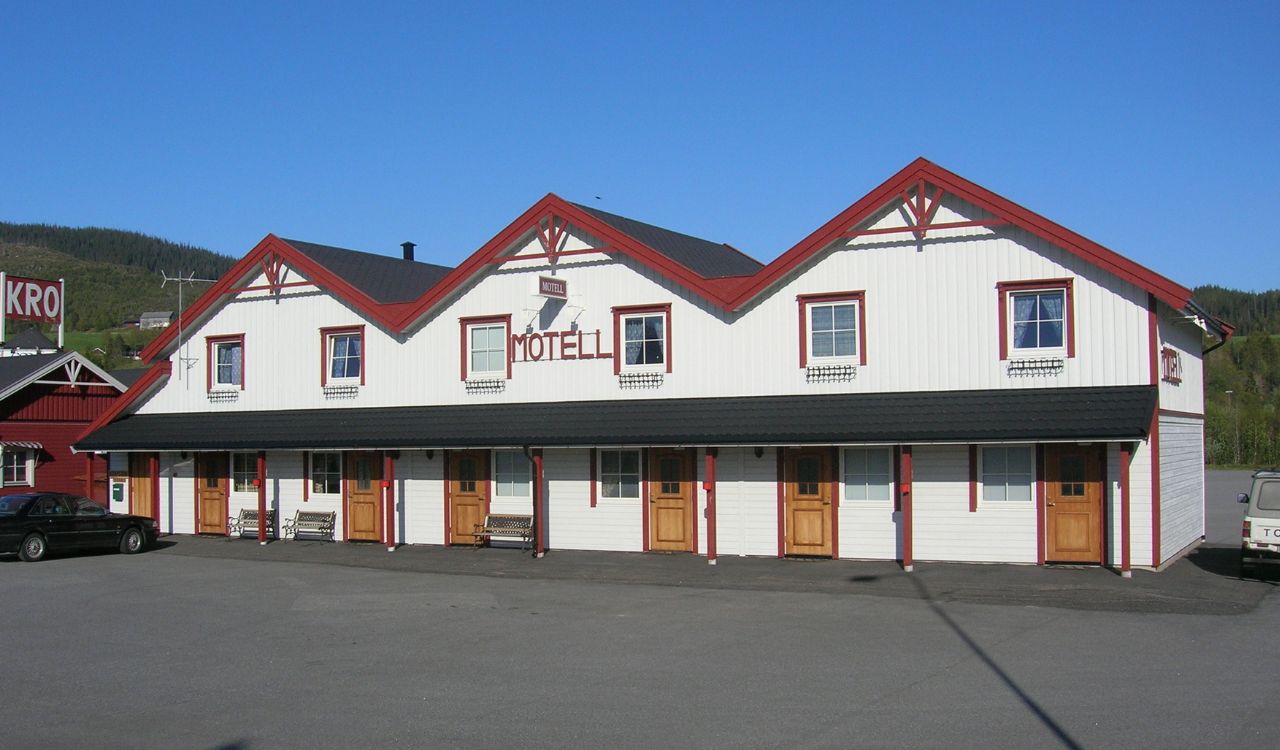
Vintage motels came with charm—and problems. Some were great, others had cockroaches, sketchy neighbors, and beds you wouldn’t dare touch. Museums archive letters and complaint forms from the time. Travelers weren’t always safe or welcomed, especially if they were minorities. The “cheap and cheerful” image doesn’t reflect the whole story.
“Travel Was Colorblind”

It wasn’t. While the Civil Rights Act was passed in 1964, discrimination still shaped where travelers could go. Museums highlight the lingering relevance of the Negro Motorist Green Book in the ’70s. It helped Black families avoid unsafe stops and hostile towns. The idea that everyone could road trip freely across the U.S. was a myth for many Americans.
“You Could Stop Anywhere for Photos”

Stopping on the side of the road for the perfect photo wasn’t always allowed—or safe. Some areas had “No Trespassing” or “No Stopping” signs, especially near military or industrial zones. Museums show vintage safety posters urging travelers to use designated areas. A sudden roadside stop could lead to fines, accidents, or angry property owners.
“It Was the Ultimate Escape”
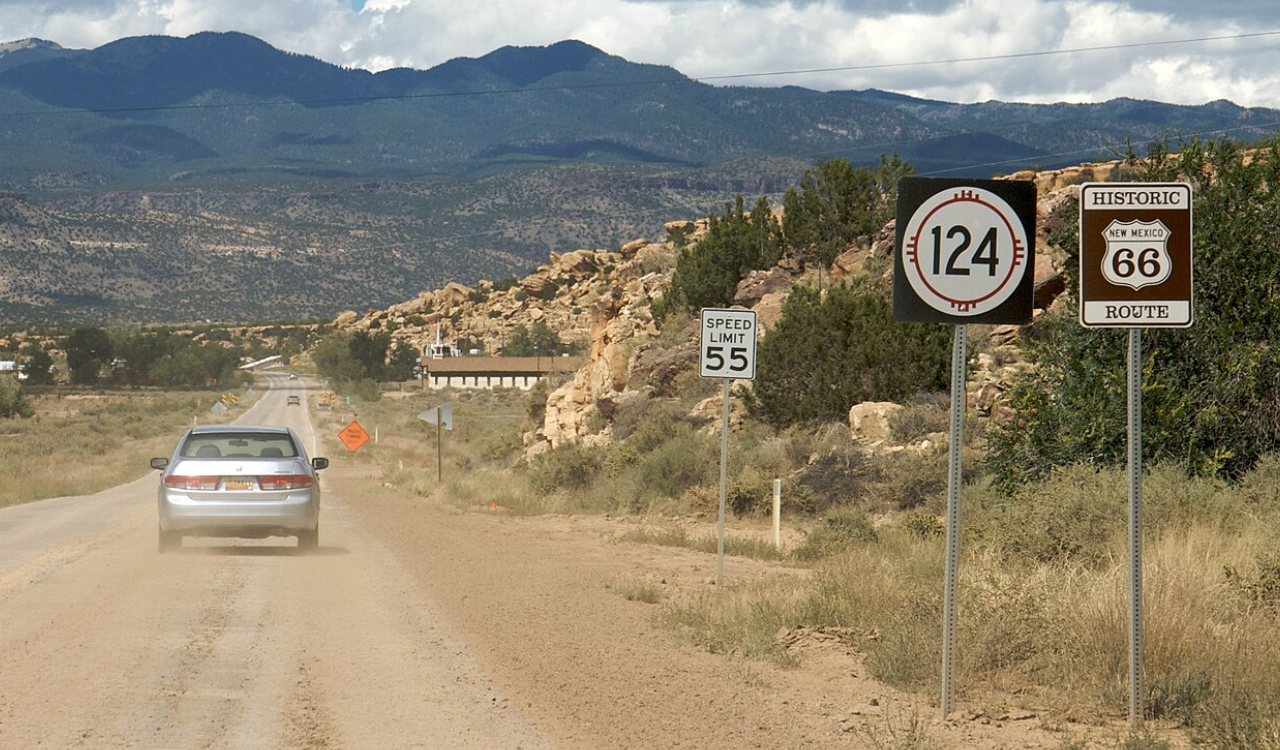
For many, ’70s road trips weren’t about chasing sunsets—they were about necessity. People moved for work, visited distant relatives, or relocated during economic downturns. Museums highlight interviews and journals describing these journeys as tiring, not liberating. Sure, there was freedom, but often it came with a heavy dose of reality behind the wheel.