9 Viking Sites That Rewrite What We Know About Their Voyages
We may earn money or products from the companies mentioned in this post. This means if you click on the link and purchase the item, I will receive a small commission at no extra cost to you ... you're just helping re-supply our family's travel fund.
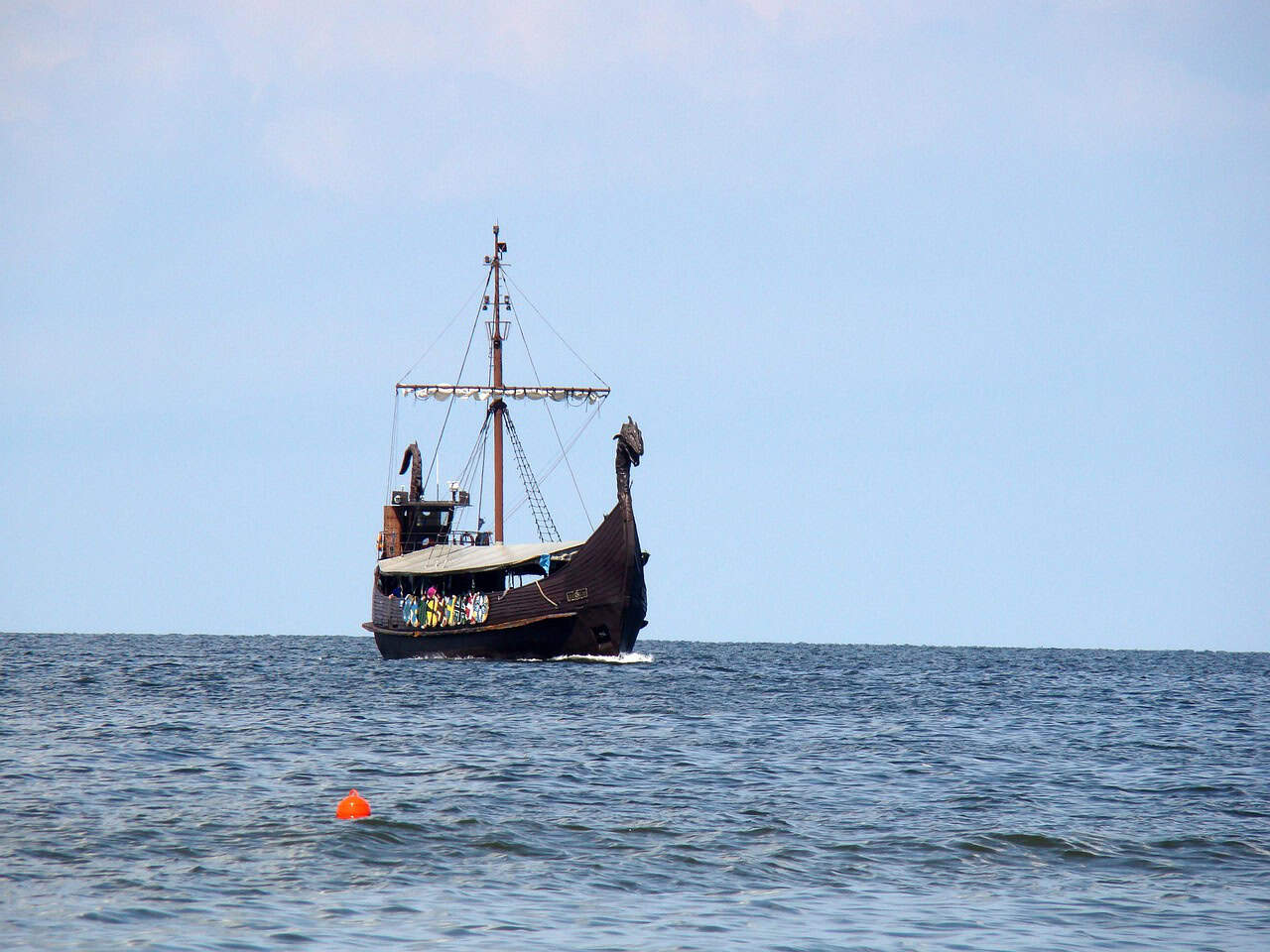
The Vikings were more than raiders with longships. They were explorers, traders, and settlers whose reach stretched farther than most imagine. Recent discoveries and re-examined sites have reshaped how historians understand their voyages. From North America to the Middle East, evidence shows the Vikings left traces in places once thought beyond their grasp. These archaeological finds and historic sites not only tell us where they went but also challenge long-held assumptions about who they were.
1. L’Anse aux Meadows, Canada

This site in Newfoundland is the only confirmed Viking settlement in North America. Excavated in the 1960s, it revealed the remains of sod houses, iron tools, and evidence of boat repair. It proved that the Norse reached the continent around 1000 AD, long before Columbus. The site shifted historical timelines, showing that Vikings had both the skill and ambition to cross the Atlantic. Today it’s a UNESCO World Heritage site, offering a tangible link to the boldest chapter of Viking exploration.
2. Birka, Sweden
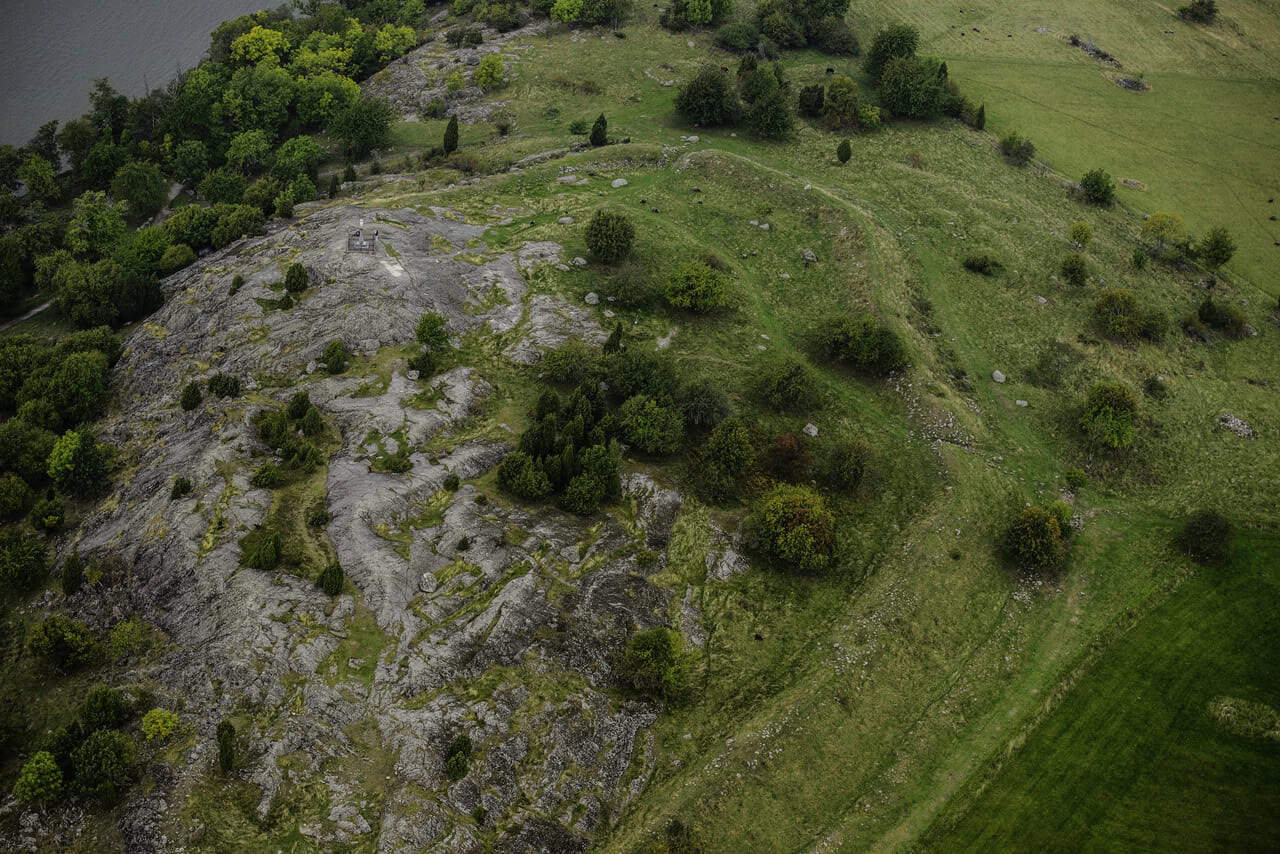
Birka was a bustling Viking trade hub, connecting Scandinavia to markets across Europe and Asia. Excavations uncovered weapons, jewelry, and textiles that showed the Vikings were skilled merchants as well as warriors. The graves here revealed evidence of women holding high-status roles, challenging old assumptions about Viking society. Birka’s strategic location on Lake Mälaren made it a key link in trading networks. Visiting the site today gives insight into how commerce shaped Viking influence far beyond raiding.
3. Jelling, Denmark
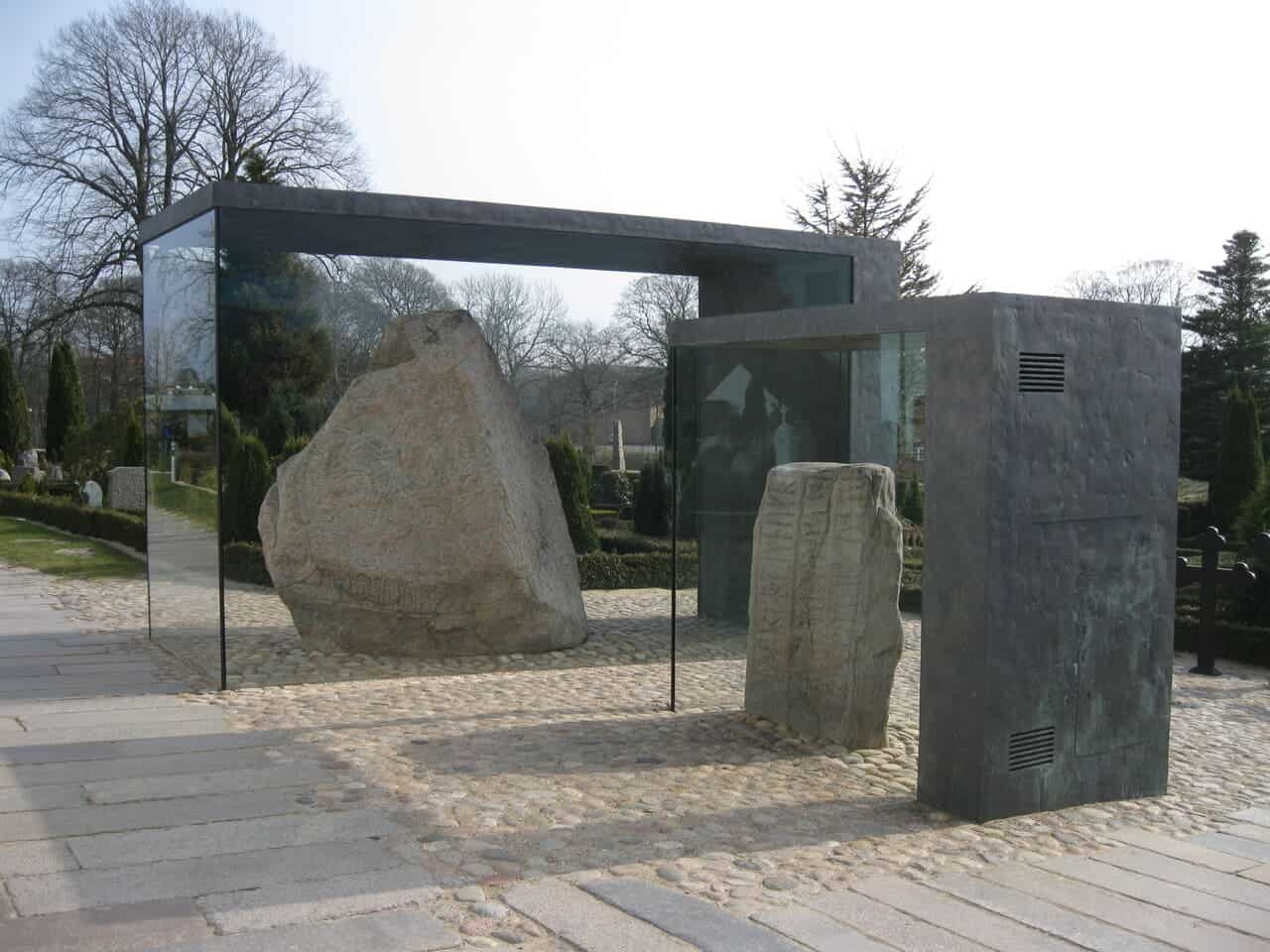
Jelling is often called the birthplace of Denmark. It’s home to massive rune stones commissioned by King Harald Bluetooth, which recorded the unification of Denmark and the Vikings’ conversion to Christianity. Burial mounds and wooden church remains add to the significance. The site rewrites the idea of Vikings as purely pagan raiders, showing their shift into state builders and rulers. Jelling marks the transition from Viking age to medieval kingdom, capturing a society in the midst of dramatic change.
4. Hedeby, Germany
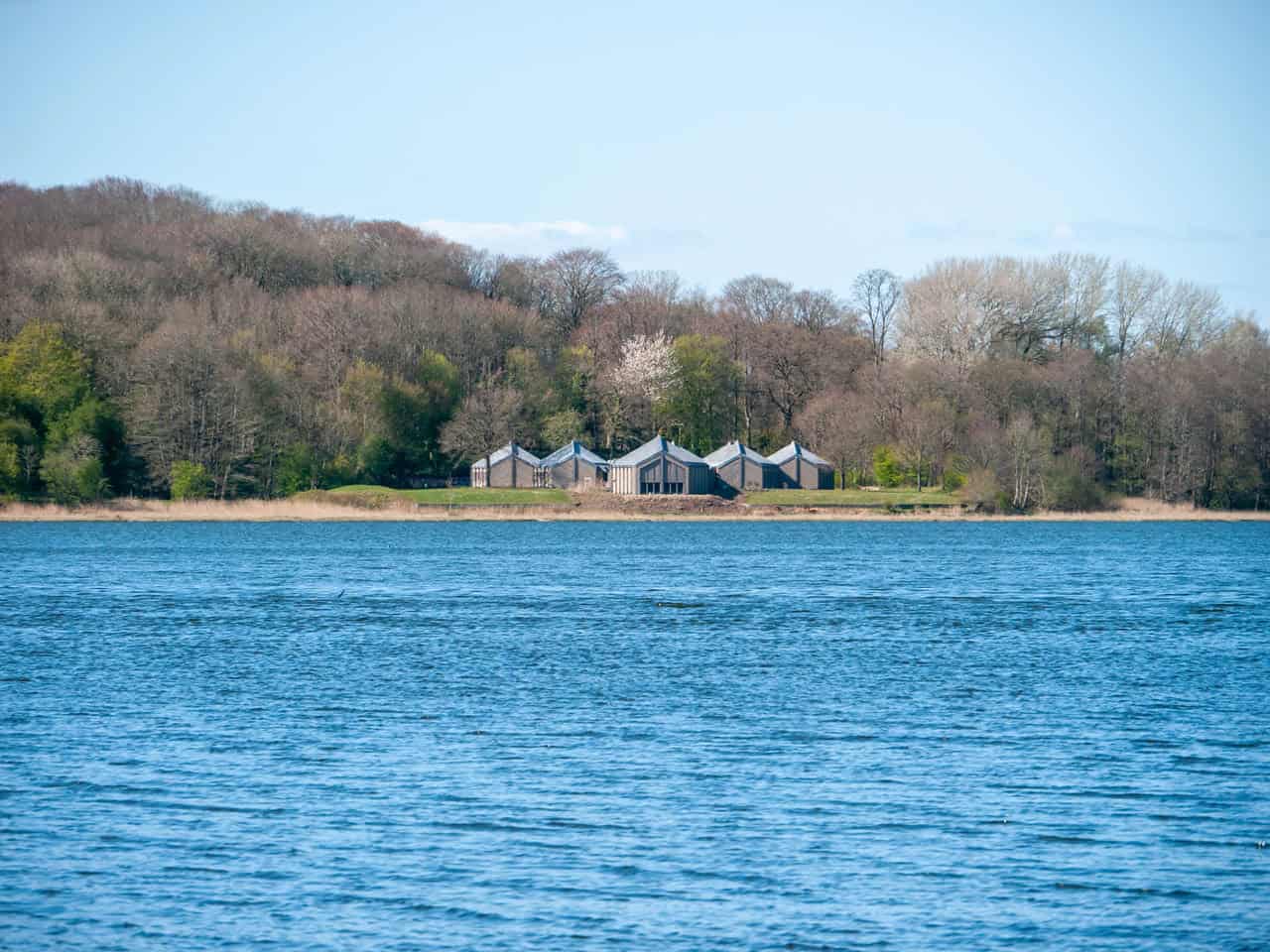
Hedeby was one of the largest Viking trading settlements, strategically located near the Baltic and North Seas. Archaeologists found workshops, homes, and artifacts that revealed a sophisticated urban layout. The site’s discoveries included imports from as far as the Middle East, proving Viking networks stretched farther than expected. Hedeby also had defensive earthworks, suggesting the town was as vulnerable to attack as it was important for trade. Its ruins highlight the Vikings’ role in shaping Europe’s early commercial systems.
5. Kaupang, Norway
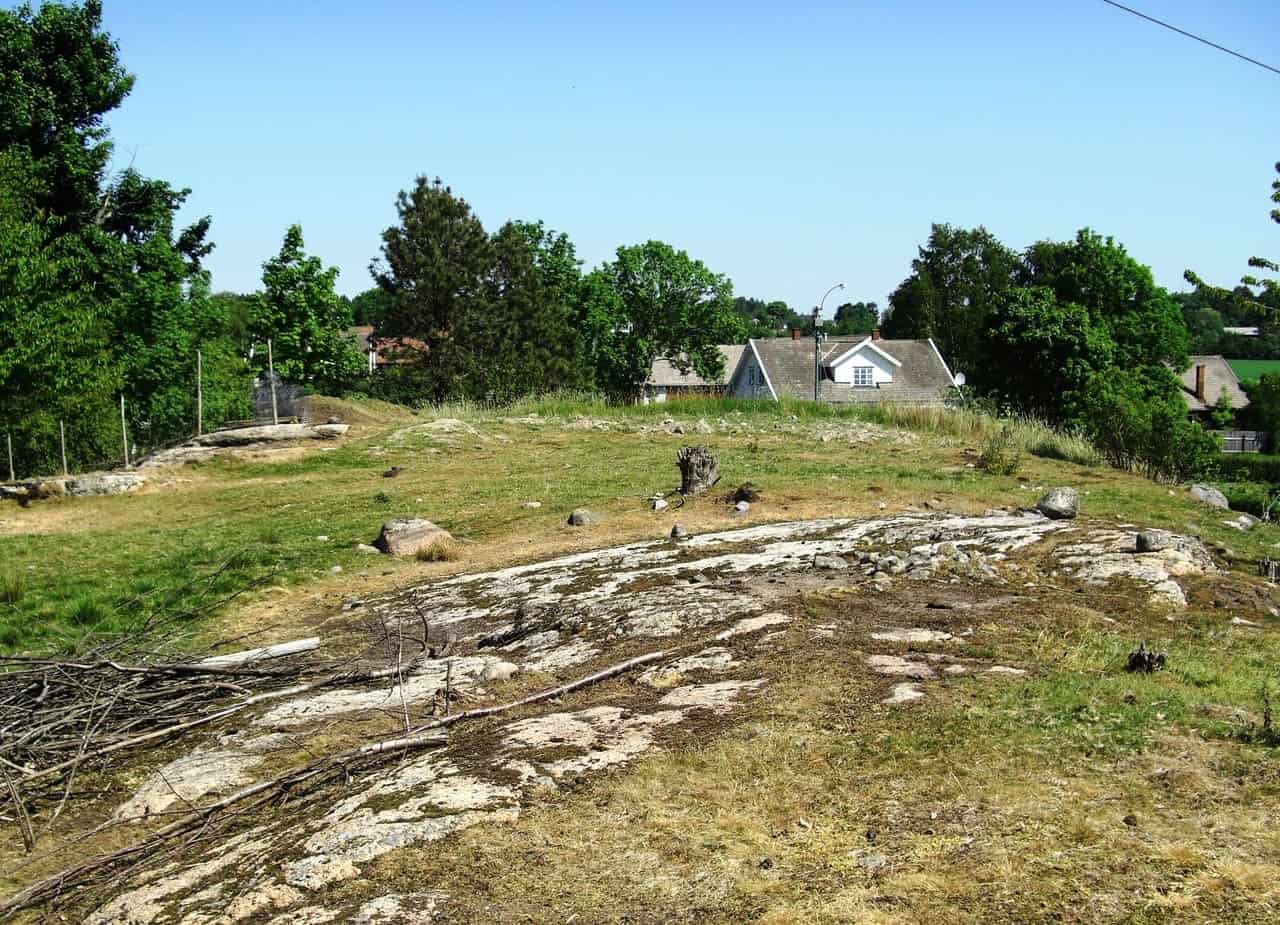
Kaupang was Norway’s first known town, established in the late 8th century. Excavations uncovered workshops, coins, and imported goods, painting a picture of a vibrant trading port. Unlike the stereotype of isolated Viking villages, Kaupang shows organized settlement with structured trade. It was a meeting place for local artisans and foreign merchants alike. The site challenges the idea that Vikings were only raiders by demonstrating their early role in commerce and town-building. It’s a key piece of Viking urban history.
6. Dublin, Ireland

Dublin began as a Viking settlement in the 9th century, long before it grew into the city we know today. Archaeologists uncovered longhouses, tools, and everyday items that revealed a thriving Norse community. Dublin became one of the most important Viking strongholds, blending Norse and Irish culture. The discovery of ship remains and trading goods showed it was a hub for both raiding and commerce. Dublin’s Viking roots highlight how Norse settlers shaped urban development across the British Isles.
7. Vinland References, Icelandic Sagas
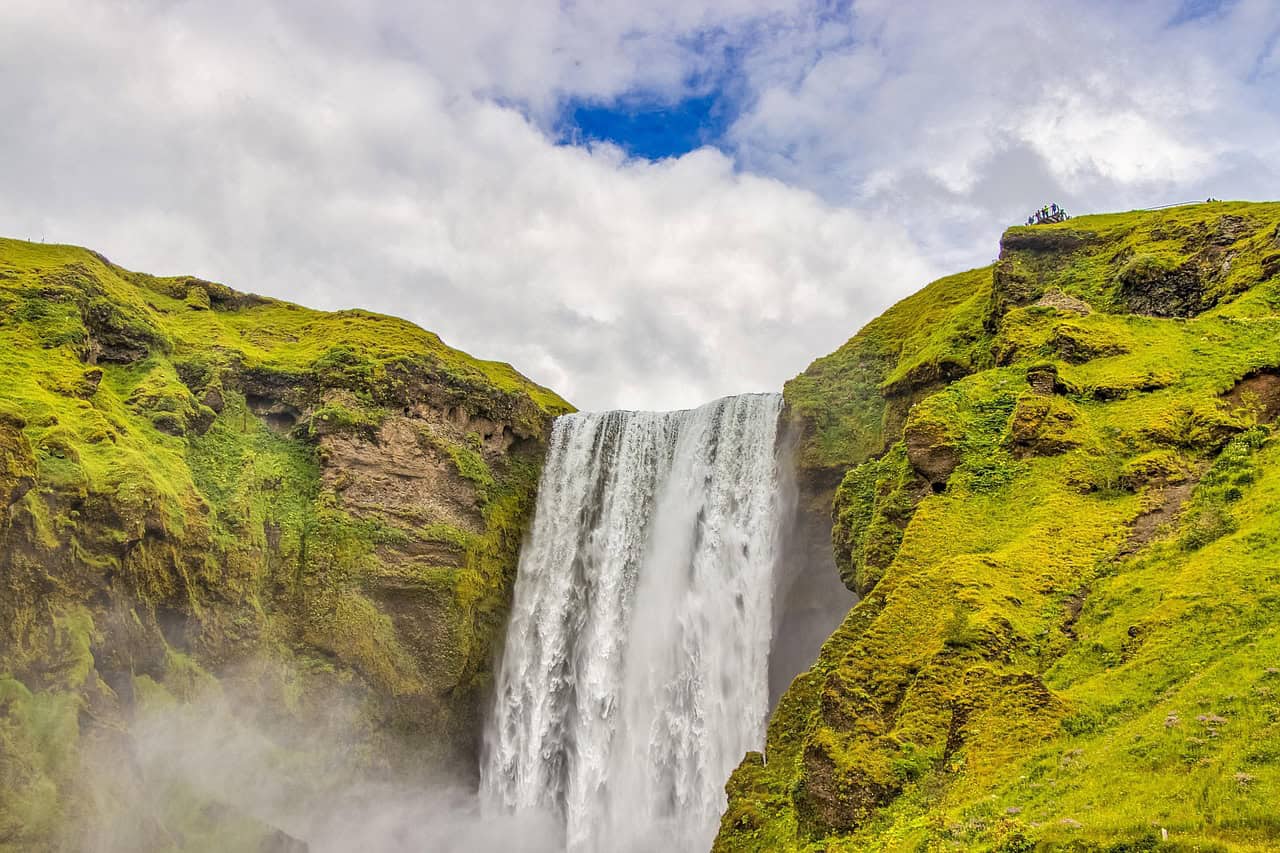
Though not a single site, the Icelandic sagas describe Vinland, a land of forests and grapes across the Atlantic. Long dismissed as myth, these stories gained credibility with the discovery of L’Anse aux Meadows. They suggest that the Vikings may have explored even farther into North America. Some archaeologists believe Vinland could refer to multiple coastal sites. The sagas demonstrate that oral tradition preserved kernels of truth, rewriting how historians interpret Viking storytelling as historical record.
8. York (Jorvik), England

York, known as Jorvik under Viking control, was a thriving center of Norse settlement. Excavations unearthed homes, workshops, and even preserved wooden streets. Artifacts like combs, leather goods, and coins paint a vivid picture of daily Viking life. Jorvik shows how Vikings integrated into English towns, not just as conquerors but as residents and craftsmen. The city’s layers reveal a blend of cultures, rewriting the image of Vikings as temporary invaders. In York, they became part of the urban fabric.
9. Volga River Trade Routes, Russia
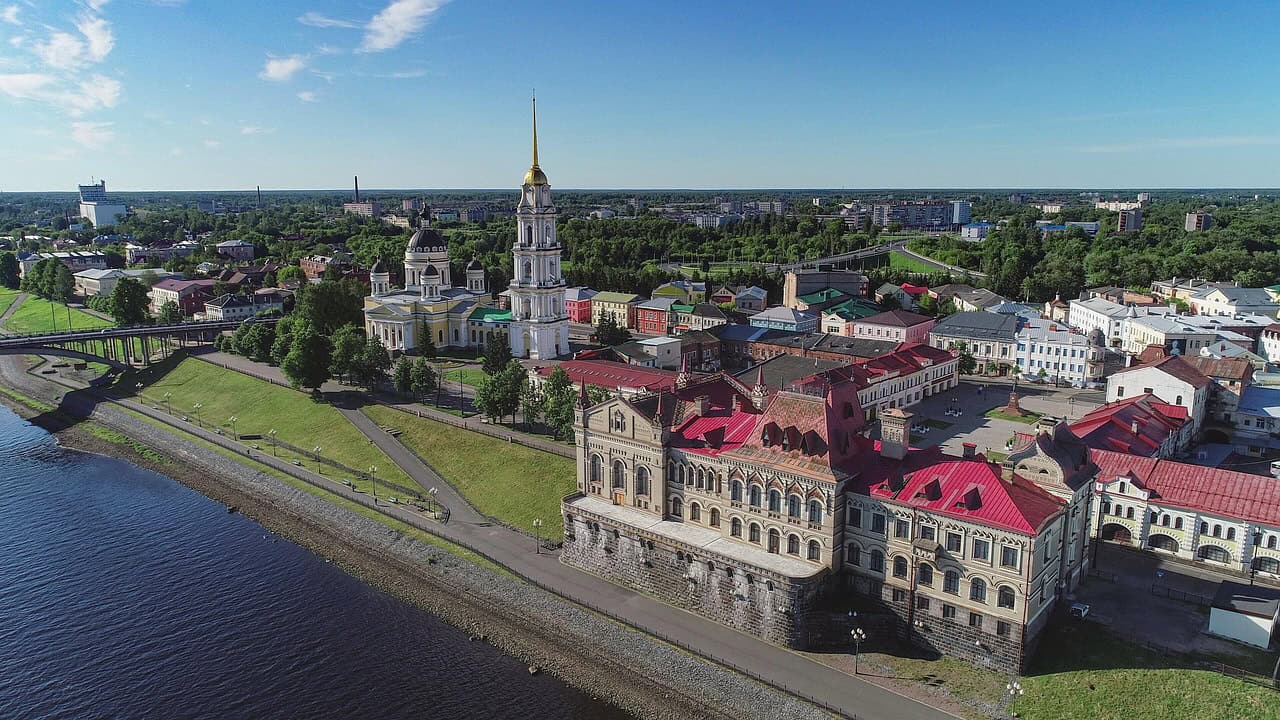
Evidence along the Volga River shows Vikings, known as Varangians, traveled deep into Russia and connected with Byzantine and Islamic worlds. Hoards of silver coins, weapons, and artifacts trace these networks. The routes highlight how Vikings were not only warriors but key players in global trade. Their voyages along the rivers tied Scandinavia to distant economies, reshaping how we view their reach. The Varangian presence proves that Viking influence extended far beyond northern Europe into vast, unexpected territories.