The Airline Loyalty Program Worth Keeping in 2026 — And the Ones Frequent Flyers Are Quietly Quitting
We may earn money or products from the companies mentioned in this post. This means if you click on the link and purchase the item, I will receive a small commission at no extra cost to you ... you're just helping re-supply our family's travel fund.
I flew 80,000 miles one year to chase United MileagePlus Premier 1K status, missed it by 4,000 miles, and spent $1,400 more than I would have on sensibly routed tickets in the process. I don’t want that to be you.
Airline loyalty programs have always involved a certain amount of irrational behavior on the customer’s side. That was kind of the point — get people emotionally invested in a badge so they’ll pay more for your flights to earn it. What’s changed in the past few years is the ratio of value given to value extracted has shifted dramatically in the airlines’ favor.
Points are worth less. Status requires more. Award seats are scarcer. Fees are higher. And the people paying the most attention — elite frequent flyers — are increasingly frank about what’s worth keeping and what’s worth cutting.
How Loyalty Programs Got Worse (And Why)
The devaluation of airline loyalty programs accelerated sharply after the pandemic. Here’s what happened:
- Revenue-based earning replaced mileage-based earningThe big three U.S. carriers (Delta, United, American) all shifted to earning miles based on dollars spent rather than miles flown. This sounds reasonable until you realize it means a $1,200 ticket from New York to Los Angeles earns the same miles as a $1,200 ticket from New York to Frankfurt — even though the Frankfurt flight is 6x longer and should be more valuable for international award redemptions.
- Airlines borrowed against their loyalty programsDuring the pandemic, Delta, United, and American all borrowed billions of dollars using their loyalty programs as collateral. The programs were valued (astonishingly) higher than the airlines themselves. This created financial pressure to extract more revenue from the programs — which means more spending requirements, more devaluations, more fees.
- Award availability tightened“Saver” award seats — the low-redemption-rate seats that make points feel valuable — became increasingly scarce on premium routes. You technically have 100,000 miles. You technically cannot redeem them for business class to Tokyo without flying on a Tuesday in January with three connections.
Delta SkyMiles: The Program Everyone Loves to Hate
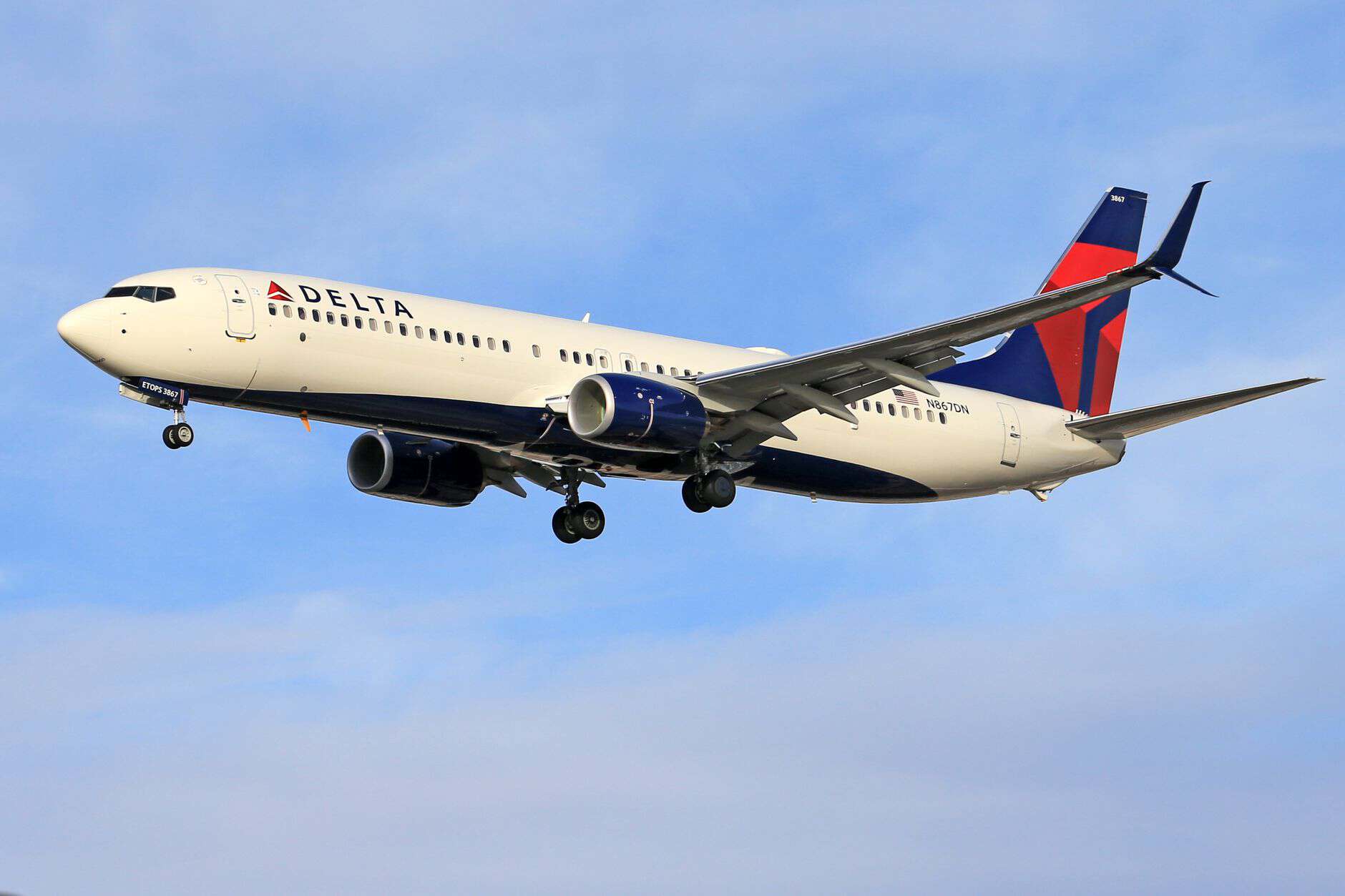
Delta SkyMiles has earned a specific nickname in the frequent flyer community: “SkyPesos.” The implication is that the miles are worth approximately as much as a foreign currency that keeps inflating.
The core problem is dynamic pricing, which Delta pioneered aggressively. Delta award prices fluctuate based on demand, without any published award chart. In practice, this means a flight that cost 35,000 miles in 2019 now costs 75,000–200,000 miles depending on the day, the season, and how much Delta wants for it.
- SkyMiles are consistently valued by points experts at $0.009–$0.012 per mile — among the lowest of any major U.S. program
- Delta also killed its partner award chart, making it much harder to use SkyMiles on partner airlines like Air France, KLM, or Virgin Atlantic
- The 2023 Medallion status changes (requiring both flight and spending requirements) sparked widespread defection from the program
Who should still use Delta: People in cities where Delta has a genuine hub monopoly or significant operational advantage (Atlanta, Minneapolis, Salt Lake City, Detroit). If you’re flying Delta anyway and your employer is paying, accumulate but don’t contort your schedule for it.
Who should reconsider: Anyone in a competitive market who is choosing Delta primarily for loyalty benefits. The value equation has shifted.
United MileagePlus: The Quiet Overperformer
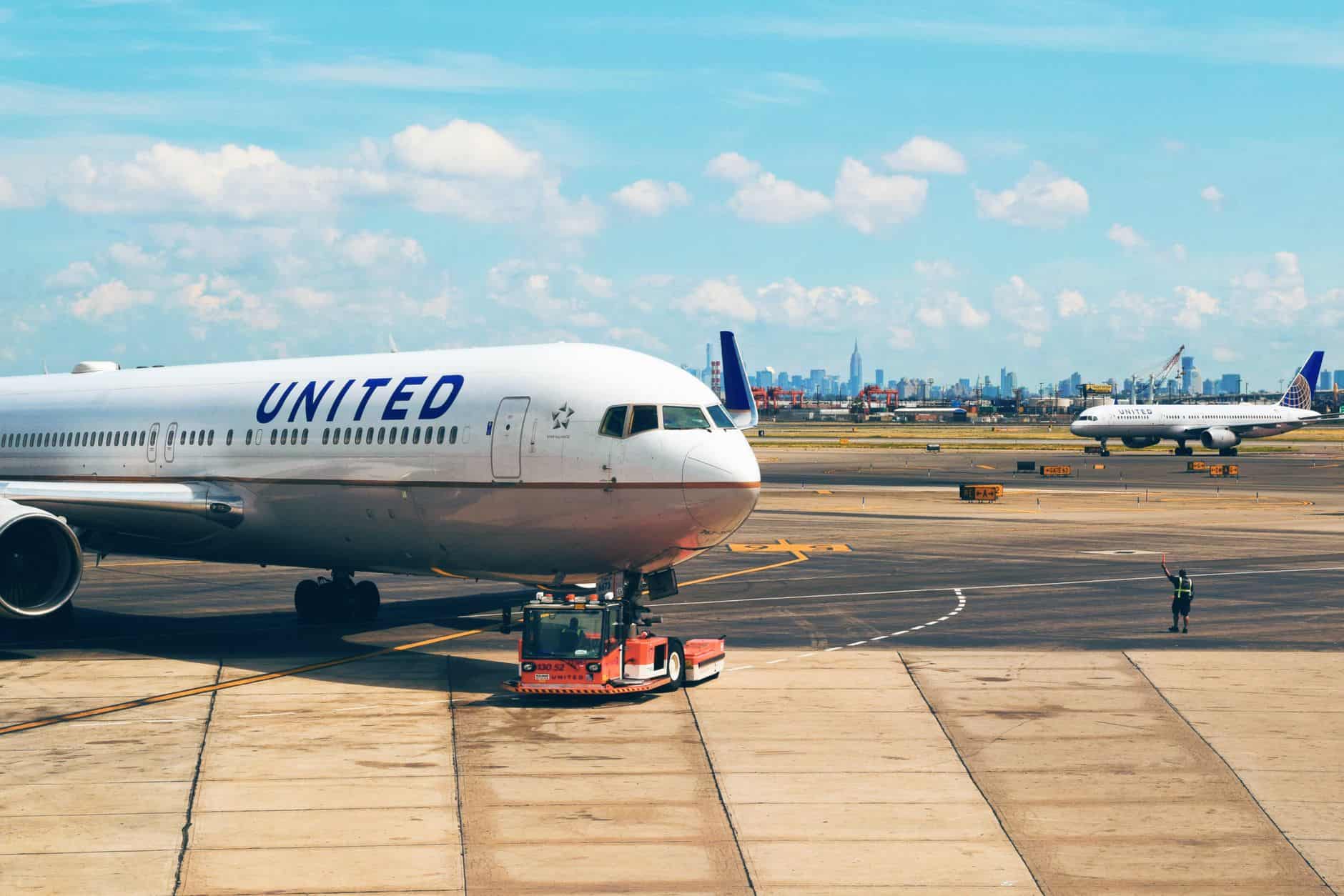
United MileagePlus is, somewhat to the surprise of many frequent travelers who wrote it off during its rougher years, currently the most functional of the big three programs.
The key differentiator: United has a published Excursionist Perk (a free one-way within a multi-continent itinerary), genuinely accessible partner award seats through the Star Alliance, and a transfer relationship with Chase Ultimate Rewards that makes it easy to move points where you need them.
- Miles consistently valued at $0.013–$0.016, above Delta and competitive with American
- Strong sweet spots: United’s own domestic awards are reasonably priced; partner awards to Asia-Pacific (ANA, EVA Air) are excellent value
- Premier status is attainable through a combination of flights and the Chase United cards for people who don’t fly enough for pure flight-based status
The Chase connection is critical: If you carry a Chase Sapphire Preferred or Reserve, your Ultimate Rewards points transfer 1:1 to United MileagePlus (and also to Hyatt, Marriott, British Airways Avios, and others). This flexibility makes United awards accessible even if you don’t fly United regularly.
American AAdvantage: Complicated, But Not Dead
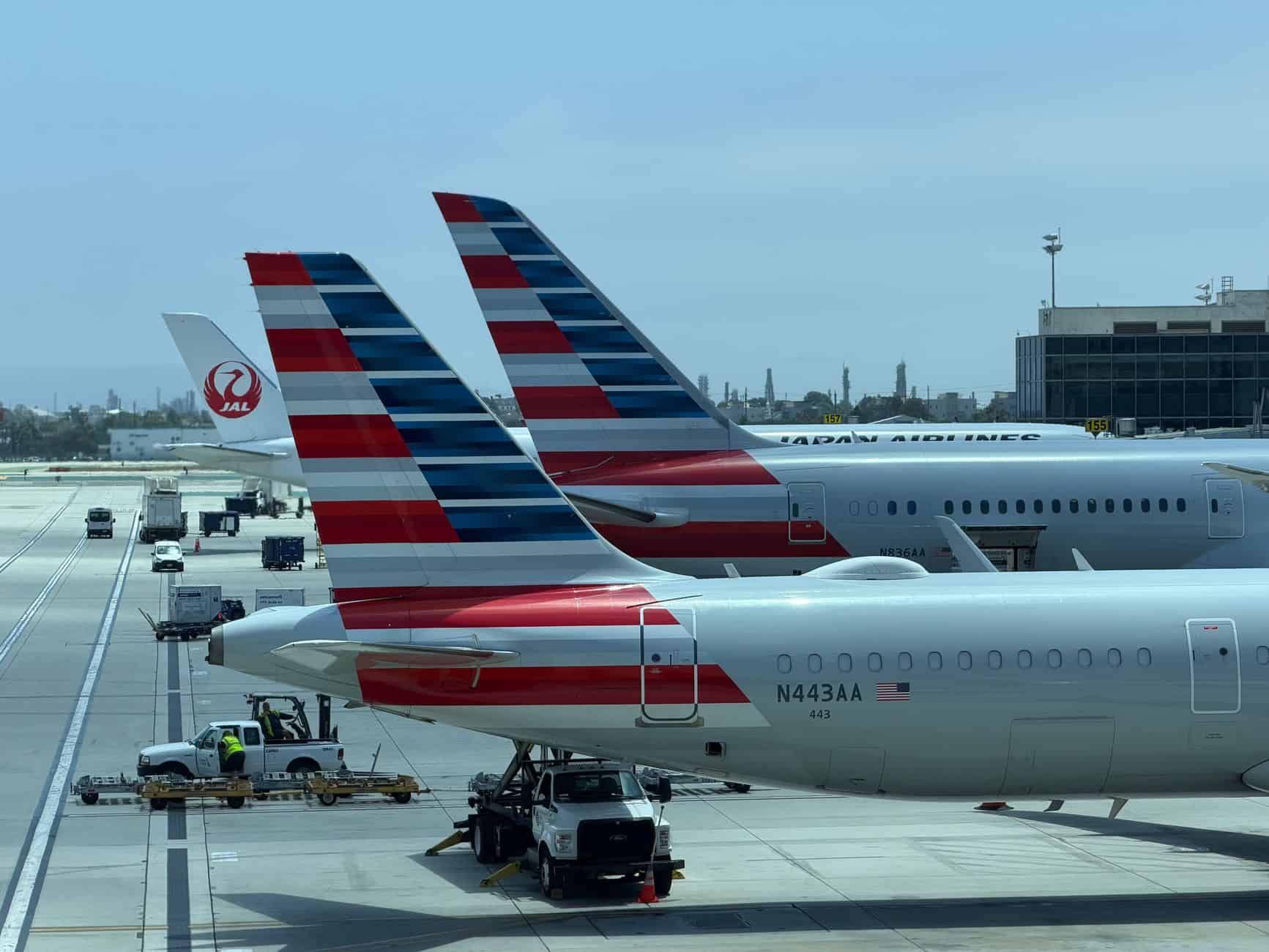
American AAdvantage is in a strange place. The program has real value — particularly for international business class redemptions on Oneworld partners like Cathay Pacific, Qatar Airways, and British Airways — but accessing that value requires knowing the program well and being flexible.
- Qatar Airways Qsuites (widely considered the world’s best business class product) are bookable on AAdvantage miles at reasonable rates when availability opens
- Cathay Pacific first and business class to Asia can be exceptional value
- Domestic and short-haul redemptions through American itself are poor value relative to competitors
AAdvantage is a program for travelers who understand partner sweet spots and are willing to work for good redemptions. It is not a set-it-and-forget-it program.
Southwest Rapid Rewards: The Hidden Champion
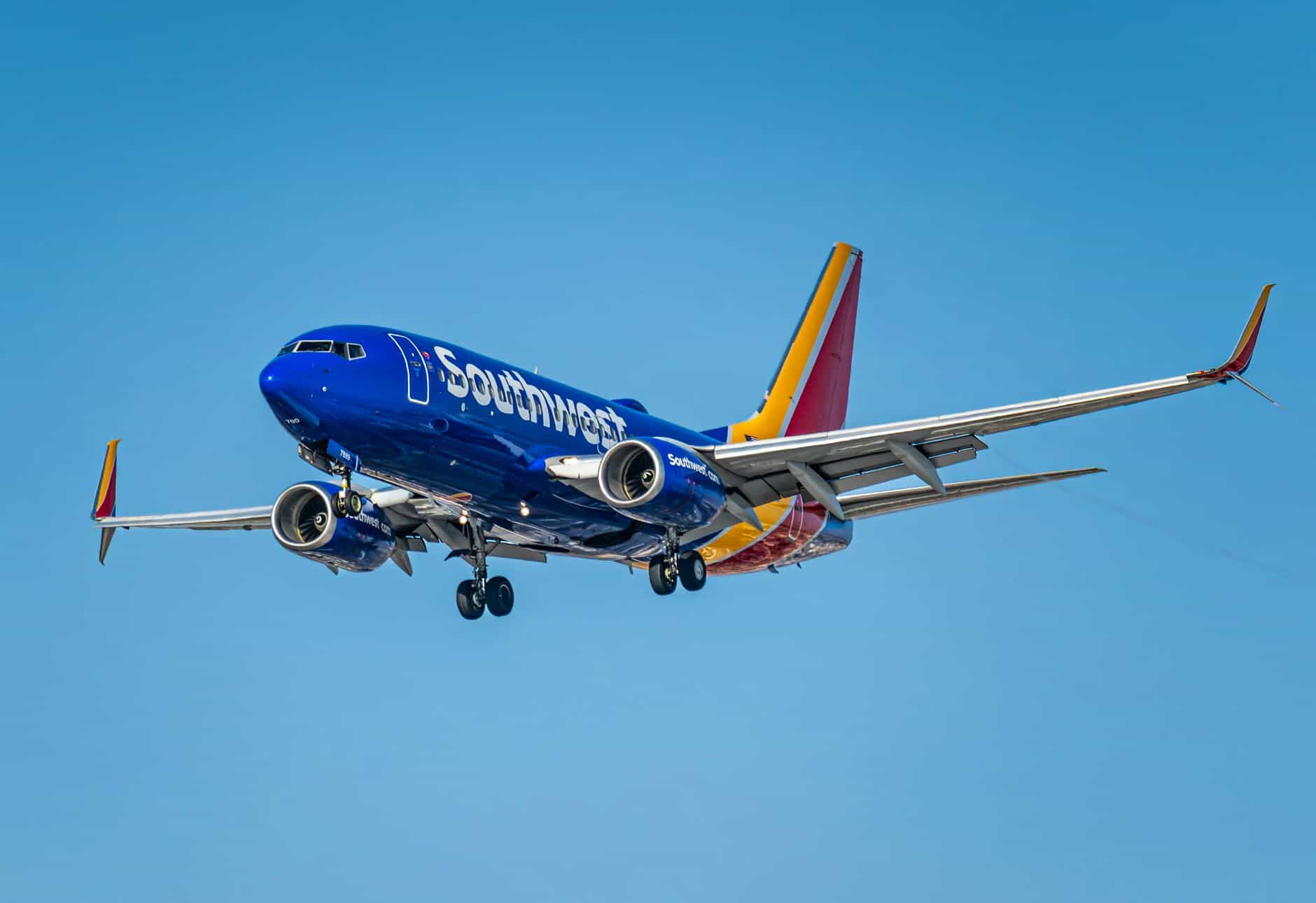
Southwest Rapid Rewards is, in many ways, the most honest loyalty program in American aviation. And it’s wildly underrated by the frequent flyer community because the community skews heavily toward premium international travel — Southwest’s strengths lie elsewhere.
- Why Rapid Rewards actually deliversPoints have a fixed value (approximately $0.016 per point) and redeem directly for the cash cost of any available seat, with no blackout dates and no award availability games. If the seat exists, you can book it with points.
- The Companion Pass is extraordinaryEarn 135,000 Rapid Rewards points in a calendar year and a designated companion flies free with you on every flight for the rest of that year and all of the following year. For couples or families who fly frequently, the Companion Pass can be worth $1,000–$3,000+ annually.
- The limitationSouthwest doesn’t fly internationally (except a few Caribbean and Mexico destinations) and doesn’t serve all markets. If you need to get to Asia or Europe, Southwest doesn’t help.
Alaska Mileage Plan: The Sleeper Pick for 2026
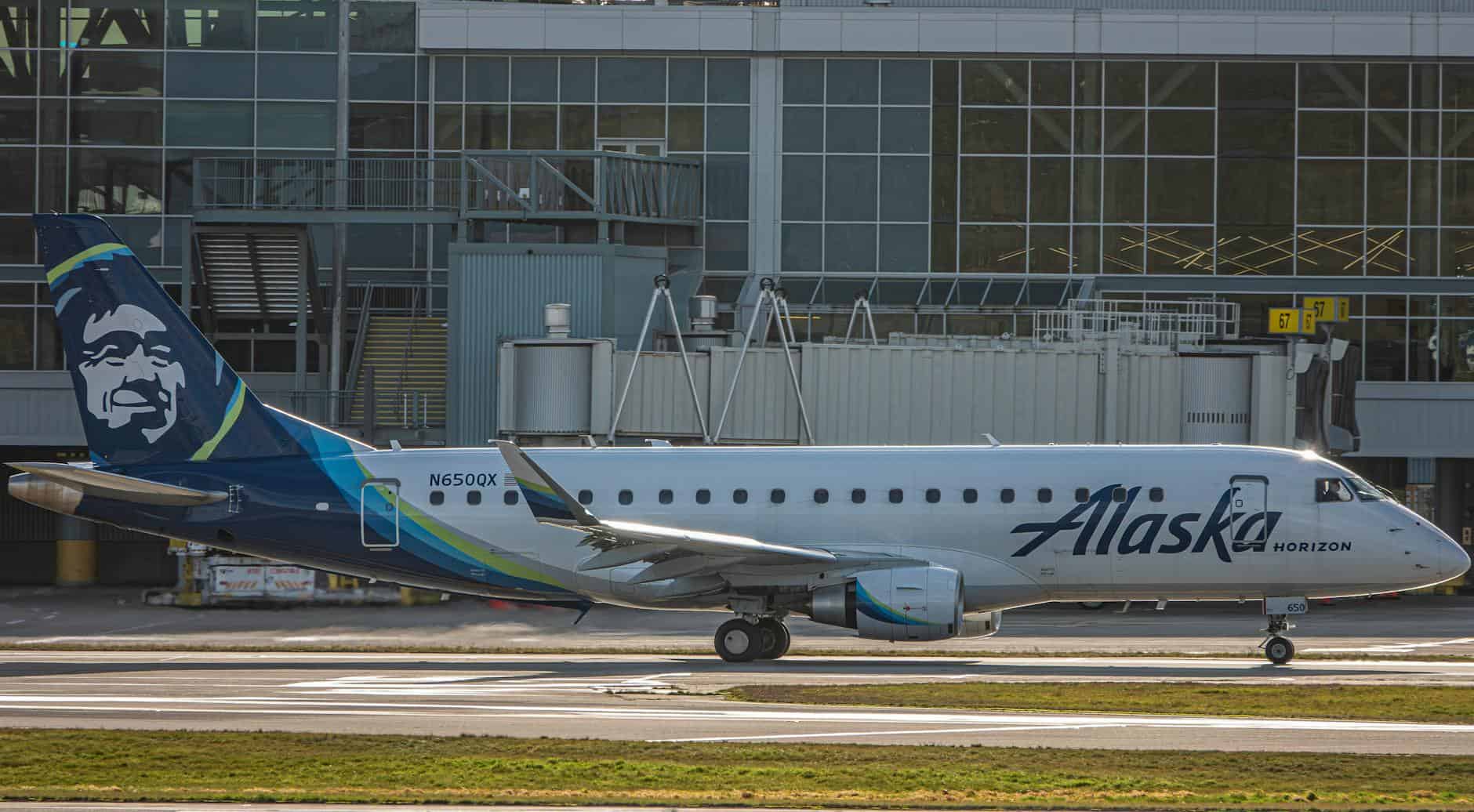
Alaska Mileage Plan remains one of the most strategically valuable programs in the country, particularly for travelers who live in the Pacific Northwest or California and are interested in international premium cabin travel.
- Alaska partners with an unusually broad set of airlines, including Cathay Pacific, Japan Airlines, British Airways, Finnair, and Icelandair
- The Asia routing through partners remains one of the best redemptions in American loyalty programs
- Alaska miles can be earned through Bank of America travel cards and transfer partners
- Status is achievable at lower thresholds than Delta or United
Alaska is the program most frequently recommended by travel hackers who have examined all options dispassionately. It’s not flashy. It doesn’t have the brand recognition. It consistently delivers.
The Credit Card Question That Changes Everything
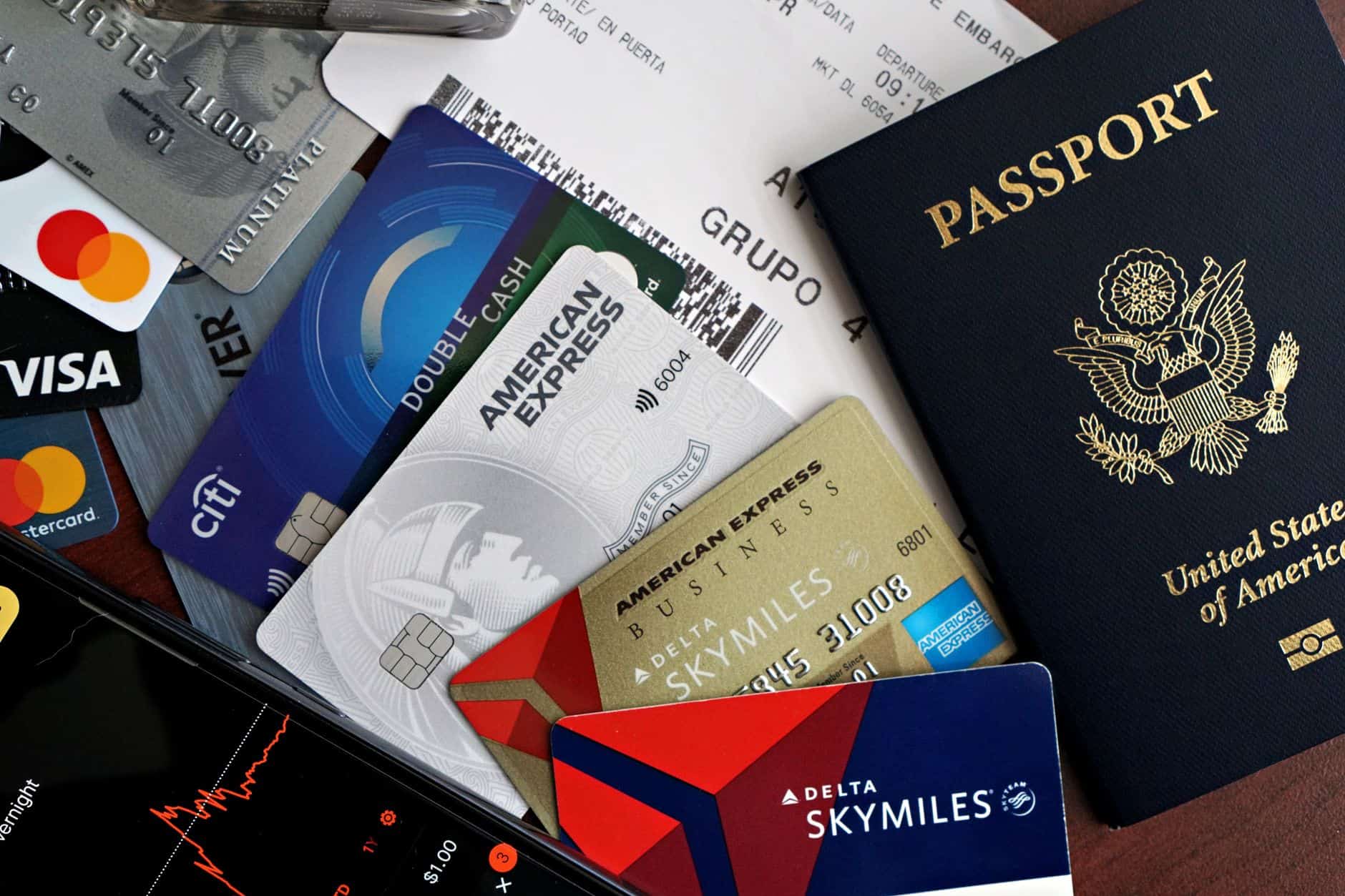
For most travelers, the most important loyalty program decision isn’t which airline to fly — it’s which credit card to carry.
Transferable points currencies (Chase Ultimate Rewards, American Express Membership Rewards, Capital One Venture Miles, Citi ThankYou Points) are more flexible than airline-specific miles because they can be redirected to whatever program has the best availability for your specific trip.
- Chase Ultimate Rewards (Sapphire Preferred/Reserve)Transfers to United, Hyatt, Southwest, British Airways, and others. The Hyatt transfer alone makes this worth carrying for hotel redemptions. Chase consistently rates as the best overall transferable currency for most travelers.
- American Express Membership Rewards (Gold, Platinum, Green)Transfers to Delta, British Airways, ANA, Air France/KLM Flying Blue, and others. ANA transfers for First Class to Japan are legendary among points enthusiasts. High annual fees on Amex premium cards, but the credits and benefits offset them if used.
- Capital One VentureLower annual fee, simpler earning, transfers to Air Canada Aeroplan (excellent for Star Alliance), Turkish Miles&Smiles, and others. Underrated for people who want flexibility without the complexity of Chase/Amex systems.
The Honest Verdict for 2026
- Best overall program for most travelersSouthwest Rapid Rewards, if you fly domestically. No games, fixed value, the Companion Pass is genuinely extraordinary.
- Best program for international premium travelAlaska Mileage Plan for Pacific routes. AAdvantage for Oneworld premium partners. United MileagePlus for Star Alliance.
- Best credit card strategyChase Sapphire Reserve or Preferred as your base, earning transferable points that you redirect to the best program for each trip.
- Who should quit DeltaAnyone not captive to a Delta hub who has been accumulating SkyMiles hoping for the program to turn around. It hasn’t. Redirect your spending.
Loyalty programs are not charities. They are sophisticated financial products designed to change your behavior in ways that benefit the airline. The ones worth keeping are the ones where the behavior they’re incentivizing is behavior you’d have chosen anyway — and the rewards are real enough to justify it.