The Beach Locals Actually Go To — One Underrated Gem Per U.S. Region
We may earn money or products from the companies mentioned in this post. This means if you click on the link and purchase the item, I will receive a small commission at no extra cost to you ... you're just helping re-supply our family's travel fund.
A friend of mine grew up in Myrtle Beach. She hasn’t been to the main stretch in years. Too many people, too much concrete, $40 to park. She drives 45 minutes north to a town you’ve probably never heard of and spends the day on a beach that looks exactly like what Myrtle Beach looked like in the 1970s, before it became the vacation equivalent of a strip mall.
Every coastal region in the U.S. has this dynamic. The famous beach and the real beach. The one that got popular and the one where locals retreated when it did. We talked to residents, consulted local subreddits, and did the research that the big travel sites haven’t because they’re too busy writing about the same five beaches every summer.
Here are the beaches where the locals actually go.
Why the Famous Beaches Aren’t Worth It Anymore
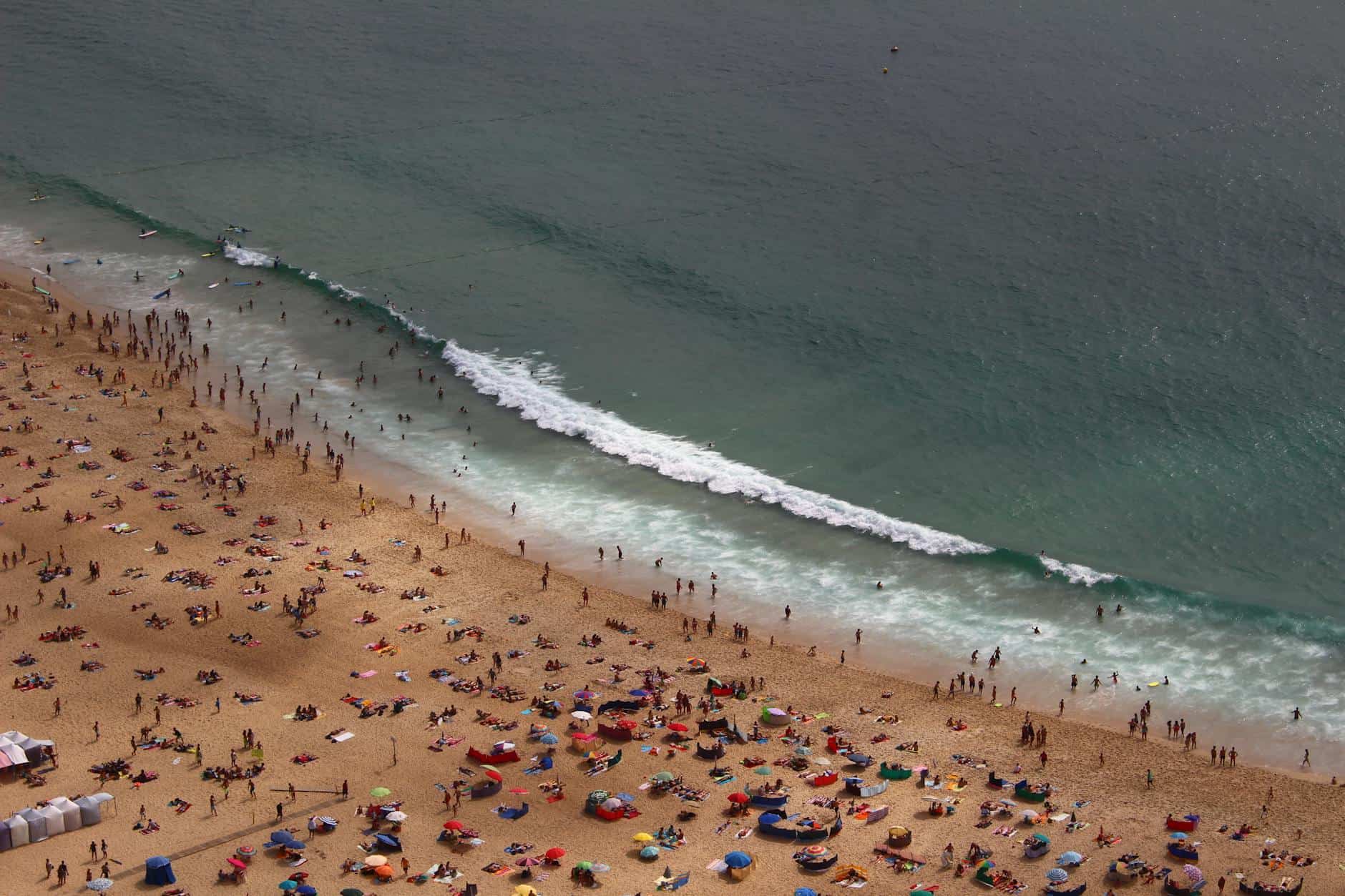
The famous beaches are famous for a reason — at some point, they were genuinely exceptional. But popularity has a corrosive effect on beach experiences:
- Parking lots that fill before 9 AM and charge $40–$60/day
- Concession stands and rental operations that have colonized every inch of the shoreline
- Water quality issues in high-traffic areas
- Accommodation prices that have grown 200–400% in 10 years as AirBnb and vacation rental demand increased
- The actual beach experience — towel space, noise level, water clarity — that has degraded proportionally
The good news: most of the country’s best beach towns are 20–60 miles from the famous ones, are accessible without reservations or premium parking fees, and look more like what everyone originally came to the famous ones to find.
New England: The Maine and Cape Alternatives
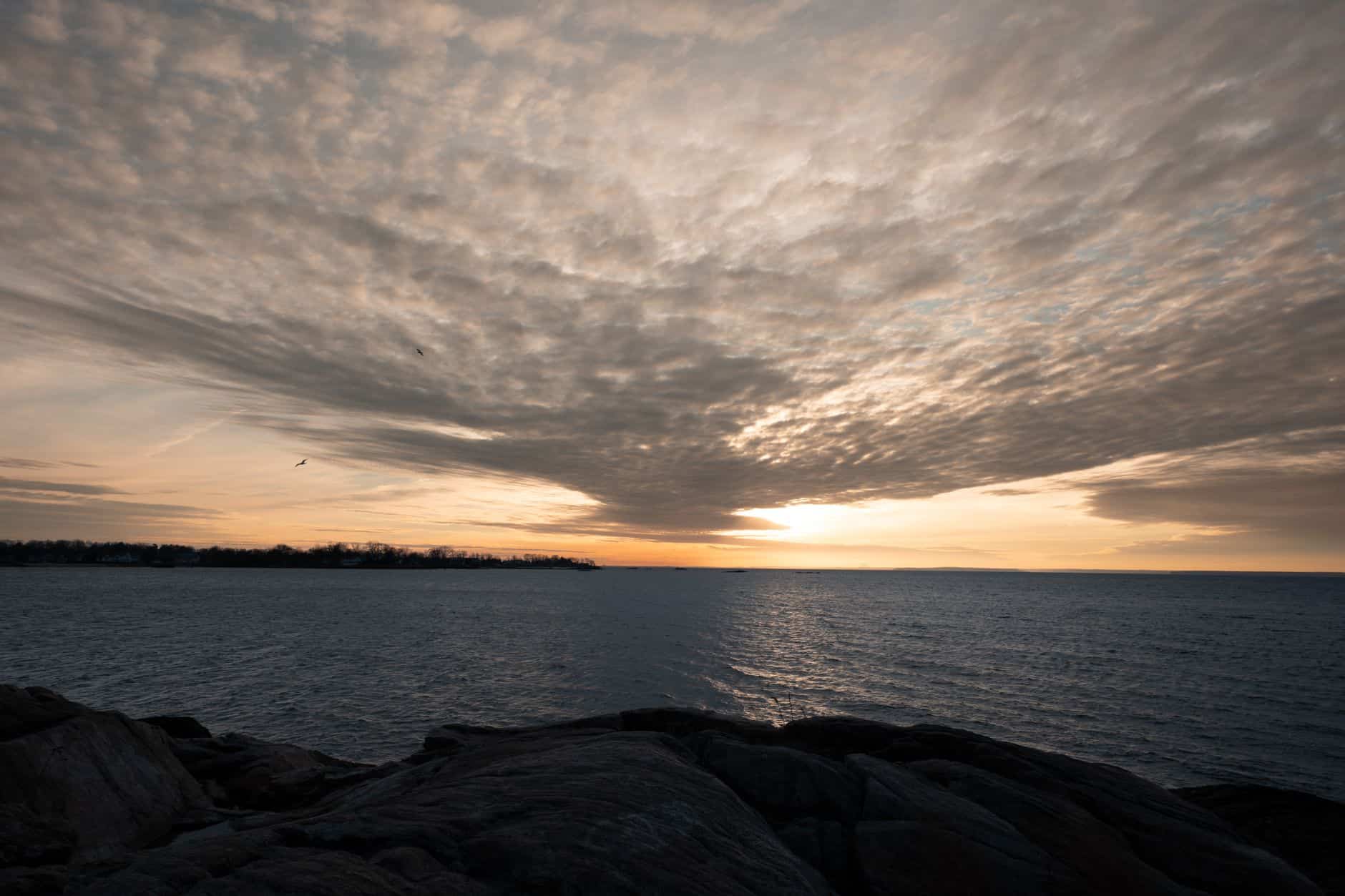
- Ogunquit Beach, Maine → Try Scarborough Beach State ParkOgunquit is beautiful and deservedly popular. Scarborough Beach, about 50 miles north near Portland, has the same dramatic Maine coast scenery, better facilities, and a fraction of the summer crowd. The water is still cold (this is Maine), but the beach itself is wide, sandy, and backed by dunes. A state park parking pass covers entry.
- Cape Cod → Try Horseneck Beach, Westport, MAHorseneck Beach in Westport, Massachusetts is one of the best-kept secrets on the South Shore. Two miles of sandy barrier beach, direct Atlantic exposure, strong surf (popular with bodyboarders), and parking that doesn’t require an act of Congress to obtain. South of the Cape Cod tourist belt, it attracts mostly locals.
- Newport, Rhode Island → Try Second Beach (Sachuest Beach)First Beach in Newport (Easton’s Beach) gets the tourists. Second Beach, about 3 miles east in Middletown, is better in almost every respect — wider, cleaner, better waves, surrounded by the Norman Bird Sanctuary — and significantly less crowded.
The Mid-Atlantic: Better Than the Jersey Shore
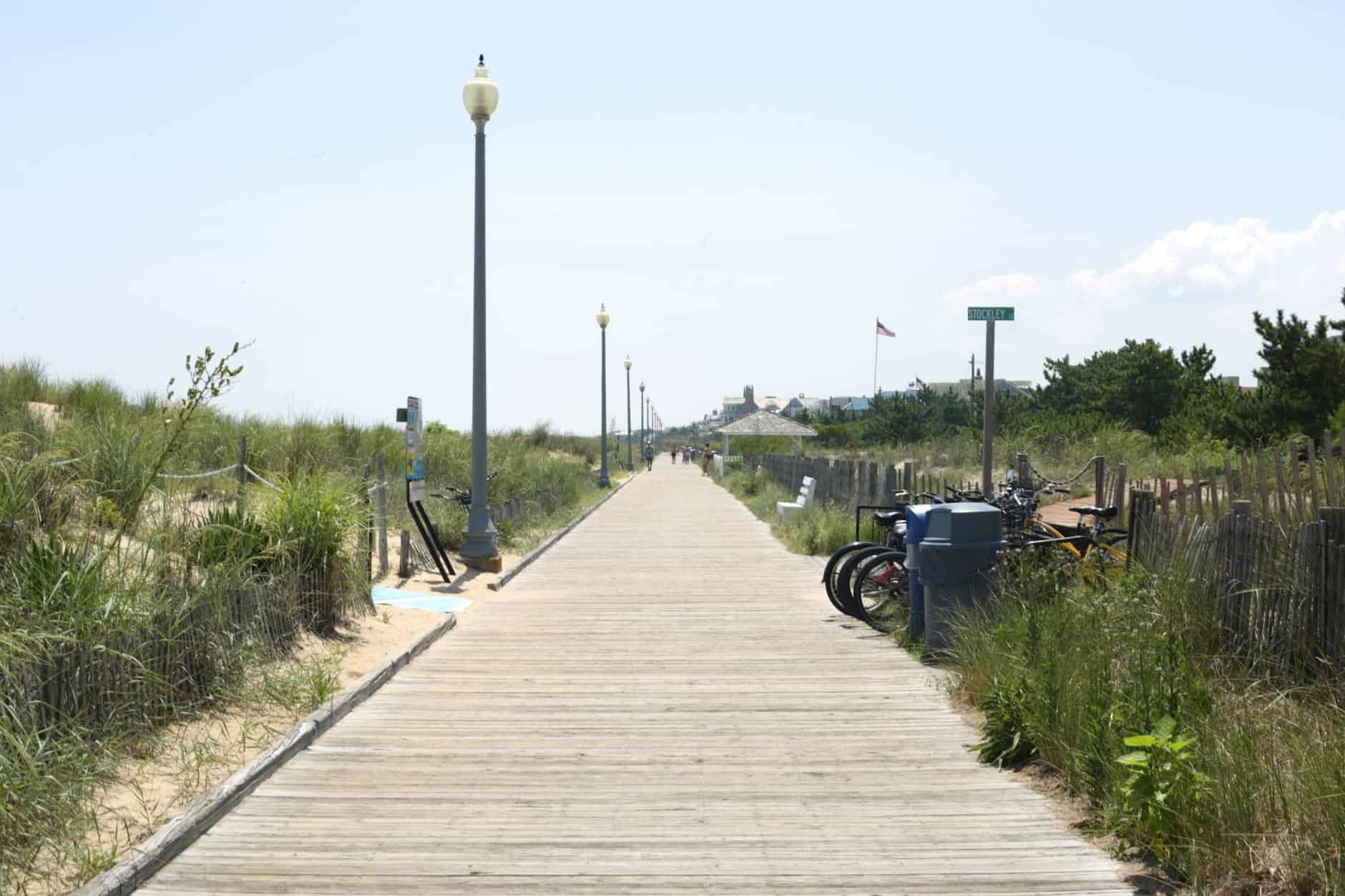
- Wildwood / Ocean City, NJ → Try Cape Henlopen State Park, DelawareDelaware has no sales tax and almost nobody writes about its coastline. Cape Henlopen State Park, near Lewes, has 5 miles of beach, towering sand dunes, a historic WWII Fort Miles, and a pier. Entry is $10 per vehicle. The beach is significantly less crowded than any NJ shore town on a summer weekend.
- Virginia Beach → Try Assateague Island National SeashoreAssateague straddles the Virginia-Maryland border and is famous for its wild ponies — feral horses that have lived on the island since the 1600s. No development, no concession stands colonizing every foot of sand, and some of the best undeveloped coastline on the East Coast. The ponies do walk through the campsites, which is either magical or alarming depending on your experience with large animals.
The Southeast: What Locals Do Instead of Myrtle Beach
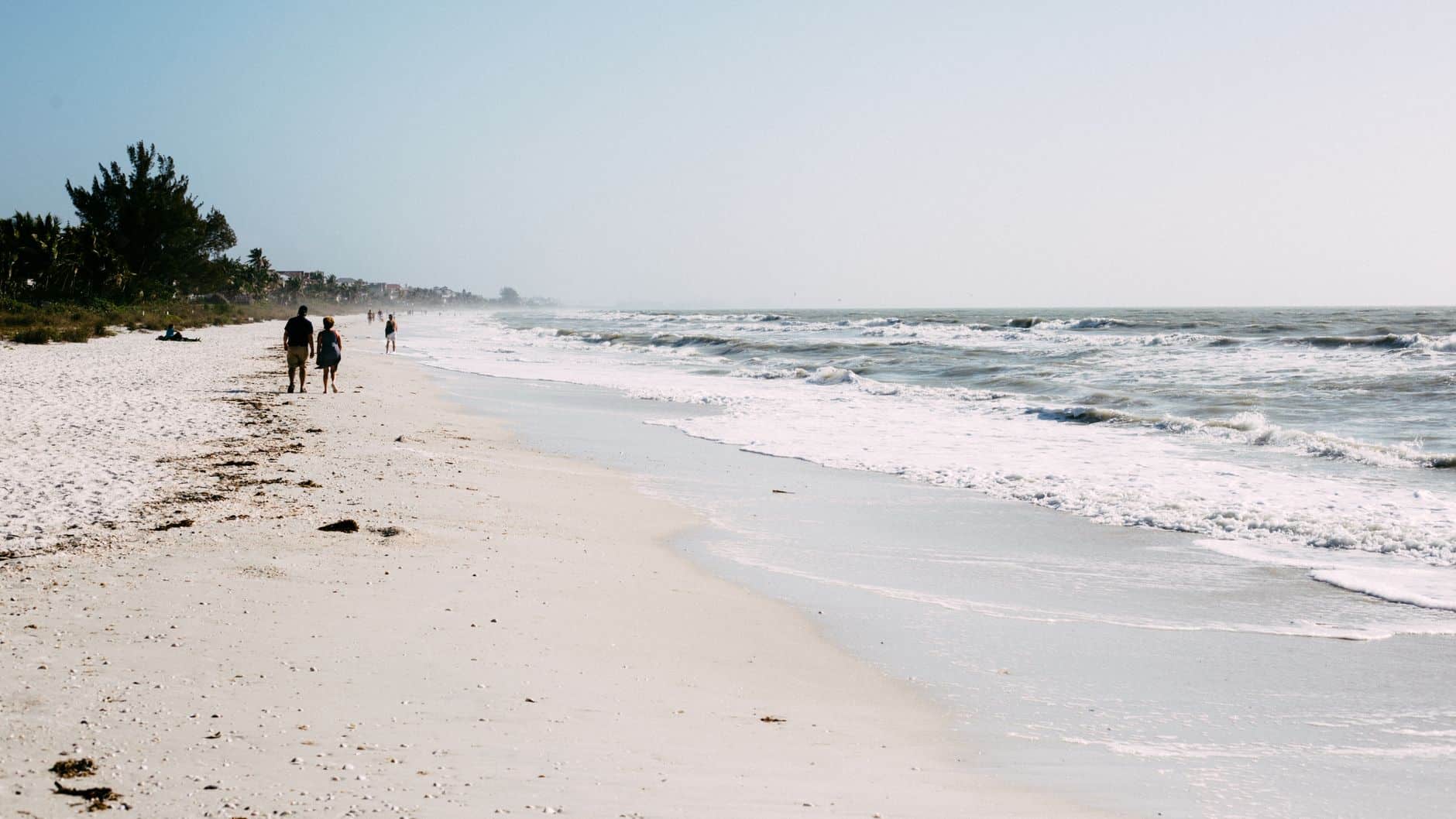
- Myrtle Beach, SC → Try Huntington Beach State ParkThirty miles south of Myrtle Beach, Huntington Beach State Park is consistently rated one of the best state parks in the country. Three miles of beach with almost no commercial development, a historic Moorish castle (Atalaya) you can tour, and extraordinary birding along the freshwater lagoon behind the beach. $8 entry fee. Miles better than the main strip.
- Miami Beach → Try Matheson Hammock ParkMatheson Hammock, in Coral Gables, has an atoll pool — a man-made tidal pool that flushes naturally with Biscayne Bay — that makes it safer and calmer for families than the open Atlantic beaches. The beach is small but genuinely beautiful, the parking is cheap, and it’s surrounded by the largest remaining stand of virgin hardwood trees in Miami-Dade County.
- Panama City Beach → Try Cape San Blas, FLCape San Blas is the answer when people ask where to go in the Florida Panhandle without the spring break circus. Pristine white sand and turquoise water (same geology as the famous “Emerald Coast” beaches, same color) with a fraction of the development. The Cape is a preserved barrier peninsula with no high-rises, no neon, and a 60-mile drive from Panama City.
The Gulf Coast: Where to Go Instead of Destin
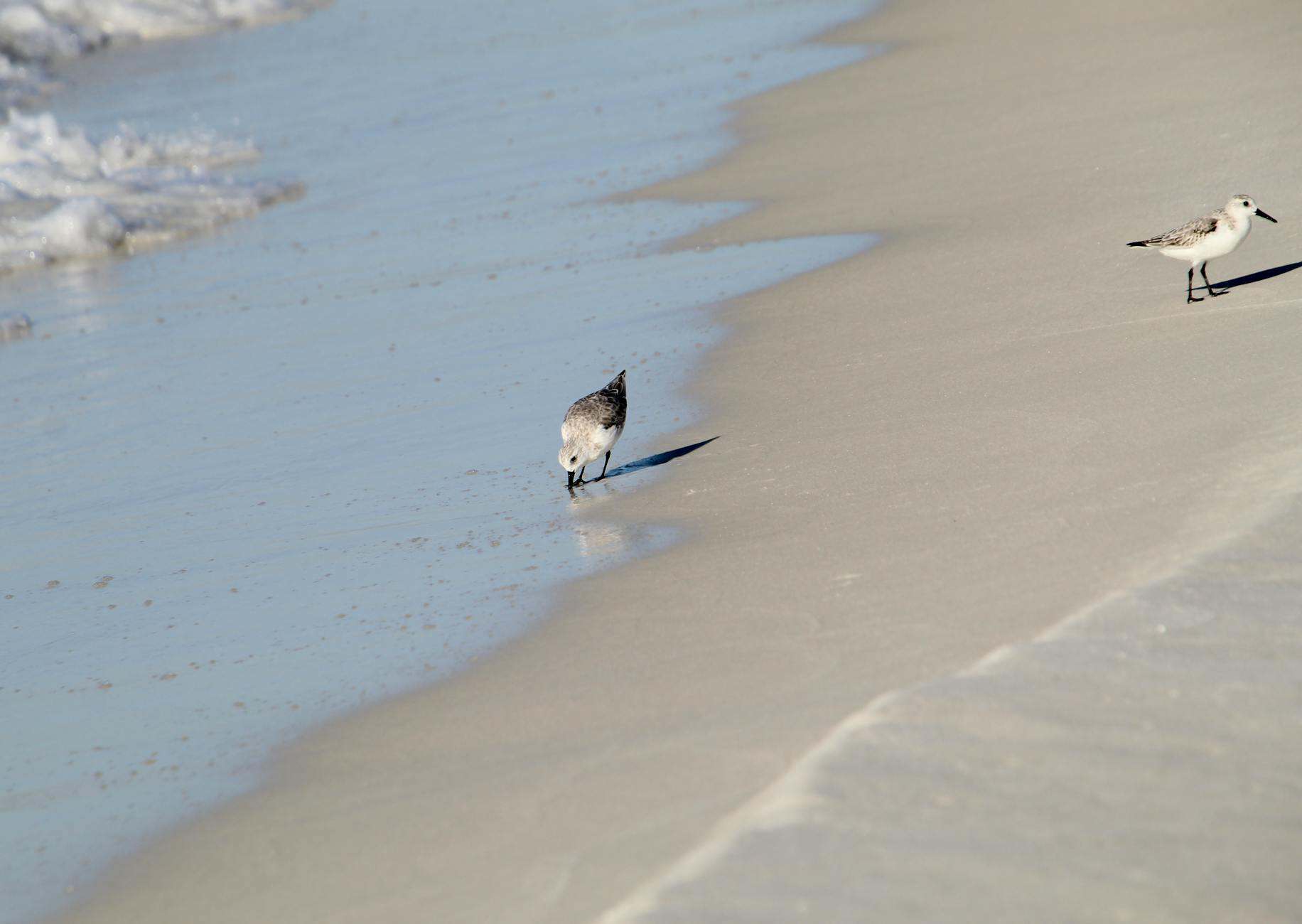
- Destin, FL → Try Fort Morgan, AlabamaFort Morgan sits at the end of a 22-mile-long barrier peninsula in Alabama, accessible only via the peninsula road or the Gulf Shores ferry. The beach on the Gulf side is identical in quality to Destin’s famous white sand — same quartz crystal composition, same emerald water — but the distance from the main tourist corridor keeps it dramatically less crowded. The ferry from Dauphin Island makes it a genuine adventure.
- Galveston, TX → Try Crystal Beach (Bolivar Peninsula)Bolivar Peninsula, accessible via a free ferry from Galveston, has miles of relatively undeveloped Texas Gulf Coast. Crystal Beach is the main community — unpretentious, local, with some of the best beachfront fishing and crabbing on the Texas coast. Not Instagram-famous. Genuinely good.
The Pacific Northwest and Northern California
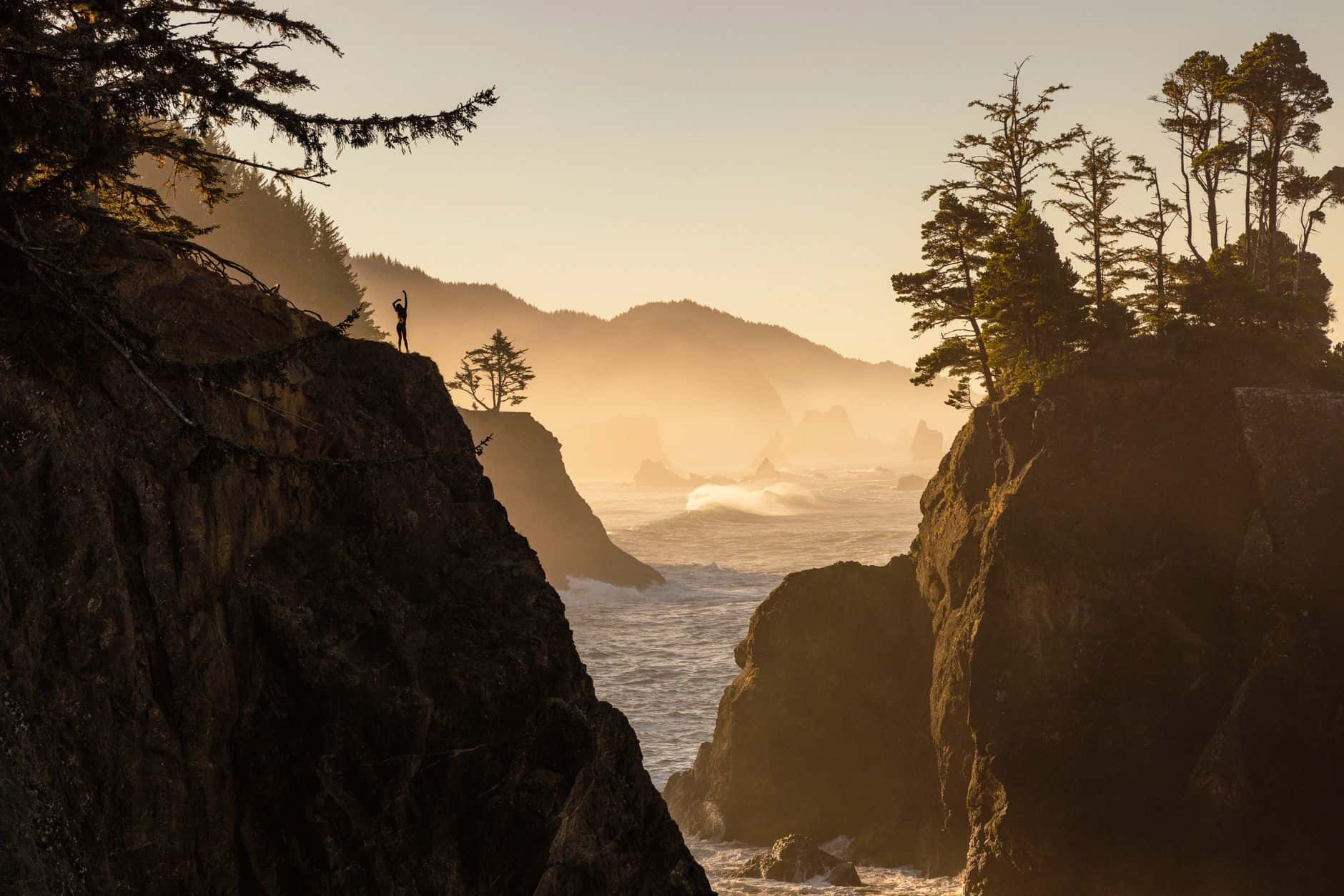
- Cannon Beach, OR → Try Manzanita, ORCannon Beach, with its famous Haystack Rock, is gorgeous and overrun with tourists on any summer weekend. Manzanita, 20 miles south, has seven miles of beach backed by Neahkahnie Mountain, a good bookstore, excellent local dining, and almost no one from Portland knows about it (except the people who live there).
- Northern California → Try Point Reyes National SeashorePoint Reyes is technically known but wildly underused relative to its quality. Drakes Beach and Limantour Beach within the national seashore have dramatic coastal scenery, frequent tule elk sightings, and good tide pool access. The fog can be intense (it’s the North Coast) but on clear days, this is some of the most spectacular coast in the U.S.
Southern California: Escaping the LA Beaches
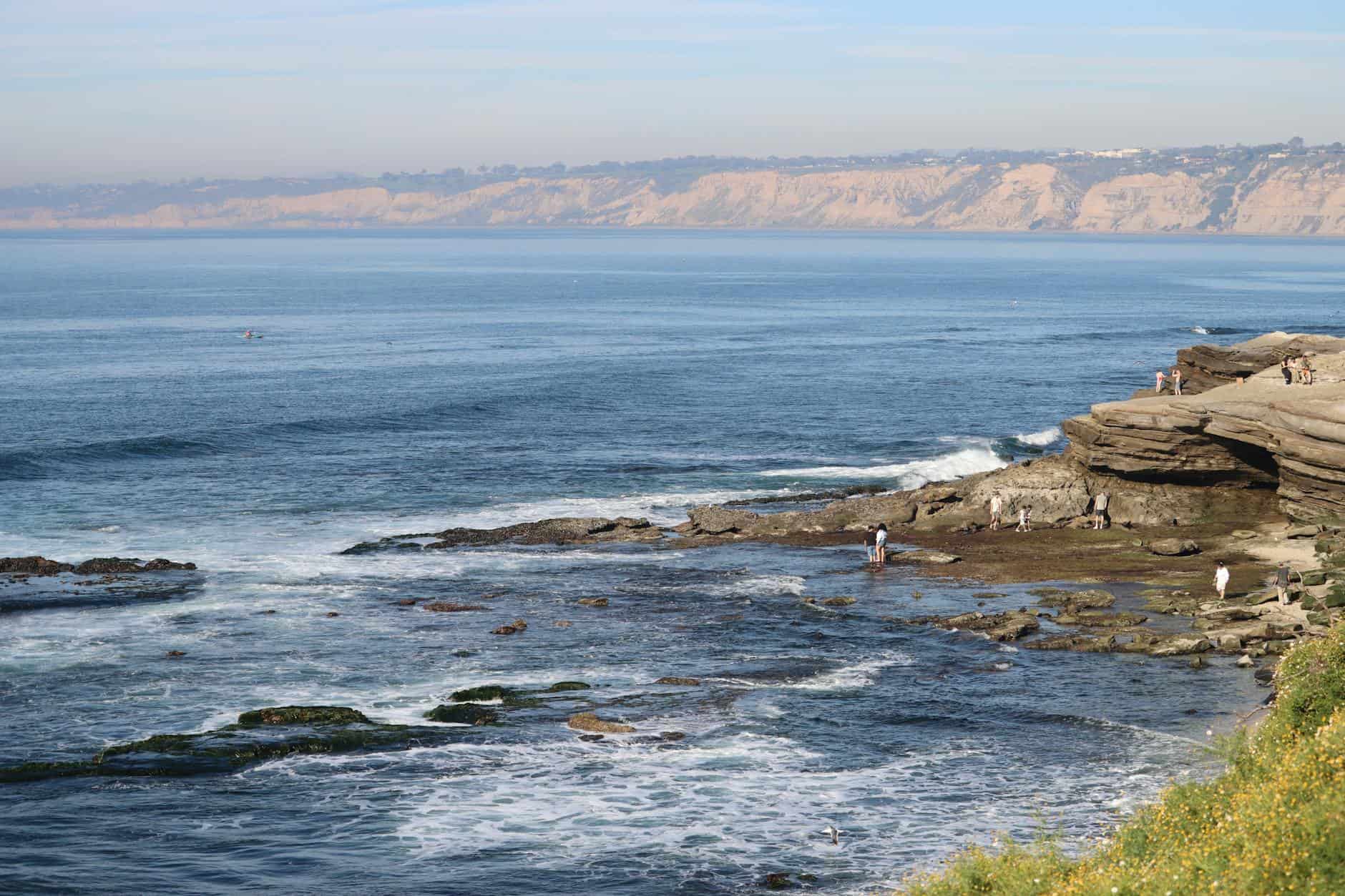
- Santa Monica / Venice → Try El Matador State Beach, MalibuEl Matador is 35 miles up the Pacific Coast Highway from Santa Monica. The beach sits below dramatic sandstone bluffs, has sea caves and rock arches accessible at low tide, and the limited parking lot (about 30 cars) keeps crowds self-limiting. Arrive before 9 AM on weekends or prepare to wait. Worth it completely.
- San Diego → Try Black’s Beach, La JollaBlack’s Beach requires a hike down a cliff trail — which eliminates most casual visitors — and delivers arguably the most beautiful stretch of coastline in San Diego County. Dramatic cliffs, excellent surf, and a free-spirited local vibe. Check the trail conditions before you go; erosion occasionally closes portions.
Hawaii: The Islands the Tourists Haven’t Ruined
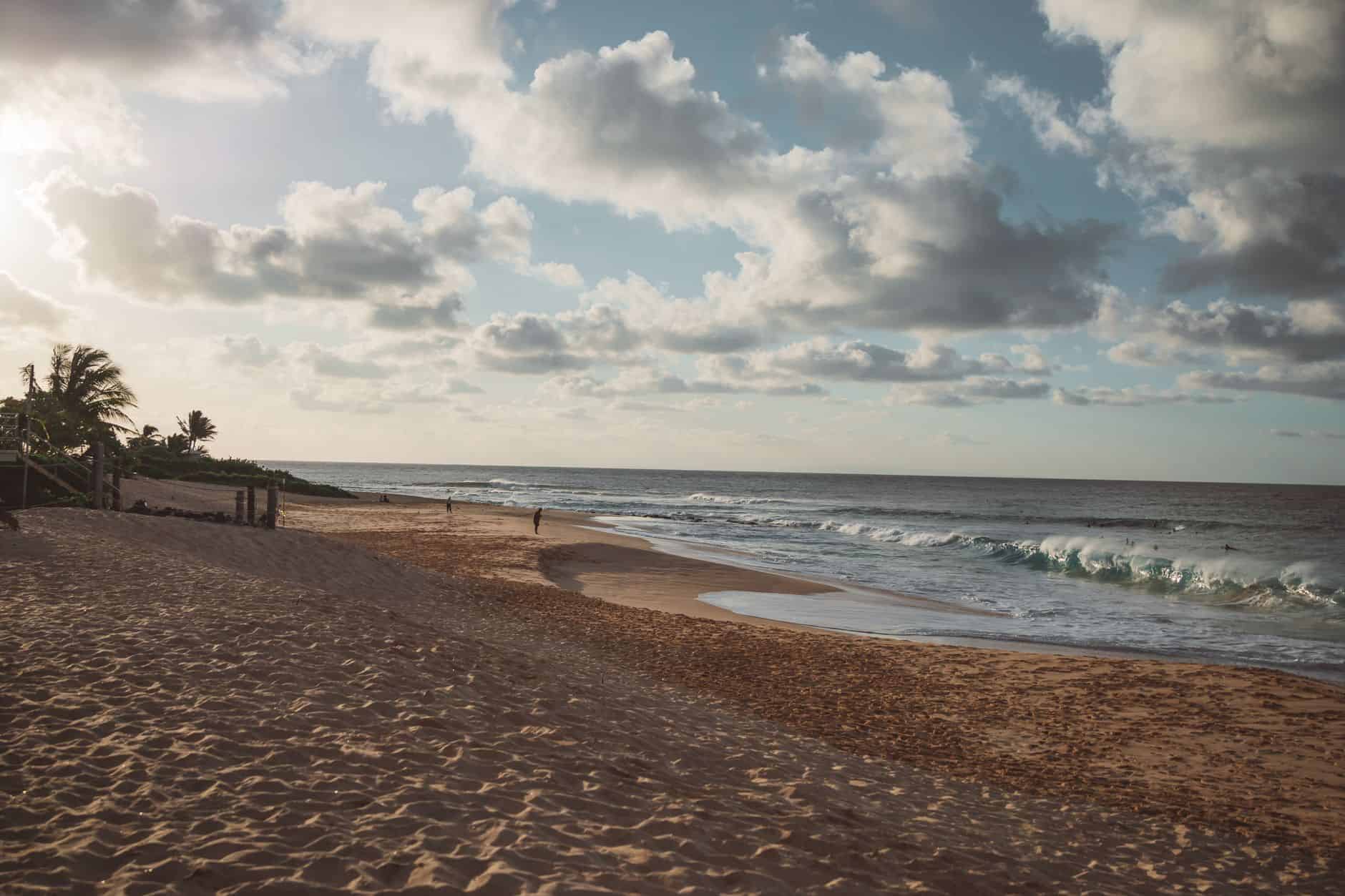
- Waikiki, Oahu → Try Lanikai Beach, KailuaLanikai Beach on the Windward side of Oahu is widely regarded by locals as the most beautiful beach in Hawaii. Fine white sand, two small offshore islands (the Mokulua Islands), and a calm, protected bay. The neighborhood that fronts it is residential, access is via public beach paths, and parking is limited — all of which keeps it real.
- Big Island → Try Papakōlea (Green Sand Beach)Papakōlea is one of four green sand beaches in the world — its color comes from olivine crystals eroded from the surrounding cinder cone. It requires a 2.5-mile walk each way over rough terrain (or a local shuttle ride). The effort is worth it completely. There are no facilities, no concessions, and no way to stumble onto it accidentally.
- Maui → Try Hamoa Beach, HanaHamoa Beach is in Hana, which already filters out most tourists by sheer distance. The beach is a half-moon of volcanic sand protected by a rock headland — lush green cliffs behind, deep blue Pacific in front. James Michener once called it the most beautiful beach in the world. Make of that what you will.
How to Find the Local Beach Wherever You Go
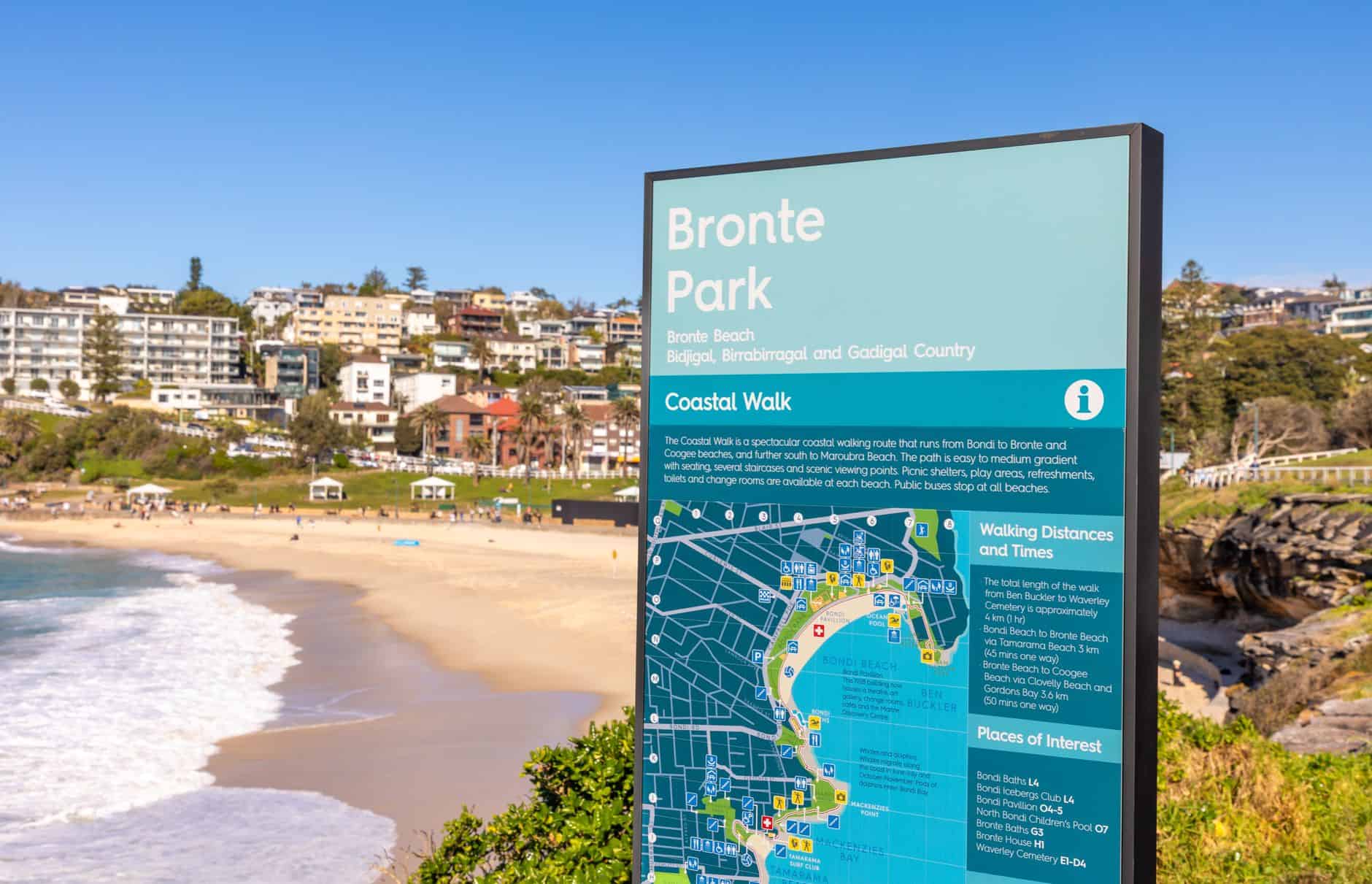
The methodology for finding the real beach is consistent regardless of destination:
- Search “[city/region] locals beach” on Reddit. The r/[cityname] subreddit almost always has threads where locals answer this exact question. The answers are honest and specific in ways no travel guide is.
- Look for state park beaches. State park beaches tend to be maintained, have entry fees that limit crowds, and are not developed commercially. They are almost always better than the adjacent famous beach.
- Find the beach with limited parking. Natural crowd control. The beach that only has 40 parking spaces will not have 4,000 people on it.
- Ask the Airbnb host. If you’re staying with a local, ask them point-blank: “Where do you actually go to the beach?” Most will tell you without hesitation.
The best beach experiences in America are not the ones in the travel brochures. They’re 20 minutes further down the road.