What Nobody Tells You About Travel After 60 — The Real Changes, the Surprising Upgrades, and the Hacks That Actually Work
We may earn money or products from the companies mentioned in this post. This means if you click on the link and purchase the item, I will receive a small commission at no extra cost to you ... you're just helping re-supply our family's travel fund.
My parents took their most adventurous trip — a 6-week overland journey through East Africa — at ages 67 and 64. They saw more, experienced more, and had more patience for the hard parts than they ever did taking the same style of trip at 40.
Travel after 60 has a reputation problem. It’s associated with cruises that never leave sight of the ship, tour groups that move at the speed of the least mobile member, and a general sense of retreat from the world rather than engagement with it.
That’s not the reality for the millions of active, healthy, curious travelers over 60 who are having some of the best travel experiences of their lives. But there are real changes, real considerations, and real strategies that make those experiences possible. Here’s the honest version.
What Actually Changes When You Travel Over 60

The honest list:
- Recovery timeA 14-hour overnight flight at 35 leaves you a little ragged; at 65 it can wipe out the first full day. Red-eye flights that felt like a smart cost-saving move become less appealing when the cost is half your first destination day. Building in arrival recovery time becomes a real consideration.
- Medication managementThe number of Americans on regular prescription medications increases dramatically after 60. Traveling with medications across time zones, across international borders (some medications are controlled substances in other countries), and for trips lasting weeks requires planning that younger travelers simply don’t face.
- Joint and mobility considerationsCobblestone streets that were charming at 30 are legitimately painful at 65 with knee issues. Walking distances between gates at international airports — CDG is famously brutal — require a level of stamina consideration that’s honest to acknowledge.
- Health event riskThe statistical probability of a health event during travel increases with age. This doesn’t mean don’t travel — it means plan for it with appropriate insurance, inform your travel companions of medical history, and have a clear protocol.
- SleepSleep quality tends to become more sensitive with age. Hotel rooms with thin walls, light gaps in curtains, and unfamiliar beds affect sleep more significantly post-60. Packing a sleep kit (eye mask, earplugs, white noise app) goes from optional to essential.
The Things That Get Genuinely Better

This is the part the travel industry undersells, probably because it doesn’t fit the “senior travel” marketing narrative.
- Schedule flexibilityPost-retirement or reduced-schedule travelers can go when they want. This means shoulder season travel, mid-week flights, and avoiding the school holiday surges that add 40–100% to the cost of travel for families. This single advantage saves thousands of dollars per trip and dramatically improves the experience.
- Patience and perspectiveThe 35-year-old who loses their composure at a flight delay is almost always envious of the 65-year-old who shrugs, pulls out a good book, and adjusts. Experience with life’s larger disruptions tends to make travel’s minor ones feel genuinely minor.
- Financial capacityPeak earning years are typically in the 50s and 60s. Retirement savings have compounded. Kids are off the payroll. For many travelers, 60+ is the first time they’ve had both the time and money to travel the way they always wanted to. This is worth celebrating, not apologizing for.
- Knowing what you actually likeDecades of travel teaches you that you’d rather spend three days in one city properly than three days across four cities poorly. You’ve learned your pace. You’ve learned what you don’t enjoy. This self-knowledge produces dramatically better trips.
- Interactions with localsOlder travelers consistently report more meaningful interactions with locals in the places they visit. A couple in their 60s asking a shopkeeper about the neighborhood gets a different (and often richer) response than a 25-year-old with a camera.
Senior Discounts That Are Worth Real Money
The senior travel discount landscape is real and largely ignored by people who haven’t thought to look for it.
- AARP membership ($16/year)AARP’s travel benefits include discounts on hotels (10–30% at Marriott, Hilton, Best Western), rental cars (Hertz, Avis, Budget), Amtrak (10%), and dozens of attractions and tour operators. The membership pays for itself in one booking for most travelers.
- National Park Senior Pass ($80, lifetime)The America the Beautiful Senior Pass provides lifetime access to all 400+ national parks, monuments, and federal recreation areas for a one-time $80 fee. Regular annual passes cost $80/year. The math on the Senior Pass is extremely favorable for anyone who visits national parks even once every few years.
- Amtrak senior discount (10% off)Amtrak offers 10% off most fares for travelers 65+. On multi-day Amtrak journeys (which are legitimately excellent travel experiences), this adds up.
- Museum and attraction discountsMost museums, zoos, historic sites, and national attractions offer senior discounts of 20–40%. These are rarely advertised at the ticket window — always ask before paying.
- Airline senior faresThese are less common than they used to be (the big three U.S. carriers mostly discontinued them), but Southwest, Alaska, and some international carriers still offer senior fares on select routes. Worth checking directly with the airline.
- Cruise line senior discountsMost major cruise lines offer senior rates, particularly for early-booking cabins. Princess, Holland America, and Viking (popular with older travelers for their service standards) all have senior pricing programs.
The Health Preparation Most People Skip

This section is the one that most travel articles about senior travel either skip or treat superficially, and it’s actually the most important.
- Pre-trip medical consultationA visit to your primary care physician before any major international trip is worth the co-pay. Discuss: the destination’s health risks, vaccination requirements, managing your medications across time zones, and what symptoms or events should prompt seeking medical care abroad. This is not being overly cautious. This is being smart.
- Travel medicine specialistFor developing world destinations, a travel medicine specialist (most major medical centers have them) provides destination-specific vaccination recommendations and prophylactic medications that your GP may not know to suggest.
- Medication documentationCarry a medication list with generic names (not just brand names), dosages, and the prescribing physician’s contact information. Keep a copy in your carry-on and one with your travel companion. Some medications (particularly opioids, benzodiazepines, and certain stimulants) require a doctor’s letter for international transport.
- DVT prevention on long flightsDeep vein thrombosis risk increases with age. Compression socks, walking the aisle every 2 hours, staying hydrated, and avoiding alcohol on long-haul flights are all evidence-based prevention strategies. If you have known DVT risk factors, discuss aspirin or prescription options with your doctor before the trip.
How to Handle Long-Haul Flights After 60
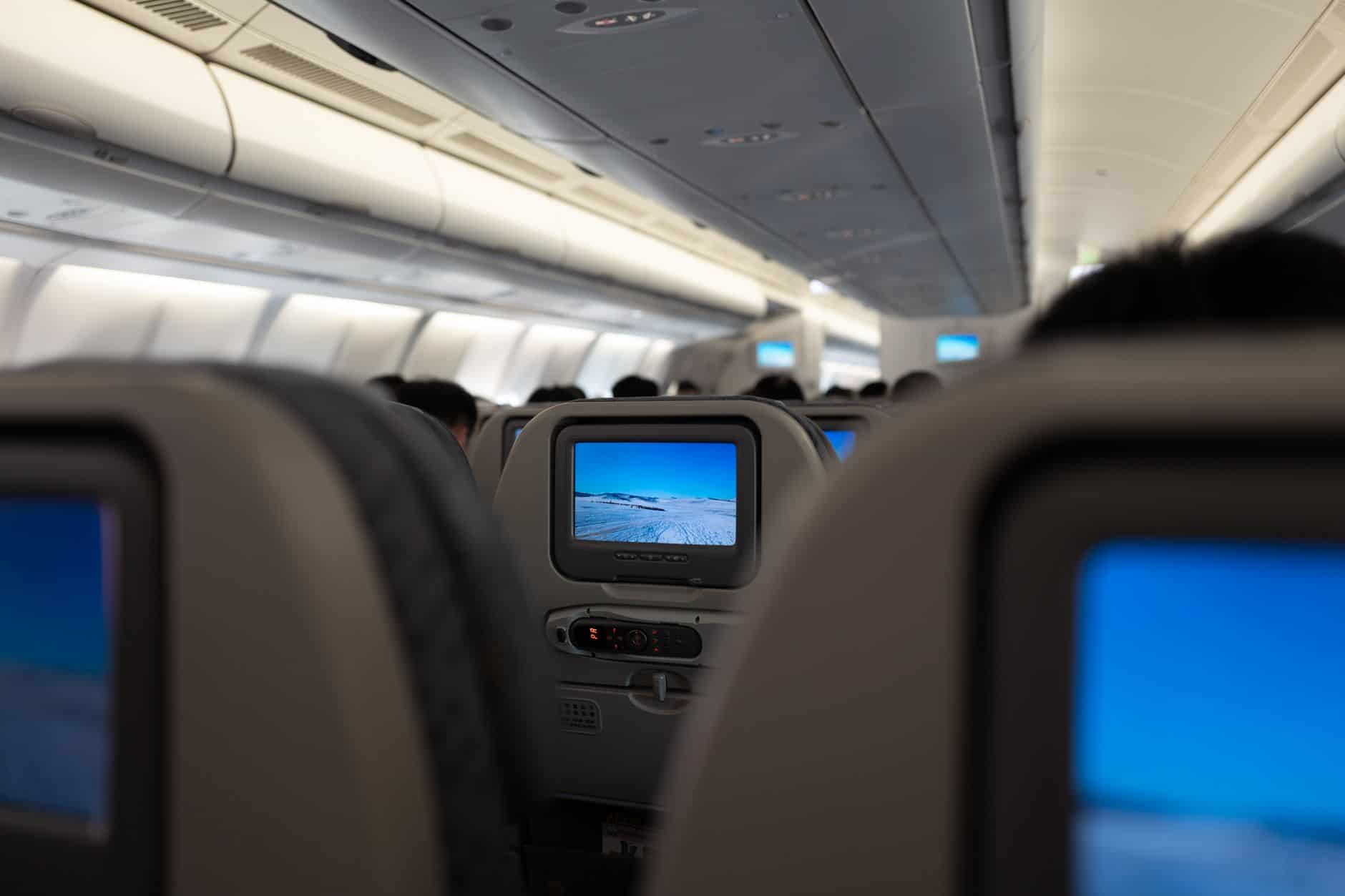
- The business class calculation changesAt 35, the extra cost of business class is hard to justify on a budget. At 65, the difference between arriving in Europe reasonably rested versus arriving wrecked is the difference between a functioning first day and a lost one. Factor the cost of a quality hotel night for recovery into your comparison — business class starts to pencil out faster than you’d think.
- Strategic seat selectionAisle seats for frequent bathroom access and the ability to stand without disturbing others. Bulkhead rows for legroom if your knees are an issue. Avoid the back rows near lavatories for noise and smell reasons.
- Melatonin for time zone adjustmentLow-dose melatonin (0.5–1mg, not the 10mg doses commonly sold) taken at the destination bedtime beginning 2 days before arrival and for 3 days after genuinely helps reset circadian rhythm. The research on this is solid.
- Hydration strategyAirplane cabin humidity runs 15–20% (dryer than most deserts). Drink a glass of water per hour on long flights. Avoid alcohol, which compounds dehydration. Bring moisturizer and eye drops.
The Travel Insurance Non-Negotiable

Travel insurance is optional at 28. It is not optional at 65.
The specific coverage you need:
- Medical coverage with evacuationInternational medical coverage of at least $250,000 and evacuation coverage of $500,000+. Medicare does not cover medical care outside the U.S. This is not a small gap.
- Pre-existing condition waiverMost comprehensive travel insurance policies exclude pre-existing conditions unless you purchase the waiver, which typically requires buying within 14–21 days of your initial trip deposit. Do not skip this if you have any ongoing health conditions.
- “Cancel for any reason” upgradeWorth the additional cost (typically 50% more than base policy) for longer or more expensive trips. Standard policies cover specific reasons; CFAR covers any reason, including “I don’t feel well enough to go.”
Reputable providers: Allianz Travel, World Nomads, IMG Global, and GeoBlue (specifically designed for international medical for Americans abroad). Compare policies at InsureMyTrip.com.
Trip Styles That Work Best Post-60
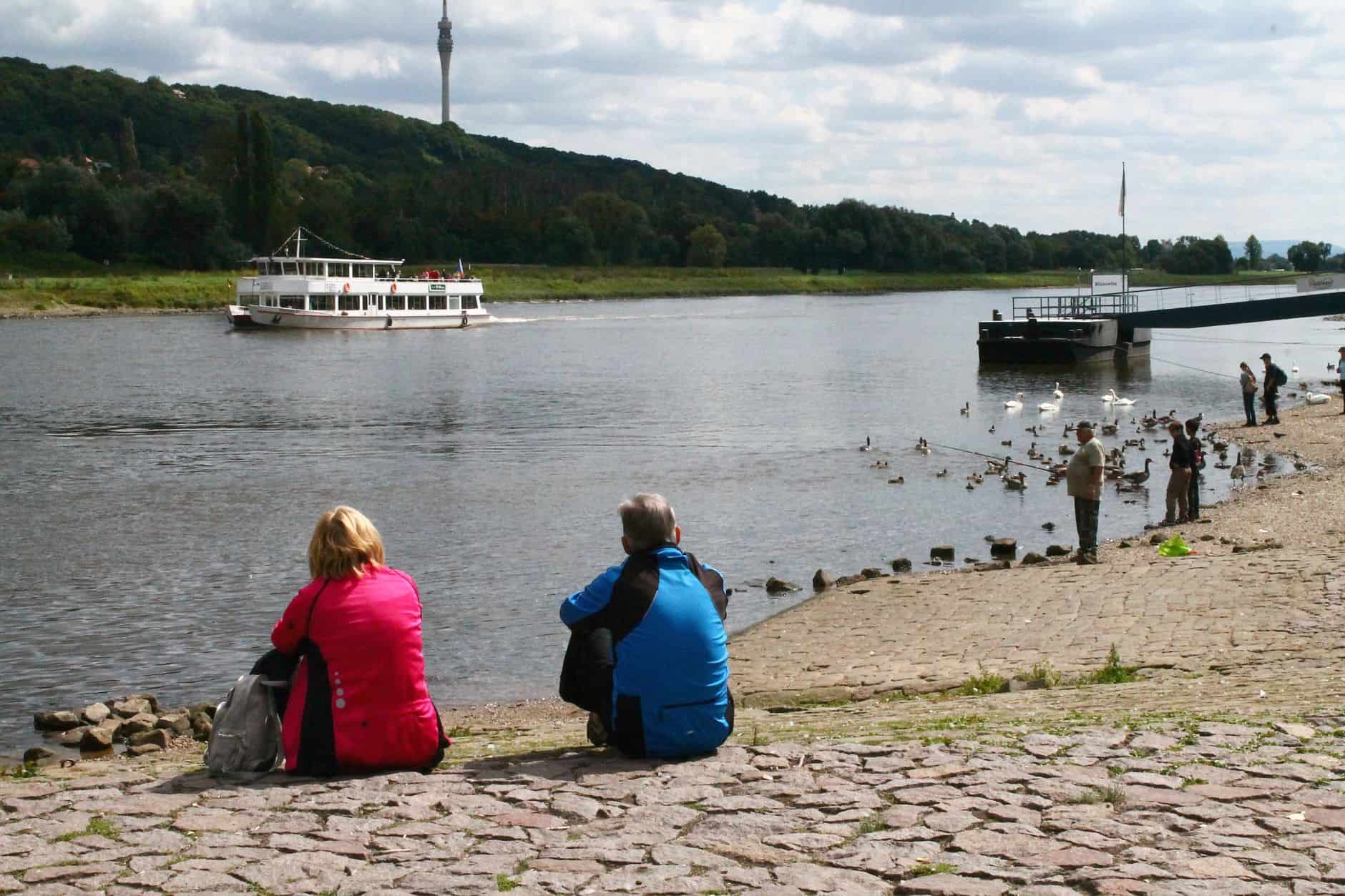
- River cruisingRiver cruises have earned their enormous popularity among travelers over 60 for good reason: you unpack once, the “ship” is never more than a few hundred yards from the dock, shore excursions are leisurely and guided, and the experience of floating through the Rhine or Danube valley is genuinely beautiful. Viking and Avalon are the most recommended lines.
- Small-ship expedition cruisingFor the more adventurous traveler, small-ship expeditions to Alaska, Antarctica, the Galápagos, or the Norwegian fjords offer world-class scenery and wildlife with the comfort of a ship. Companies like Lindblad, Hurtigruten, and Quark Expeditions specialize in these.
- Slow travel (mentioned elsewhere on this site)Staying 3–6 weeks in one location is particularly well-suited to post-60 travelers: no itinerary rushing, time to find your rhythm, comfortable apartment rental instead of hotel-hopping, and the depth of experience that comes from actually settling in.
- Escorted small-group toursRoad Scholar (formerly Elderhostel) and Overseas Adventure Travel specialize in educational, active travel for the 50+ market. Not your grandmother’s bus tour — these are legitimately challenging trips with strong intellectual and cultural components.
The Booking Strategies That Make a Difference

- Book direct for accessibility needs. If you need specific accommodations — ground floor room, roll-in shower, accessible transportation — book directly with the hotel or tour operator. Third-party booking sites handle special requests poorly.
- Use a travel agent for complex itineraries. Travel agents have largely given way to online booking for simple trips, but for complex international itineraries, multi-destination trips, and cruises, a good travel agent — particularly one specializing in senior or accessible travel — can save both money and mistakes.
- Travel in shoulder season. Flexibility is a superpower. Use it. March–May and September–November in most of Europe and the Americas offer 30–50% lower prices, smaller crowds, and more pleasant weather than peak summer.
- Consider the room, not just the rate. The $50 savings on a hotel without an elevator doesn’t look as good on the second night when the elevator’s absence is a practical problem. Match the accommodation to the reality of the trip.
Travel after 60 is not diminished travel. For many people, it’s the best travel they’ve ever done — more intentional, more resourced, more patient, and more genuinely curious. The toolkit just needs updating.