I Carry On for Every Trip. Here’s the Exact System — Bags, Items, and the Method That Never Fails
We may earn money or products from the companies mentioned in this post. This means if you click on the link and purchase the item, I will receive a small commission at no extra cost to you ... you're just helping re-supply our family's travel fund.
I haven’t checked a bag in four years. I’ve done a 3-week trip to Europe, a 2-week dive trip in the Philippines, and a 10-day family holiday — all out of a single carry-on and a personal item. I’m not a packing genius. I just found the system and stopped improvising.
Here it is.
Why Carry-On Only Changes Everything
Before the method, let’s establish what you’re actually getting from this:
- You save $35–$75 each way on checked bag fees (Spirit and Frontier push $100+ per bag)
- You are off the plane and at the cab/train/hotel while other passengers are staring at a carousel
- Your bag cannot be lost, damaged, or delayed by the airline
- On short-connection flights, you’re not gambling your itinerary on bag transfer time
- You can book last-minute flights without worrying about bag logistics
- You move faster everywhere — airports, trains, stairs, cobblestone streets in European cities not designed for giant suitcases
The constraint is real: you have to be intentional. The payoff is also real: once you’ve done carry-on only, you will feel almost physically annoyed at the idea of checking a bag.
The Bag That Makes or Breaks the System
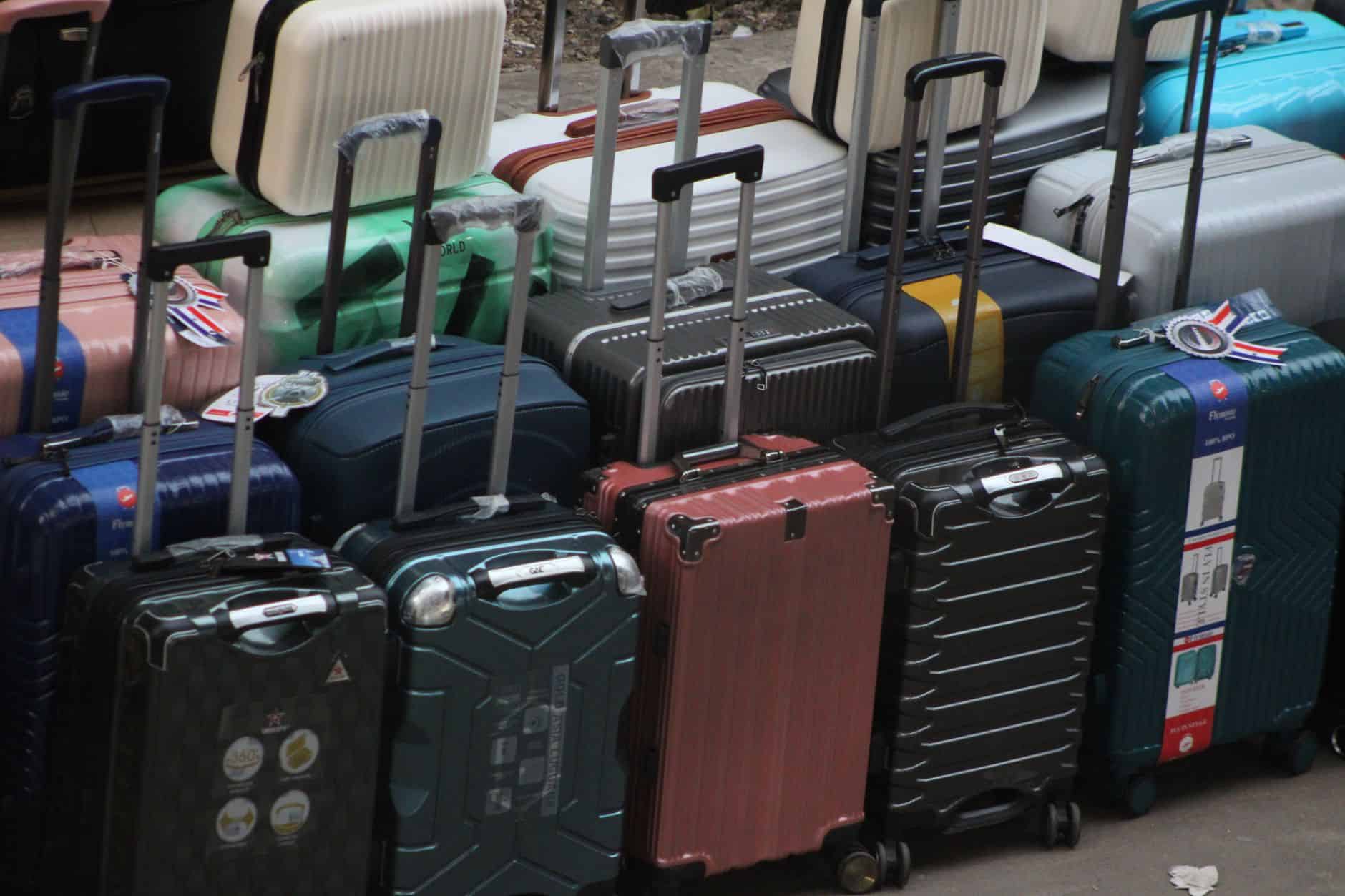
Your carry-on selection determines what’s possible. The parameters:
- The size matters more than you thinkThe U.S. “standard” carry-on limit is 22″ x 14″ x 9″. Many bags are sold as “carry-on” but are slightly too large for international carriers or smaller regional jets. If you fly internationally or on budget carriers, the overhead bin size is often smaller. A bag that’s IATA-compliant (21.5″ x 13.5″ x 7.5″) works virtually everywhere.
- Recommended bag: Away The Carry-On or Monos Carry-OnBoth come in polycarbonate hard-shell, expand slightly for packing, have 360-degree spinner wheels, and are sized to fit virtually every overhead bin. The Away has a built-in USB battery for charging. Both run $225–$295. They’re worth it for frequent travelers — cheap bags break faster than you’d hope.
- The soft-sided alternative: Osprey Farpoint 40 or Tom Bihn Aeronaut 45For travelers who prefer soft-sided bags (they fit irregular spaces better and compress to go under a seat), both of these are highly regarded. They work as carry-on and can double as a hiking daypack.
- Test your bag before you travelThe only way to know your bag fits is to check the specific airline’s size requirements before you pack. Most airlines publish a size-check station at the gate — use it mentally as you pack, not physically under pressure at boarding.
The Personal Item: Your Secret Weapon
Most travelers underuse their personal item. The item that goes under the seat in front of you is separate from your carry-on, it doesn’t count toward your carry-on limit, and it’s where your most-accessed items live.
- Best personal item bag: Aer Day Pack 2 or Peak Design Travel Backpack (smaller size)Both fit under virtually any airplane seat, carry a laptop, and function as a day bag once you arrive. The Peak Design has exceptional organization features. The Aer is water-resistant and has a padded laptop sleeve that doubles as a tablet holder.
- What goes in the personal item:
- Laptop and charger
- Passport, boarding pass, ID
- Wallet, phone, headphones
- Any medication that cannot be checked
- Snacks and empty water bottle
- Books or reading material
- Anything you’ll need during the flight or within the first 30 minutes of landing
The personal item stays with you at your feet during the flight. This is the bag you pull out repeatedly. Design it for access, not maximum capacity.
The Clothing Formula That Fits 10 Days in a Carry-On
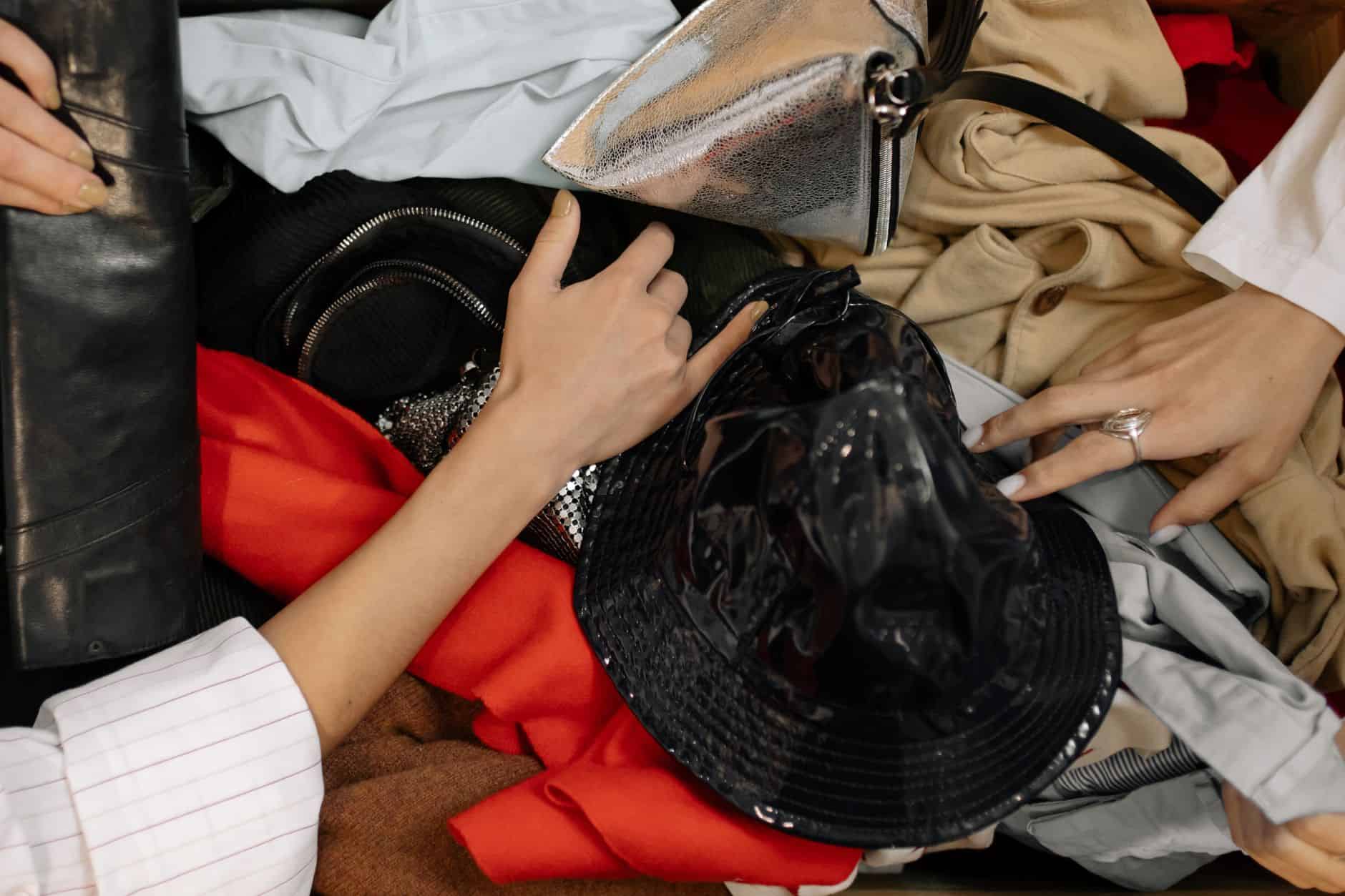
This is where most people get in their own way. The formula:
- The 5-4-3-2-1 baseline (7-10 day trip)
- 5 pairs of underwear and socks (merino wool socks reduce laundry frequency)
- 4 shirts or tops (mixing machine-wash and hand-wash-capable)
- 3 bottoms (pants/shorts that work for both day and evening)
- 2 layers (one light layer, one warmer)
- 1 pair of shoes (plus whatever you wear on the plane)
The merino wool principle
Merino wool shirts, socks, and underwear resist odor significantly better than cotton or synthetics. A merino shirt can be worn 2–3 times between washes and hand-washed and dried in 3 hours in a hotel bathroom. This is not theoretical — it’s the standard practice of most serious carry-on-only travelers.
Choose a color palette
Neutral colors that mix and match (navy, grey, black, white, olive) mean everything can go with everything. You’re not reducing your options by limiting colors — you’re multiplying them by making everything interchangeable.
Wear your bulkiest items on the plane
Your heaviest shoes, your jacket, and your thickest pants go on your body for transit. They don’t take carry-on space.
Toiletries: The 3-1-1 System Done Right
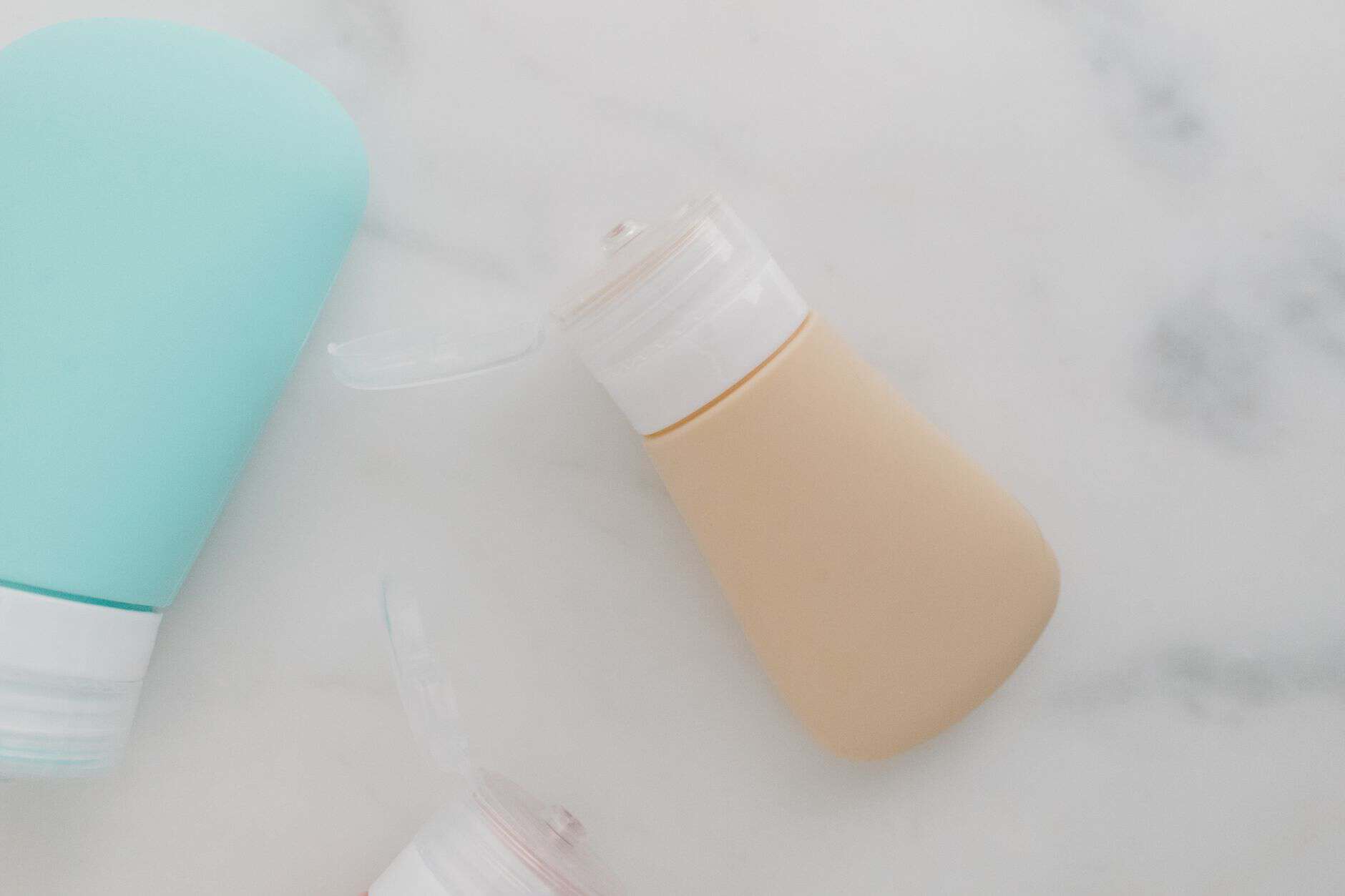
TSA’s 3-1-1 liquid rule is: each liquid/gel in 3.4oz or smaller containers, all in one quart-sized clear bag. The rule applies only to your carry-on, not to liquids you purchase after clearing security.
- Buy solid toiletry barsShampoo bars, conditioner bars, and solid soap eliminate your heaviest and messiest liquids. Ethique and Lush both make travel-sized solid bars that are TSA-compliant and last as long as multiple liquid bottles.
- Use hotel/accommodation toiletries strategicallyMost hotels provide shampoo, conditioner, and body wash. If you’re staying at hotels, your only carry-on toiletry burden is your specific skincare routine and anything the hotel doesn’t provide.
- Decant into travel sizesGood travel containers: Humangear GoTubb set (tight seals, stackable), MUJI small bottles (extremely compact). Decant only what you’ll use. Don’t bring a “just in case” product if you haven’t used it in the last 30 days.
- The quart bag goes on topPack your 3-1-1 bag last, on the top of your carry-on. Security access is fast when you know exactly where it is.
Electronics and Cables: The Mess Most People Accept
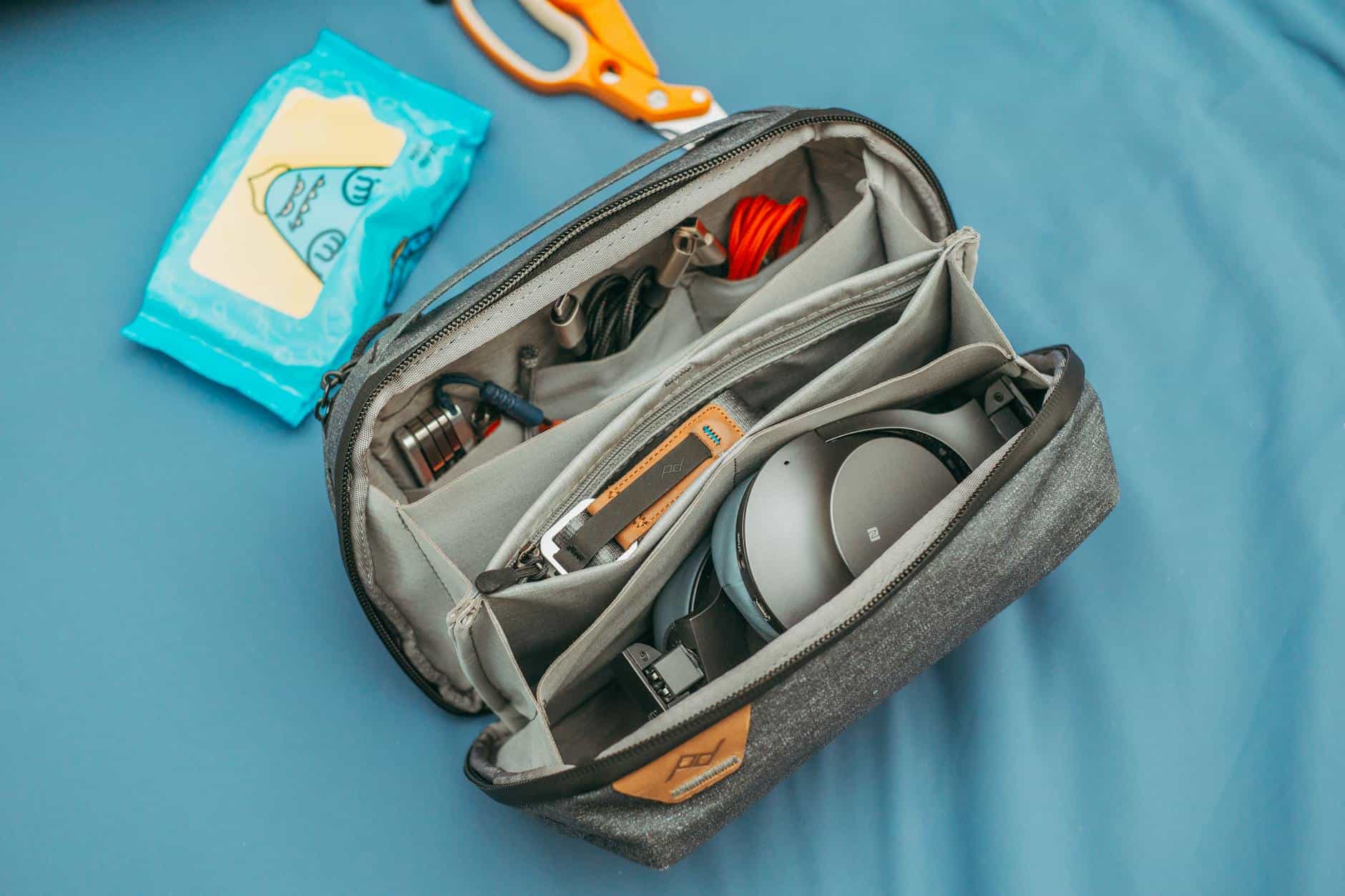
The cable situation in most travelers’ bags is genuinely embarrassing and completely unnecessary.
- Use a single multi-port USB-C chargerAnker’s 67W or 120W GaN chargers replace 3–5 separate charging blocks with one small cube. USB-C is now universal enough that most devices (phone, laptop, headphones, camera) charge from the same port.
- Cable types you actually need
- One USB-C to USB-C cable (the most important cable you own)
- One USB-C to Lightning if you have iPhone devices not yet on USB-C
- One international outlet adapter if traveling internationally
- Nothing else, with very limited exceptions
Electronics organizer roll or pouch
Bellroy Tech Kit and Cocoon GRID-IT both keep cables, adapters, and small electronics organized and visible. Choose one and use it every trip — don’t put cables loose anywhere in your bag.
The Packing Cubes That Actually Help
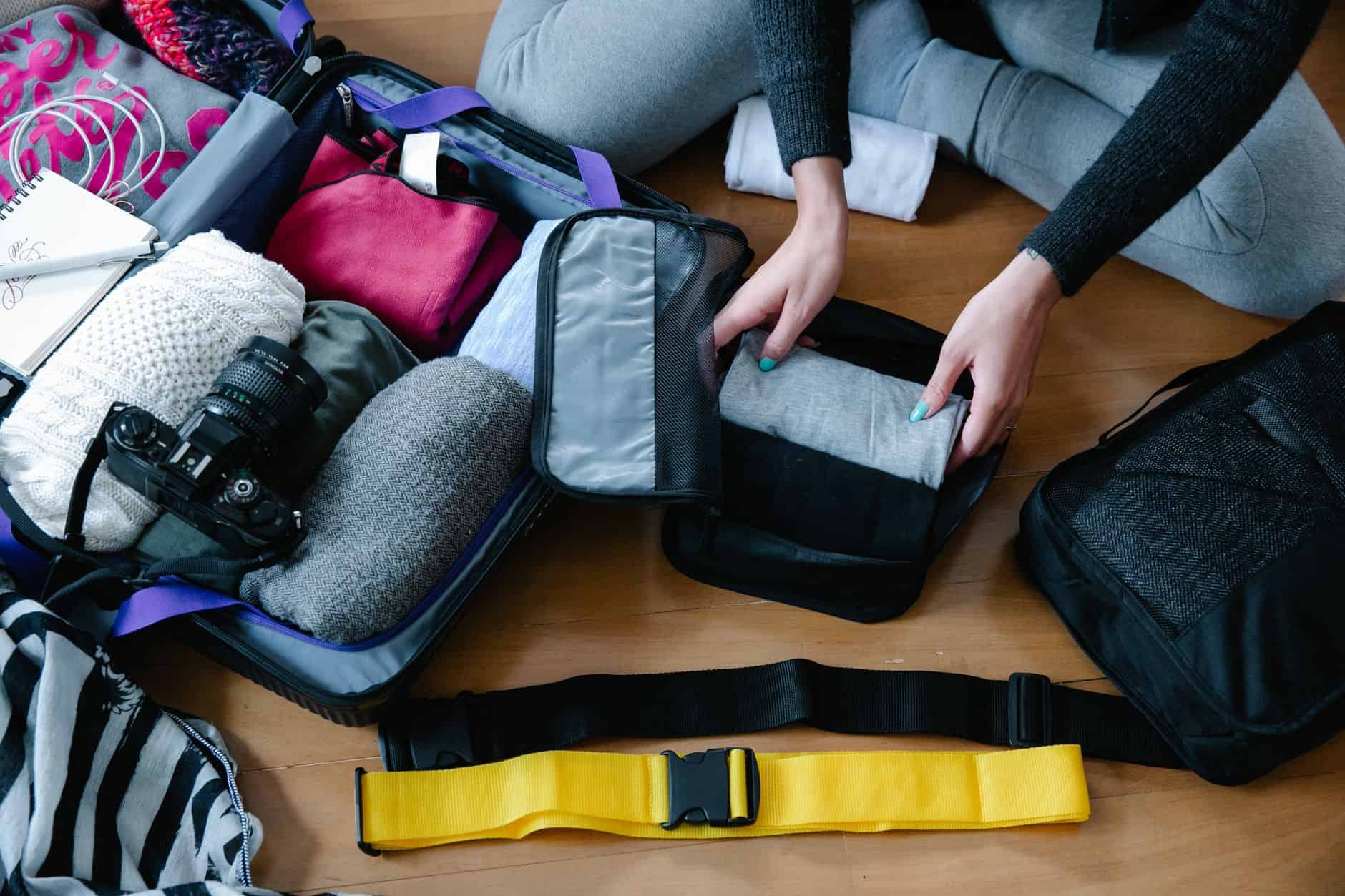
Packing cubes are genuinely useful — but most people use them wrong.
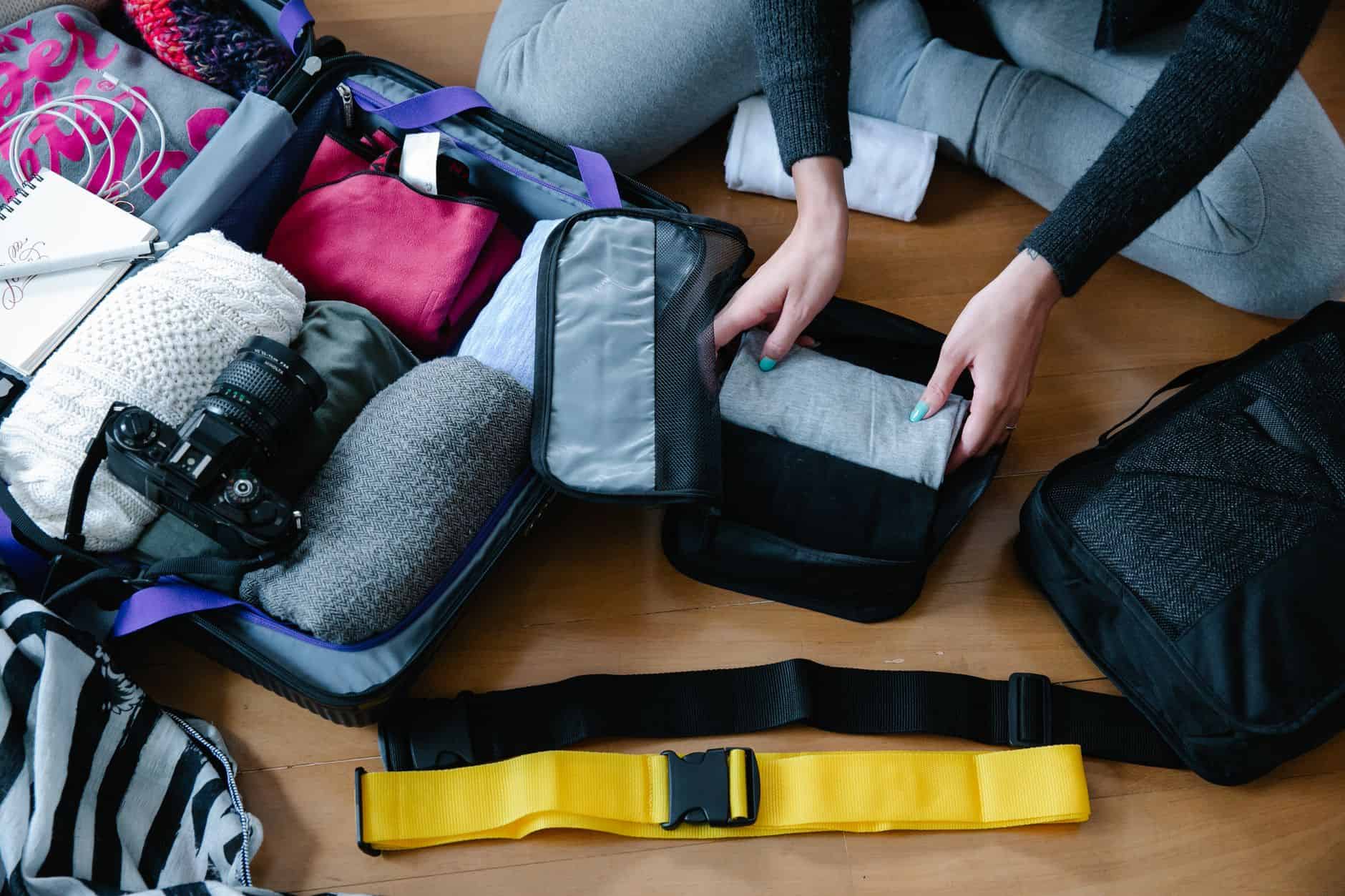
- Use them for category compression, not just organizationCompression cubes (Eagle Creek Pack-It Compress or Tortuga are both good) reduce the volume of clothing by 20–30% through compression. Non-compression cubes just organize. For a carry-on-only system, the compression matters.
- The three-cube system
- Cube 1: shirts and tops
- Cube 2: bottoms and underwear
- Cube 3: tech and cables (use a smaller flat cube or organizer pouch)
Roll, don’t fold
Rolling clothing reduces wrinkles and increases packing density. Roll everything — shirts, pants, socks — before packing into cubes. The ranger roll (military rolling method) is the most compact. Look it up once; you’ll use it forever.
At the Airport: How to Execute Flawlessly
- Board earlier than you think necessary. Overhead bin space is first-come. Priority boarding costs $20–$30 on many airlines and pays for itself entirely when you get the last bin space near your seat. Alternatively, use your credit card’s companion lounge priority boarding benefit.
- Gate-check offer is not your enemy. If the flight is full and the gate agent asks for volunteers to check bags, decline if you have valuables or need your bag immediately. Accept if it’s a simple connection and you don’t care — gate-checked bags are returned at the jet bridge, not the carousel.
- Know the personal item rule. On Southwest, your personal item goes under the seat. Your carry-on goes in the bin. This is consistent across airlines. On ultra-budget carriers (Spirit, Frontier), only the truly small personal item is free — the carry-on costs money. Know what you’re buying before you book.
The Items Most Frequent Travelers Always Carry
- Noise-canceling headphonesSony WH-1000XM5 or Bose QuietComfort Ultra. Not a luxury — noise cancellation turns a 6-hour flight from an endurance test into a reasonable experience.
- Compression socksCEP or Sockwell. Evidence-based DVT prevention on long flights and makes legs feel significantly better on arrival.
- A reusable water bottle with a filterGrayl GeoPress or LifeStraw Go. Fill it after security. The filter version lets you drink tap water in destinations where that’s otherwise inadvisable.
- A door stopper alarmThis sounds paranoid until you stay in a budget hotel in a country where your instincts say to double-lock. A rubber door stopper alarm ($10) wedges under the door and screams at 120 dB if the door moves. Peace of mind is worth $10.
- A microfiber quick-dry towelHostels don’t always provide them. Some budget hotels provide terrible ones. A good microfiber travel towel dries in 30 minutes, takes almost no space, and eliminates an entire category of uncertainty.
The carry-on system is not about deprivation. It’s about editing. The 45 minutes you save on every trip adds up to days over a year of travel. The money you save on bag fees adds up to another trip. The confidence of knowing exactly where everything is — and that everything is with you — is underrated entirely.