What a Full Week in Japan Actually Costs an American in 2026 — Every Line Item From the Flight to the Last Bowl of Ramen
We may earn money or products from the companies mentioned in this post. This means if you click on the link and purchase the item, I will receive a small commission at no extra cost to you ... you're just helping re-supply our family's travel fund.
Japan has been on a lot of Americans’ travel lists for years, and the last two or three years have created a genuinely unusual opportunity: the yen weakened dramatically against the dollar between 2022 and 2024, making Japan one of the most affordable developed-country destinations for American travelers in recent memory. In 2019, the dollar bought about 109 yen. In 2025–2026, it’s buying 145–155 yen, depending on the day.
That math matters. Things priced in yen — food, local transport, accommodations at mid-range ryokan, convenience store meals — are all 30–40% cheaper in dollar terms than they were five years ago.
But the flights haven’t gotten cheaper. And Japan’s first-tier attractions are increasingly implementing crowd management fees. Here’s the complete, honest cost breakdown for a week in Japan in 2026.
Getting There: What Flights to Japan Actually Cost Right Now

This is where the budget reality check begins.
- From the West Coast (LAX, SFO, SEA): $600–$900 economy round-trip on a good deal; $900–$1,300 at normal pricing. 10–12 hour flight.
- From the Midwest (ORD, MSP, DFW): $700–$1,100 economy round-trip at decent pricing; $1,100–$1,500 normal.
- From the East Coast (JFK, BOS, IAD): $850–$1,200 on a good deal; $1,200–$1,800 normal. 14–16 hours with connection.
Business class (which transforms the flight into something genuinely pleasant) runs $2,500–$5,000+ depending on timing and carrier. This is where points can be extraordinarily valuable — ANA and JAL business class are frequently cited as the best in the world and can be booked with points through Star Alliance or oneworld partners.
Seasonal note: flights are highest during cherry blossom season (late March–April) and fall foliage season (mid-October to mid-November). January through March (excluding the first week of January) is the cheapest period.
Where to Stay: The Real Range from Capsule Hotels to Business Hotels
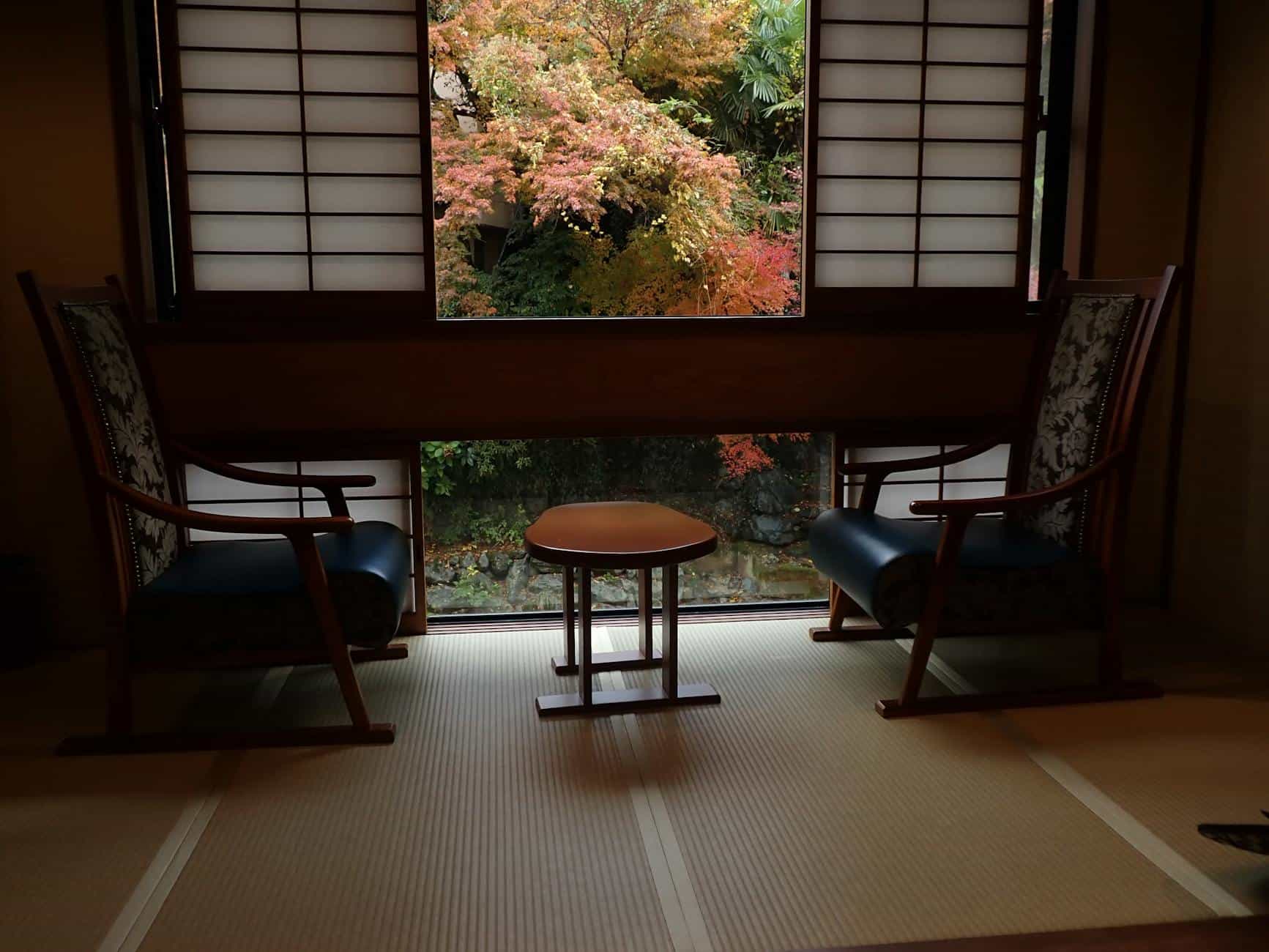
In yen terms, Tokyo accommodation:
- Capsule Hotels A genuinely interesting experience worth doing at least once. ¥3,000–¥5,000/night ($20–$35). Clean, functional, usually excellent locations near transit hubs. Not for everyone but far more comfortable than the name suggests.
- Budget Business Hotels (Toyoko Inn, APA, Dormy Inn) ¥8,000–¥15,000/night ($55–$100). The standard choice for most independent travelers. Small rooms (very small), but clean, well-located, often include breakfast, and have excellent infrastructure. This is where the yen weakness pays off most — $70/night hotels in Tokyo are legitimately good.
- Mid-Range Hotels ¥15,000–¥30,000/night ($100–$200). Much better rooms, central locations, often in Western chains or Japanese brands with amenities. This range includes some exceptional options in Kyoto — traditional machiya townhouses and mid-tier ryokan.
- Ryokan (Traditional Japanese Inn) The classic experience — tatami rooms, futon bedding, yukata robes, multi-course kaiseki dinner and breakfast included. Basic ryokan outside major cities: ¥15,000–¥25,000/person ($100–$170 per person). Good ryokan in Kyoto or Hakone with dinner and breakfast: ¥30,000–¥60,000/person ($200–$400). The luxury tier in places like Kyoto’s Tawaraya starts around $1,000/person/night.
For the budget below, we’ll use mid-range business hotels at an average $120/night for the week = $840 for one person or split for two.
Getting Around: The JR Pass Math Has Changed
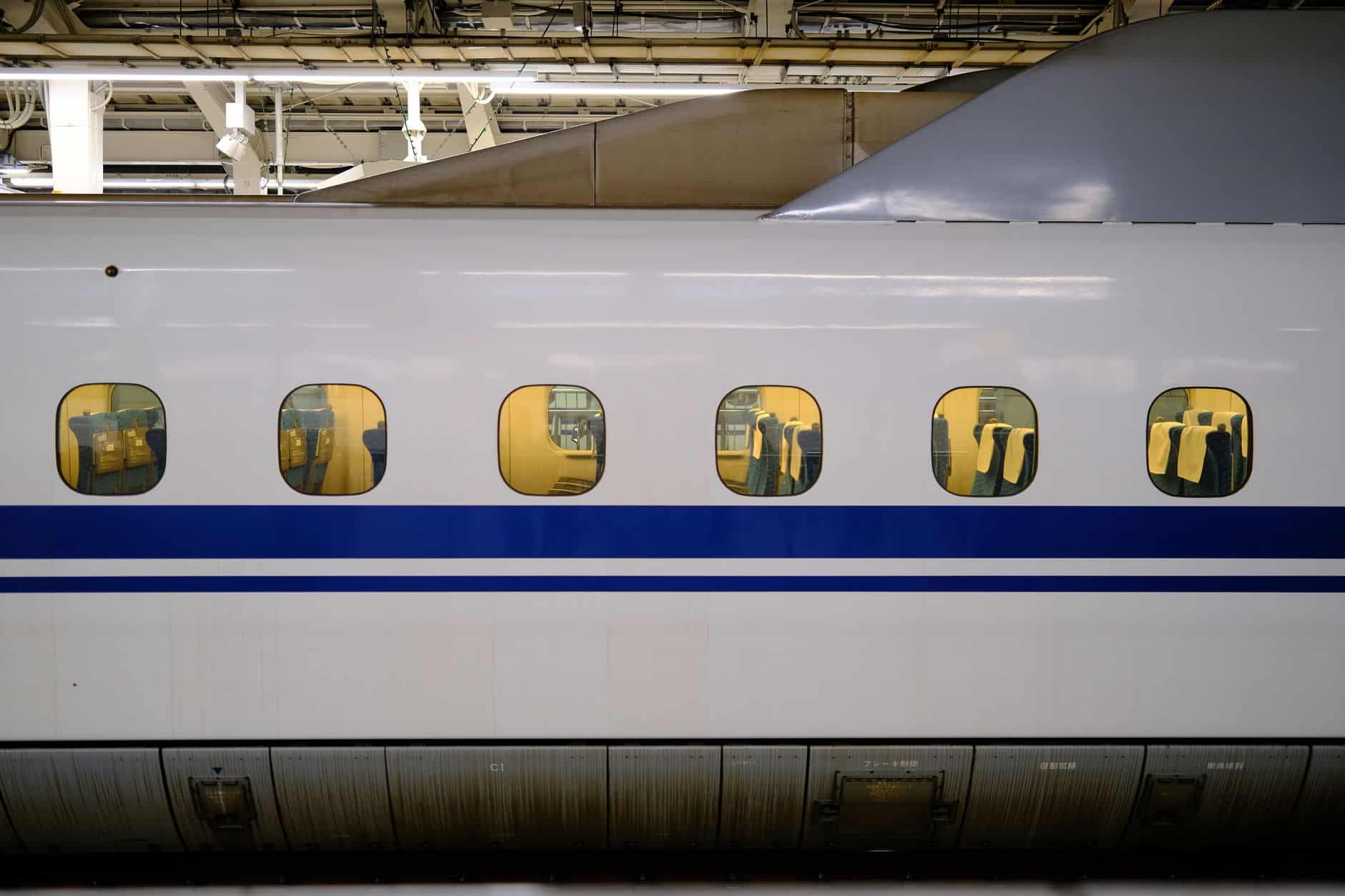
This is important because the math changed significantly in 2023.
The JR Pass — a flat-rate unlimited shinkansen and JR train pass sold to foreign tourists — raised its prices roughly 70% in October 2023. A 7-day pass now costs approximately ¥50,000 ($333 at current rates). That used to be an obvious value purchase. Now the math requires calculation.
- A Tokyo–Kyoto shinkansen round trip costs ¥28,000 ($185) without a pass.
- If your itinerary is Tokyo–Kyoto–Osaka–Tokyo, the shinkansen segments alone approach the pass value.
- If you’re staying mostly in Tokyo or mostly in Kyoto/Osaka without extensive shinkansen travel, the pass probably doesn’t pay off.
For a week of Tokyo + day trips to Nikko or Kamakura + one night in Kyoto, calculate your specific routes on HyperDia or Google Maps Japan before buying.
Local transit within Tokyo (JR lines, Tokyo Metro) runs ¥200–¥300 per ride ($1.30–$2). An IC card (Suica or Pasmo) loaded with ¥3,000 covers local transit for several days.
Budget for ground transport (including shinkansen to Kyoto once): approximately $250–$400/person for the week.
Food and Drink: The Best Reason to Go
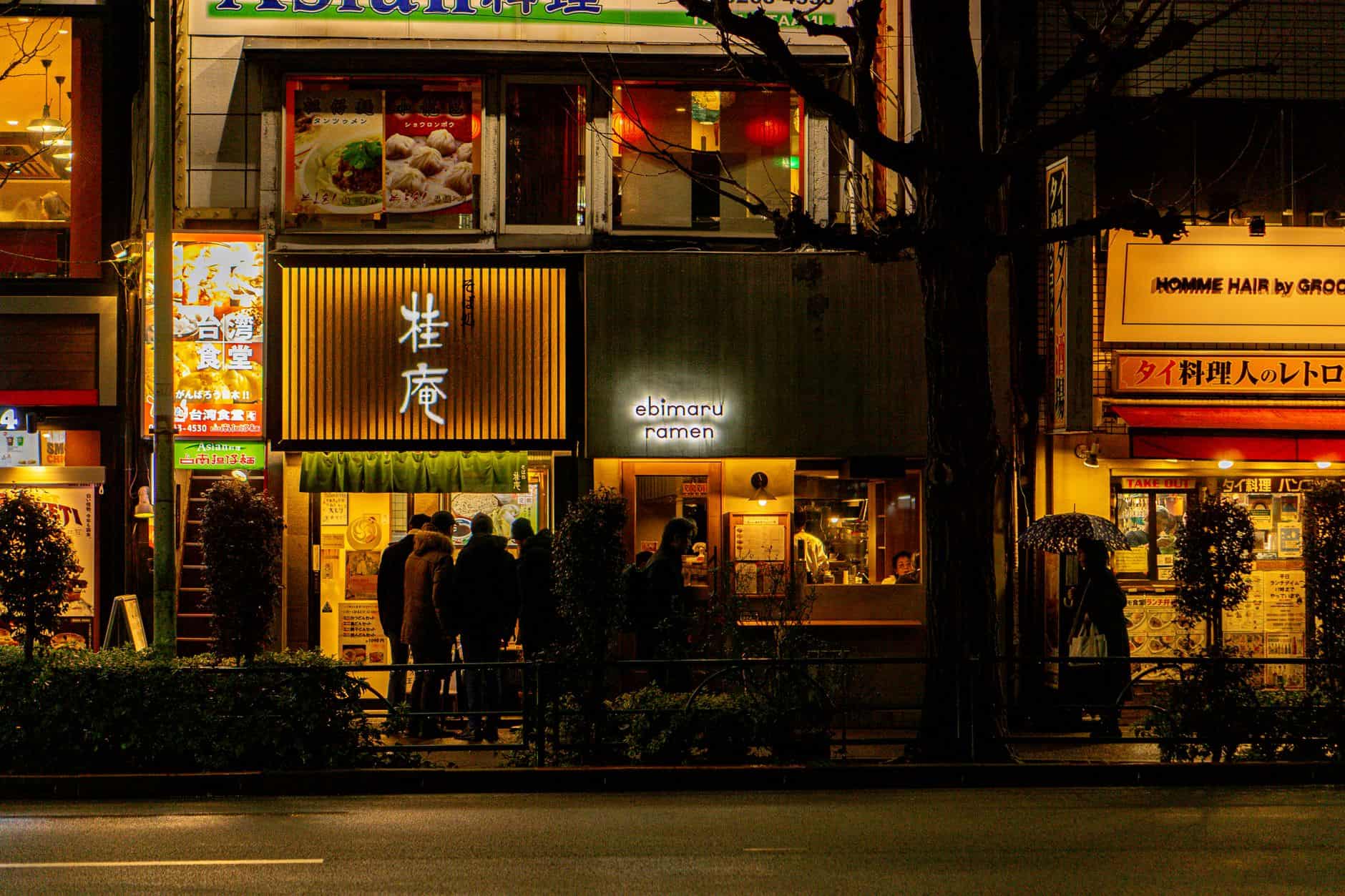
This is where Japan shines and where the yen situation most benefits American travelers.
- Convenience Stores (7-Eleven, FamilyMart, Lawson) Japan’s convenience store food is legitimately excellent — onigiri for ¥150 ($1), sandwiches for ¥250 ($1.70), hot food items, excellent coffee. A full meal runs ¥500–¥800 ($3.30–$5.30). This is not a last resort — it’s a genuine food category.
- Ramen, Soba, Udon Shops A bowl of excellent ramen in Tokyo: ¥1,000–¥1,500 ($6.70–$10). The top-rated ramen shops in Tokyo compete at a world-class level and still cost less than a fast food combo in the US.
- Lunch Sets (Teishoku) Many sit-down restaurants in Japan offer lunch sets — a main dish, rice, miso soup, and pickles — for ¥800–¥1,500 ($5.30–$10). This is how locals eat on weekdays and it’s one of the best food values in the developed world.
- Mid-Range Dinner Sushiro or Kura Sushi (conveyor belt sushi chains): ¥1,500–¥2,500 ($10–$17) for a satisfying meal. A proper sit-down sushi dinner at a neighborhood sushiya without counter service: ¥3,000–¥6,000 ($20–$40).
- High-End A true omakase sushi experience or kaiseki dinner: ¥20,000–¥50,000+ per person ($133–$333+). World-class dining by global standards, still roughly comparable to equivalent US fine dining prices.
Realistic daily food budget: $40–$60/day mixing convenience stores, lunch sets, and one nice dinner. A splurge day might hit $80–$100.
The Currency Situation and How to Handle Money in Japan
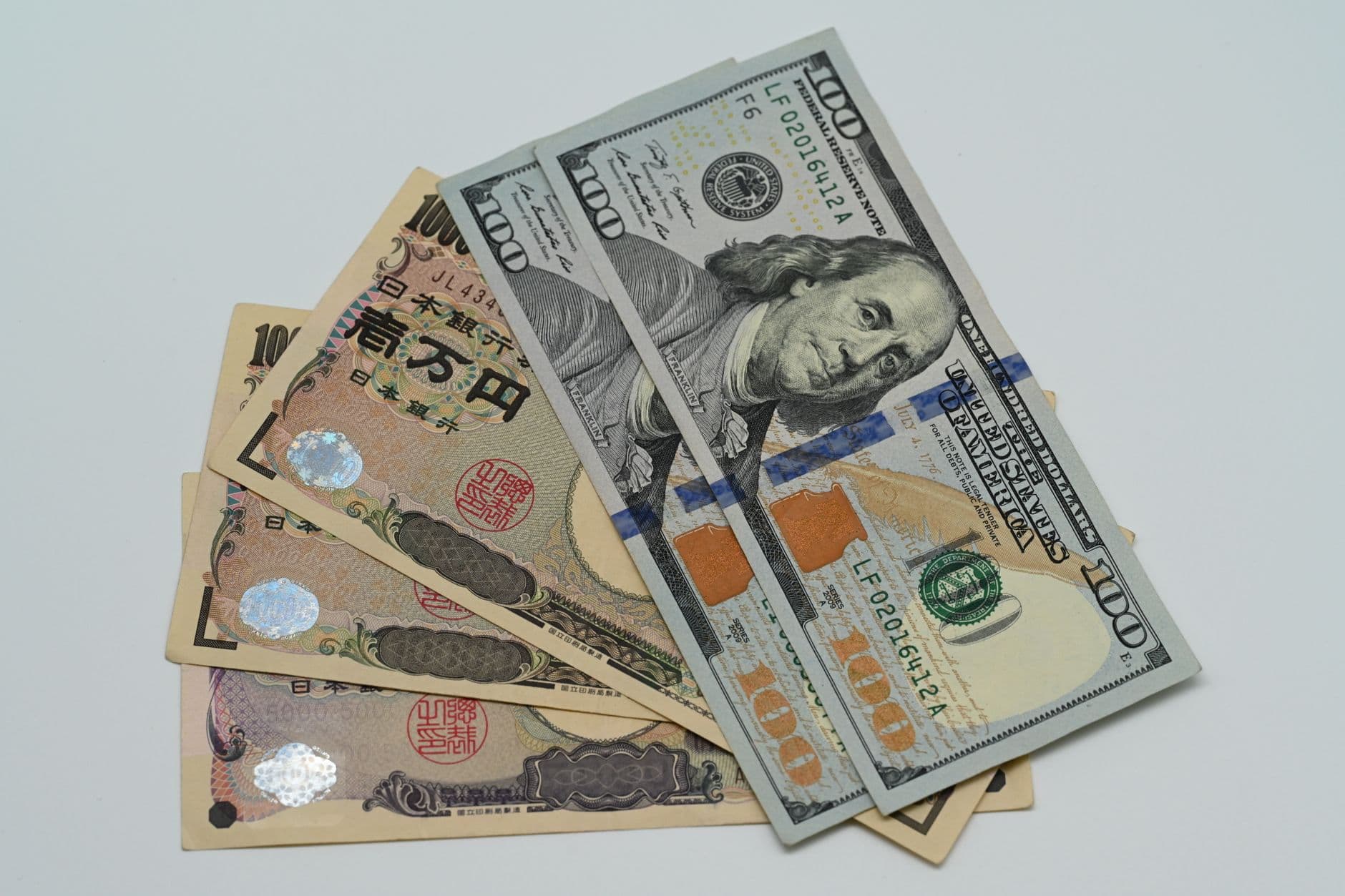
Japan remains significantly more cash-dependent than most developed countries. Many small restaurants, some convenience stores, local shops, and especially shrines and temples are cash-only.
- Bring a Charles Schwab debit card or equivalent zero-fee ATM card. Schwab reimburses all ATM fees worldwide. Japanese ATMs at 7-Eleven stores are widely accessible and reliably accept foreign cards.
- Withdraw yen from a Japanese ATM upon arrival rather than exchanging at the airport. Airport exchange rates are poor. ATM rates track the actual exchange rate closely.
- Budget carrying $200–$300 in cash at a time. Replenish at any 7-Eleven ATM.
- Credit cards are increasingly accepted at hotels, department stores, and chain restaurants. In major cities, Visa and Mastercard work well. Amex less reliably. But cash remains essential for the full range of experiences.
The Full Week Budget — Three Scenarios
Budget Traveler (capsule hotels, convenience store meals, minimal splurging)
- Flights: $700 (West Coast deal)
- Accommodation (7 nights, capsule/budget): $200–$280
- Transport (local + one shinkansen): $200
- Food ($30/day): $210
- Attractions, shopping, incidentals: $200
- Total: ~$1,510–$1,590
Mid-Range Traveler (business hotels, mix of dining, JR Pass)
- Flights: $900 (standard economy, mid-range timing)
- Accommodation (7 nights at $120/night): $840
- Transport (JR Pass + local IC card): $380
- Food ($55/day): $385
- Attractions, shopping, one nice dinner: $350
- Total: ~$2,855
Comfortable Traveler (mix of nicer hotels, one ryokan night, regular nice dinners)
- Flights: $1,200 (East Coast or upgraded timing)
- Accommodation (6 nights business hotel + 1 ryokan): $1,200
- Transport: $400
- Food ($80/day): $560
- Attractions, shopping, sake bars, one omakase: $700
- Total: ~$4,060
Japan is genuinely remarkable value for Americans right now. The combination of a weak yen, world-class food infrastructure, one of the best public transit systems on Earth, and a cultural density that rewards slow exploration makes it one of the highest-value international destinations available. The flight cost is the honest barrier. Once you’re there, a remarkable trip is surprisingly affordable.