Anthony Bourdain Called a Kansas City Gas Station the Best Barbecue in the World. It Took the Rest of the Country 20 Years to Agree.
We may earn money or products from the companies mentioned in this post. This means if you click on the link and purchase the item, I will receive a small commission at no extra cost to you ... you're just helping re-supply our family's travel fund.
Joe’s Kansas City Bar-B-Que still operates out of a converted gas station at 3002 West 47th Avenue in Kansas City, Kansas, the same unglamorous building it opened in back in 1996 under the name Oklahoma Joe’s. Anthony Bourdain named it one of thirteen places to eat before you die. Food & Wine ranked it fourth on its list of must-visit U.S. barbecue spots. Yelp put it at 15th among every restaurant in the country, not just barbecue, in a 2026 ranking. None of this is new information to Kansas City. What’s new is that the rest of the country has finally stopped treating Kansas City barbecue as a regional curiosity and started treating it as a genuine culinary capital, on par with the reverence usually reserved for Texas brisket or Carolina pulled pork.
More than 100 barbecue joints and a real hierarchy among them
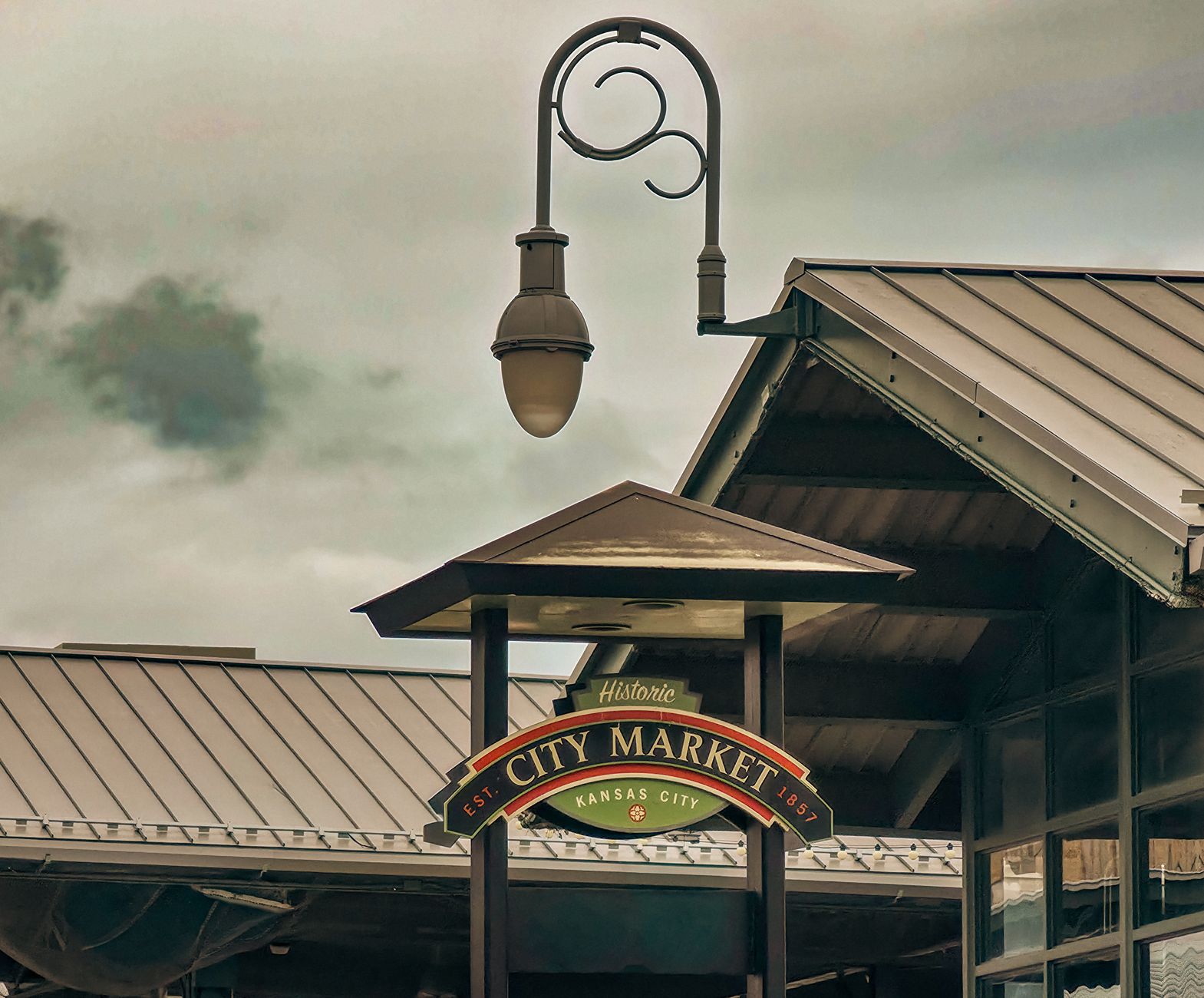
The Kansas City metro has more than 100 barbecue restaurants, according to the Kansas City Barbeque Society, which itself has grown to more than 8,000 members across all 50 states and several countries, making it the largest organization of its kind in the world. That density means Kansas City barbecue isn’t a single style so much as a competitive ecosystem, and locals hold genuine, well-argued opinions about where any given newcomer should eat first. Arthur Bryant’s, founded in 1949 and once called “the single best restaurant in the world” by Calvin Trillin in a 1972 Playboy piece, is the historical anchor — its descendants still run the business, and its tangy, spice-heavy sauce remains a reference point for the entire style. Gates Bar-B-Q, founded in 1946 by George W. Gates, built its identity on a tomato-based sauce and an open-pit cooking style that’s stayed remarkably consistent across generations.
Joe’s occupies a different tier entirely — not the oldest, not the most traditional, but the one that broke through nationally, partly on the strength of its Z-Man sandwich (brisket, provolone, onion rings, and Joe’s own barbecue sauce on a kaiser roll) and partly because Bourdain’s endorsement in the mid-2000s gave the restaurant a permanent spot on food-tourism itineraries. Patrick Mahomes has publicly said he gets the Z-Man delivered every couple of weeks, and Barack Obama’s 2014 visit to Kansas City reportedly included a roughly $1,400 takeout order shipped out on Air Force One.
Why the recognition took so long
Kansas City barbecue’s style — a wide range of meats including burnt ends, ribs, and even mutton, finished with a thick, sweet, tomato-and-molasses sauce — traces back to Henry Perry, who began smoking meat near a streetcar barn in the 18th and Vine district in the early 1900s. That district was also the heart of Kansas City’s jazz scene, and the two cultures grew up together, but neither received the same level of sustained national food media attention that Texas barbecue got starting in the 2000s or that Nashville hot chicken got in the 2010s. Kansas City barbecue’s fame stayed largely regional and word-of-mouth for decades, sustained by locals and a loyal but geographically limited fan base, while food media built national mythologies around other regional styles first.
What changed was a combination of factors arriving together: the rise of food-focused travel television (Bourdain’s various shows, Man v. Food, the Food Network), the explosion of restaurant ranking media that rewards distinctive, photogenic regional food, and Kansas City’s own tourism board leaning hard into “Barbecue Capital of the World” branding. The American Royal World Series of Barbecue, held every fall, has grown into the largest barbecue competition in the world, with more than 500 teams and thousands of attendees, giving the city an annual event that reinforces the identity on a recurring basis rather than through a single viral moment.
Where to actually go, according to the ongoing local debate
- Joe’s Kansas City Bar-B-Que — the gas station location in Kansas City, Kansas remains the pilgrimage site
- Arthur Bryant’s — the historical reference point, still run by the founder’s family
- Gates Bar-B-Q — multiple locations, tomato-based sauce, open-pit tradition since 1946
- Q39 — a newer, chef-driven approach opened in 2014 blending competition barbecue with fine-dining technique
- Fiorella’s Jack Stack Barbecue — historically strong with critics and known for its baked beans and cheesy corn sides
What this means beyond the barbecue itself
Kansas City’s food scene recognition has started to spill over into the rest of the city’s culinary identity — chefs like Rob Magee at Q39 have talked publicly about how the barbecue attention created room for the city’s broader restaurant scene to get taken seriously, from fine dining to the Crossroads Arts District’s growing collection of chef-driven spots. That’s a familiar pattern in American food cities: a single dominant, distinctive cuisine functions as a front door that draws attention, and everything else in the city’s food scene benefits from visitors who came for one thing and stayed to try five others. Kansas City’s barbecue-first reputation is now functioning exactly that way, two decades after Bourdain first pointed a camera at a gas station and called it the best food in the world.
The city’s tourism board has embraced this fully, running annual promotion around the American Royal competition and coordinating with national outlets on recurring “best barbecue in America” content that keeps Kansas City in the conversation rather than treating its 2000s-era Bourdain endorsement as a one-time credential. That sustained marketing effort, paired with genuinely excellent and consistent food across more than 100 competing restaurants, has finally converted a regional secret into something closer to consensus.