The Ozarks Were a Punchline for 20 Years. Now People Who Actually Moved There Are Hard to Find Anywhere Else
We may earn money or products from the companies mentioned in this post. This means if you click on the link and purchase the item, I will receive a small commission at no extra cost to you ... you're just helping re-supply our family's travel fund.
Travel writers have called the Ozarks underrated for thirty years, and nothing happened. Then, somewhere around 2020, people stopped reading about it and started moving there. The towns that spent decades losing population started gaining it. And the people who arrived — remote workers, retirees, small farmers, artists — mostly stopped considering anywhere else.
What the Ozarks Actually Is (and Isn’t)
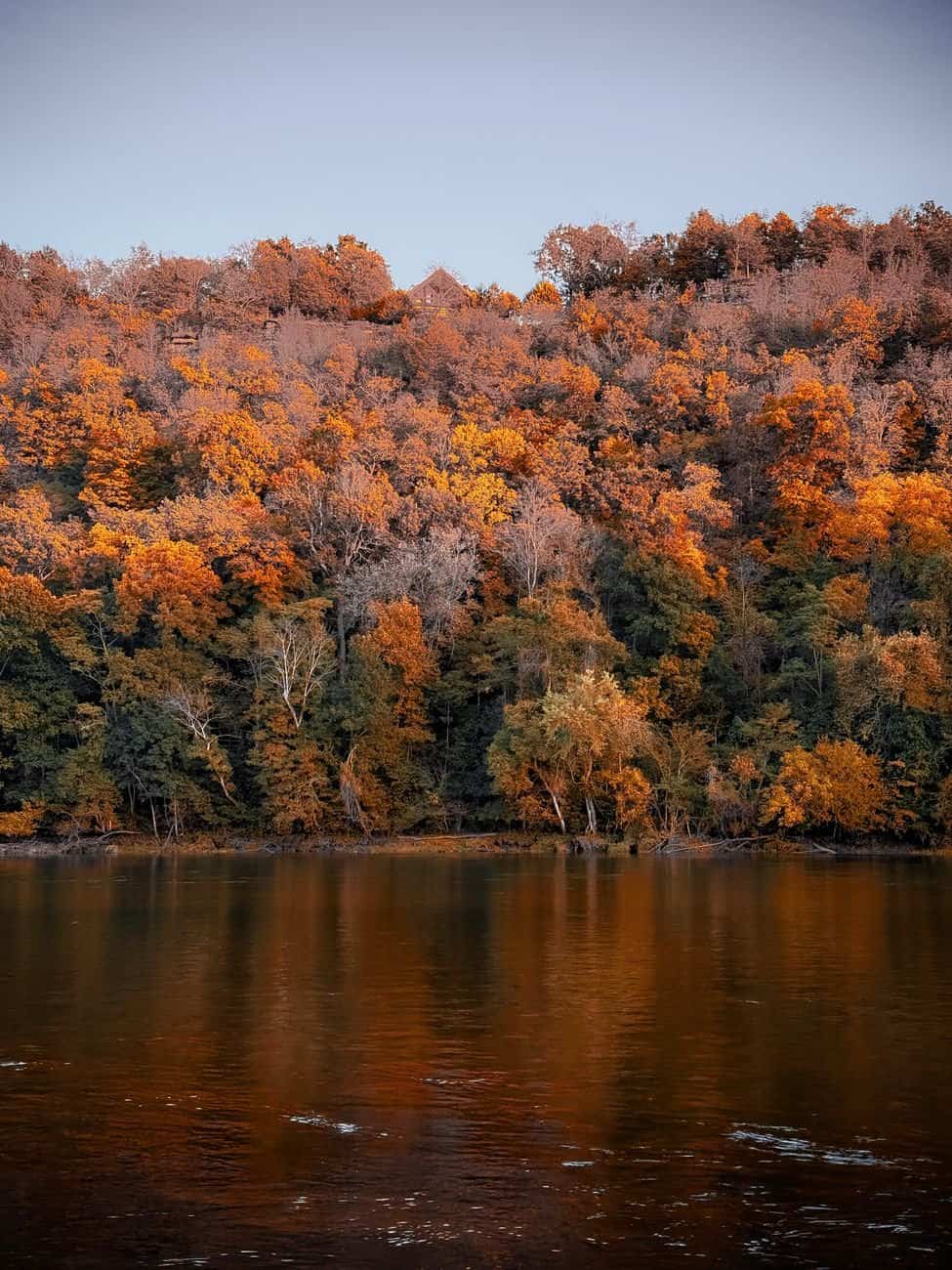
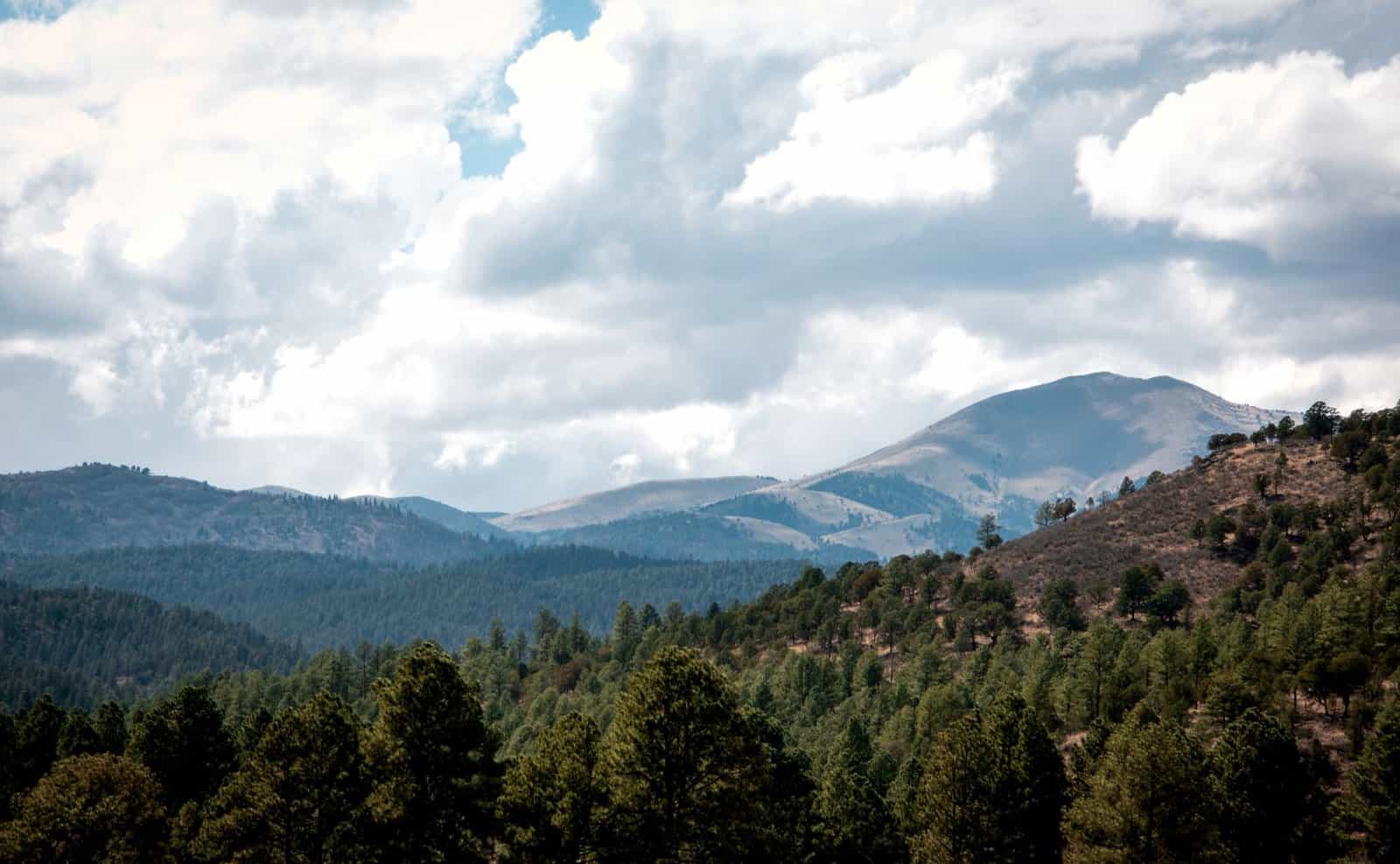
The Ozark Plateau covers about 47,000 square miles across southern Missouri, northern Arkansas, and small parts of Oklahoma and Kansas. It’s not a single mountain range or a single town — it’s a sprawling upland with river valleys cut deep into limestone, springs that run emerald green, and towns ranging from 200 people to 30,000. Branson is the Ozarks. So is Eureka Springs, Bentonville, Mountain View, and dozens of small communities most Americans have never heard of.
The Cost of Living Numbers That Are Changing Who Moves There
In Fayetteville, Arkansas — technically on the edge of the Ozarks — the median home price is around $290,000. That’s up from pre-pandemic levels but still dramatically below comparable college towns in other regions. Mountain Home, Arkansas, which sits on Norfork Lake and Bull Shoals Lake, has median home prices under $220,000. Carthage, Missouri, which has seen genuine arts investment and downtown revival, has homes well under $200,000.
Approximate monthly living costs in Ozark towns:
- Mortgage on a $220K home (20% down, 7%): ~$1,175/month
- Groceries for two adults: $400–$550/month
- Utilities (including heat — winters get cold): $200–$300/month
- Health insurance: the wild card, since there are no major employer markets nearby
Bentonville: The Ozarks’ Biggest Surprise
If you haven’t been tracking Bentonville, Arkansas, the story is remarkable. Walmart’s global headquarters has anchored the city for decades, but what’s happened in the last ten years goes far beyond that. The Crystal Bridges Museum of American Art — funded by the Walton family — houses a collection that legitimately rivals major metropolitan museums. The mountain biking trail network, also substantially funded by the Walton Family Foundation, is now widely considered the best in the United States.
Bentonville has attracted a restaurant scene that would surprise anyone walking in cold. It has hotels designed by name architects. It has attracted tech companies and startups. And it’s in the Ozarks. Most people who haven’t been to northwest Arkansas since 2015 have no idea what’s there now.
The Parts That Are Still Hard
Internet connectivity in the rural Ozarks varies enormously. Some areas have fiber. Many don’t. If you’re planning to work remotely from a small town 40 miles from a city, confirm the connection before you commit. Healthcare access is also genuinely limited — major hospital systems are in Fayetteville, Springfield, and Little Rock, but smaller communities often have only clinic-level care.
The political and cultural environment is deeply conservative throughout most of the region. If that’s a significant factor for you, Fayetteville and Bentonville are meaningfully more diverse and politically mixed than the surrounding rural areas — but they’re still in Arkansas and Missouri.
The Towns Worth Paying Attention To Right Now
For remote workers and outdoor enthusiasts:
- Bentonville, AR: Best infrastructure, best trails, rising but still reasonable costs
- Fayetteville, AR: University town, younger demographic, strong food scene
- Eureka Springs, AR: Artsy, quirky, dramatically beautiful — tiny and tourism-dependent
- Ozark, MO: Suburb of Springfield with fast growth and still-low home prices
The Ozarks aren’t for everyone. They’re not a major metro area, and they don’t pretend to be. But the people who moved there and stayed aren’t staying because they couldn’t leave — they’re staying because once you’ve lived somewhere with that landscape, that cost of living, and that level of quiet, the tradeoff calculus changes completely. The punchline stopped working when the people laughing it off started seeing the numbers.
Why the Ozarks Are Attracting Remote Workers
The Ozarks’ remote worker appeal is built on a specific combination that few regions in the central United States can match: lake access (Table Rock Lake, Bull Shoals Lake, and Lake of the Ozarks total over 100,000 acres of water), Branson as an entertainment anchor, affordable housing, and fiber internet access that reached most of the region through rural broadband programs. The Arkansas side of the Ozarks — Bentonville, Fayetteville, and the Buffalo National River corridor — has added the Walmart corporate presence and its tech ecosystem to the recreation economy.
Bentonville, Arkansas specifically has become one of the most discussed relocation destinations in the South. The Crystal Bridges Museum of American Art — built with Walmart family foundation funding and housing one of the most significant American art collections outside New York — is free admission in a city of 50,000. The mountain biking trail network built around Bentonville is considered the best in the South and one of the best in the country. Housing prices that remained affordable through 2023 have risen but are still substantially below national averages. The combination draws people who would previously have moved to Denver or Austin.