
9 Things That Will Get Your TSA PreCheck Revoked — And Nobody Tells You Until It’s Gone
We may earn money or products from the companies mentioned in this post. This means if you click on the link and purchase the item, I will receive a small commission at no extra cost to you ... you're just helping re-supply our family's travel fund.
You paid $85, got fingerprinted, passed the background check, and enjoyed years of walking through security without taking off your shoes. Then one day the PreCheck indicator doesn’t appear on your boarding pass. Nobody calls you. Nobody sends a letter. You find out at the airport, thirty minutes before boarding.
Why TSA Can Revoke Your PreCheck — And Why They Don’t Have to Tell You Why
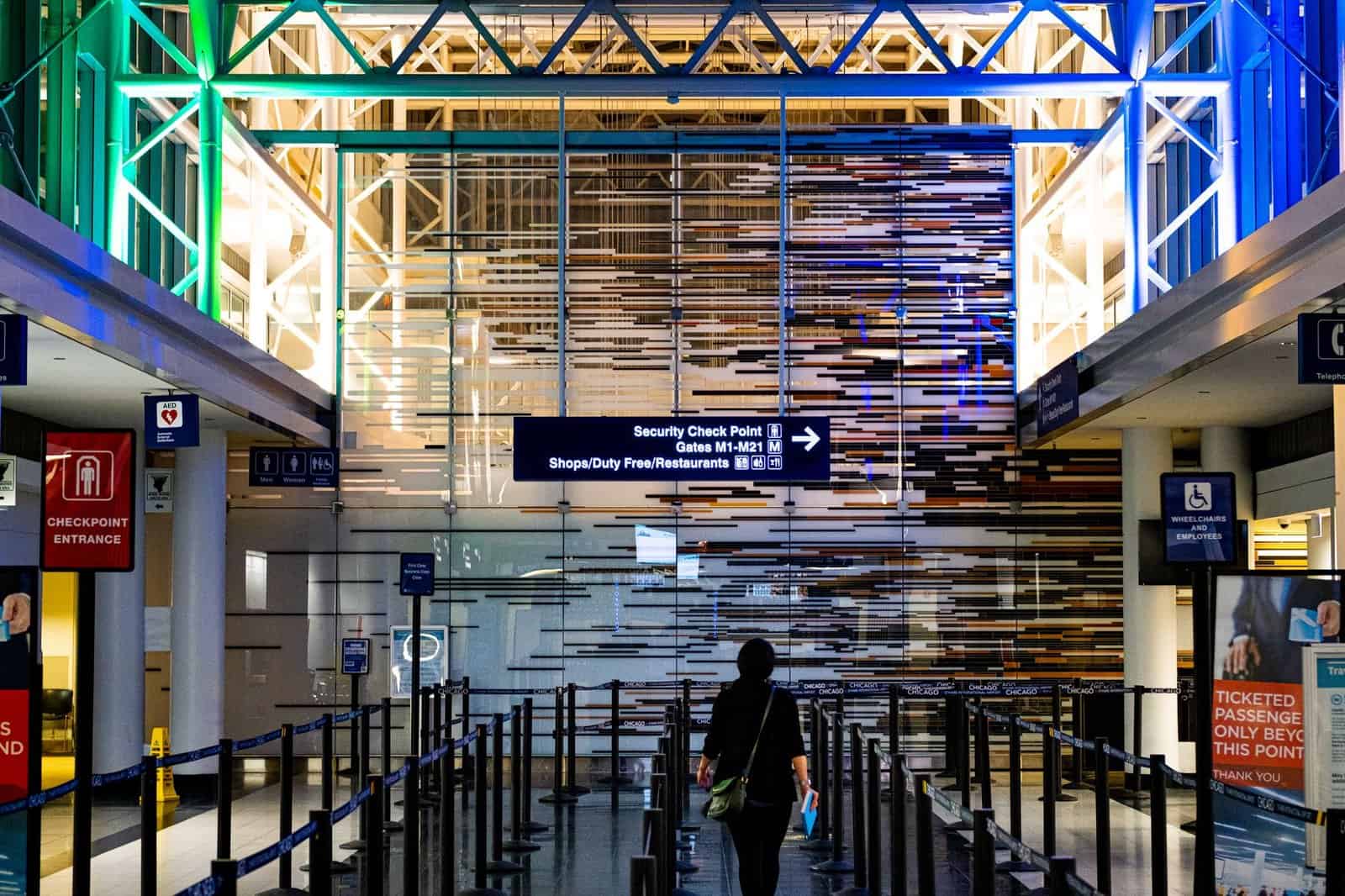
TSA PreCheck is technically a privilege, not a right. The program terms allow TSA and the Department of Homeland Security to run ongoing checks against your record throughout your membership — not just when you applied. If something in your background changes, your status can be suspended or revoked without any advance notice. Here’s what actually triggers a revocation.
The 9 Things That Can Cost You Your PreCheck Status
1. A criminal charge — not a conviction
You don’t need to be convicted of anything to lose your PreCheck. Being charged with a felony, a crime involving a weapon, or a drug trafficking offense can trigger a suspension while the case is pending. This catches people completely off guard — they expect to deal with it after the case resolves. TSA doesn’t wait.
2. Outstanding warrants
Failure-to-appear warrants, bench warrants from missed court dates, and even some civil-to-criminal warrant conversions (unpaid fines that escalated) can all flag your record. TSA’s continuous vetting process will catch these.
3. Putting a prohibited item through security
If TSA catches a prohibited item in your bag — a firearm, a large knife, certain tools — it goes on your record. Multiple incidents or a single serious one can result in suspension. This is one many travelers don’t know: the incident stays attached to your Known Traveler Number.
4. Disruptive behavior on a flight
FAA-reported incidents of disruptive behavior — passenger altercations, intoxicated behavior, confrontations with crew — can be referred to TSA, which can use them as grounds for revocation.
5. Errors in your application you didn’t know were errors
If information you provided at enrollment doesn’t match updated government records — a legal name discrepancy, an outdated address in federal systems, a middle name mismatch — it can create a flag that requires manual review. Your PreCheck may not work while that review is in progress.
6. Traveling to certain countries
Frequent travel to countries designated as state sponsors of terrorism or under travel advisories can raise flags in continuous vetting. This doesn’t mean your PreCheck will automatically be revoked, but it can trigger a review that temporarily disables your access.
7. Mental health adjudications
If a court or authorized medical authority has formally adjudicated someone as mentally incompetent or committed them involuntarily, and that information enters the relevant federal databases, it can affect PreCheck status.
8. Immigration status changes
Non-citizens enrolled in PreCheck who have visa status changes, overstays, or removal proceedings initiated against them can lose access. The system connects to immigration records and updates continuously.
9. Federal watchlist additions
If you’re added to the Terrorist Screening Database or a connected watchlist for any reason — including erroneous additions, which do happen — your PreCheck status will be suspended or revoked. The appeal process (the DHS TRIP program) exists but takes time.
What To Do If Your PreCheck Stops Working
Immediate steps:
- Contact the enrollment provider you used (IDEMIA, Idemia enrollment centers, or CBP for Global Entry holders)
- File a DHS TRIP inquiry if you believe it’s a watchlist or identity issue
- Check that your Known Traveler Number (KTN) is entered correctly in every airline booking
- Verify your membership hasn’t simply expired — the 5-year term sneaks up on people
Most PreCheck issues that appear to be revocations are actually KTN entry errors or expired memberships. Confirm those first. If neither explains it, contact TSA directly through the official inquiry channel and request a status review. The process isn’t fast, but it’s the only official path. And next time you have a significant legal or immigration event, assume it might affect your travel programs — and check before you need to fly.
What TSA PreCheck Is Actually Worth
TSA PreCheck’s value calculation changed in 2022 when TSA increased checkpoint staffing and invested in new screening technology that reduced standard lane wait times at many airports. At major hubs — Atlanta, Chicago O’Hare, LAX, Dallas-Fort Worth — standard security lines during peak hours still average 25–40 minutes. At regional airports, the gap between PreCheck and standard lanes often runs under 10 minutes on a normal travel day. The value is concentrated at large hub airports during peak travel periods, and the travelers who get maximum PreCheck value are the ones who regularly use those airports.
The program costs $85 for a 5-year enrollment and $70 for renewal. The break-even calculation is roughly: if PreCheck saves you 20 minutes per trip and you take more than 4 significant airport trips per year, the time value alone justifies the cost. The additional value — not removing shoes, not removing laptops, not removing liquids — reduces the stress and physical awkwardness of the security process in ways that are difficult to quantify but real. PreCheck is worth maintaining for any traveler who flies more than 4 times per year through major airports.