Minnesota’s Boundary Waters Permit Can Take Months to Land. Here’s What the Towns Around It Actually Look Like
We may earn money or products from the companies mentioned in this post. This means if you click on the link and purchase the item, I will receive a small commission at no extra cost to you ... you're just helping re-supply our family's travel fund.
A Boundary Waters permit can take months to land, and the towns around the wilderness are not what most people picture. Here is the short version: they are small, practical, outfitter-centered places, not resort towns. Ely, with about 3,300 people, is a mining-and-paddling hub with canoe shops, a wolf center, and an old-fashioned main street. Grand Marais, with about 1,300 people, is an artsy harbor town on Lake Superior where the Gunflint Trail begins. Crane Lake, with a few hundred people at most in a typical summer, is a lake-edge community that mostly exists to move paddlers and boaters onto the water. Understanding all three helps you plan the permit, the gear, and the days on either side of your trip.
How the Boundary Waters Permit Shapes the Trip
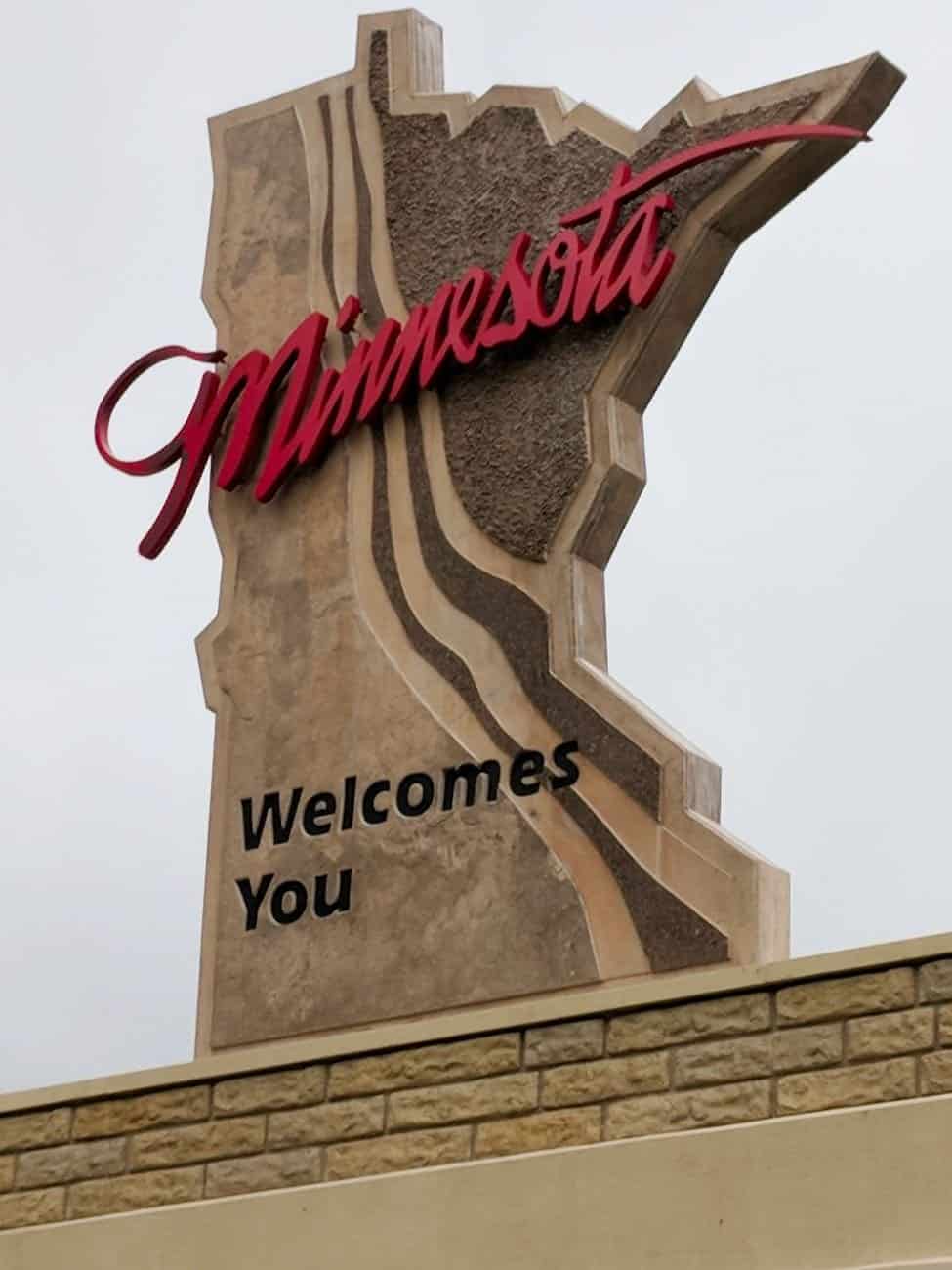
The Boundary Waters Canoe Area Wilderness covers about 1.1 million acres of Superior National Forest in northeastern Minnesota, with more than 1,100 lakes and roughly 1,500 miles of canoe routes. It is the most visited wilderness area in the country, and to protect it, the Forest Service limits the number of overnight groups that can enter at each of dozens of entry points each day.
Because of that, the Boundary Waters permit is a planning project rather than a purchase. Overnight permits for the busy season, roughly May through September, are typically allocated months ahead through a lottery on Recreation.gov that opens in winter, and popular entry points fill quickly. Fees include a per-person charge for each night and a reservation fee, which change over time, so check the current figures. Day-use permits are free but must be obtained before you go. Rules can change from year to year, including group size limits, motor use, and food container requirements, so read the Forest Service page for the current season.
That timeline explains why the towns matter. Most people choose their entry point and their outfitter before they think about where they will sleep, eat, or buy last-minute supplies. A basic understanding of each gateway makes the logistics less stressful.
Ely: The Outfitter Capital
Ely sits at the end of Highway 169 and Highway 1, on the edge of the Boundary Waters and surrounded by lakes. It is the largest gateway, and its identity is split between mining history and canoe country.
The town grew up around iron ore, and mining is still part of the regional economy through the Iron Range just to the south and west. Soudan Underground Mine State Park, a short drive away, offers tours of Minnesota’s oldest and deepest iron mine. The long debate over proposed copper-nickel mining on land that drains toward the wilderness divides the area, and you will see signs and opinions on both sides. In 2023, the federal government withdrew roughly 225,000 acres of the Superior National Forest from new mineral leasing for 20 years, but the issue has remained political, so check current news if it matters to you.
For visitors, Ely is the practical center. Outfitters rent canoes, tents, packs, and food packages, and many offer full outfitting with shuttles to entry points, which is an easy option for first-timers. Piragis Northwoods Company is among the best known, and others include family-run lodges and resorts. The International Wolf Center runs educational programs and has live wolves on exhibit. The Dorothy Molter Museum recounts the life of the “Root Beer Lady,” who lived on Knife Lake until 1986. The North American Bear Center is nearby, and the Vermilion Interpretive Center covers the area’s history and culture.
You will find diners, breweries, a few pizza places, and shops that sell flannel, books, and gear. Lodging ranges from campgrounds and basic motels to resorts and cabins. Rates commonly run from modest to a few hundred dollars per night in peak summer, and they tighten around the Fourth of July and fall weekends. Ely is also home to several wilderness medicine and outdoor education programs, which gives the town a younger, outdoorsy feel in summer.
Grand Marais: The Lake Superior Gateway
Grand Marais sits on the North Shore of Lake Superior, about 110 miles northeast of Duluth, and it is the starting point for the Gunflint Trail, a 57-mile paved road that runs inland to Saganaga Lake and provides access to roughly 20 Boundary Waters entry points.
The town is small but lively. A natural harbor, a lighthouse, and a downtown with galleries, bookshops, and restaurants give it a resort feel in summer, and it has a long tradition of artists and craftspeople. The Grand Marais Art Colony and the North House Folk School, which teaches traditional skills such as boatbuilding and woodworking, draw people from across the country. Local bakeries and fish smokehouses are popular stops.
The surrounding area is rich in hiking and scenery. Cascade River State Park, Judge C. R. Magney State Park with Devil’s Kettle, and the Superior Hiking Trail are within a short drive. Cook County, which includes Grand Marais, is thinly populated, with more than 90 percent of its land in public ownership, so housing and jobs are limited, and many workers live far from where they work. Seasonal work in tourism dominates.
Visitors should note that Grand Marais is more expensive than Ely in many respects. Lodging ranges from simple motels to lakefront inns, and rates in summer and fall color season can reach several hundred dollars a night. Book well ahead, especially for weekends in July, August, and late September.
Crane Lake: The Quiet Edge
Crane Lake is the smallest of the three and the most remote, on the western edge of the Boundary Waters and at the eastern end of Voyageurs National Park. It is not a town in the usual sense, but a lakeside community of resorts, outfitters, and seasonal cabins. The permanent population is small, and the business season is short.
For paddlers, Crane Lake is an alternative to Ely and the Gunflint Trail, with entry points on lakes that lead into the Boundary Waters and Canada. Crane Lake outfitters offer boat shuttles, which can save a day of paddling on big water. Its location also gives access to Voyageurs, where houseboats and fishing are popular.
What you will find in town: a few resorts, bait and tackle shops, small restaurants, and campgrounds. Services are limited, and the nearest large grocery store may be a long drive away, so stock up before you arrive. The quiet is part of the appeal.
What the Towns Have in Common
Although each place has its own character, they share a few traits that affect your trip.
- The economy is seasonal. Most businesses are busiest from late May through September, with a smaller burst in fall, and many have limited hours in shoulder seasons.
- Outfitters carry the experience. If you do not own a canoe or lightweight gear, renting is easy, and staff can help with route planning.
- Housing and jobs are limited. Many workers are seasonal or commute from outlying areas, and employers can have trouble finding staff.
- Services are sparse. Hospitals, big stores, and repair shops can be an hour or more away.
- The wilderness shapes everything. Regulations, weather, and water levels affect business and daily life.
- Local opinions are strong. Debates over mining, motorized use, and wolves are active, and it helps to listen before you comment.
Planning Around the Permit
Because permits are limited, some practical steps help.
1. Choose your entry point first. Popular ones fill quickly, so have backups. Entry points near Ely, along the Gunflint Trail, and near Crane Lake each have different routes and difficulty. 2. Apply in the lottery window. Check the Recreation.gov listing for dates, and set a reminder. 3. Pick your gateway town to match. Choose Ely for convenience and outfitting choices, Grand Marais for the lake and Gunflint access, and Crane Lake for a quieter feel. 4. Reserve lodging for the night before and after. Staying near your entry point simplifies an early start. 5. Book an outfitter if you need gear. Many offer packages that include permits, canoes, food, and shuttles. 6. Prepare for bugs and weather. Mosquitoes and black flies are fierce in early summer, and weather can change quickly. Bring a head net, rain gear, and layers.
If you miss out on a permit, you still have options. Check for cancellations, look at day-use permits, consider nearby Voyageurs National Park or Superior National Forest campgrounds, or choose a shoulder-season date in May or September.
Check Before You Go
Permit rules, fees, entry quotas, and fire restrictions change. Check the Forest Service Boundary Waters page and Recreation.gov for current details, and check outfitters’ policies on cancellations. Water levels, smoke from wildfires, and weather can affect travel. Carry a map and compass, since cell service is absent in much of the wilderness. Always follow Leave No Trace guidelines and the rules on food storage, fires, and waste.
The Takeaway
A Boundary Waters permit can take months to land, and the towns around it, Ely, Grand Marais, and Crane Lake, are small and practical, built around outfitters, lakes, and seasonal work. Choose a gateway that fits your trip, book lodging and gear early, and check current rules before you go. The effort is worth it for what lies beyond the last road.