Asheville Was Named a Top Food City 3 Years Running — Then Came the Flood. Here’s Where It Stands Now
We may earn money or products from the companies mentioned in this post. This means if you click on the link and purchase the item, I will receive a small commission at no extra cost to you ... you're just helping re-supply our family's travel fund.
For three straight years, Asheville, North Carolina showed up on every serious food publication’s top-city list. The restaurant scene was nationally recognized. The arts district was booming. Then, in late September 2024, Hurricane Helene hit the region and broke the city’s water system for months. Two years later, the story of Asheville is about what actually comes back after something like that — and what doesn’t.
What Hurricane Helene Actually Did to Asheville
The damage from Helene in western North Carolina was catastrophic and widely underreported relative to its scale. The French Broad River flooded beyond any historical precedent. Infrastructure across Buncombe County was severely damaged. Asheville lost water pressure for over 100 days, which meant most restaurants couldn’t operate legally even after the physical damage was repaired.
The restaurant scene — the thing Asheville was most famous for as a travel destination — took the hardest hit. Dozens of beloved spots closed permanently, not because of direct flood damage but because of the months-long inability to operate combined with staff who couldn’t afford to wait. Some of Asheville’s most recognized chefs and restaurant owners relocated, at least temporarily, to other cities.
Where Asheville’s Restaurant Scene Stands in 2026
The recovery has been real but uneven. By mid-2026, most of Asheville’s major dining corridors had reopened businesses — but they aren’t the same businesses. The restaurant map has shifted significantly. Some of the long-running spots that defined Asheville’s culinary identity are gone. New openings have filled some gaps, but it takes years to build the kind of reputation that puts a city in the national conversation.
What’s operating and worth visiting in 2026:
- The River Arts District has seen significant rebuilding — studios and galleries are open
- The downtown dining scene on Wall Street and Broadway has largely returned
- The breweries — Asheville’s other major draw — have mostly recovered and are operating
- Several new restaurants opened specifically as part of the recovery wave
Should You Visit Asheville Right Now?
Yes — and more directly, spending money in Asheville right now is one of the most impactful things a traveler can do. Tourism dollars fund the local businesses, artists, and service workers who are still in the middle of economic recovery. Asheville has always been a city sustained by visitor spending, and that revenue matters more now than it did pre-flood.
That said, set your expectations correctly. You’re not visiting the Asheville of 2023. Some of the places you read about in a travel piece from two years ago may not exist. Call ahead. Check current operating hours. Menus have changed. Staffing is still short in some spots. The city is rebuilding, not finished.
What Hasn’t Changed: Why Asheville’s Core Appeal Survived
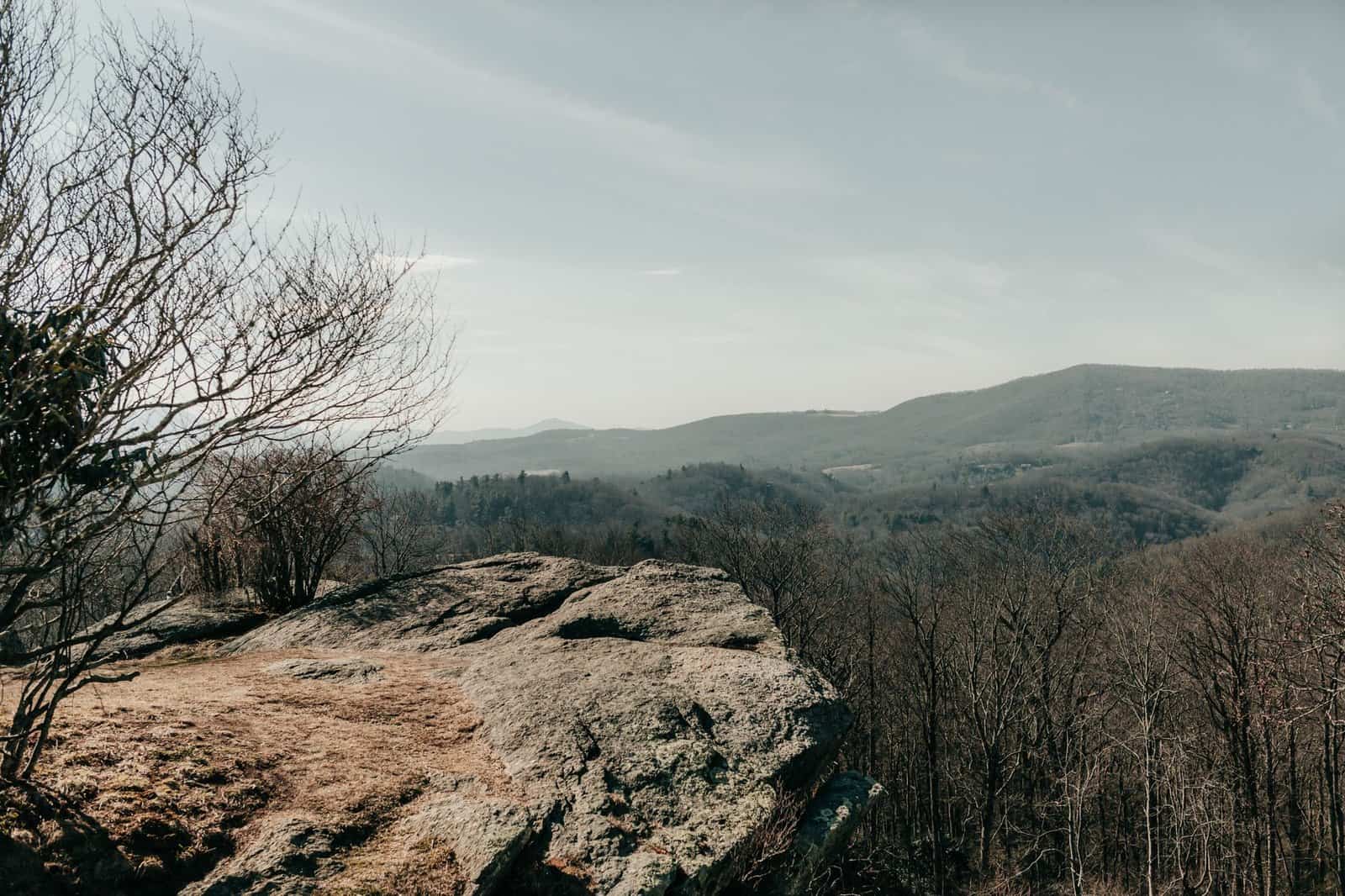
The Blue Ridge Parkway is still one of the most scenic drives in the United States. The Biltmore Estate — Asheville’s single largest tourism draw — reopened quickly and is operating fully. The surrounding mountains, the fall foliage, the hiking trails in Pisgah National Forest: none of that changed. Asheville’s physical setting is permanent.
The arts community that made Asheville’s culture distinctive is still here. Many artists stayed, worked through the disaster, and are producing work that reflects the experience. Visiting the River Arts District in 2026 means encountering work that documents something real — more meaningful, in some ways, than visiting during the peak of the boom years.
Practical Notes for Planning a Trip
Before you go:
- Book accommodations further in advance than you normally would — inventory is tighter
- Check that specific restaurants and attractions are open before making them the centerpiece of your trip
- The Biltmore requires advance tickets — same as always, book online
- Fall 2026 foliage season will draw large crowds — peak color typically runs late October
Asheville was a remarkable city before the flood and it is working its way back to that. What you find there in 2026 is a place that’s earned the word resilient — not as a marketing term, but as a description of what the people there have actually done over the past two years. That’s worth seeing.
Planning a First Visit to Asheville
The logistics of an Asheville trip matter more than in many cities because the most interesting restaurants require advance reservations and the most interesting neighborhoods require a car or rideshare to access independently. The Biltmore Estate — America’s largest privately owned home, with 250 rooms and 8,000 acres — requires its own half-day and advance ticket purchase ($65–$80/adult depending on season). Building the Biltmore into day one or day two as the anchor attraction that structures the rest of the schedule is the most efficient approach.
The food and beverage identity of Asheville is its strongest quality: the farm-to-table sourcing culture that John Fleer and Katie Button (Cúrate) established has influenced a generation of chefs who have stayed in Asheville rather than moving to larger markets, giving the city a restaurant depth per capita that rivals cities three times its size. The West Asheville neighborhood — Haywood Road from Hominy Creek to the Westgate Shopping Center — concentrates independent restaurants, bakeries, and bars in a walkable stretch that’s distinctly less touristy than downtown.