The Ohio River Valley Has a Wine Trail That Nobody Outside the Region Knows About. Here’s Why That’s Changing
We may earn money or products from the companies mentioned in this post. This means if you click on the link and purchase the item, I will receive a small commission at no extra cost to you ... you're just helping re-supply our family's travel fund.
The Ohio River Valley is the largest federally designated wine appellation in the United States by area — covering parts of four states. It’s also one of the least-known wine regions in the country despite having been producing wine since the mid-1800s. The wineries along the river from Cincinnati east into West Virginia, and south into Kentucky, make a road trip that’s become a real destination for serious wine travelers who’ve done Napa and Willamette Valley and are looking for something with more history and less marketing.
The History That Makes This Region Different
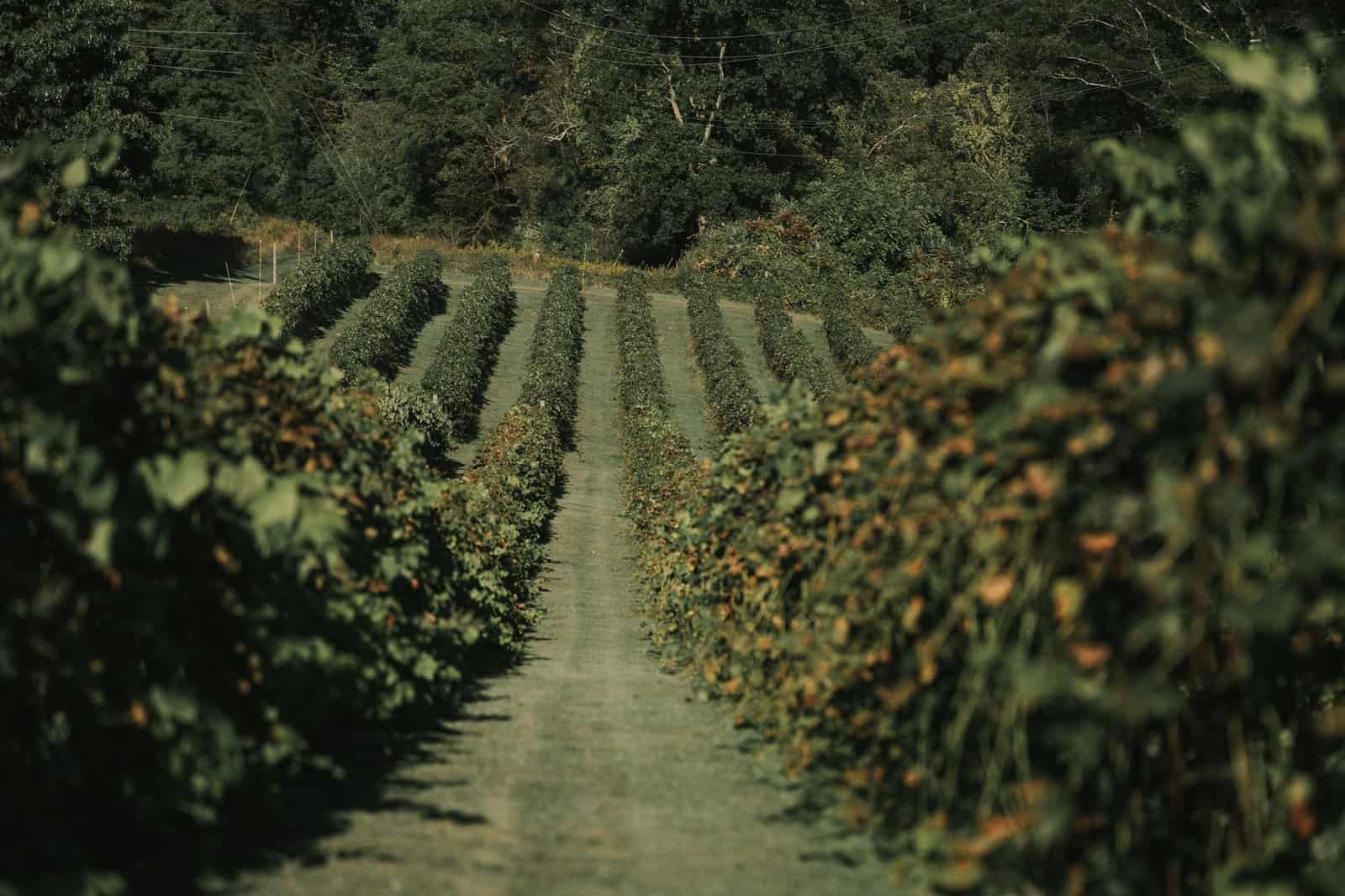
Before Prohibition, Ohio was the second-largest wine-producing state in the country. The Cincinnati area and the Ohio River corridor had dense concentrations of German immigrant winemakers who planted European varieties in the limestone-rich hillsides above the river. Prohibition ended all of it in 1919, and the industry spent decades rebuilding. What’s happening now in the Ohio River Valley is a genuine second act — winemakers working with indigenous varieties like Norton and Vidal Blanc alongside vinifera grapes in a climate that was historically considered difficult but is now being reframed as distinctive.
The Specific Wineries and Towns Worth Planning Around
Ohio side:
- Valley Vineyards (Morrow, OH): One of the oldest continuously operating wineries in Ohio, reliable across multiple styles
- Harmony Hill Vineyards (Peebles, OH): Scenic valley setting with solid Catawba and Chambourcin
- Vinoklet Winery (Cincinnati, OH): Urban Cincinnati winery with surprisingly good production
Kentucky side:
- Talon Winery and Vineyards (Lexington, KY): Technically Bluegrass region, gateway to the bourbon-wine overlap story
- Smith-Berry Winery (New Castle, KY): Small production, notably good Norton
The Road Trip Logic
The most practical approach: use Cincinnati as the base city, which has a real hotel infrastructure, direct flights from major hubs, and a food scene that’s been recognized nationally. Day trips from Cincinnati can reach the majority of the Ohio River Valley wine country within 1–2 hours. A three-day Cincinnati stay with two wine trail days and one city day covers the region without requiring multiple overnight stays at rural inns.
The season matters: harvest in October brings the most energy to the wineries, with events and releases that make the timing worthwhile. The river valley fall foliage combines with the wine experience in a way that makes October the clear peak month. Spring (May–June) before summer heat is the second-best window. Summer visits to river valley wineries in July–August require early-day starts before afternoon heat builds.
The Ohio River Valley wine trail will not replace Napa. That’s not the point. What it offers is an experience with genuine historical roots, significantly lower price points (tasting fees of $8–$15 per person versus $40–$80 in Napa), no crowds, and a chance to drink wines made from varieties that most American wine drinkers have never encountered. For travelers who’ve done the classic American wine regions and want to understand what’s happening in the rest of the country, this trail is one of the more rewarding detours available.
Ohio River Valley Wine Trail — The Best Stops
The Ohio River Valley wine appellation is the oldest in the United States — Ohio was the largest wine-producing state in the country in 1860, before Prohibition destroyed the industry. The revival since the 1990s has concentrated on the river bluffs above the Ohio from Cincinnati east through Ripley and Manchester, where the frost protection, river-moderated temperatures, and limestone soils produce Chambourcin, Norton (a native American grape variety that’s Ohio’s most distinctive), and increasingly successful Cabernet Franc. Valley Vineyards in Morrow, the Vinoklet Winery in Cincinnati’s western suburbs, and the Stone House Winery in Ripley are the most established stops.
The most scenic portion of the Ohio River Valley wine trail runs along OH-52 from Cincinnati east to Ripley — a 2-hour drive that parallels the river through small river towns with antebellum architecture that reflects the region’s pre-Civil War prosperity. Ripley, Ohio was a major Underground Railroad station; the John Rankin House above the town (now a National Historic Landmark) is where Harriet Beecher Stowe observed the family whose escape across the frozen Ohio River became the central scene in Uncle Tom’s Cabin. The wine trail, the river architecture, and the Underground Railroad history make this one of the most historically layered day-trip routes in the Midwest.