Lake Tahoe Costs More Every Year and Has Less Snow Than It Used to. Here’s What the Trip Looks Like Now
We may earn money or products from the companies mentioned in this post. This means if you click on the link and purchase the item, I will receive a small commission at no extra cost to you ... you're just helping re-supply our family's travel fund.
Lake Tahoe is one of the most beautiful places in North America — 22 miles long, 1,644 feet deep, surrounded by the Sierra Nevada at 6,200 feet elevation. The ski resorts are world-class. The summer lake experience is extraordinary. The prices are extraordinary in a different direction, and the climate reality of the past decade has made the ski season less predictable than it was when many of the resorts built their reputations. Here’s the honest 2026 picture.
The Climate Reality
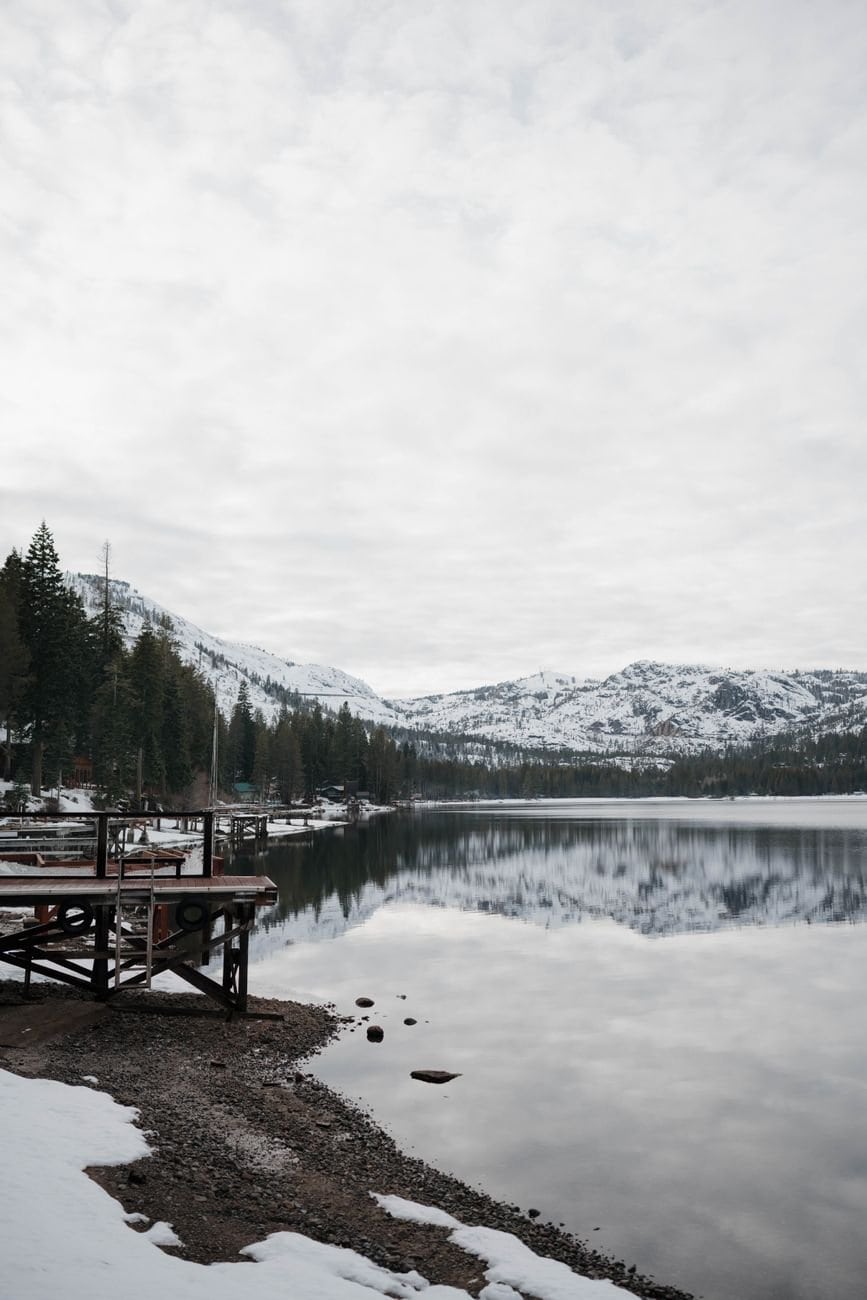
The Sierra Nevada snowpack has been increasingly volatile. The 2021–22 season was drought-miserable for skiing. The 2022–23 season was historically massive. The 2023–24 and 2024–25 seasons were mixed to below average. Tahoe resorts now rely significantly on snowmaking to guarantee early and mid-season coverage, and late-season skiing (April into May) is more dependent on natural snowfall than it was before 2015.
What this means practically: Tahoe ski trips booked far in advance carry more snow condition uncertainty than comparable trips to the Colorado Rockies, which have more consistent snowpack. February and early March remain Tahoe’s most reliable months for natural snow. A January trip can hit excellent conditions or can hit a drought period — a coin flip that the historical averages no longer resolve cleanly.
What Tahoe Actually Costs in 2026
Ski lift tickets:
- Palisades Tahoe (Olympic Valley): $189–$249/day walk-up; $140–$160 advance purchase
- Heavenly, Northstar, Kirkwood (Vail Resorts): Epic Pass covers these; day tickets $180–$230
- Boreal, Soda Springs, Tahoe Donner: smaller mountains, $60–$85/day, good value for beginners
Accommodation (weekend, ski season):
- South Lake Tahoe motels: $180–$280/night on weekends
- North Lake Tahoe / Truckee area lodges: $200–$350/night
- Ski-in/ski-out condos at Northstar or Palisades: $400–$800+/night on weekends
- Rental cabin for a group (4–8 people): $500–$900/night in peak ski season
Why Summer Tahoe Is the Better Value Case
The Lake Tahoe summer experience — clear water, 65°F afternoon temperatures, hiking in the Desolation Wilderness, kayaking and paddleboarding on the lake, the Emerald Bay State Park — is extraordinary and doesn’t require luck with snowfall. Summer accommodation in Tahoe runs 20–30% below ski season rates, the traffic to trailheads is significant but manageable on weekdays, and the lake itself is available at a fraction of winter resort prices.
The case for ski season Tahoe remains compelling if you’re using an Epic or Ikon pass (which makes the lift ticket effectively pre-purchased), if you can go mid-week (accommodation drops 30–40% and resorts are far less crowded), or if you have flexibility in dates to go when conditions align. Booking a ski trip to Tahoe in November for a January weekend and hoping for great conditions is the planning approach most likely to disappoint. Buying an Epic Pass in August and going whenever a 2-week forecast shows a major storm system is the approach that delivers Tahoe at its best.
Lake Tahoe in Fall and Winter
Lake Tahoe’s shoulder and off-peak season provides a completely different experience from the summer crowding and winter ski-peak pricing. October at Lake Tahoe has the same blue water and granite backdrop as July with dramatically reduced accommodation prices (30–40% lower than summer peak) and the aspens and cottonwoods around the lake turning gold. The fall color on the west shore drive and along the Tahoe Rim Trail above the lake reaches peak in the first two weeks of October and provides a visual context that summer visitors who only see the blue-and-green lake don’t experience.
Tahoe’s water clarity is the deepest of any large lake in North America — visibility averages 65 feet. The clarity is a function of the lake’s size (122 square miles), depth (1,645 feet maximum), and the limited organic input from the surrounding granite watershed. The Tahoe Rim Trail’s 165 miles around the lake’s perimeter provide access to the lake’s scale that the shoreside roads don’t — from the high points of the trail on the Nevada side, the lake’s full extent and the surrounding Sierra Nevada peaks are visible in a single field of view. For hikers, the Tahoe Rim Trail section above Spooner Lake on the Nevada side is accessible via the Spooner Lake trailhead and delivers the most open-water views on the trail within the first mile of hiking.