7 Pro Tips for Planning the Perfect Road Trip With Your Pets
We may earn money or products from the companies mentioned in this post. This means if you click on the link and purchase the item, I will receive a small commission at no extra cost to you ... you're just helping re-supply our family's travel fund.
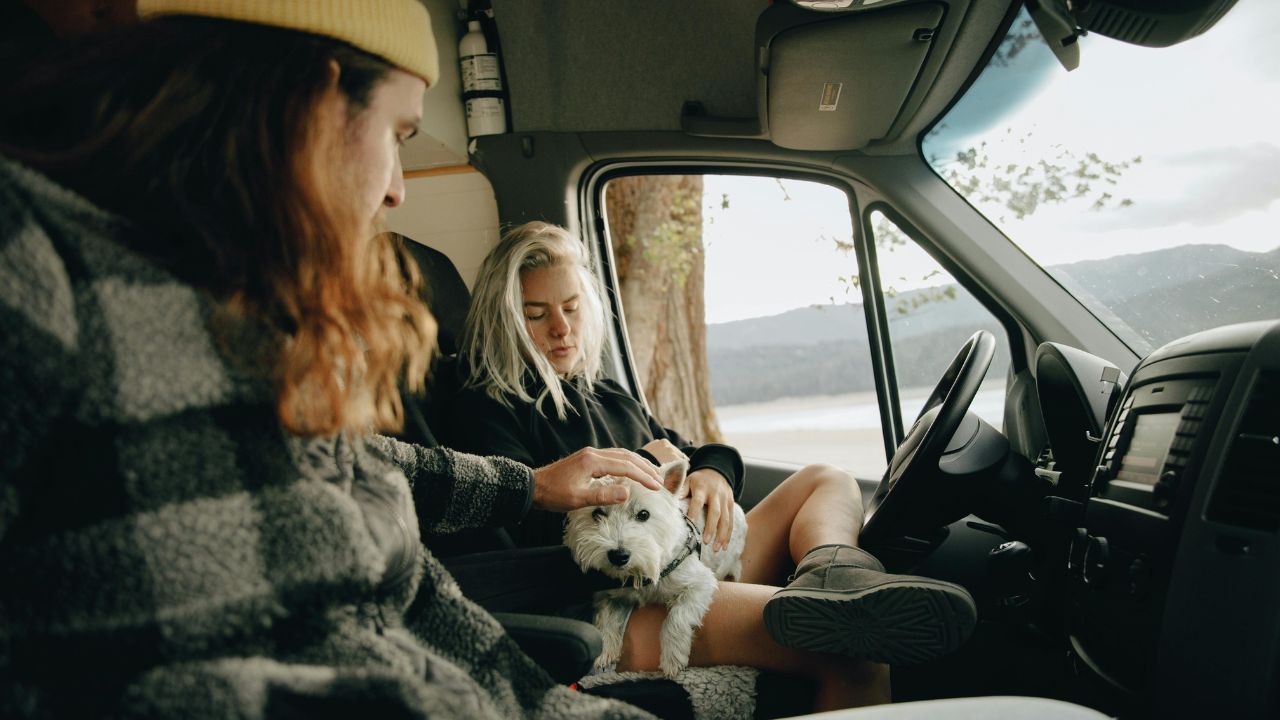
Traveling with pets can be one of the most rewarding parts of a road trip if you’re prepared. From safety to comfort, a bit of planning goes a long way in making sure your four-legged co-pilot has just as much fun as you do. Whether you’re exploring coastlines or heading inland for adventure, these tips will help you avoid surprises and keep tails wagging along the way. Here are seven pro tips to help you plan the perfect road trip with your pets.
Schedule a Vet Visit
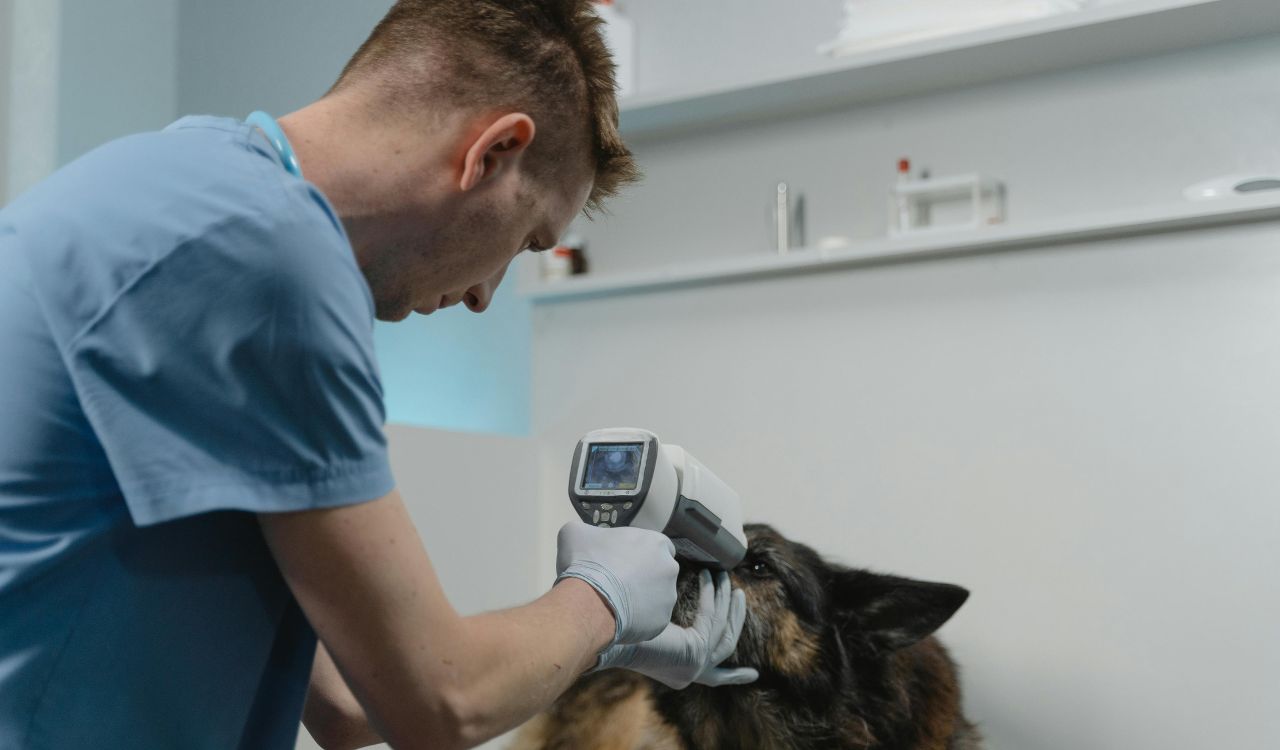
Before you hit the road, book a check-up with your vet. This isn’t just a box to tick it’s about making sure your pet is truly ready for the journey ahead. Your vet can confirm that vaccinations are up to date, provide any necessary medications, check the microchip, and give advice tailored to where you’re headed. This is especially important if you’re traveling to regions with specific parasites, diseases, or environmental conditions your pet may not be used to.
Bring Restraints and Familiar Comforts
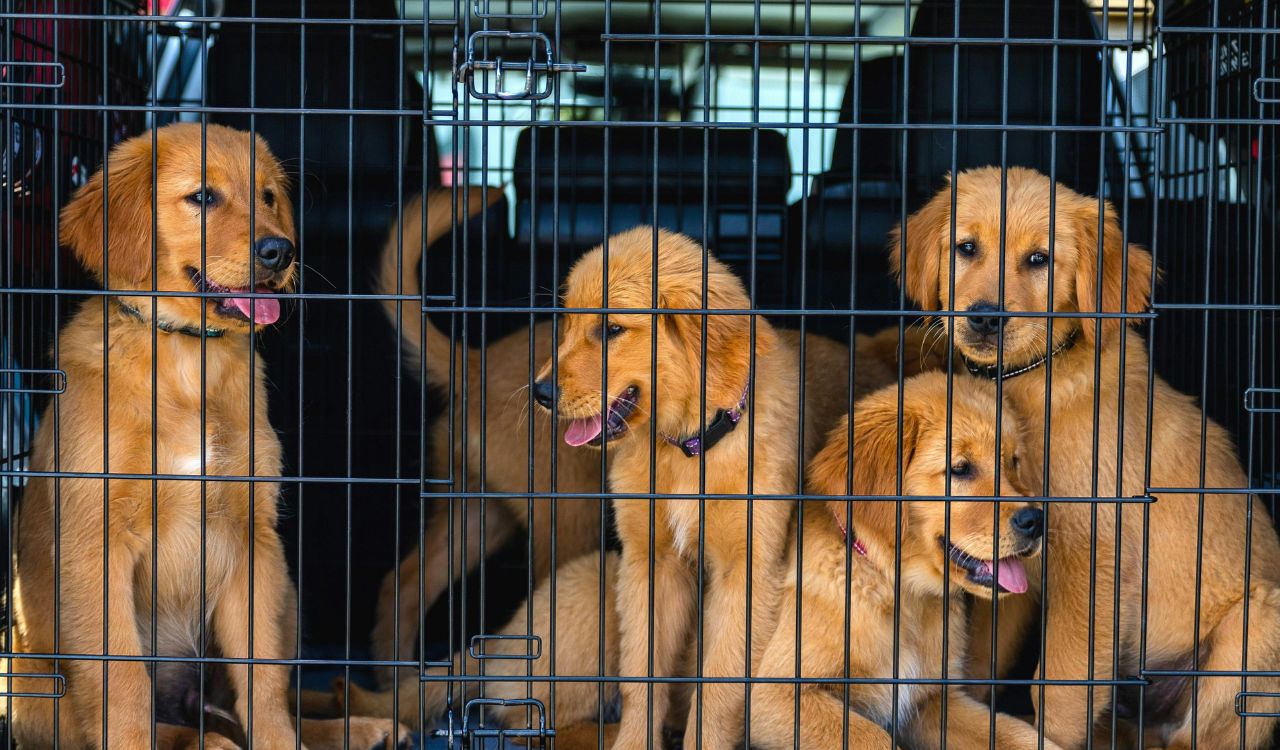
Safety first: pets should never roam free in a moving vehicle. Use a proper car harness, crate, or carrier to keep them secure. But don’t stop there make the space comfortable with their favorite blanket, chew toy, or even a worn t-shirt that smells like home. If your pet isn’t used to car travel, start with short rides leading up to the big trip to ease them in and reduce stress.
Update Microchip and ID Tags
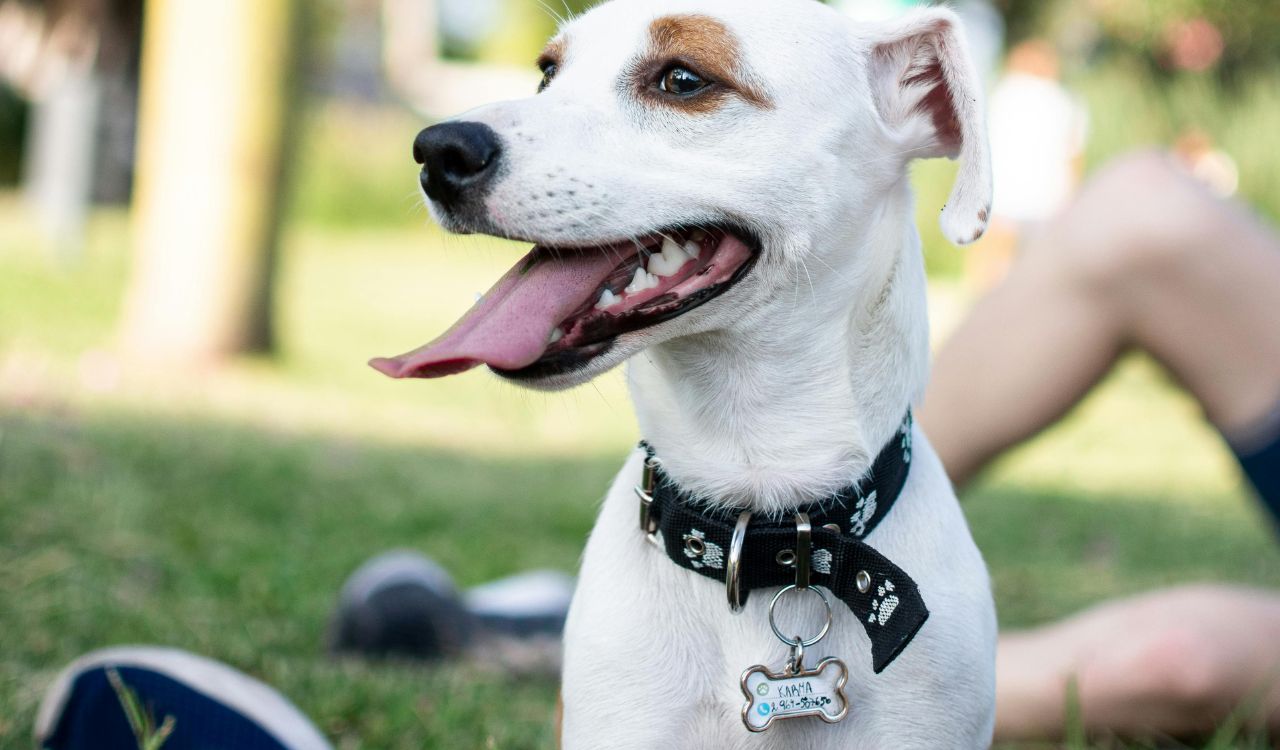
This step is often overlooked but incredibly important. Ensure your pet’s microchip is registered and the contact info is current. Also, double-check their collar tag your name, number, and ideally your email should be clearly readable. If your pet slips away in an unfamiliar place, this simple step makes it far more likely they’ll get back to you quickly.
Know Emergency Vet Locations
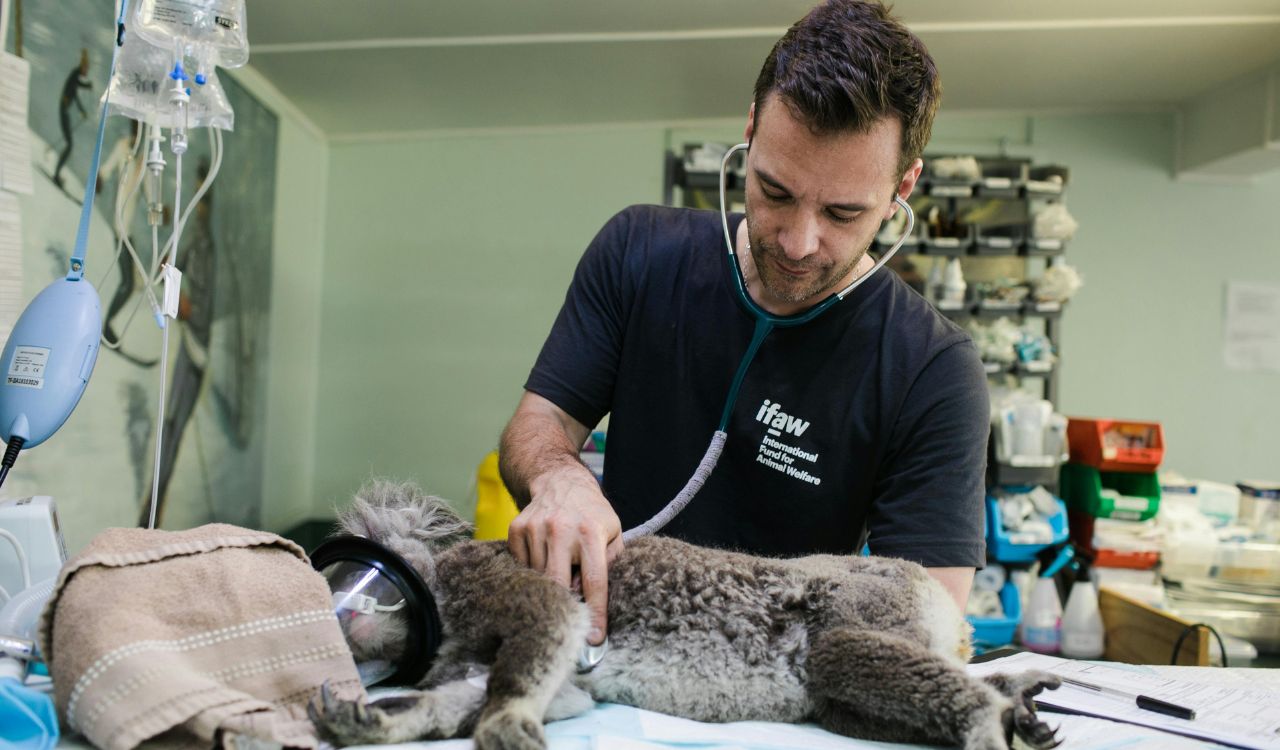
You might have everything planned perfectly, but accidents can still happen. Research emergency vet clinics along your route and save the details offline in case you lose reception. If your pet gets injured, eats something strange, or has a sudden reaction, you’ll thank yourself for knowing exactly where to go without wasting time.
Brush Up on State Travel Laws

Each state may have its own laws when it comes to pet transport. For instance, some require pets to be restrained while others enforce rules about leaving pets in parked cars. What’s legal in one state could earn you a fine in another. Take five minutes to check the pet travel laws in the states you’ll be driving through your wallet and your pet will thank you.
Research Pet Access in Parks

Planning to visit a national park? Double-check the rules. Most U.S. national parks don’t allow pets on hiking trails, and some won’t even let them out of the parking lot. It’s better to know in advance so you can either book a pet-friendly stay nearby or swap in a dog-friendly trail or state park alternative.
Plan Regular Breaks

Don’t just stop when you need gas build in real breaks every couple of hours for everyone’s sanity. Pets need time to stretch, hydrate, and do their business. Look for rest stops with grassy areas or pet relief zones. And always keep your dog leashed during breaks even the best-behaved pets can get overwhelmed by unfamiliar sights and sounds.