RiNo Was Warehouses in 2015. Now It’s Where Denver Sends Its Money. Here’s What Actually Changed.
We may earn money or products from the companies mentioned in this post. This means if you click on the link and purchase the item, I will receive a small commission at no extra cost to you ... you're just helping re-supply our family's travel fund.
The River North Art District, universally shortened to RiNo, was industrial land — warehouses, rail infrastructure, light manufacturing — as recently as the early 2010s. Today it’s Denver’s most talked-about neighborhood, with converted lofts running $450,000 to $900,000, a dense cluster of breweries and galleries, and a level of foot traffic on weekends that the original industrial tenants never generated in a century of operation. Five Points, RiNo’s neighbor and historically Denver’s most significant Black neighborhood, has undergone its own transformation, arguably more fraught, layering new development on top of a community with deep civil rights and jazz-era history.
What actually drove the RiNo transformation
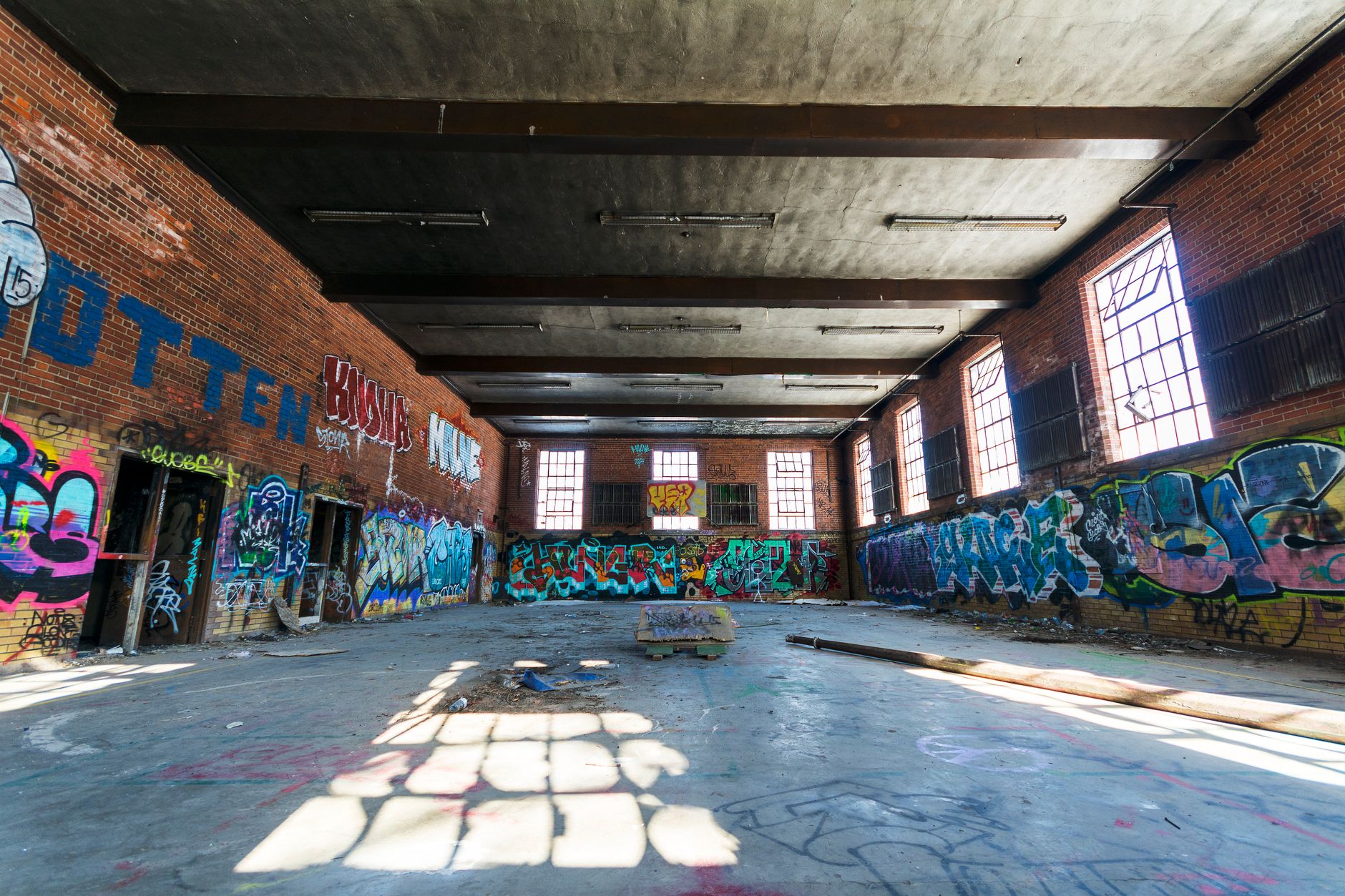
RiNo’s shift started with artists and craft breweries taking advantage of cheap industrial leases in the early 2010s, the same pattern that transformed neighborhoods like Williamsburg in Brooklyn a decade earlier. Denver’s broader population boom — the city added hundreds of thousands of residents across the metro area during the 2010s, driven partly by the state’s early and aggressive cannabis legalization creating a cultural draw, and partly by tech and outdoor-recreation industries relocating workers from more expensive coastal markets. RiNo’s proximity to downtown, paired with large, easily convertible warehouse floor plates, made it the natural landing spot for developers once the artist and brewery scene had already done the work of making the neighborhood feel desirable.
The murals that now cover entire building facades throughout RiNo were, in part, a deliberate branding strategy — the RiNo Art District organization has actively commissioned street art for over a decade specifically to build the neighborhood’s visual identity, turning what could have been generic loft conversions into something that reads as distinctly Denver and distinctly RiNo. That branding worked almost too well: the same murals that made the neighborhood feel authentic and edgy in 2015 are now backdrops for wedding photography and real estate marketing, the typical arc of a neighborhood’s aesthetic being commercialized once it becomes profitable.
Coors Field’s location just south of both neighborhoods has played a quiet but real role in the development pattern, since Denver’s decision to build the Rockies’ ballpark at that specific site in the early 1990s set off a first wave of investment interest in the surrounding blocks that predates the artist-and-brewery-driven RiNo boom by nearly two decades. That early stadium-district investment created some of the initial infrastructure and zoning precedent that made later, larger-scale RiNo development easier to execute, a reminder that most neighborhood transformations layer multiple, sometimes decades-apart waves of investment on top of each other rather than happening in one clean, single-decade arc the way the “warehouses to lofts” narrative usually gets told.
Five Points carries a heavier history
Five Points was historically known as the “Harlem of the West,” a center of Black-owned business and jazz culture through the mid-20th century, home to clubs that hosted legends like Duke Ellington and Billie Holiday when segregation limited where Black performers and audiences could go elsewhere in Denver. Welton Street, the neighborhood’s historic commercial spine, still carries that legacy in institutions like the Welton Street Cafe, which reopened in late 2024 after a two-year closure, serving soul food from the same stretch of block where it’s operated for decades. But Five Points has also experienced significant demographic change tied to the same development pressure reshaping RiNo next door — long-term Black homeownership in the neighborhood has declined over recent decades as property values climbed and original owners sold or were priced out by rising costs, a pattern that community advocates and city planners have documented and debated for years without a clear resolution.
The current price reality across both neighborhoods
- RiNo lofts and condos: roughly $450,000 to $900,000 depending on building and unit size
- Five Points: a wider range, with some pockets still meaningfully cheaper than RiNo but rising fast near the light rail corridor
- Both neighborhoods sit within a short walk or light-rail ride of downtown Denver and Coors Field
- Sunnyside, further northwest, has followed a similar but slightly delayed trajectory as buyers priced out of RiNo look for the next option
What it’s actually like to visit now
Denver’s broader housing market has struggled to keep pace with population growth for over a decade, and RiNo and Five Points sit at the center of that citywide tension precisely because they’re two of the few remaining large parcels close to downtown where major new construction is still physically possible. City council debates over rezoning, height limits, and affordable housing requirements in both neighborhoods have grown contentious enough to draw statewide political attention, with some Denver officials pushing inclusionary zoning requirements that mandate a percentage of new units be priced below market rate, while developers argue those requirements make already expensive projects financially unworkable. That fight isn’t close to resolved, and it will likely determine whether either neighborhood retains any meaningfully affordable housing stock within the next decade.
RiNo today functions as Denver’s most concentrated entertainment district outside downtown proper — the Denver Central Market food hall, Death & Co.’s Denver outpost, and a dense strip of breweries within a few blocks of each other make it possible to spend an entire day without leaving a six-block radius. Five Points retains more of its original texture, with newer businesses like Pig and Tiger and Rougarou opening alongside decades-old institutions, creating a food scene that’s genuinely mixed between old and new rather than fully replaced. Visitors looking for the “real” version of either neighborhood are really looking for something that existed a decade ago and has already substantially changed — but both places still offer something distinct from generic downtown Denver, even if the distinctness now comes with a price tag that would have been unrecognizable to the artists who moved into RiNo’s empty warehouses fifteen years ago.