People Who Move to Albuquerque Either Love It Within a Month or Leave Within Two Years. There’s No Middle Group.
We may earn money or products from the companies mentioned in this post. This means if you click on the link and purchase the item, I will receive a small commission at no extra cost to you ... you're just helping re-supply our family's travel fund.
Albuquerque doesn’t get the tourism attention Santa Fe does, an hour north, and it doesn’t get the retirement-destination reputation that Tucson or Scottsdale have built in neighboring Arizona. It’s New Mexico’s largest city by a wide margin, with roughly 560,000 residents, sitting in a high desert valley along the Rio Grande with the Sandia Mountains rising sharply on its eastern edge. People who relocate there for work or a fresh start tend to sort into two camps fast, and locals will tell you the split happens for identifiable reasons rather than random personal preference.
Why some people fall for it immediately
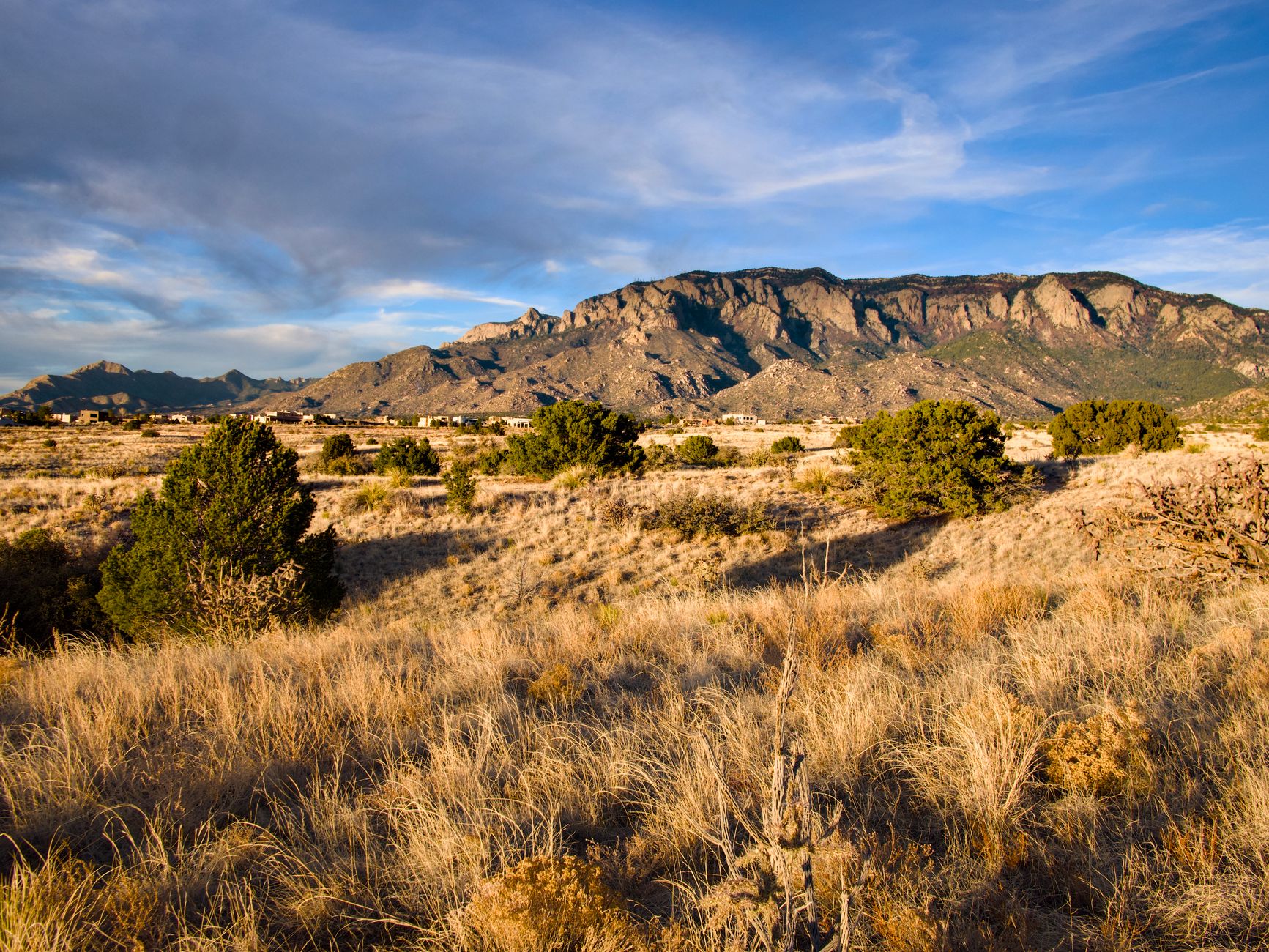
Albuquerque’s cost of living remains genuinely low relative to other Southwestern cities its size — median home prices sit well below Phoenix, Denver, or Austin, and the Sandia Peak Tramway, one of the longest aerial trams in the world, gives residents casual access to alpine terrain a short drive from downtown. The green chile culture is not a tourist gimmick; it’s a real, deeply held regional food identity, showing up on everything from breakfast burritos to burgers at local chains like Sadie’s or Frontier, and the light quality in the high desert — the specific golden-hour glow that made Albuquerque a natural filming location for Breaking Bad — genuinely changes how people experience the city day to day. For a certain kind of person, usually someone drawn to outdoor access, unpretentious food culture, and a slower pace than a coastal city, Albuquerque clicks almost immediately.
Why others leave within two years
The city has struggled with crime rates that consistently rank among the higher levels for U.S. metros of its size, and specific corridors, including stretches of Central Avenue (old Route 66), have visible issues with homelessness and drug use that newcomers from smaller or wealthier markets often find jarring. Albuquerque Public Schools has faced funding and performance challenges that push some transplant families toward private schools or away from the city entirely once they have school-age kids. The job market outside government, university (University of New Mexico), and the national laboratories (Sandia National Laboratories and nearby Los Alamos) is thinner than in comparable Sun Belt cities, which limits career mobility for people who arrive without one of those anchor employers already lined up.
Traffic and infrastructure add another layer transplants don’t anticipate. Albuquerque’s road network was largely built for a smaller population, and while the city doesn’t have the gridlock of Phoenix or Denver, specific corridors like I-25 through downtown during rush hour or the Paseo del Norte interchange can feel disproportionately frustrating relative to the city’s overall size. The Rail Runner Express, a commuter train connecting Albuquerque to Santa Fe, has given residents a genuinely useful alternative for that specific route, and its existence surprises many newcomers who assumed a Southwestern city this size wouldn’t have meaningful public transit infrastructure at all.
There’s also a cultural adjustment that catches transplants off guard: New Mexico’s demographic and cultural mix — a large Hispanic population with roots predating U.S. statehood by centuries, several Native American pueblos in close proximity, and a distinct regional identity that doesn’t map cleanly onto either “Southwest generic” or Texas-style culture — takes longer to understand than most newcomers expect, and people who arrive assuming Albuquerque will feel like a smaller Phoenix or Denver are often surprised by how different the social and cultural fabric actually is.
The specifics that shape the decision either way
- Median home prices well below comparable Southwestern cities, a major draw for budget-conscious relocators
- Crime statistics, particularly property crime, that rank among the more challenging for a city its size
- A strong outdoor recreation scene via the Sandia Mountains, the Rio Grande bosque trail system, and nearby Santa Fe National Forest
- A job market anchored heavily by government, defense research, and the university rather than a diverse private sector
The version that gets missed by both extremes
Albuquerque’s climate plays a bigger role in the split than most transplants expect going in. The high desert elevation, roughly 5,300 feet, means genuinely cold winters with occasional snow, a detail that surprises people who assumed all of New Mexico would feel like a warmer, drier version of Arizona year-round. Summers are hot but dry, without the oppressive humidity of Houston or the extreme highs of Phoenix, and the low humidity combined with the elevation produces a specific kind of intense, clear sunlight that either becomes a person’s favorite thing about living there or, for people prone to dry skin, nosebleeds, or migraines triggered by pressure changes, a persistent physical annoyance that never fully resolves.
Neither the enthusiastic converts nor the quick leavers usually engage with Albuquerque’s full complexity — the enthusiasts often stay within the more affluent Northeast Heights or Nob Hill areas near the university, while the people who leave frustrated sometimes never fully explore beyond their immediate frustration with a specific corridor or neighborhood. The city genuinely has both a struggling, underinvested core and pockets of real charm and stability, sometimes separated by only a few blocks, and how someone experiences Albuquerque often comes down to which version they happened to land in first, more than any broader truth about the city as a whole.
Balloon Fiesta week every October offers a useful snapshot of the city at its most confident and most crowded at once. The Albuquerque International Balloon Fiesta draws several hundred thousand visitors and hundreds of hot air balloons over nine days, becoming the most photographed event of its kind on the planet, and for one week the city’s tourism infrastructure, restaurants, and hotels operate at a completely different scale and energy than the rest of the year. Longtime residents have mixed feelings about the week — genuine civic pride mixed with real frustration over traffic and short-term rental price spikes — which is itself a fairly accurate microcosm of how Albuquerque residents feel about the city’s broader growth and outside attention more generally.