Pensacola, Florida Has a Naval Air Station Older Than Naval Aviation Itself. That Explains Half the City’s Economy.
We may earn money or products from the companies mentioned in this post. This means if you click on the link and purchase the item, I will receive a small commission at no extra cost to you ... you're just helping re-supply our family's travel fund.
Pensacola, Florida is known nationally, when it’s known at all, for its white-sand beaches and the Blue Angels flight demonstration team, but Naval Air Station Pensacola, established in 1914 as the Navy’s first aeronautical training station, remains the single largest driver of the local economy, employing tens of thousands of active-duty personnel, civilian contractors, and support staff across a base complex that predates naval aviation as an organized military discipline entirely.
That military anchor gives Pensacola an economic stability that many other Florida coastal cities, dependent almost entirely on tourism’s seasonal and hurricane-vulnerable revenue, simply don’t have, and it shapes everything from the housing market to the school system in ways beach-focused coverage of the city rarely mentions.
NAS Pensacola’s Outsized Economic Footprint
Naval Air Station Pensacola trains virtually every Navy and Marine Corps aviator, along with many Coast Guard pilots, in initial flight instruction, making it a mandatory stop for a huge slice of American military aviation careers and giving the base a constant, predictable flow of personnel and families rotating through the area on a scale most tourists driving past the gate never register. The base complex also houses the National Naval Aviation Museum, a serious aviation history destination in its own right that draws visitors independent of the beach crowd.
Economic impact studies commissioned by the local chamber of commerce have consistently found that NAS Pensacola and the surrounding military infrastructure, including Naval Air Station Whiting Field and Eglin Air Force Base nearby, account for a share of the regional economy that rivals or exceeds tourism, even though tourism receives dramatically more marketing attention and press coverage.
This military presence has also shaped Pensacola’s demographics and politics distinctly from other Florida Gulf Coast cities, with a large veteran population, a more conservative voting pattern than South Florida, and a steady, less boom-and-bust housing demand driven by military families who need housing regardless of the broader Florida real estate cycle.
The Beach Economy Everyone Actually Sees
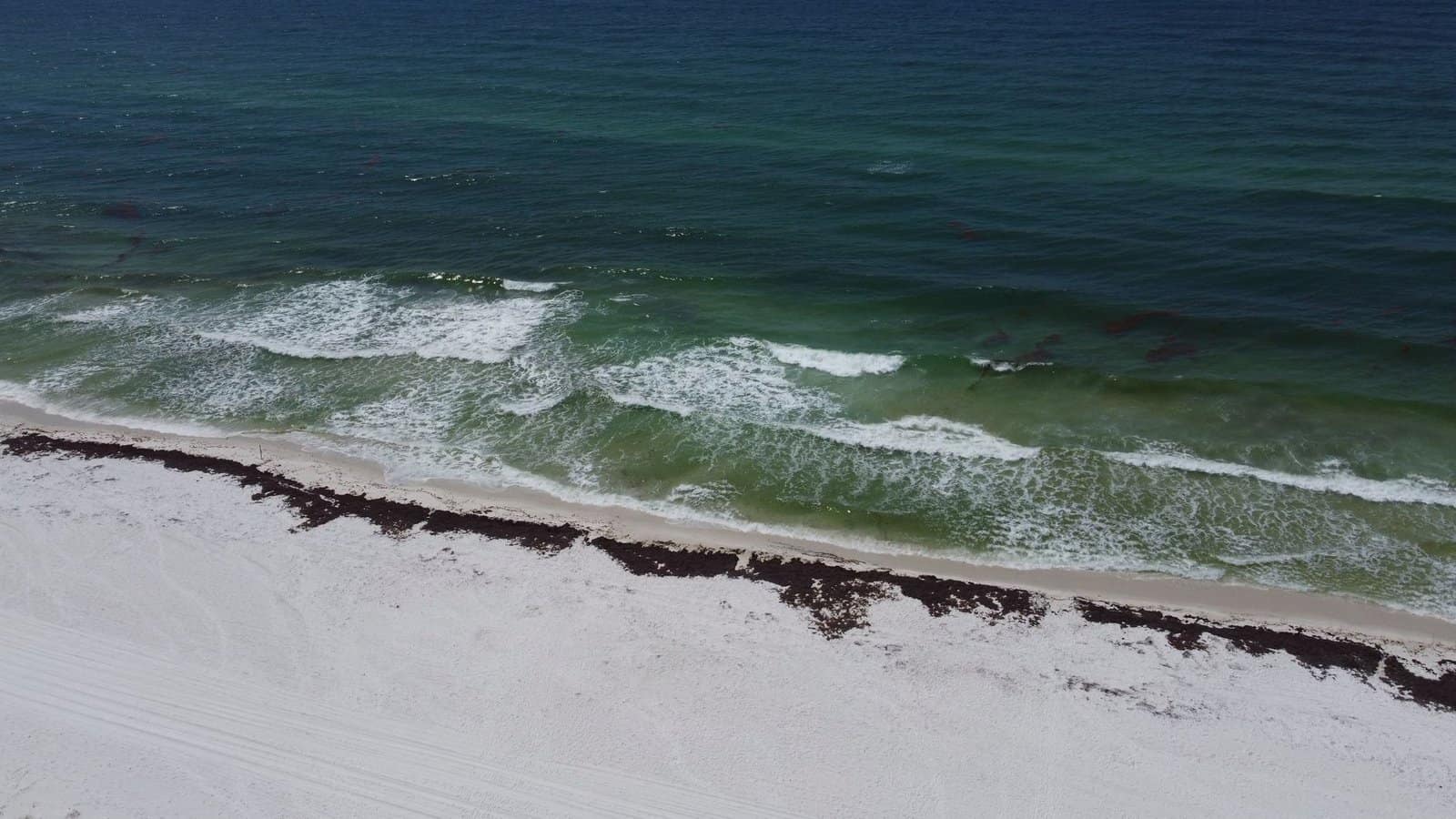
Pensacola Beach, on Santa Rosa Island, and the Gulf Islands National Seashore give Pensacola genuinely excellent, less crowded beach access compared to more heavily developed Florida Panhandle destinations like Destin, a comparison locals make frequently and with some pride. The beach economy here skews more toward families and regional day-trippers from Alabama and Mississippi than the destination-wedding and bachelor-party tourism that dominates further east along 30A.
- Pensacola Beach sits on a barrier island connected to the mainland by a toll-free bridge, unusual among Florida’s more commercialized beach towns
- The Blue Angels, based at NAS Pensacola, perform a free annual air show that draws visitors specifically for the military aviation spectacle
- Gulf Islands National Seashore protects a significant stretch of coastline from the kind of dense development seen elsewhere on the Gulf Coast
- Hurricane risk remains a serious factor, with Hurricane Ivan in 2004 causing catastrophic damage that reshaped parts of the beach community
Downtown Pensacola’s Separate Revival
Downtown Pensacola underwent its own redevelopment over the past two decades, centered on Palafox Street, a historic corridor that has attracted breweries, restaurants, and residential conversions of older commercial buildings, creating a walkable urban core distinct from both the military base and the beach. This downtown revival draws a mix of military families stationed nearby, university students from the University of West Florida, and a growing population of remote workers who chose Pensacola for its combination of affordability and coastal access.
Palafox Street’s Gallery Night, held monthly, has become a genuine local cultural event that draws a crowd with little overlap with either the beach tourist demographic or the base population, suggesting Pensacola has developed a third, more conventional small-city cultural identity alongside its military and beach economies.
What Housing Costs Actually Look Like
Pensacola’s housing market has remained comparatively affordable relative to other Florida coastal cities, with median home prices as of 2025 still meaningfully below Tampa, Sarasota, or the more southern Gulf Coast markets, a gap partly explained by steady but unspectacular military-driven demand rather than the speculative second-home buying that has driven prices up elsewhere in the state. Insurance costs, however, have risen sharply here too, following the same statewide pattern affecting coastal Florida broadly.
Military families moving to the area benefit from a robust rental and off-base housing market that has developed specifically to serve the base’s rotating personnel, giving Pensacola’s real estate market a demand floor that doesn’t disappear the way tourism-dependent markets can during economic downturns.
Why This Combination Makes Pensacola Distinct
Few American coastal cities combine a major military installation, a genuine beach tourism economy, and a revitalizing historic downtown in quite the balance Pensacola manages, giving it an economic diversification that insulates it somewhat from the boom-and-bust cycles that define more single-industry-dependent Florida coastal towns.
For visitors and potential transplants, understanding that NAS Pensacola isn’t just a backdrop for air shows but the actual economic foundation of the region reframes the city considerably, from a beach town with a bonus military base to a military town that happens to have an excellent beach attached to it.
The University of West Florida, while smaller than the state’s flagship schools, adds a fourth economic layer to the area, contributing research funding and a student population that supports downtown’s bar and restaurant scene independent of both the tourist season and the base’s deployment cycles, giving Pensacola yet another buffer against relying too heavily on any single economic driver.
Local economic development officials have started marketing this diversification explicitly to businesses considering relocation, arguing that Pensacola’s combination of military stability, tourism revenue, a university presence, and a growing remote workforce gives it a more resilient economic profile than beach-dependent peer cities that lack any comparable institutional anchor.
Pensacola’s cost of living, factoring in housing, groceries, and everyday services, continues to run below the national average even as it has risen alongside the rest of Florida since 2020, a combination that keeps drawing both retiring military personnel who train or serve there at some point in their careers and civilian remote workers who discovered the city during broader Sun Belt migration trends of the past several years.