14 Famous Landmarks in Rome, Italy (History and Culture in Every Corner!)
We may earn money or products from the companies mentioned in this post. This means if you click on the link and purchase the item, I will receive a small commission at no extra cost to you ... you're just helping re-supply our family's travel fund.
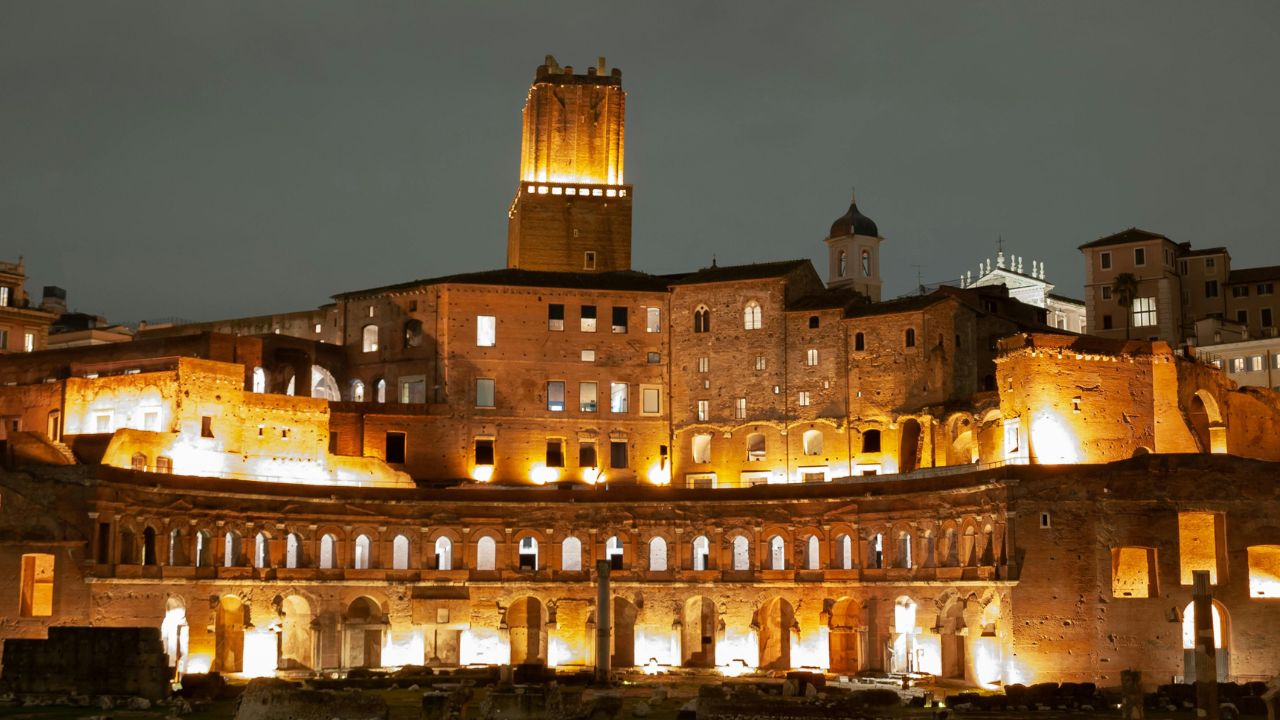
Rome isn’t just a city, it’s a living museum. Every street corner, piazza, and alley tells a story carved in stone or painted on centuries-old walls. Whether it’s gladiators in the Colosseum or popes in St. Peter’s Basilica, history clings to every inch of the Eternal City. If you’re planning a trip and want to dive headfirst into Roman history, these 14 landmarks are the ones you simply can’t miss.
The Colosseum
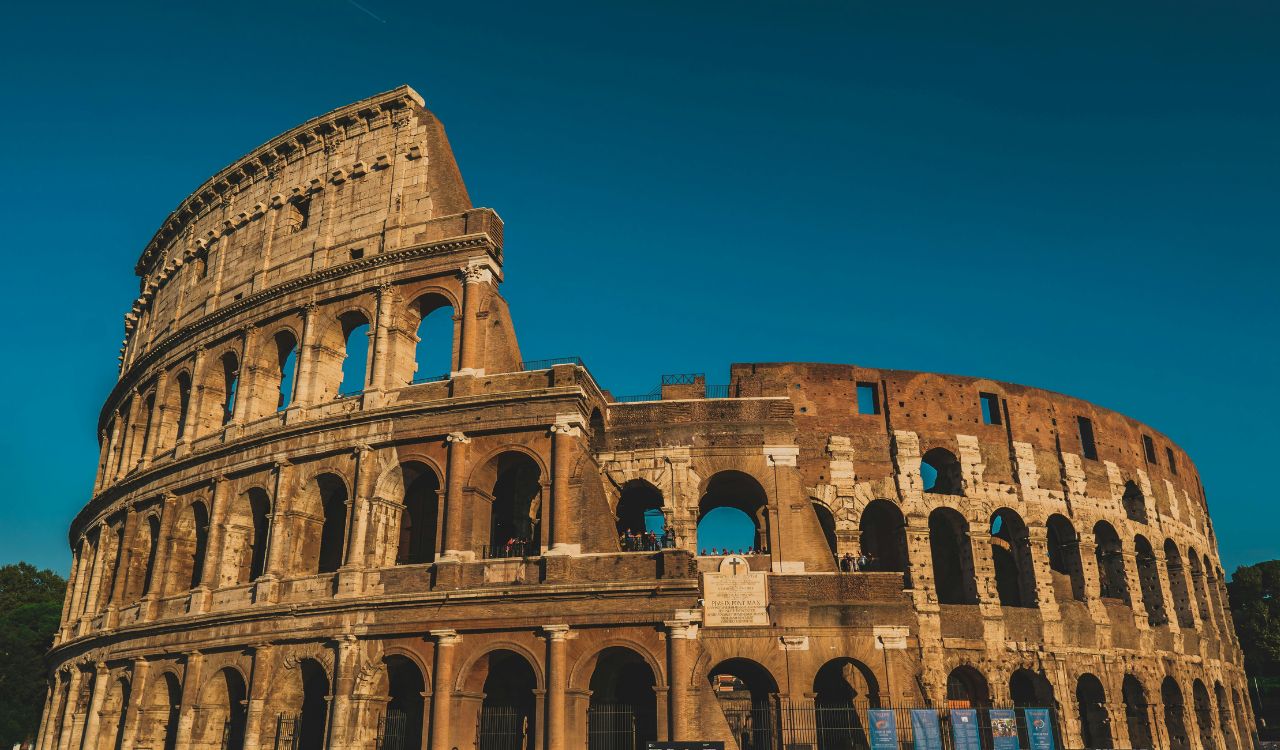
This ancient amphitheater once echoed with the roar of 50,000 spectators cheering on gladiators and wild beasts. Opened in 80 AD, the Colosseum was Rome’s top arena for public entertainment. Its brutal spectacles might be long gone, but the structure still impresses with its massive arches, underground tunnels, and panoramic views from the upper tiers. It remains one of the most iconic remnants of the Roman Empire.
Roman Forum
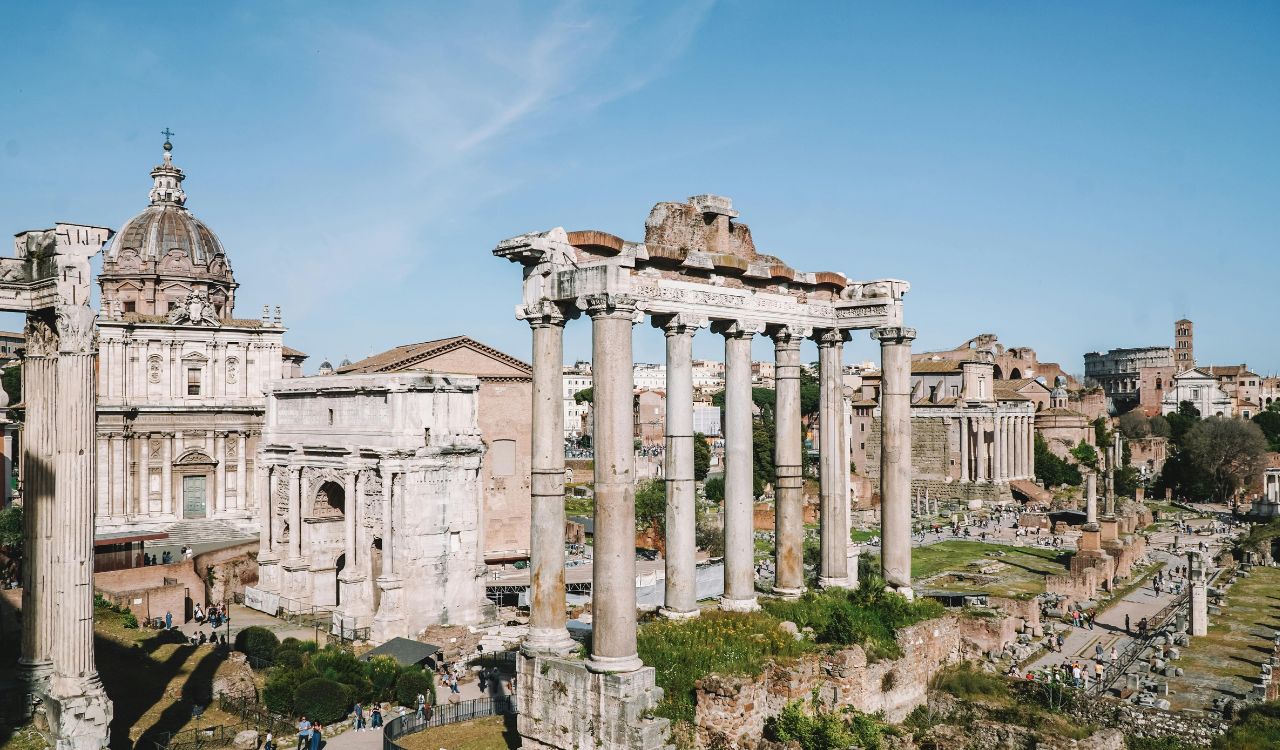
Right next to the Colosseum lies the Roman Forum, which was once the epicenter of Roman politics, commerce, and religion. Senators debated, emperors paraded, and temples to ancient gods towered over the bustling streets. Walking through the ruins today, you can still see the skeletal remains of arches, columns, and roads that once connected an empire.
Palatine Hill
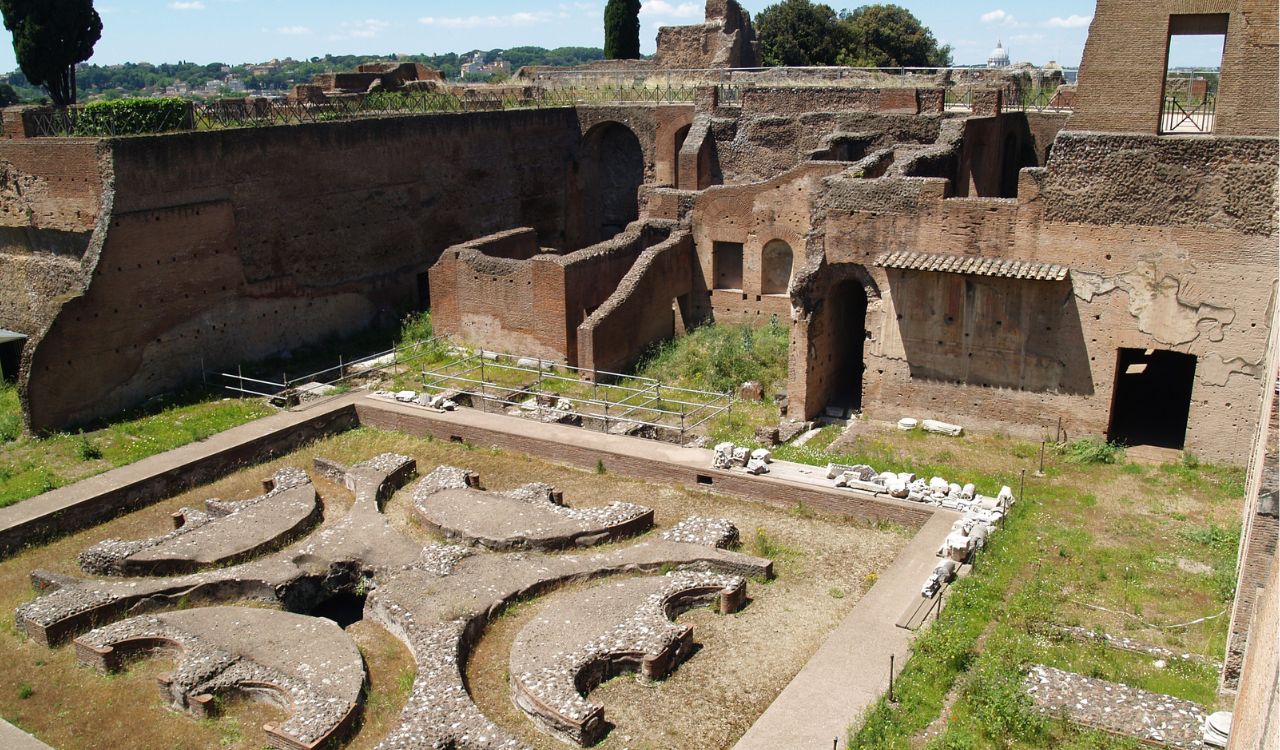
Legend says Romulus founded Rome on Palatine Hill, and later emperors chose it as the spot for their grand palaces. Overlooking the Forum, this area became home to sprawling estates like the Domus Augustana. Today, it’s a lush escape into history, where ancient foundations and Renaissance gardens coexist in quiet beauty above the chaos below.
Trevi Fountain
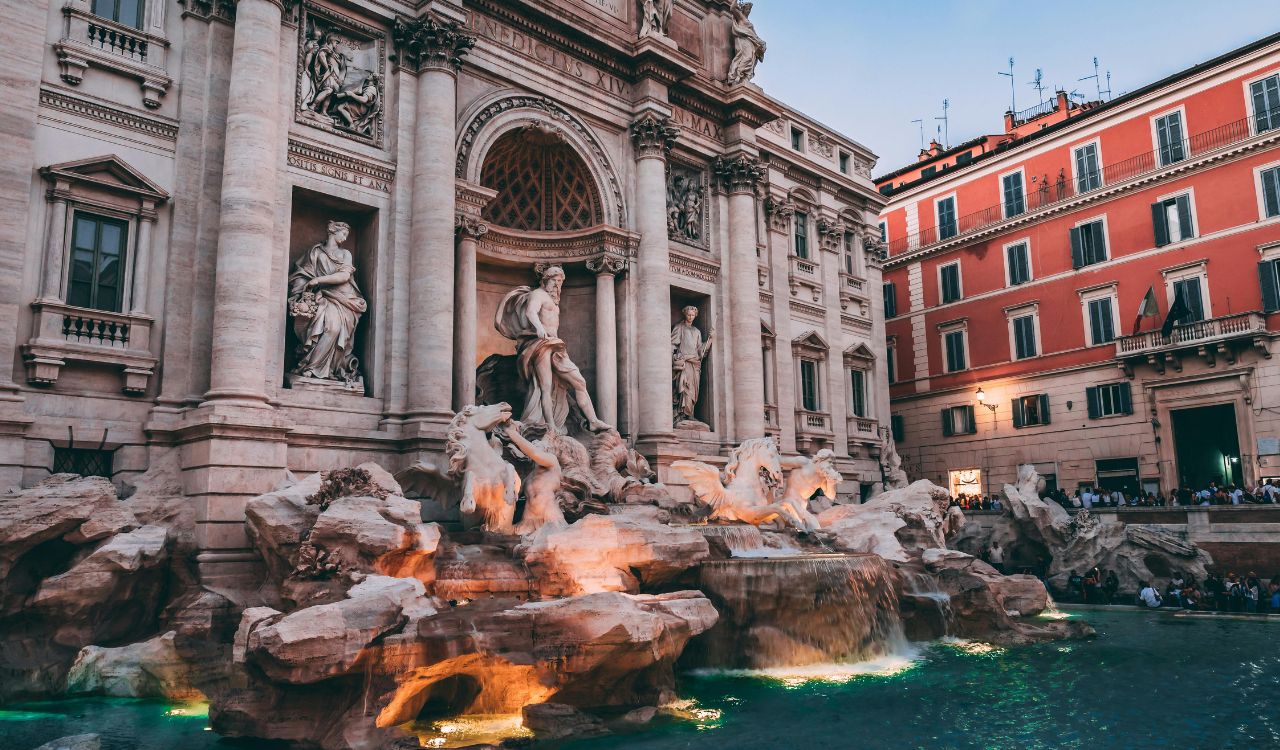
Possibly the most photographed fountain in the world, Trevi Fountain is a baroque masterpiece from the 18th century. It marks the end of an ancient Roman aqueduct and depicts Oceanus commanding horses and tritons. Legend has it if you toss a coin over your shoulder into the water, you’ll return to Rome someday. And judging by the crowd, most people are planning return trips.
Spanish Steps
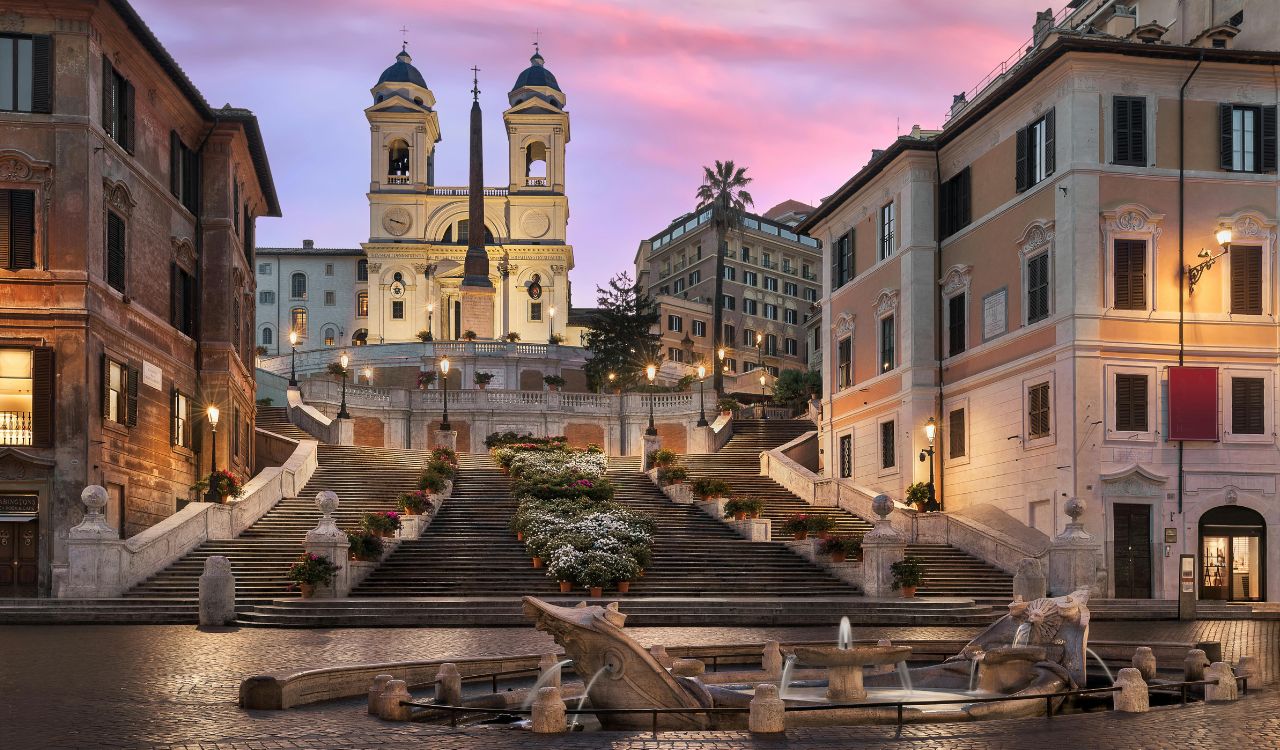
These elegant 18th-century steps were designed to connect the French-owned church Trinità dei Monti with the Spanish square below. With 135 steps and sweeping views over Rome, the area has long been a gathering place for artists, poets, and travelers. Today, it’s also a popular resting spot for visitors eager to watch Rome drift by.
Castel Sant’Angelo
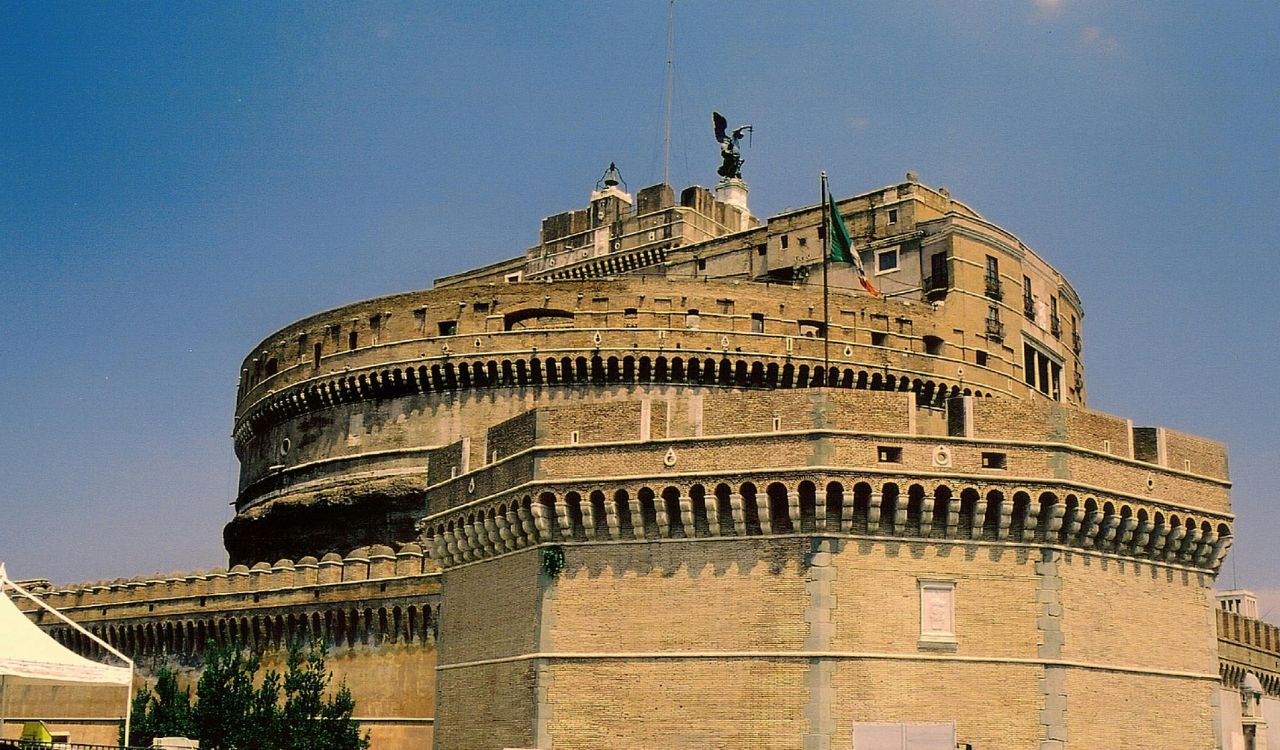
Originally built as Emperor Hadrian’s mausoleum, this cylindrical fortress evolved into a papal stronghold and even a prison. Linked to the Vatican by a secret corridor, it’s packed with layers of history from Roman burial chambers to Renaissance frescoes. Climb to the rooftop for some of the best views in the city.
Piazza Navona
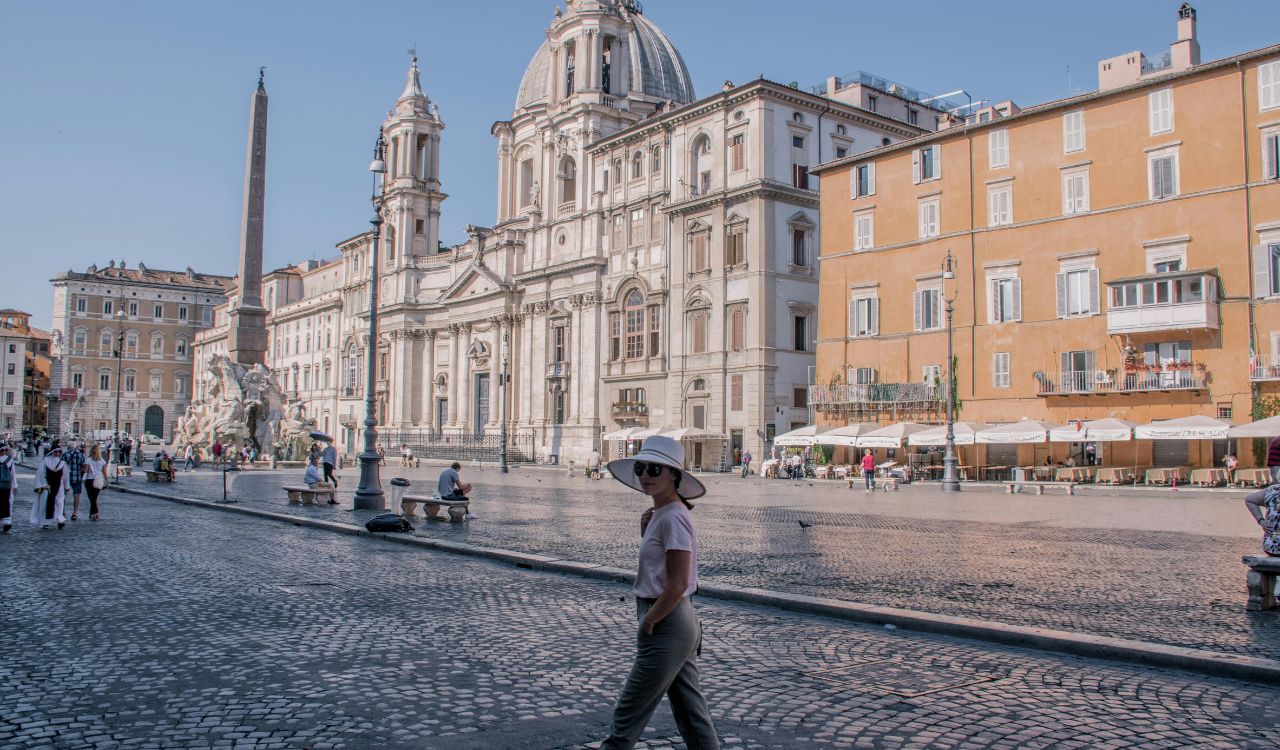
This grand square sits atop an ancient Roman stadium, and its elongated shape still hints at chariot races. Today, Piazza Navona is alive with fountains, cafes, and artists selling sketches. The highlight is Bernini’s Fountain of the Four Rivers, a theatrical display of stone figures representing the world’s great rivers with the Egyptian obelisk rising above them.
St. Peter’s Basilica
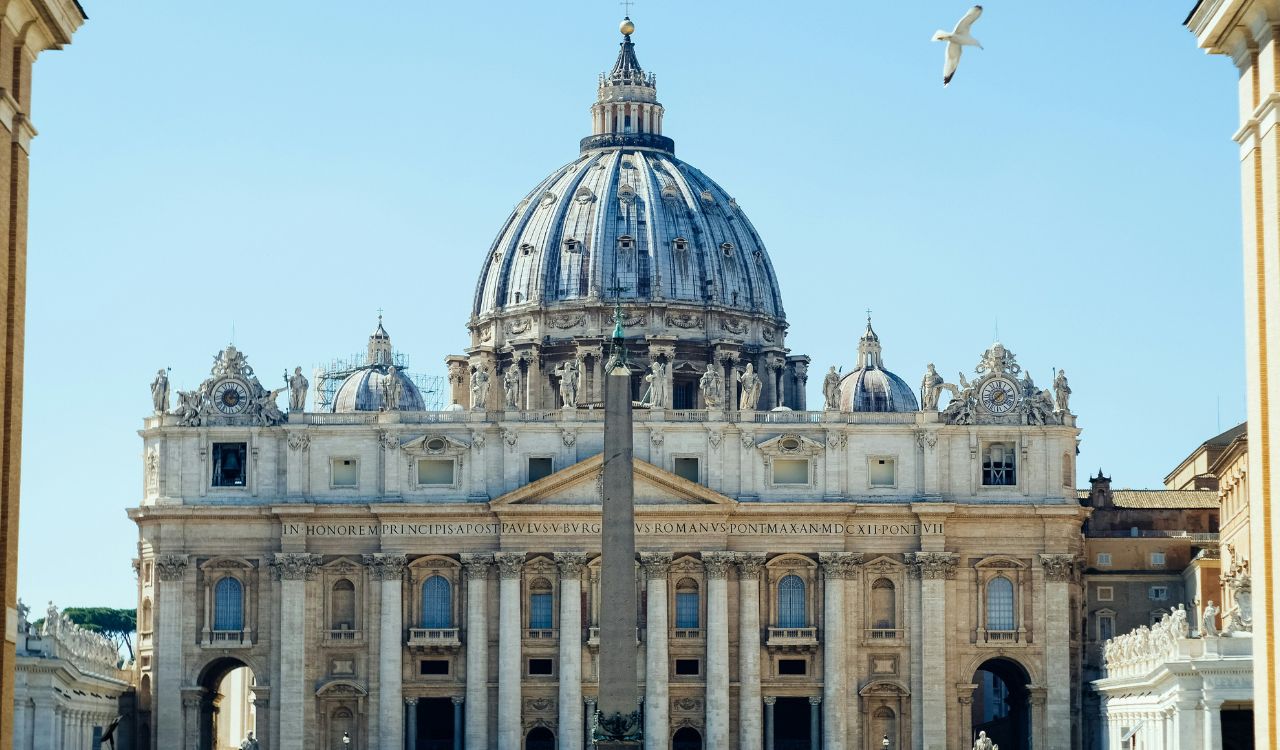
Located in Vatican City but inseparable from the fabric of Rome, St. Peter’s Basilica is the spiritual center of Catholicism and a stunning feat of Renaissance architecture. Michelangelo’s Pietà, Bernini’s canopy, and the massive dome, also by Michelangelo, are just a few highlights. Climb to the dome’s top for a stunning view across St. Peter’s Square and beyond.
The Pantheon
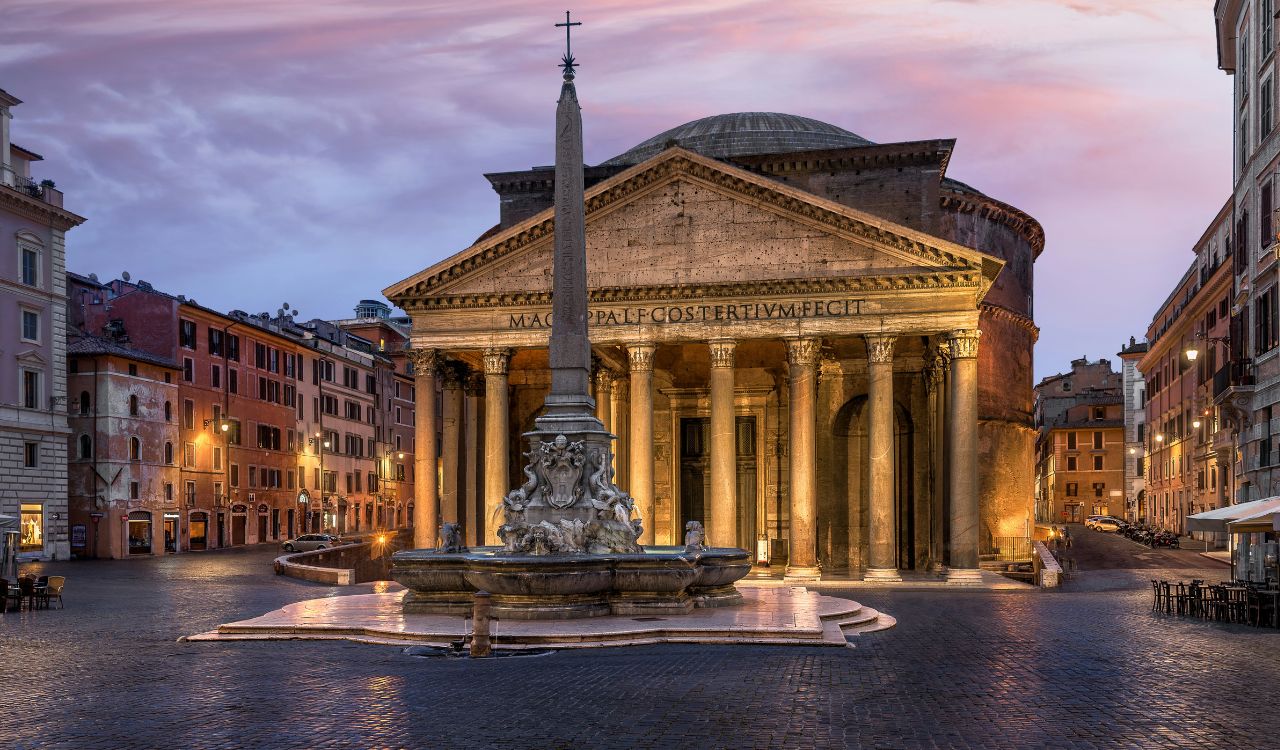
The Pantheon has stood for nearly 2,000 years and still has the largest unreinforced concrete dome in the world. Originally a pagan temple, it was later consecrated as a Christian church, which helped preserve it. The oculus at the dome’s center lets in a stream of light and sometimes rain, making the interior both sacred and dramatic.
Vatican Museums & Sistine Chapel
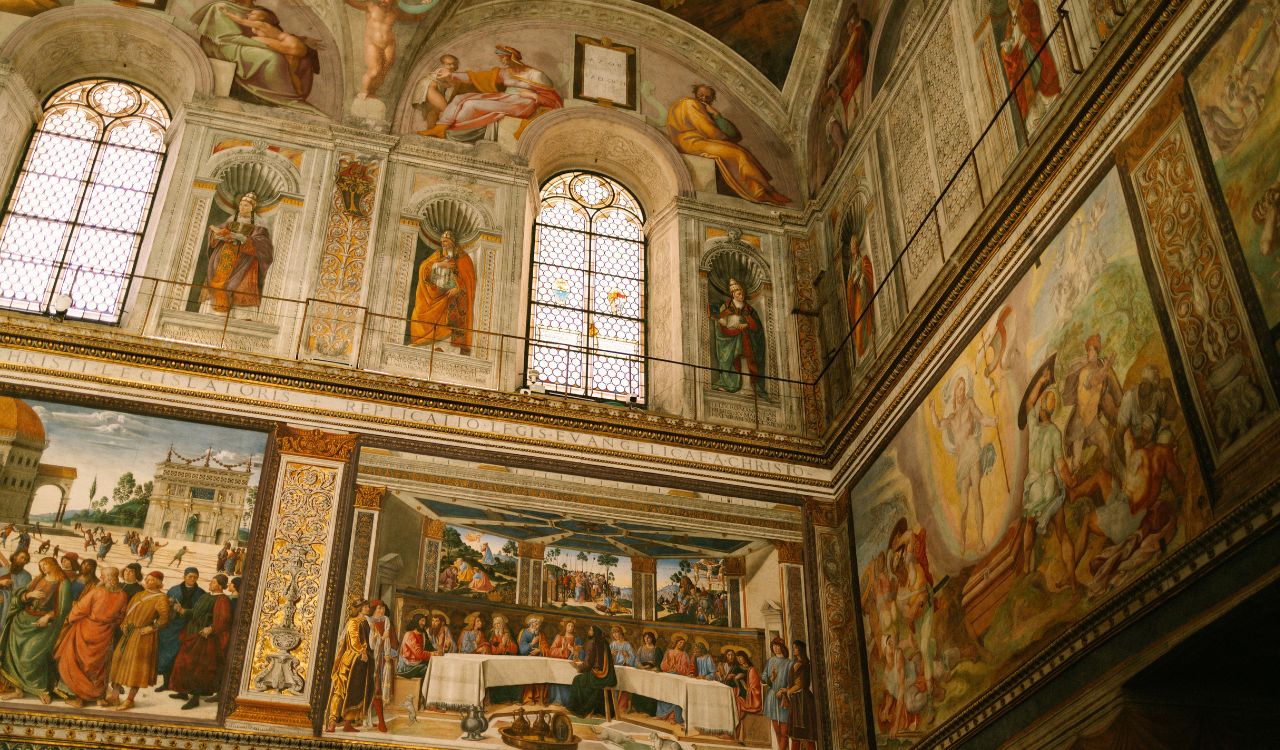
The Vatican Museums hold one of the most impressive art collections on Earth, including Roman sculptures, Renaissance masterpieces, and, of course, the Sistine Chapel ceiling. Painted by Michelangelo, the chapel is a place of awe where every inch of wall and ceiling tells a biblical story through brushwork. It’s overwhelming in the best way.
Catacombs of Rome
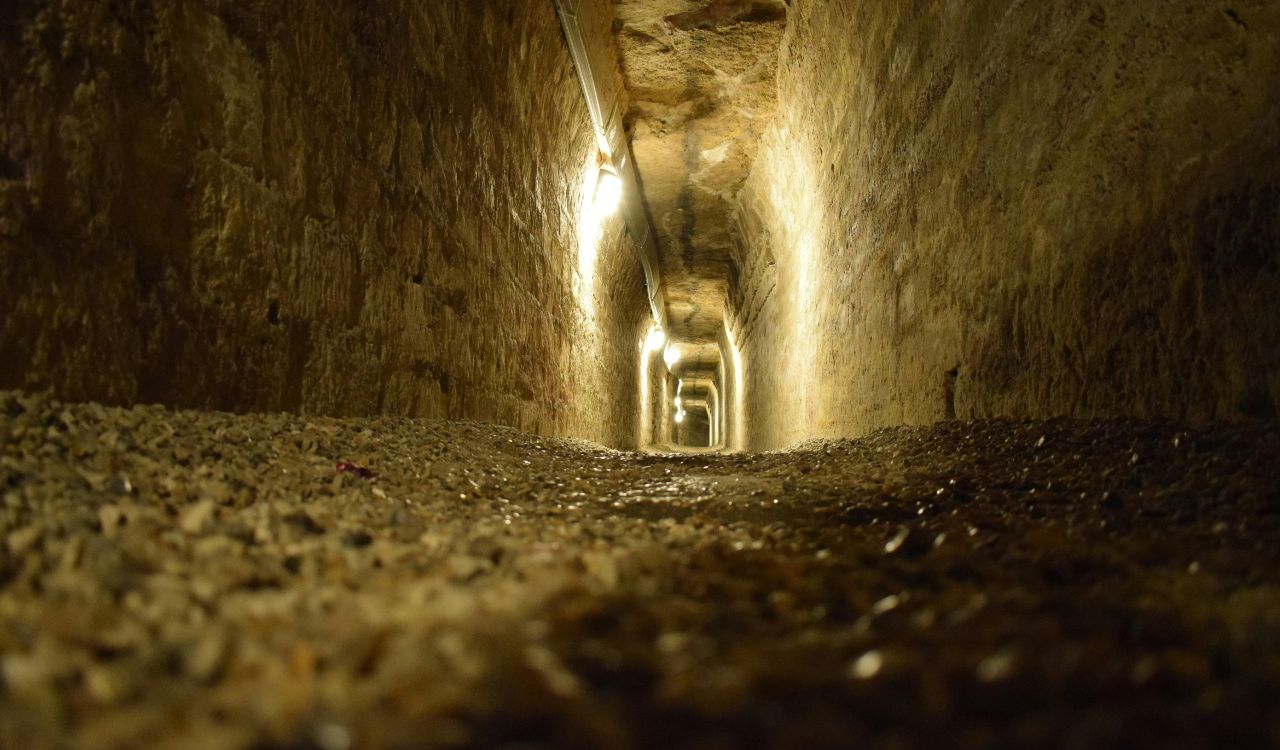
Beneath the city lies a hidden network of ancient Christian burial sites. The catacombs, such as San Callisto and San Sebastiano, date back to the 2nd century and were used for both burial and worship when Christianity was still illegal. These eerie, narrow passageways lined with tombs offer a powerful reminder of early Christian resilience.
The Baths of Caracalla
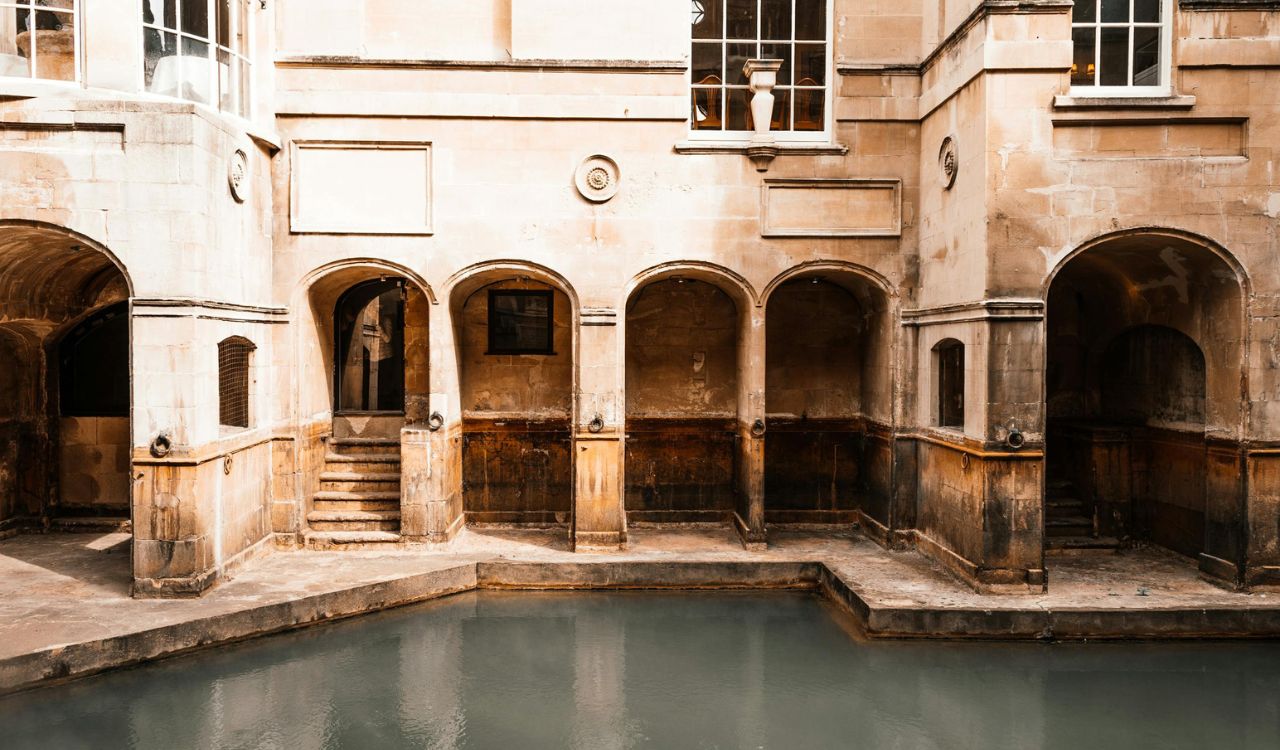
These once-glorious public baths from the 3rd century could hold more than 1,500 bathers. With massive vaulted ceilings, heated floors, and even a library, they were more than just a place to get clean. Much of the structure still stands, letting you imagine the grandeur of daily Roman life in full flow.
The Capitoline Hill and Museums
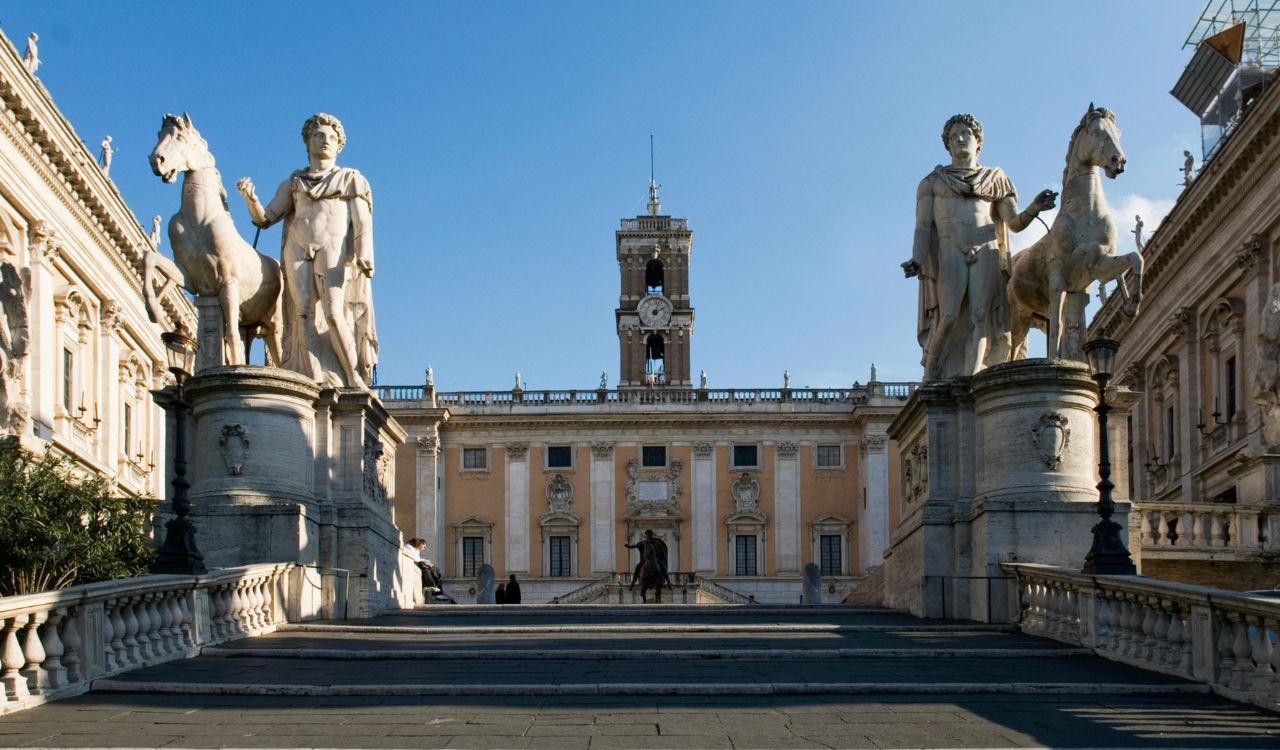
One of Rome’s seven hills, the Capitoline is now home to the Capitoline Museums, the oldest public museums in the world. Designed in part by Michelangelo, the hill also offers sweeping views over the Forum. Inside the museums, you’ll find treasures like the bronze statue of Marcus Aurelius and the Capitoline Wolf suckling Romulus and Remus.
The Borghese Gallery and Gardens
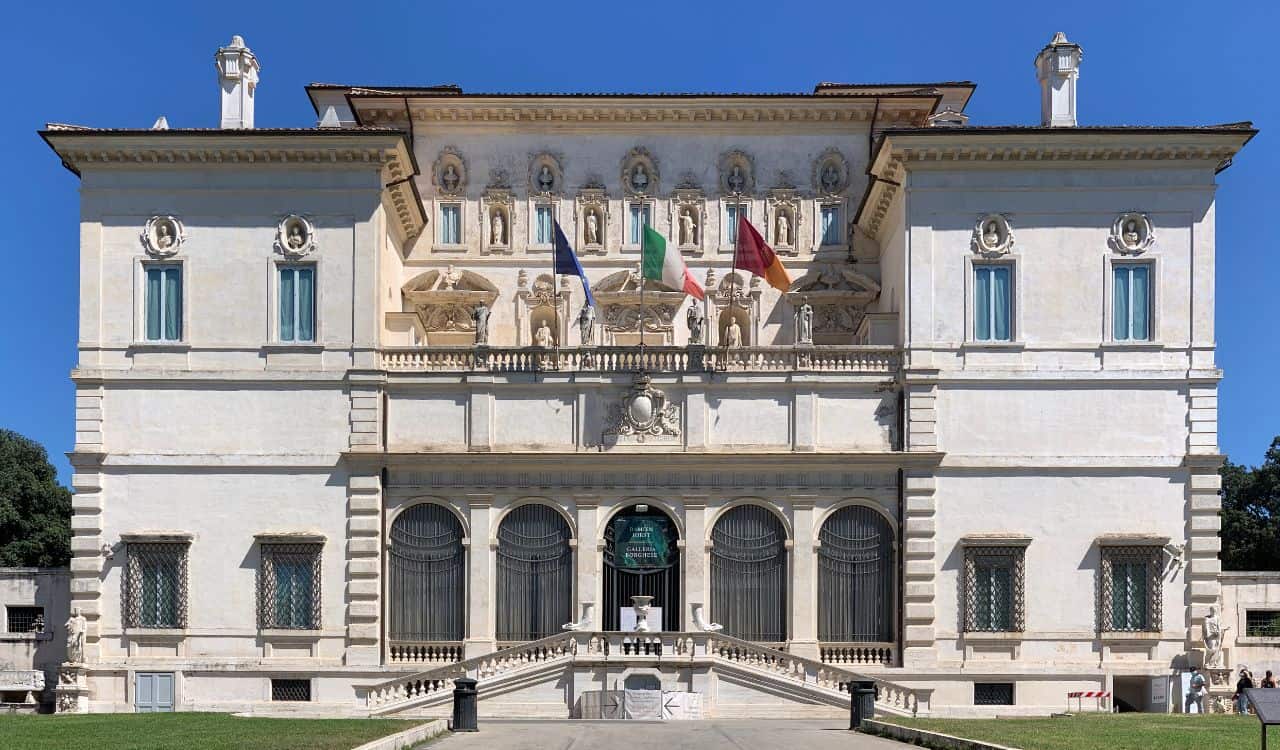
Housed in a stately villa set within one of Rome’s loveliest parks, the Borghese Gallery showcases masterworks by Bernini, Caravaggio, and Raphael. Timed entries and compact rooms make the experience feel intimate, especially when standing inches from marble sculptures that seem to breathe. Afterward, wander the shaded lanes of the surrounding gardens, pause by quiet fountains, and take in skyline views. It is a refined blend of art and nature that offers a serene counterpoint to the city’s grand monuments.